Takeshima Shrine (Shimabara City, Nagasaki Prefecture) Complete Guide | History, Goshuin (Shrine Seal), and Access Information
Takeshima Shrine, located in Miyanomachi, Shimabara City, Nagasaki Prefecture, is a representative ancient shrine of the Shimabara Peninsula and has been deeply revered by the local people. Situated in a scenic location along the coast, it is a historical shrine that has served as the guardian shrine of Shimabara as “Moritake Daigongen” since before the construction of Shimabara Castle. This article comprehensively introduces information useful for visiting Takeshima Shrine, including its history, enshrined deities, highlights of the grounds, goshuin information, and access methods.
History and Origins of Takeshima Shrine
Founding and Ancient Beliefs
The founding date of Takeshima Shrine is unknown, but records show that it was enshrined in this location before the construction of Shimabara Castle (Moritake Castle) in 1618 (Genna 4). Formerly known as “Moritake Daigongen”, it has been revered by local residents as the guardian deity protecting the Shimabara region.
Due to its location facing the sea, it is also worshipped as a guardian deity of safe voyages and fishing, and is a place of worship deeply intertwined with the maritime culture of the Shimabara Peninsula. Throughout the Edo period, it received protection from the Shimabara Domain, and in the Meiji era, under the modern shrine ranking system, it was ranked as a prefectural shrine.
Origin of the Shrine Name
The name “Takeshima” is thought to originate from the character “Take” (猛) in the name of the main deity, Isotakeru-no-Mikoto. Isotakeru-no-Mikoto is known as a brave and fierce god, and also possesses characteristics as a god of trees and navigation, which is deeply related to the shrine’s location along the coast.
Deities and Divine Virtues
Main Deities
The following three deities are enshrined as the main deities at Takeshima Shrine.
Isotakeru-no-Mikoto
A son of Susanoo-no-Mikoto, he is known as the god who planted trees throughout Japan, making the land lush and green. He is believed to bestow divine virtues of safe voyages, industrial development, and protection of forestry.
Ooyatsuhime-no-Mikoto
Isotakeru-no-Mikoto’s sister, she is a goddess of trees who, along with her brother, dedicated herself to the greening of the land.
Tsumatsuhime-no-Mikoto
Also Isotakeru-no-Mikoto’s sister, she is a goddess who assisted in afforestation projects alongside Ooyatsuhime-no-Mikoto.
Divine Virtues
- Safe Navigation and Maritime Safety: Located along the coast, it has long been revered by fishermen and sailors.
- Industrial Prosperity and Business Success: Due to the divine virtue of Isotakeru-no-Mikoto’s prosperity in industry and business development, worshippers visit to pray for business success.
- Family Safety and Protection from Evil and Good Fortune: As the guardian deity of the region, it protects the peace of daily life.
- Protection of Forestry and Nature Conservation: Due to its nature as a god of trees, it is a faith that values harmony with nature.
Highlights of the Shrine Grounds
Approach and Torii Gates
There are multiple torii gates, from the first to the third torii gate, within the grounds of Takeshima Shrine. As you proceed along the approach path along the coast, you can experience a unique atmosphere as you approach the sacred area while feeling the sea breeze.
The first torii gate stands facing the public road, and the approach to the shrine begins here. As you proceed along the approach to the shrine, you will come to the second torii gate, and further on, the third torii gate stands at the entrance to the shrine grounds. Magnificent guardian lion-dogs (komainu) are positioned before and after each torii gate, welcoming visitors.
Shrine Name Marker and Water Basin
Near the third torii gate stands a shrine name marker inscribed with “Takeshima Shrine.” This marker indicates the shrine’s status and serves to inform visitors of its official name.
Upon entering the shrine grounds, there is a water basin for purifying oneself before praying. The water basin is decorated with dragons and turtles; the proper way to worship is to purify your body and mind before proceeding to the main hall (haiden).
Main Hall and Honden
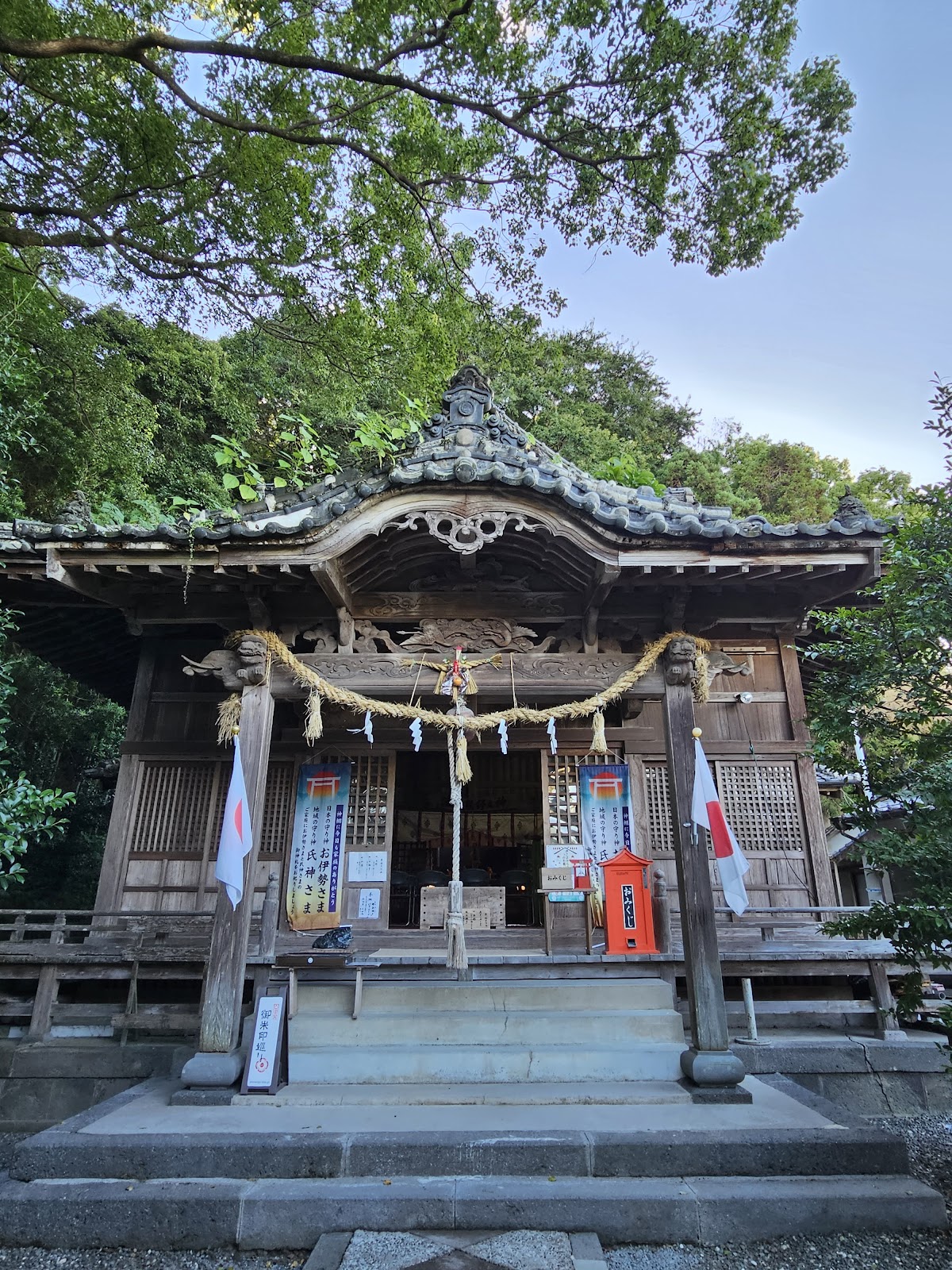
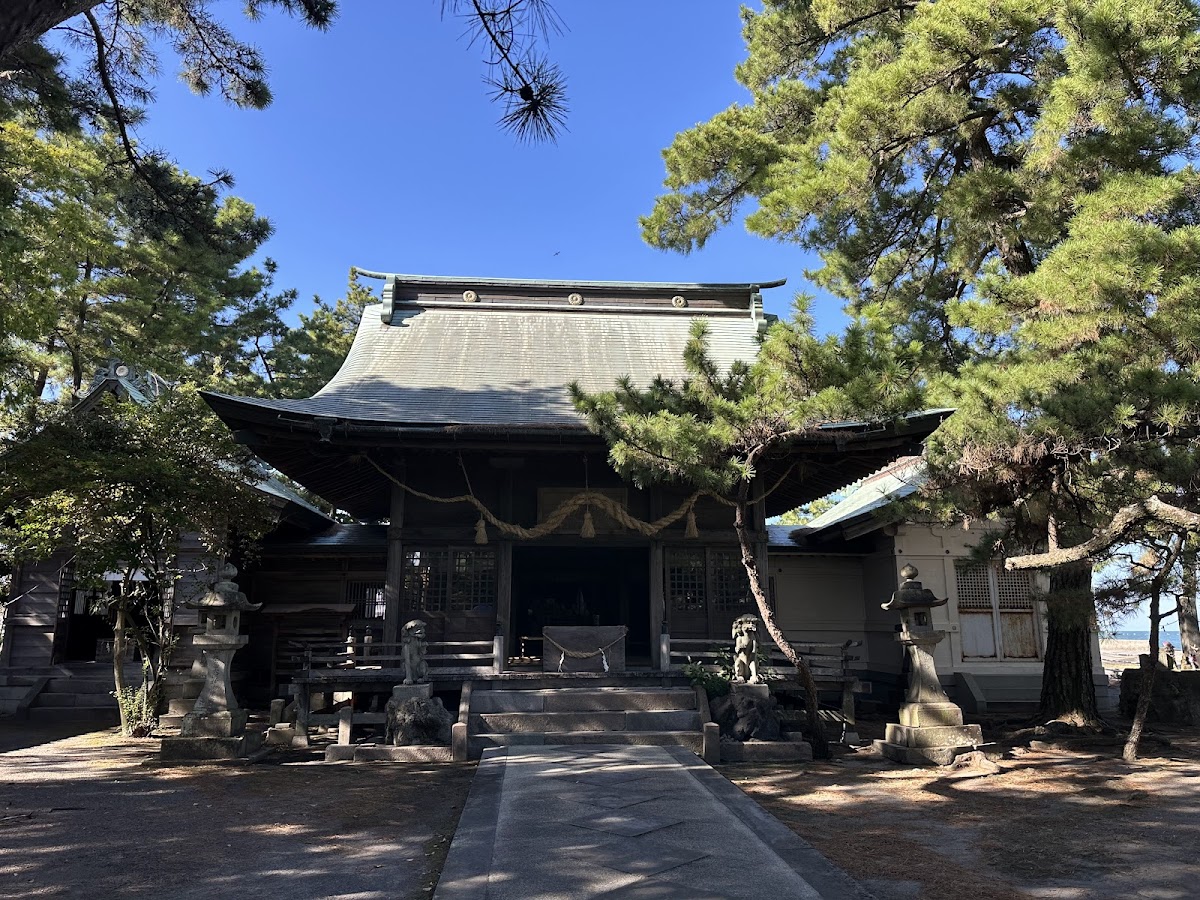
The main hall is where worshippers offer their prayers, and a pair of guardian lion-dogs (A-form and Un-form) sit in front of it. These lion-dogs have expressive faces and exude a dignified presence, having guarded the sacred grounds for many years. Behind the worship hall stands the main sanctuary, where the enshrined deity resides. The main sanctuary is built in a traditional shrine architectural style, preserving the characteristics of Shimabara’s shrine architecture.
Subsidiary Shrines
Several subsidiary shrines are enshrined within the grounds. In particular, the Tenmangu shrine, dedicated to Sugawara no Michizane, the god of learning, attracts many worshippers praying for success in exams and academic achievement.
Other deities rooted in local beliefs, such as the water god, are also enshrined, making it a place of worship that caters to diverse wishes. Exploring the grounds allows one to feel the layered nature of the faith that the local people have cherished for many years.
Seaside Location and Scenery
A major characteristic of Takeshima Shrine is its seaside location. From the grounds, one can see the Ariake Sea, and on clear days, the scenery of the opposite shore is visible. Worshipping while feeling the sea breeze offers a unique atmosphere not found in urban shrines.
The combination of the sea and the shrine conveys the ancient maritime worship tradition, making it a precious place where you can experience the history and culture of the Shimabara Peninsula firsthand.
Goshuin (Shrine Seal) Information
About the Issuance of Goshuin
Goshuin are available at Takeshima Shrine. Goshuin serve as proof of your visit and are important mementos of your connection with the shrine.
The goshuin features the calligraphy of “Takeshima Shrine,” the shrine’s seal, and the date of your visit. The simple yet powerful calligraphy reflects the shrine’s history and prestige.
Issuance Time and Location
Goshuin are available at the shrine office, but since priests may not always be present, it is recommended to contact them in advance if you wish to be sure to receive one. While visits are generally possible during the daytime, the shrine office may be closed early in the morning or after sunset.
You can bring your own goshuin book or receive a pre-printed goshuin. Please offer a standard offering (approximately 300 to 500 yen).
Access Information
Location
251 Miyanomachi, Shimabara City, Nagasaki Prefecture 855-0036
Access by Public Transportation
Approximately 10 minutes on foot from Shimabara Station on the Shimabara Railway Line
Shimabara Station is a major station on the Shimabara Railway, accessible from Nagasaki and Isahaya. The shrine is within walking distance from the station, allowing you to stroll through Shimabara city on your way. Along the way, you can also visit other tourist spots such as Shimabara Castle and samurai residences, which are recommended.
To reach Takeshima Shrine from Shimabara Station, simply follow the signs along the road in front of the station towards the sea.
Access by Car
Approximately 60 minutes from Isahaya IC on the Nagasaki Expressway
From Isahaya IC, take National Route 57 towards Shimabara and enter Shimabara city. Entering “Takeshima Shrine” or “251 Miyanomachi, Shimabara City, Nagasaki Prefecture” into your car navigation system will guide you.
Free Parking Available
The shrine has a free parking lot for visitors, so you can visit by car with peace of mind. However, parking is limited, so be aware of potential crowds during New Year’s visits and festivals.
Nearby Tourist Attractions
- Shimabara Castle: A symbol of Shimabara, within walking distance. The view from the castle tower is spectacular.
- Samurai Residence District: Edo-period samurai residences are preserved here, making it ideal for a historical stroll.
- Shimeiso Spring Water Garden: A beautiful garden utilizing Shimabara’s famous spring water.
- Shimabara Hot Springs: Several hot spring facilities are available to soothe your fatigue after visiting the shrine.
When visiting Takeshima Shrine, exploring these surrounding spots in conjunction will allow you to experience Shimabara’s history and culture more deeply.
Annual Events and Festivals
Takeshima Shrine holds various Shinto rituals throughout the year. The Grand Festival is the most important festival, featuring a portable shrine procession and offering ceremonies, enveloping the entire area in a festive atmosphere.
During the New Year’s Visit period, many worshippers visit to pray for safety and prosperity in the new year. The shrine also accepts Shichi-Go-San and Exorcism Prayers at any time, making it a central place of worship for people visiting at important life milestones.
Manners and Points for Visiting a Shrine
Basic Worship Etiquette
- Bow before the Torii Gate: Before entering the sacred area, bow before the Torii gate.
- Purify at the Water Basin: Purify your left hand, then your right hand, then your mouth, and finally wash the handle of the ladle.
- Walk along the edge of the path: The center of the path is considered the path of the gods.
- Two bows, two claps, one bow in front of the main hall: The basic etiquette is two deep bows, two claps, and one bow.
Photography
Photography is generally permitted within the shrine grounds, but please refrain from taking photos inside the main hall or during religious ceremonies. Also, please be considerate of other worshippers. When posting on social media, please remember that this is a sacred place and strive for moderation in your posts.
Attire
Everyday clothing is acceptable for visiting a shrine, but it is advisable to avoid overly casual or revealing clothing. Especially when making a formal visit or receiving prayers, somewhat formal attire is recommended.
The Charm of Takeshima Shrine
Conveying the History of Shimabara
Takeshima Shrine, an ancient shrine predating the construction of Shimabara Castle, embodies the history of this region itself. Having weathered the Shimabara Rebellion, the Meiji Restoration, and the waves of modernization, its faith continues to this day, forming the core of the region’s identity.
Harmony Between the Sea and the Shrine
The seaside location is a major attraction of Takeshima Shrine. Visiting while feeling the sea breeze calms the mind and allows one to feel a sense of oneness with nature. The environment, befitting the enshrinement of Isotakeru-no-Mikoto, the god of navigation, is still maintained today.
A Faith Rooted in the Community
Another appealing aspect is that it hasn’t become overly commercialized as a tourist destination, functioning as a place of daily faith for the local people. Seeing locals visiting for milestones in their lives, such as New Year’s visits, Shichi-Go-San (a traditional rite of passage for children), and exorcisms, one can truly feel that the shrine remains a living place of faith.
Summary
Takeshima Shrine in Shimabara City, Nagasaki Prefecture, is a valuable historical site that preserves the region’s history and culture, dating back to before the construction of Shimabara Castle. Its location along the coast, its history with Isotakeru-no-Mikoto as its main deity, the various points of interest scattered throughout the grounds, and the deeply rooted faith of the community leave a profound impression on visitors.
With easy access—approximately a 10-minute walk from Shimabara Station—and ample free parking, it’s easily accessible by both public transport and car. Visiting Takeshima Shrine in conjunction with nearby tourist attractions such as Shimabara Castle and the samurai district will allow you to experience the charm of Shimabara even more deeply.
Receive a Goshuin (shrine stamp), stroll through the grounds while feeling the sea breeze, and pay your respects to the guardian deity of Shimabara. Please do visit Takeshima Shrine for a truly enriching experience.