Complete Guide to Onsen Shrine (Katsusa-cho, Minamishimabara City, Nagasaki Prefecture) | History, Access, and Goshuin Information
Onsen Shrine, located in Kazusa-cho, Minamishimabara City, Nagasaki Prefecture, is a particularly historically significant ancient shrine among the Onsen Shrines scattered across the Shimabara Peninsula. Affectionately known as “Oshimen-san” by locals, this shrine has deep ties to the creation myth of Japan recorded in the Kojiki. This article provides a detailed introduction to this shrine.
What is Onsen Shrine (Katsusa-cho)?
Onsen Shrine (Unzen Jinja) is a shrine located in Higashimiyano-cho, Kazusa-cho, Minamishimabara City, Nagasaki Prefecture. While there are several shrines on the Shimabara Peninsula with the characters for “hot spring” (温泉) but pronounced “Unzen,” the Onsen Shrine in Kazusa-cho is known for its unique history.
Even in present-day Japan, it remains a valuable cultural asset with strong ancient beliefs, attracting worshippers not only from the local area but also from all over Kyushu.
Basic Information
Location
〒859-2600 Higashimiyanomachi, Kazusa-cho, Minamishimabara City, Nagasaki Prefecture
Shrine Rank
Former Village Shrine
Alternative Name
Oshimen-san (Local Name)
Official Website
http://kazusa.watson.jp/
History and Origins of Onsen Shrine
Deep Connection to the Kojiki
An essential part of understanding the history of Onsen Shrine is its relationship with the Kojiki, Japan’s oldest historical record. The creation myth in the Kojiki, completed in 712 AD, states, “There is one body with four faces, each with a name.” This description forms the core of the faith at Onsen Shrine.
Onsen Shimenshin Faith
On the Shimabara Peninsula, there are Onsen Shrines arranged in four directions around Mount Unzen, and these are called “Onsen Shimenshin” or “Onsen Shimen Daimyojin.” Specifically, this refers to the following four shrines:
- Yamada-jin (Onsen Shrine in Azuma-cho, Unzen City)
- Chichigoku-jin (Onsen Shrine in Chijiwa-cho, Unzen City)
- Arie-jin (Onsen Shrine in Arie-cho, Minamishimabara City)
- Isahaya-jin (Isahaya Shrine in Isahaya City)
These are believed to have been founded as branch shrines of the Onsen Shrine (the main shrine) located on Mount Unzen. The Onsen Shrine in Kazusa-cho has also attracted local devotion as a shrine deeply connected to this Onsen Shimenshin faith.
History of Shrine Relocation
The Onsen Shrine in Kazusa-cho has moved locations many times throughout its long history.
First Location: Kamitoryu
It was originally enshrined in the current location of Kamitoryu in Kazusa-cho (formerly written as “神黗留,” meaning “the place where the gods stayed”). This place name itself indicates that this area has been revered as a sacred place since ancient times.
Destruction during the Shimabara Rebellion
During the Shimabara Rebellion, which broke out in 1637, the shrine was burned down by Christian forces. This tragic event marked a significant turning point in the history of Japanese religion.
The Great Fire of Kazusa
The shrine faced numerous trials, including further destruction by the Great Fire of Kazusa.
Changes in the Shrine’s Location
- Near present-day Atago-cho, Kazusa-cho (former place name: Motoshimen)
- Near present-day Kazusa Town Hall
- Current location (Higashimiya-cho)
In this way, overcoming numerous difficulties and protected by the deep faith of the local people, the shrine has reached its current location.
Deities and Divine Virtues
Deities
The deities enshrined at Onsen Shrine are believed to be related to the gods appearing in the creation myth of Japan in the Kojiki (Records of Ancient Matters). Based on the belief in four-faced deities, it has been believed that different divine attributes reside in each face.
Divine Virtues
- Abundant Harvest: As the guardian deity of agriculture
- Family Safety: Protecting the peace and well-being of the family
- Protection from Misfortune: Protecting oneself from calamities
- Business Prosperity: Praying for the development of one’s business
- Healing from Illness: Protecting one’s health
Locally, the shrine is affectionately known as “Oshimen-san,” and the custom of visiting at important life events continues to this day.
Highlights of the Shrine Grounds
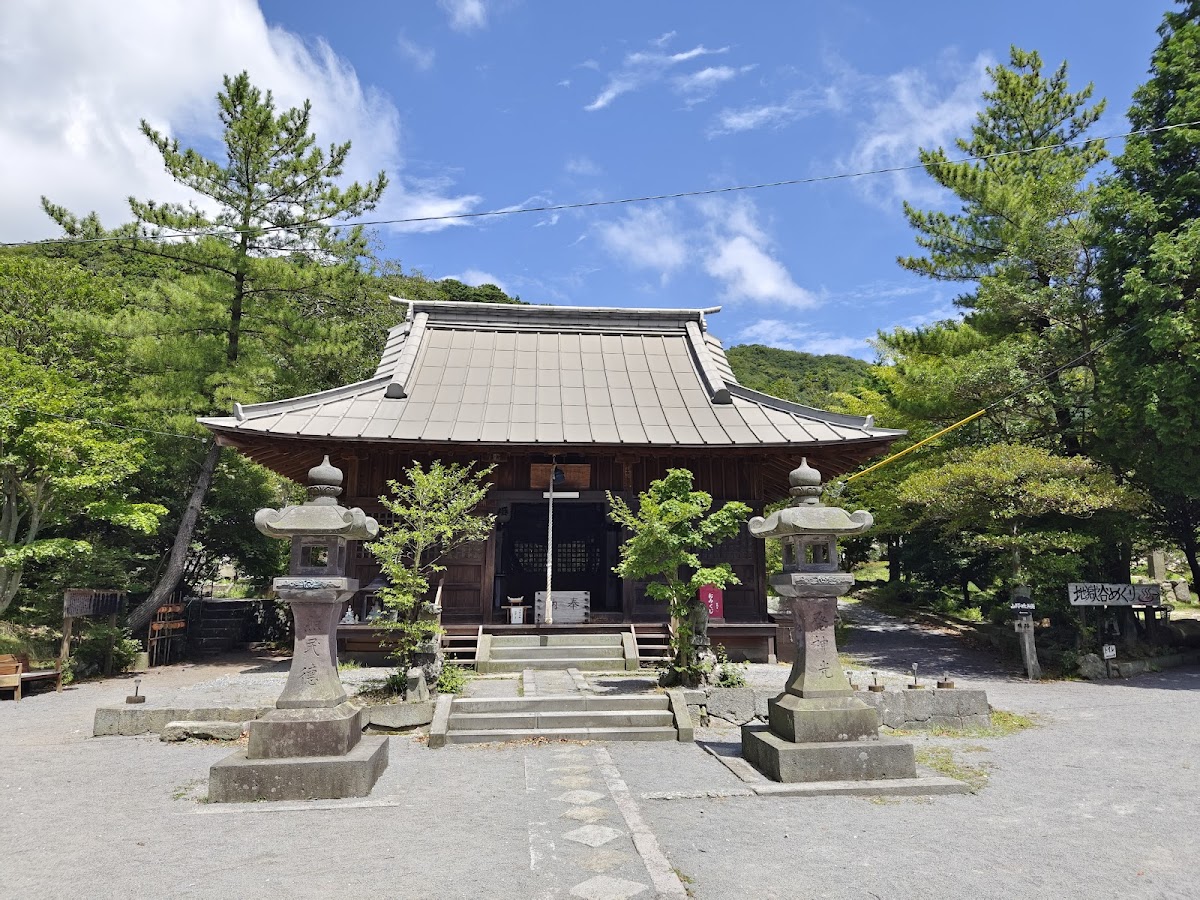
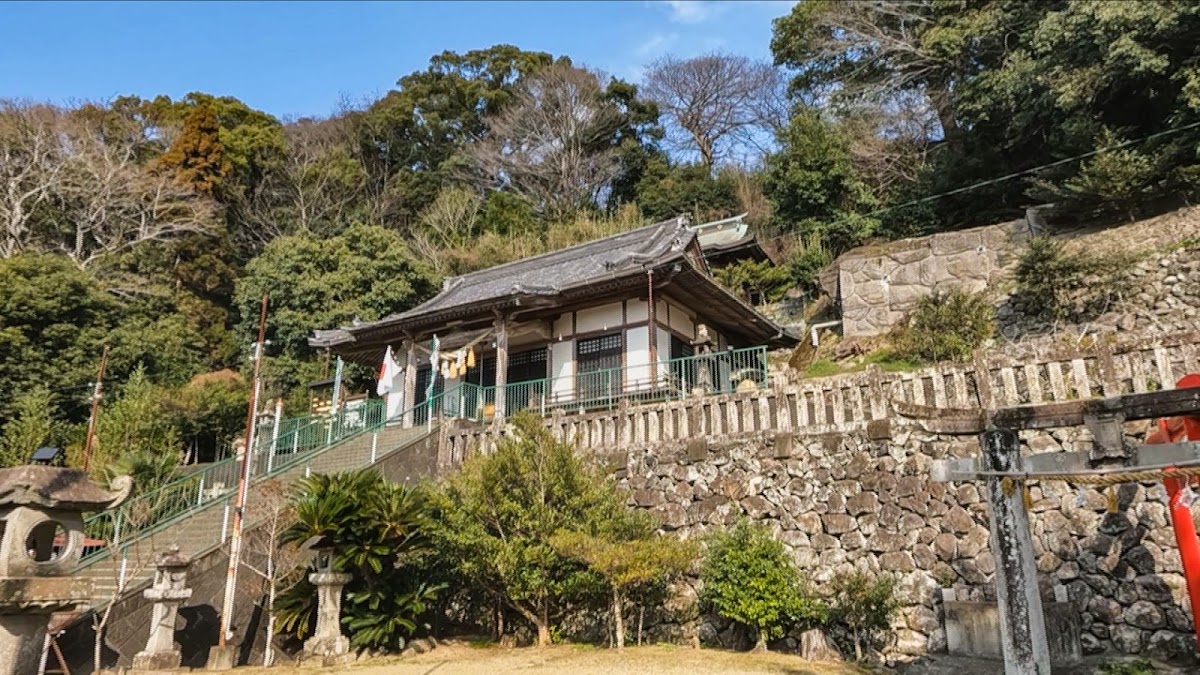
Main Hall
The main hall, which has been destroyed and rebuilt numerous times, is a testament to the faith of the local people. The current shrine building maintains the style of traditional shrine architecture while conveying the history of the region.
Shrine Grove
The trees surrounding the shrine grounds are a treasure trove of nature, nurtured over many years. The grounds, displaying different expressions throughout the seasons, offer visitors a tranquil experience.
Stone Monuments and Memorials
Various stone monuments and memorials that tell the history of the shrine are erected within the grounds. These are valuable resources for understanding the history of the region.
Annual Events and Festivals
Grand Festival
The Grand Festival, held every autumn, is the largest festival in the region and attracts many worshippers. Traditional festival rituals, such as the procession of the portable shrine and offering ceremonies, are performed.
New Year’s Visit
Many worshippers visit the shrine in the New Year to pray for peace and prosperity throughout the year. It is an indispensable annual event for the local people.
Other Events
- Spring Festival
- Summer Purification Ceremony
- Shichi-Go-San Ceremony
- Year-End Purification Ceremony
Various Shinto rituals are performed throughout the year.
Goshuin (Shrine Seal) Information
Onsen Shrine offers Goshuin. Many visitors receive them as a memento of their visit and as proof of their connection to the shrine.
Goshuin (Shrine Stamp) Reception
Reception Hours
During the hours the shrine office is open (we recommend checking in advance)
Offering Fee
General amount (approximately 300-500 yen)
Notes
- It is customary to receive the stamp after visiting the shrine.
- Please bring your Goshuincho (stamp book).
- The shrine may be closed, so it is best to contact them in advance.
Access
Access by Car
From Nagasaki City
- Head south on National Route 251
- Travel time: Approximately 1 hour 30 minutes
From Shimabara City
- Head south on National Route 251
- Travel time: Approximately 40 minutes
Parking
Parking spaces are available around the shrine (limited number of spaces)
Access by Public Transportation
Nearest Station
Shimabara Railway “Katsusa Station” (※Currently discontinued)
Bus
- Nagasaki Prefectural Bus and Shimabara Railway Bus operate this route.
- Get off at the “Katsusa” bus stop and walk for about 10 minutes.
Notes Public transportation is limited on the Shimabara Peninsula, so access by car is recommended.
Nearby Tourist Attractions
Highlights of Minamishimabara City
Hara Castle Ruins The ruins of the castle that was the stage of the Shimabara Rebellion. It is one of the constituent assets of the World Cultural Heritage site “Hidden Christian Sites in the Nagasaki Region.” Approximately 15 minutes by car from Onsen Shrine.
Kuchinotsu Port A historic port town with buildings that retain the atmosphere of the Meiji era.
Shirahama Beach A beach with beautiful sandy shores. It is bustling with many beachgoers in the summer.
Hot Spring Facilities
Katsusa Onsen A local hot spring facility where you can relax after visiting the shrine.
Gourmet Information
Local Cuisine of Minami-Shimabara
- Guzoni: A local dish said to have been devised during the Shimabara Rebellion.
- Fresh Seafood: Seafood unique to the region facing the Ariake Sea and Tachibana Bay.
- Somen Noodles: Famous as a production area for Shimabara somen noodles.
Relationship with Hot Spring Shrines
Hot Spring Shrines on the Shimabara Peninsula
According to the “Shrine Details Register” of 1875 (Meiji 8), there are as many as 18 “hot spring shrines” listed on the Shimabara Peninsula. These are deeply connected to volcanic worship centered around Mount Unzen, and more than a dozen still exist today.
Unzen Onsen Shrine (Head Shrine)
The Unzen Onsen Shrine, located in Unzen, Obama-cho, Unzen City, is considered the head shrine of the hot spring shrine group.
History
- Emperor Monmu, Taihō 1 (701): Became an Imperial Prayer Site
- Emperor Go-Uda, Kōan 4 (1281): Became the General Guardian Shrine of Kyushu
- Emperor Meishō, Kan’ei 17 (1640): Became a Prayer Site for the County
- Emperor Higashiyama, Genroku 6 (1693): Became a Shrine Personally Worshipped by the Feudal Lord
- Meiji 9 (1876): Became a Local Shrine
- Taisho 5 (1916): Became a Prefectural Shrine
- Showa 27 (1952): Became a Religious Corporation
Shimen-gūkai
Currently, shrines enshrining the Onsen Shimen-shin have formed an organization called “Shimen-gūkai,” striving for mutual exchange and the transmission of faith. Through regular meetings and joint festivals, they continue to preserve this unique form of faith.
Etiquette and Manners for Visiting a Shrine
Basic Etiquette for Visiting a Shrine
- Bow before passing through the torii gate.
- Purify yourself at the water basin.
- Hold the ladle in your right hand and purify your left hand.
- Switch the ladle to your left hand and purify your right hand.
- Hold the ladle in your right hand again, receive water in your left hand, and rinse your mouth.
- Finally, hold the ladle upright and purify the handle.
- Worship in front of the main shrine.
- Bow twice, clap twice, and bow once.
- Place your offering quietly.
- Ring the bell if there is one.
- Be quiet within the shrine grounds.
- Bow again at the torii gate when leaving.
Photography Manners
- Refrain from taking photos inside the main shrine.
- Be considerate of other worshippers.
- Remember that this is a sacred place.
Connection with the Local Community
Local Affection: “Oshimen-san”
The affectionate nickname “Oshimen-san” originates from the “four faces” of the Onsen Shimen-shin (Four Faces God of Hot Springs). This nickname reflects the deep roots the shrine has in the lives of the local people.
Connection to Local Events
Onsen Shrine is a central figure in the Kazusa town community and is deeply connected to various local events. During festivals, local residents participate in the preparation and operation, creating a place for intergenerational exchange.
Cultural Value
As an indispensable part of the history of the Shimabara Peninsula, its cultural value as a local asset is recognized. In particular, its connection to the Shimabara Rebellion, a significant event in Japanese history, is attracting attention from a historical research perspective.
Points to Note When Visiting
Attire
Please dress appropriately for visiting a shrine. It is advisable to avoid overly revealing clothing.
Visiting Hours
Generally, daytime visits are recommended. Please refrain from visiting at night.
Weather
The ground may become slippery during rainy weather. Please wear appropriate footwear.
Inquiries
We recommend checking details such as festival dates and Goshuin (temple/shrine stamp) issuance times in advance.
Summary
Onsen Shrine (Katsusa-cho, Minamishimabara City, Nagasaki Prefecture) is an indispensable shrine in telling the history of the Shimabara Peninsula, deeply connected to the “Onsen Shimenshin” faith, which originates from the creation myth of Japan in the Kojiki.
From its founding at Kamitoryu (Kami-Toru), through its destruction during the Shimabara Rebellion, and numerous relocations to its current location, it has been protected by the deep faith of the local people. Affectionately known as “Oshimen-san,” this shrine remains a central hub of the local community and a spiritual haven for its people.
When visiting Nagasaki Prefecture or Kyushu, please be sure to visit Onsen Shrine in Katsusa-cho, Minamishimabara City. Spending time in the tranquil temple grounds, surrounded by the rich history of faith that has continued since ancient times in Japan, will surely become a special memory. A trip to the Shimabara Peninsula, where you can experience its abundant nature and history, and the warmth of its people, will be a valuable experience that allows you to escape from your daily routine and truly appreciate the depth of traditional Japanese culture.