Onsen Shrine (Unzen, Obama-cho, Unzen City, Nagasaki Prefecture) Complete Guide | History, Goshuin (Shrine Seal), and Visiting Information
Onsen Shrine (Unzen Jinja), located in Unzen, Obama-cho, Unzen City, Nagasaki Prefecture, is a shrine with a history of over 1300 years, serving as the center of hot spring worship on the Shimabara Peninsula. Situated in the heart of the Unzen Onsen hot spring resort area and close to the Unzen Jigoku (Unzen Hell) walking trails, it attracts many visitors as a symbolic presence in one of Kyushu’s leading hot spring areas.
This article provides detailed information you should know before visiting Onsen Shrine, including its history, enshrined deities, goshuin (shrine seal), access methods, and nearby tourist spots.
What is Onsen Shrine? | The Head Shrine of Hot Spring Worship on the Shimabara Peninsula
Onsen Shrine is located at 319 Unzen, Obama-cho, Unzen City, Nagasaki Prefecture, and is known as the head shrine of the Onsen Shrines scattered throughout the Shimabara Peninsula. It is said that there were once as many as 18 Onsen Shrines on the Shimabara Peninsula, and it has long been cherished as a center of local faith.
While Onsen Shrines still exist in various locations such as Azuma Town, Chijiwa Town, Ariie Town, and Isahaya City, this shrine located in the Unzen Onsen area is considered the main shrine. It is a historical shrine deeply connected to the origin of the place name Unzen.
The Origin of the Place Name “Unzen” and its Relationship to the Onsen Shrine
The place name “Unzen” was originally written as “温泉” (onsen, hot spring) and pronounced “Unzen.” This is believed to originate from the mountain name “Onsenzan” of Onsenzan Manmyoji Temple, which was established as the temple managing the Onsen Shrine. During the era of syncretism of Shinto and Buddhism, Onsenzan Manmyoji Temple and the Onsen Shrine formed a single place of worship.
Although Manmyoji Temple was abolished due to the Meiji-era separation of Shinto and Buddhism, the Onsen Shrine inherited its tradition of faith and continues to this day. The change in spelling from “温泉” to “雲仙” is an important element that tells the story of the historical changes in this region.
History of Onsen Shrine | 1300 Years of Faith Since the First Year of the Taihō Era
Founding and the Legend of Gyōki Bodhisattva
Onsen Shrine is said to have been founded in the first year of the Taihō era (701 AD). According to legend, Gyōki Bodhisattva, a high-ranking monk of the Nara period, climbed Mount Unzen and founded Onsenzan Manmyōji Temple, simultaneously establishing Onsen Shrine.
Gyōki was a monk known for discovering hot springs in various regions and dedicating himself to the relief of the people. He is said to have discovered the efficacy of the hot springs in Unzen and established the area as a sacred mountain. Since then, Unzen has developed as a training ground for mountain Buddhism and a sacred site of hot spring worship.
Prosperity During the Era of Shinto-Buddhist Syncretism
From the medieval to the early modern period, Onsen Shrine enshrined Shimen-gū as the guardian deity of Onsenzan Manmyōji Temple, attracting worshippers in a form of Shinto-Buddhist syncretism. Manmyoji Temple, also known as Daijoin Temple, flourished as a center of mountain worship, with Mount Unzen considered a sacred mountain.
As a place of prayer for the entire Shimabara Peninsula, it functioned as a place that received various wishes from people, including those for agriculture, fishing, and recovery from illness. Combined with the therapeutic properties of the hot springs, it became a center of faith, attracting many pilgrims.
Changes Since the Early Modern Period
During the Edo period, it continued to develop under the protection of the Shimabara Domain. However, with the separation of Shinto and Buddhism in the early Meiji era, Manmyoji Temple was abolished. During this period, the syncretic form of Shinto and Buddhism was dismantled nationwide, and shrines and temples were separated.
Onsen Shrine survived as a shrine and continued to be a center of faith on the Shimabara Peninsula even after the Meiji era. In the Showa era, with Unzen being designated as Japan’s first national park, it also developed as a tourist destination. Onsen Shrine became a popular tourist spot.
Currently, in addition to its role as the local guardian deity, it is carving a new history as a shrine beloved by tourists visiting Unzen Onsen.
Deities and Blessings | Gods Enshrined at Shimen-gu Shrine
Main Deities
At Onsen Shrine, the following deities are enshrined as Shimen-gu:
- Ōnamuchi-no-Mikoto: Another name for Ōkuninushi-no-Mikoto, known as the god of nation-building and matchmaking.
- Sukunahikona-no-Mikoto: A god revered as the god of medicine and hot springs.
- Sarutahiko-no-Mikoto: God of opening paths and guidance.
- Izanami-no-Mikoto: Goddess of creation, mother goddess who gives birth to all things.
Blessings
Onsen Shrine offers a wide range of blessings:
- Matchmaking and Romantic Success: Recently, it has attracted particular attention as a power spot.
- Healing from Illness and Prayer for Good Health: Due to the enshrinement of the god of hot springs, there is a strong belief in health-related blessings.
- Business Prosperity: Due to the divine virtue of Ōkuninushi-no-Mikoto
- Family Safety: Role as a guardian deity of the region
- Traffic Safety: Due to the guiding power of Sarutahiko-no-Mikoto
In particular, Sukunahikona-no-Mikoto is known as the god of hot springs and medicine, and this is a benefit unique to a hot spring shrine located in a hot spring area. Combined with the efficacy of Unzen Onsen, many worshippers visit seeking healing of mind and body.
Highlights of the Shrine Grounds | Sacred Area Adjacent to Unzen Hell
Main Hall and Worship Hall
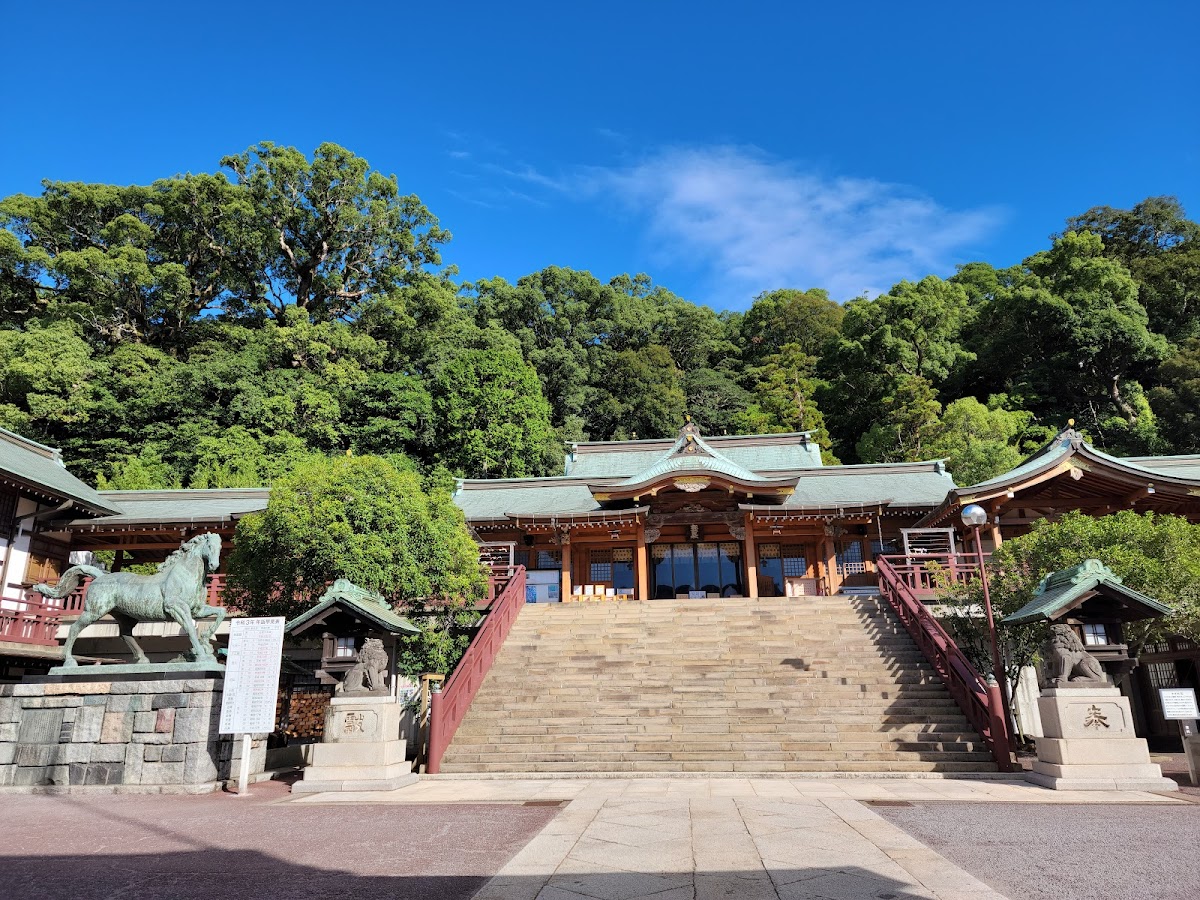
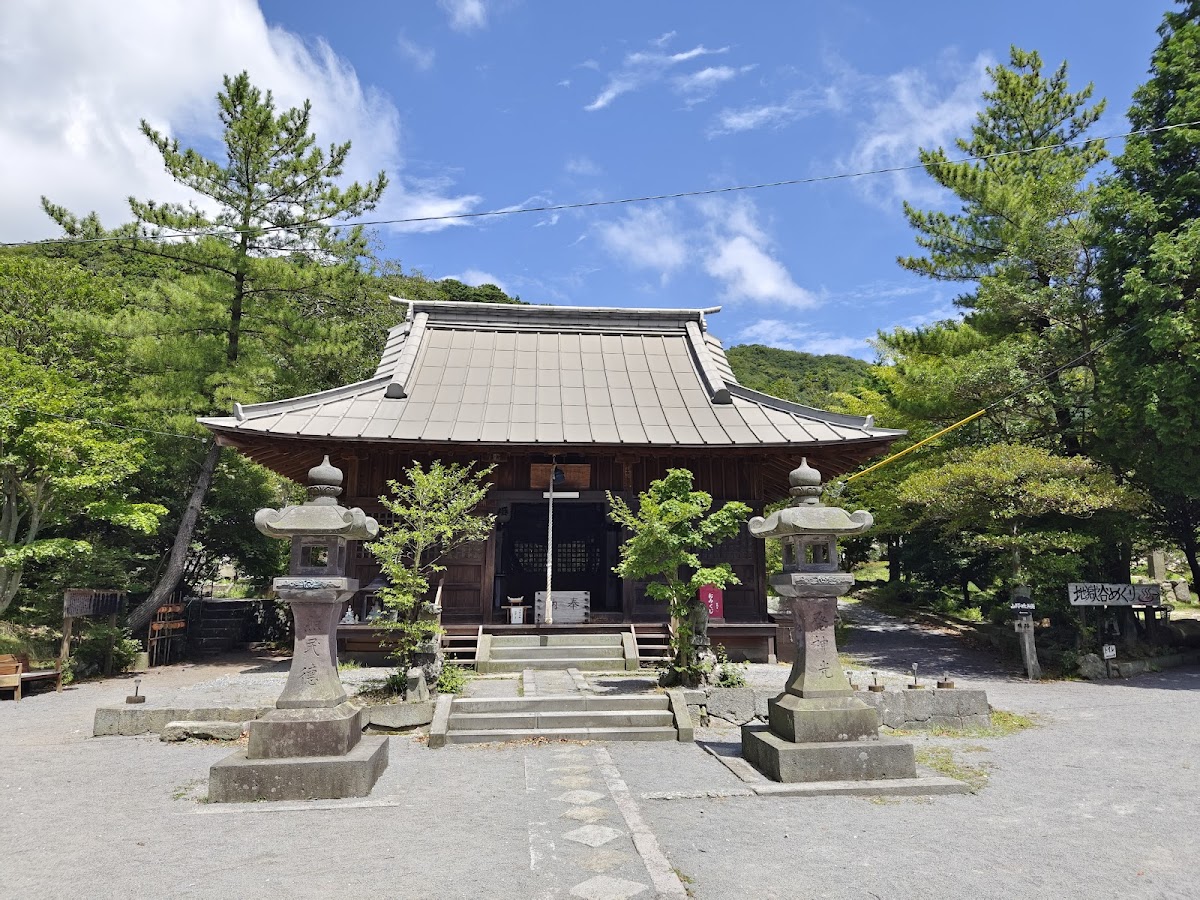
The main hall of Onsen Shrine is located on a hill overlooking the Unzen Onsen hot spring town. The quiet grounds, surrounded by trees, exude a sacred atmosphere away from the hustle and bustle of the hot spring town.
The worship hall, while relatively compact, has a historical feel. When visiting, first purify your mind and body at the water basin before proceeding to the worship hall.
Walking Path to Unzen Hell
One of the major features of Onsen Shrine is its proximity to the walking path to Unzen Hell. You can access the Unzen Hell walking trail directly from the shrine, allowing you to enjoy a combined visit to the shrine and a tour of the hot springs.
The scenery of Unzen Hell, with its sulfurous scent and rising white steam, is a breathtaking sight that truly evokes the breath of the earth. Experiencing this natural wonder after visiting the Onsen Shrine will leave an even deeper impression.
Power Spot for Romantic Fulfillment
In recent years, Onsen Shrine has also gained attention as a power spot for romantic fulfillment. Because it enshrines Ōkuninushi-no-Mikoto, the god of matchmaking, many couples and visitors seeking good fortune in love visit the shrine.
There is also an ema (votive tablet) rack on the shrine grounds, where many ema wishing for romantic fulfillment are offered. Visiting the shrine in conjunction with an overnight stay at Unzen Onsen is a popular choice for couples.
Goshuin (Shrine Stamp) Information | A Souvenir of Your Visit
You can receive a goshuin at Onsen Shrine. Goshuin are popular as proof of your visit and as a memento of your trip.
Features of the Goshuin (Shrine Seal)
The Goshuin of Onsen Shrine features the calligraphy and red seal of “Onsen Shrine.” Its simple yet powerful brushstrokes evoke the history of Unzen.
Reception Hours and Location
Goshuin can be obtained at the shrine office. However, it is not always open, so it is recommended to inquire in advance if you wish to be sure to receive a Goshuin.
The offering fee is similar to that of most shrines, around 300 to 500 yen. Bringing your own Goshuincho (stamp book) is recommended, or you may find pre-printed Goshuin available.
Access & Basic Information | Located in the heart of Unzen Onsen town
Location
Address: 319 Unzen, Obama-cho, Unzen City, Nagasaki Prefecture 854-0621
Transportation Access
Access by Car:
- Approximately 60 minutes from Isahaya IC on the Nagasaki Expressway
- Approximately 30 minutes from Shimabara City
- Approximately 20 minutes from Obama Onsen
There is a public parking lot in the Unzen Onsen town, from which you can access the area on foot.
Access by Public Transportation:
- Approximately 80 minutes by Shimabara Railway Bus “bound for Unzen” from JR Isahaya Station, get off at the “Unzen” bus stop, and walk for approximately 5 minutes
- Approximately 90 minutes by bus from Nagasaki Airport
Unzen Onsen town is located at an altitude of approximately 700m and is characterized by its cool climate, even within Kyushu. It is especially popular as a summer resort.
Visiting Hours and Fees
- Visiting Hours: Grounds are freely accessible (24-hour visitation possible)
- Shrine Office Hours: Generally 9:00 AM to 5:00 PM (may vary depending on the season)
- Admission Fee: Free
Parking Information
There is no dedicated parking lot for Onsen Shrine, but you can use the public parking lots in the Unzen Onsen area. There are also parking lots around Unzen Jigoku (Unzen Hell), from which you can access the shrine on foot.
Nearby Tourist Attractions | Enjoying Unzen Onsen
Unzen Jigoku (Unzen Hell)
Located very close to Onsen Shrine, Unzen Jigoku is a highlight of Unzen sightseeing. Over 30 “hells,” including Daikyokan Jigoku, Oito Jigoku, and Seishichi Jigoku, are scattered throughout, creating a breathtaking landscape of white steam and the scent of sulfur.
A walking path is maintained, and you can complete a circuit in about 30 minutes to an hour. It’s a must-visit spot in conjunction with a visit to Onsen Shrine.
Unzen Hot Spring Town
Unzen Hot Springs is a historic hot spring resort that flourished as a summer retreat for foreigners during the Meiji era. It is characterized by its milky white sulfur spring water, renowned for its skin-beautifying effects.
The hot spring town boasts a variety of accommodations, from long-established inns to modern hotels. Day-use bathing facilities are also available, allowing visitors to enjoy the hot springs after a stroll.
Unzen Ropeway
This ropeway connects the Unzen hot spring town to Nita Pass. From the Myoken-dake Observatory at an altitude of 1,333m, you can enjoy a 360-degree panoramic view of Mount Unzen, the Ariake Sea, and, on clear days, even as far as Amakusa.
The scenery is particularly beautiful during the spring azalea season and the autumn foliage season.
Unzen Vidro Museum
This museum exhibits glass art from the Edo period to the present day. Visitors can learn about the deep connection between Nagasaki and glass, and be captivated by the many beautiful glass works.
Obama Onsen
Obama Onsen, another hot spring resort in Unzen City, is located along the coast and offers a contrasting atmosphere to Unzen Onsen. It is known for its “Hot Foot 105,” Japan’s longest footbath, and its beautiful sunsets.
Located about 20 minutes by car from Unzen, “hot spring hopping,” enjoying the two different types of hot springs, is a popular activity.
Annual Events and Festivals
Various Shinto rituals are performed at the Onsen Shrine throughout the year.
Main Annual Events
- New Year’s Day Festival (January 1st): A Shinto ritual celebrating the New Year
- Spring Grand Festival: A festival celebrating the arrival of spring
- Autumn Grand Festival: A festival giving thanks for the autumn harvest
Local parishioners and worshippers gather for traditional Shinto rituals. Festival dates may vary from year to year, so it is recommended to check the details in advance.
Manners and Recommended Times for Visiting the Shrine
Etiquette for Visiting the Shrine
- Bow before passing through the torii gate: This is a courtesy before entering the sacred area.
- Purify your body and mind at the water basin: Purify your left hand, right hand, and mouth in that order.
- Walk along the edge of the path: The center is considered the path of the gods.
- Etiquette at the main hall: Two bows, two claps, and one bow are the basic rituals.
Recommended Times for Visiting
Early morning visits are recommended. There are fewer tourists, allowing for a peaceful and tranquil visit. The steam rising from Unzen Jigoku (Unzen Hell) in the crisp morning air is particularly beautiful.
Evening visits are also lovely; the shrine grounds, illuminated by the setting sun, are enveloped in a mystical atmosphere.
Accommodation in Unzen Onsen | Enjoying Shrine Visits and Hot Springs
If you are visiting the Onsen Shrine, accommodation in Unzen Onsen is recommended. An ideal plan would be to visit the Onsen Shrine on the first day, stroll through Unzen Jigoku (Unzen Hell), relax in the hot springs in the evening, and then explore the surrounding area the next day.
Characteristics of Unzen Onsen
Unzen Onsen is a sulfur spring, characterized by its milky white water. It’s known for its excellent skin-beautifying effects and is called the “Beauty Hot Spring.” Its benefits are wide-ranging, including relief from neuralgia, muscle pain, joint pain, and fatigue.
Located at an altitude of 700m, it’s cool even in summer, making it a popular summer resort. In winter, you can sometimes enjoy snowy scenery.
Choosing Accommodation
Unzen Onsen offers a variety of accommodations, from long-established inns with over 100 years of history to newly renovated modern hotels.
- Inns with their own hot spring source: Enjoy fresh hot spring water.
- Inns close to Unzen Jigoku: Convenient location for sightseeing.
- Inns with good views: Offer views of Mount Unzen and the surrounding mountains.
Choose according to your budget and purpose.
Recommended Itinerary to Combine with a Visit to the Onsen Shrine
Day Trip Course (Duration: Approx. 4 hours)
- Visit to the Onsen Shrine (30 minutes)
- Stroll through Unzen Hell (60 minutes)
- Lunch (60 minutes): Enjoy local cuisine at a restaurant in the Unzen Onsen area
- Visit the Unzen Glass Museum (45 minutes)
- Day Trip to a Hot Spring (60 minutes): Relax and unwind after your stroll
2-Day/1-Night Course
Day 1:
- Afternoon: Arrive in Unzen, visit the Onsen Shrine
- Evening: Stroll through Unzen Hell
- Night: Enjoy hot springs and dinner at your accommodation
Day 2:
- Morning: Take the Unzen Ropeway to Mt. Myoken
- Lunch: Travel to Obama Onsen, enjoy a footbath and lunch
- Afternoon: Sightseeing in Shimabara City (Shimabara Castle, samurai residences, etc.)
This course allows you to fully enjoy the charm of Unzen and the Shimabara Peninsula.
Seasonal Charms | Unzen: Beautiful No Matter When You Visit
Spring (March-May)
From mid-May to late May, Unzen is known as a famous spot for Miyama Kirishima azaleas. The sight of the pink flowers covering the mountainside is breathtaking. The area around Nita Pass is particularly beautiful and attracts many tourists.
Summer (June-August)
This is the best season to visit as a summer resort. Even when the lowlands are scorching hot, Unzen remains cool and comfortable. The beauty of the fresh greenery is exceptional, making it a pleasant season for strolling and enjoying the forest.
Autumn (September-November)
The autumn foliage season is one of the most beautiful times to visit Unzen. The best time to see the leaves is from late October to early November, and the contrast between the mountains dyed in red and yellow and the white steam rising from the hot springs is magnificent.
Winter (December-February)
Unzen in a snowy landscape also has its own charm. The combination of hot spring steam and the snowy scenery is fantastic. The cold is harsh, but that’s precisely why the warmth of the hot springs feels so comforting.
To fully enjoy the charm of Onsen Shrine
Onsen Shrine is not just a tourist spot; it’s a place of worship with a history of over 1300 years. When you visit, take some time to quietly offer your prayers while reflecting on its history and traditions.
The natural wonders of Unzen Jigoku (Unzen Hell), the tranquil atmosphere of Onsen Shrine, and the healing power of Unzen Onsen—all of these combine to create a special experience that will refresh both your mind and body.
When you visit the Shimabara Peninsula, be sure to visit Onsen Shrine and feel the history and natural power of Unzen. It will surely be an unforgettable memory.
Summary
Onsen Shrine, located in Unzen, Obama-cho, Unzen City, Nagasaki Prefecture, is the center of hot spring worship on the Shimabara Peninsula. Founded in 701 AD, it boasts a history of over 1300 years and is now also popular as a power spot for romantic fulfillment.
Taking advantage of its location adjacent to Unzen Jigoku (Unzen Hell), this shrine offers a great opportunity to combine pilgrimage and sightseeing. A visit combined with an overnight stay at Unzen Onsen will make for an even more fulfilling trip.
Why not spend some time rejuvenating your mind and body by visiting the historic Onsen Shrine amidst the beauty of Unzen’s nature, which changes with the seasons?