Onsenji Temple (Yakushido Hall) (Hyogo Prefecture) Complete Guide | Registered Tangible Cultural Property Enshrining the Guardian Buddha of Kinosaki Onsen
Onsenji Temple (Yakushido Hall), located in Kinosaki Onsen, Toyooka City, Hyogo Prefecture, is a historical building nestled deep within the hot spring town. Built during the Edo period, this Yakushido Hall is designated as a Registered Tangible Cultural Property and enshrines Yakushi Nyorai, the guardian deity of the hot springs, as its principal image. It has long been an important temple and an object of worship for visitors to Kinosaki Onsen, and its architectural beauty and historical background continue to fascinate many worshippers.
Overview and Basic Information of Onsenji Temple Yakushido Hall
Location and Access
Onsenji Temple Yakushido Hall is located at 985-2 Yakushinawate, Yushima, Kinosaki-cho, Toyooka City, Hyogo Prefecture. As a Buddhist hall standing in the center of the lower temple grounds, towards the back of the Kinosaki Onsen town, it stands as if watching over the hot spring town.
Access Information:
- Approximately 15 minutes on foot from JR Kinosaki Onsen Station
- Approximately 10 minutes on foot from the center of Kinosaki Onsen town
- Limited parking space available within the Onsenji Temple grounds (for visitors only)
Basic Facility Information
- Owner: Onsenji Temple (Religious Corporation)
- Phone Number: 0796-32-2669
- Visiting Hours: Grounds are freely accessible (Visiting the interior of the Yakushido Hall varies depending on the season)
- Admission Fee: Generally free (Separate fees apply for special viewings)
- Sect: 29th temple of the Saigoku Forty-Nine Yakushi Pilgrimage
History and Origin of Onsenji Temple’s Yakushido Hall
The Opening of Kinosaki Onsen and the Founding of Onsenji Temple
The history of Onsenji Temple is deeply intertwined with the legend of the opening of Kinosaki Onsen. In 720 AD (Yōrō 4), it is said that when the monk Dōchi Shōnin visited Kinosaki, he received a divine message from the Four Deities and discovered the hot springs. Legend says that Dōchi Shōnin underwent a thousand days of ascetic training, and the hot springs gushed forth on the day of its completion.
Later, during the Tenpyō era (729-749 AD), Onsen-ji Temple was founded by the imperial decree of Emperor Shōmu. Dōchi Shōnin is considered the founder, and the temple has grown alongside Kinosaki Onsen as a guardian temple of the hot springs.
Construction of the Yakushi-dō Hall and its Appearance in the Edo Period
The current Yakushi-dō Hall was built during the Edo period and was developed along with the growth of the hot spring town. During the Edo period, when Kinosaki Onsen became nationally known as a therapeutic hot spring resort, Onsen-ji Temple played a crucial role as a center of faith for visitors.
Yakushi Nyorai is known as the Buddha of healing, and many people visited the temple seeking physical and mental healing by combining therapeutic treatments at the hot springs with prayers to Yakushi Nyorai. The culture of “integrating hot springs and faith,” established during this era, continues to be passed down to the present day.
Designation as a Registered Tangible Cultural Property
Onsenji Yakushido Hall was designated as a Registered Tangible Cultural Property (building) on November 17, 2015, in recognition of its historical value and architectural features. As a valuable cultural property that preserves Edo period architectural style, it is an important element in forming the historical landscape of the region.
Architectural Features and Highlights
Architectural Style of Yakushido Hall
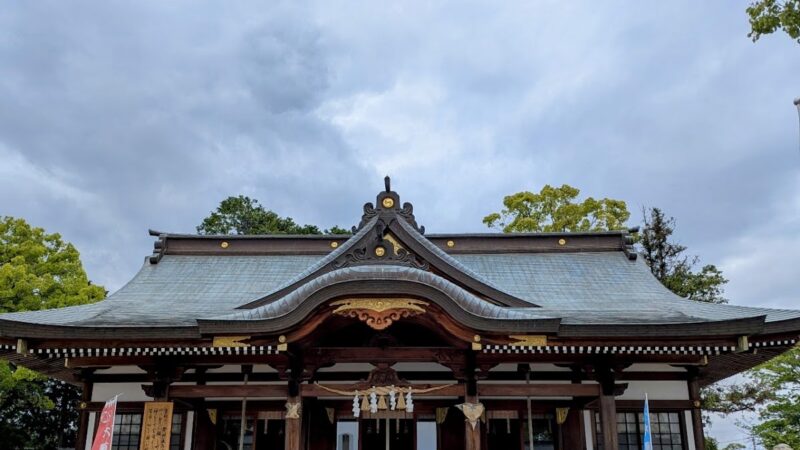
Onsenji Yakushido Hall is a Buddhist temple building with a frontage of three bays (approximately 5.4 meters) and a side of four bays (approximately 7.2 meters). It has a one-bay portico, creating a space to welcome worshippers.
The building has a hipped roof, following the typical style of Edo period Buddhist temple architecture. Its overall proportions are stable, harmonizing with the landscape of the hot spring town while maintaining its dignity as a center of faith. ### Exquisite Sculptures and Decorations
The greatest highlight of the Onsenji Yakushido Hall is the exquisite sculptural decorations adorning key areas both inside and out. These sculptures are valuable works of art that convey the excellent craftsmanship of the Edo period.
Sculptures on the Entrance:
- Dragon Sculpture on the Rainbow Beam: A dynamic dragon sculpture adorns the rainbow beam of the entrance. This dragon is meticulously carved down to the smallest detail, demonstrating the high level of skill involved in depicting even each individual scale. As the dragon is a divine beast that controls water, it is thought to symbolize the blessings of water from the hot springs.
- Basket-Carved Brackets: Basket-carved brackets are placed side by side on the top of the pillars. Basket carving is a three-dimensional openwork technique, creating a beautiful decorative effect through the contrast of light and shadow. These sculptures are all highly regarded for their exceptional craftsmanship.
Other Decorative Elements:
- The wooden brackets (kibana) feature animal carvings such as lions and elephants.
- The transoms (ranma) are adorned with carvings of flowers, birds, and auspicious motifs.
- The brackets and structural elements (tokyo) are also finely decorated.
These carvings are not merely decorative; they embody Buddhist meanings and auspicious wishes, serving a visual educational role for worshippers.
Interior Space and Buddhist Statues
Inside the Yakushi-do Hall, the principal image, a statue of Yakushi Nyorai (Medicine Buddha), is enshrined. Yakushi Nyorai is the principal deity of the Eastern Pure Land and is worshipped as a Buddha who heals illness and suffering.
As the guardian deity of Kinosaki Onsen, this Yakushi Nyorai holds special significance as the “Yakushi Nyorai of Hot Spring Protection.” This form of worship, which combines physical healing from the hot springs with mental healing from Yakushi Nyorai, has developed as a unique religious culture of Kinosaki Onsen.
The inner sanctuary is enveloped in a solemn atmosphere, allowing worshippers to offer prayers in a tranquil space. The ceiling and walls are adorned with decorations, conveying the atmosphere of an Edo-period Buddhist temple.
The Deep Connection Between Onsenji Temple and Kinosaki Onsen
The Fusion of Hot Spring Therapy Culture and Faith
Kinosaki Onsen has long been known as a “hot spring resort.” During the Edo period, many people from all over Japan visited seeking treatment for illnesses and injuries, staying for extended periods for hot spring therapy.
Onsenji Temple served as a spiritual support for these visitors. It became customary to visit the Yakushido (Medicine Buddha Hall) before or after bathing in the hot springs, praying for recovery. This combination of “hot spring therapy and worship” became established as a comprehensive therapeutic culture seeking healing for both body and mind.
Its Place in the Hot Spring Town
Onsenji Temple’s Yakushido is located on a slightly elevated area towards the back of the Kinosaki Onsen town. This location holds symbolic significance. Located slightly away from the hustle and bustle of the hot spring town, Onsenji Temple offers visitors a peaceful space to offer prayers, away from the hustle and bustle of everyday life.
At the same time, its position overlooking the hot spring town implies a religious significance: the belief that Yakushi Nyorai (the Medicine Buddha) watches over and protects the entire town. From the temple grounds, one can enjoy a panoramic view of Kinosaki Onsen, creating a unified landscape between the hot spring town and the temple.
Annual Events and Connections to the Community
Onsenji Temple hosts various events throughout the year. In particular, on the 8th of each month, the auspicious day of Yakushi Nyorai, local residents and tourists alike visit the temple.
Furthermore, Onsenji Temple plays an important role in events held throughout the hot spring town. It continues to function as a spiritual center of the local community, participating in festivals expressing gratitude for the blessings of the hot springs and prayers for safety during the tourist season.
29th Temple of the Saigoku Forty-Nine Yakushi Pilgrimage
History of the Pilgrimage
Onsenji Temple is designated as the 29th temple of the Saigoku Forty-Nine Yakushi Pilgrimage. The Saigoku Forty-Nine Yakushi Pilgrimage is a pilgrimage route connecting temples dedicated to Yakushi Nyorai (Medicine Buddha), primarily in the Kinki region. Many pilgrims visit this route for the purpose of healing illnesses and praying for good health.
Within this pilgrimage, Onsenji Temple is positioned as a temple with a unique characteristic: “hot springs and Yakushi worship.” The combination of hot springs to heal the body and Yakushi Nyorai to heal the mind is a unique attraction that pilgrims cherish.
Goshuin (Temple Seal) and Visiting Etiquette
You can receive a Goshuin (temple seal) at Onsenji Temple. After visiting the Yakushi Hall, you can receive a Goshuin at the temple office. The Goshuin will have calligraphy such as “Guardian of Kinosaki Onsen” and “Yakushi Nyorai” and will be stamped with a red seal.
When visiting, first bow at the main gate, then purify your hands and mouth at the water basin. Afterward, clasp your hands together in prayer before the Yakushi-do hall and offer your heartfelt prayers. For pilgrims, chanting the Heart Sutra or the mantra of Yakushi Nyorai, “Om Korokoro Sendari Matougi Sowaka,” is recommended.
Points to Note and Manners When Visiting
Clothing and Belongings
Onsenji Yakushi-do is a place of worship, so please dress appropriately for worship. Since it is accessed from the hot spring town, visiting in a yukata (light cotton kimono) is acceptable, but please avoid clothing that exposes a lot of skin.
There are stairs and slopes on the temple grounds, so we recommend choosing comfortable footwear. Particular caution is needed on rainy days, as the grounds can be slippery.
Photography
Photography of the temple grounds and the exterior of the Yakushi-do hall is generally permitted, but photography inside the hall may be prohibited. Always check and obtain permission before taking photographs.
Furthermore, it is important to be considerate of other worshippers and maintain quiet. When posting on social media, please be mindful of the fact that this is a place of worship and act with moderation.
Visiting Hours and Crowds
While the grounds of Yakushido Temple are generally open to worship, early mornings and evenings offer particularly quiet and peaceful visits. During peak tourist seasons and weekends, it becomes crowded with many worshippers, so weekday mornings are recommended for those who wish to worship at a leisurely pace.
Special viewings and events may have designated times, so it is recommended to check in advance.
Nearby Attractions and Tourist Information
Kinosaki Onsen’s Public Bath Hopping
When visiting Onsenji Temple, be sure to experience Kinosaki Onsen’s famous “public bath hopping.” Kinosaki Onsen has seven public baths, each offering a different atmosphere and therapeutic effects.
- Ichinoyu: A representative public bath located in the heart of the hot spring town.
- Goshonoyu: Elegant architecture modeled after the Kyoto Imperial Palace.
- Mandarayu: A bath originating from the legend of its opening by the monk Dochi.
- Satonoyu: A public bath equipped with modern facilities.
- Yanagiyu: Known as a bath for granting children.
- Jizoyu: A bath for family safety and memorial services for miscarried or stillborn children.
- Konoyu: A bath for marital harmony and eternal youth and longevity.
By combining a visit to Onsenji Temple with a tour of the public baths, you can experience healing for both body and mind.
Strolling through Kinosaki Onsen Town
The hot spring town boasts a picturesque landscape along the Ootani River, lined with willow trees. The stone arch bridges and traditional inn buildings create a townscape that fully embodies the atmosphere of a hot spring resort.
On the way from Onsenji Temple to the center of the hot spring town, you’ll find numerous souvenir shops and restaurants where you can enjoy local specialties such as Tajima beef and Matsuba crab.
Take the Ropeway to Daishiyama
Above Onsenji Temple is the Kinosaki Onsen Ropeway, which takes you to the summit of Daishiyama Mountain in about 7 minutes. From the summit, you can enjoy a spectacular view of Kinosaki Onsen town, the Sea of Japan, and, on a clear day, even the San’in Coast in the distance.
At the summit is the inner sanctuary of Onsenji Temple, where you can visit for further religious pilgrimage. The natural scenery is beautiful throughout the seasons, and the autumn foliage season offers particularly magnificent views.
Seasonal Attractions
Spring: The Season of Cherry Blossoms and Fresh Greenery
Spring is the season of beautiful cherry blossoms in and around Onsenji Temple. From late March to early April, the Somei Yoshino cherry blossoms are in full bloom, creating a magnificent contrast between the historical architecture of the Yakushido Hall and the cherry blossoms.
In the season of fresh greenery, the trees in the temple grounds turn a vibrant green, creating an atmosphere full of life. The hot spring town is relatively less crowded in spring, allowing for a relaxed visit.
Summer: Seeking Green Leaves and Coolness
In summer, Onsenji Temple becomes a tranquil space enveloped in deep green. Leaving the heat of the hot spring town behind and visiting the temple while enjoying the cool shade of the trees is a special experience.
Summer is also the peak tourist season for Kinosaki Onsen, attracting many visitors. Visiting early in the morning is especially refreshing, and the sight of the Yakushido Hall illuminated by the morning sun evokes a sense of divinity.
Autumn: A Famous Spot for Autumn Leaves
Autumn is the season when Onsenji Temple is most beautifully colored. From early to mid-November, the maple and ginkgo trees in the temple grounds change color, vividly adorning the Yakushido Hall.
The autumn leaves, especially at dusk, glow golden in the setting sun, creating a fantastical atmosphere. While this time of year sees many tourists, its beauty is well worth the visit.
Winter: Snowscape and Serenity
In winter, Onsenji Temple presents a tranquil scene, covered in snow. The Yakushido Hall, shrouded in snow, possesses a beauty reminiscent of an ink painting, further enhancing its solemn atmosphere.
Winter is also crab season in Kinosaki Onsen, making it a popular destination for tourists enjoying the hot springs and cuisine. Visiting in the snow is cold, but visiting before or after warming up in the hot springs enhances the healing effect due to the temperature difference between body and mind.
Cultural Value of Onsenji Yakushido Hall
A Building that Conveys Local History
Onsenji Yakushido Hall is an important building that conveys the history and culture of Kinosaki Onsen. Its historical value is highly regarded for preserving Edo period architectural styles while embodying the unique religious culture of the hot spring resort.
Its designation as a Registered Tangible Cultural Property indicates that this building is not merely a religious facility, but an important element that forms the historical landscape of the region. The Yakushido Hall, which has developed alongside the hot spring town, can be considered a core element that forms the identity of Kinosaki Onsen.
Architectural Techniques and Artistic Value
The carved decorations on the Yakushido Hall are valuable historical materials that demonstrate the excellent architectural techniques and artistic value of the Edo period. In particular, the dragon carvings on the front of the hall and the basket-carved brackets convey the advanced skills of the craftsmen of that time.
These decorations not only serve as aesthetic elements but also play a role in enhancing the solemnity of the hall as an object of worship, making them an important example for considering the significance of decoration in religious architecture.
Efforts toward Preservation and Transmission
Onsenji Temple is actively working toward the preservation and transmission of the Yakushido Hall. Regular repairs and cleaning are carried out to maintain its value as a cultural property, while it continues to function as an active religious facility.
Through cooperation with local residents and the government, efforts continue to pass on this valuable building to future generations, balancing cultural property protection with tourism utilization.
Summary: The Charm of Onsenji Yakushido
Onsenji Yakushido, located in Kinosaki Onsen, Toyooka City, Hyogo Prefecture, is a valuable cultural asset that blends the architectural beauty of the Edo period with the history of hot spring worship. Designated as a Registered Tangible Cultural Property, its architecture boasts exquisite carvings and harmonious structural beauty, continuing to captivate visitors.
This temple, dedicated to Yakushi Nyorai, the guardian of the hot springs, is not merely a tourist spot, but a spiritual pillar of Kinosaki Onsen, deeply rooted in the community. Its unique culture, a fusion of hot spring therapy and Buddhist faith, continues to provide peace of mind to many worshippers today.
When visiting Kinosaki Onsen, be sure to visit Onsenji Yakushido and experience this special space woven from history, faith, and architectural beauty. The physical healing from the hot springs and the spiritual healing from prayer to Yakushi Nyorai will bring true peace to visitors.
In the quiet temple grounds, slightly removed from the hustle and bustle of the hot spring town, you can forget the passage of time and reflect on history. Such a luxurious experience awaits you at Onsenji Yakushido. The Yakushido, adorned with the beauty of nature throughout the seasons, offers new discoveries and inspiration with every visit, making it a hidden gem of Kinosaki Onsen.