Otori Shrine (Kuromatsunai-cho, Suttsu-gun, Hokkaido): A Complete Guide to History, Goshuin (Shrine Seals), and Annual Festivals
Otori Shrine, located in Kuromatsunai-cho, Suttsu-gun, within the jurisdiction of the Shiribeshi General Subprefectural Bureau of Hokkaido, is a venerable shrine with a history of approximately 147 years. Situated on a hill about 500 meters south of JR Kuromatsunai Station in the heart of Kuromatsunai-cho, it is a beloved center of local faith. This article provides detailed information useful for visitors, including the history of Otori Shrine, its enshrined deities, annual festivals, access methods, and information on goshuin (shrine seals).
Basic Information about Otori Shrine
Location: 463 Kuromatsunai, Kuromatsunai-cho, Suttsu-gun, Hokkaido
Deity Enshrined: Yamato Takeru no Mikoto
Former Shrine Rank: Village Shrine
Annual Festival Date: August 26th
Jurisdiction: Hokkaido Shrine Association
Otori Shrine is located in the heart of Kuromatsunai town, surrounded by temples such as Matsuryuzan Dosanji, Hon’enji, and Kotokuji, in an area with many religious facilities. From the hilltop, one can overlook the townscape of Kuromatsunai, creating a tranquil environment for worship.
History and Founding of Otori Shrine
Circumstances of Founding
The history of Otori Shrine dates back approximately 147 years. It is said that the shrine was originally founded on the banks of the Shubutogawa River. The Shutagawa River is an important river flowing through Kuromatsunai Town and has been deeply intertwined with the lives of local residents since the pioneering era.
As the development of Hokkaido intensified during the Meiji era, settlers invited the gods of their homeland to pray for safety and prosperity in their new land. Otori Shrine was founded against this backdrop, and by enshrining Yamato Takeru as its main deity, it sought the courage and strength to overcome the difficulties of pioneering.
Promotion to Village Shrine and Development
Under the Meiji-era shrine ranking system, Otori Shrine was ranked as a village shrine. A village shrine is a shrine that plays a central role in the local community as the guardian shrine of a village, demonstrating the importance of Otori Shrine in the Kuromatsunai area.
As the development progressed, the population of Kuromatsunai increased, and Otori Shrine developed as a spiritual pillar of the local community. Shinto rituals, including the annual festival, became important opportunities for residents to gather together, playing a role in deepening community bonds.
To the Present
Even after the abolition of the shrine ranking system following World War II, Otori Shrine has continued to attract the fervent faith of local residents. Currently, it belongs to the Hokkaido Shrine Association, and proper management and rituals are continued. The maintenance of the shrine buildings and grounds is supported by local parishioners, and its history and traditions, spanning over 147 years, have been passed down to the present day.
About the Deity: Yamato Takeru
Yamato Takeru no Mikoto, the deity enshrined at Otori Shrine, is a representative heroic god in Japanese mythology. Born as the son of Emperor Keiko, the 12th emperor, he is said to have undertaken eastern and western expeditions at his father’s command, and dedicated himself to pacifying various regions.
Divine Virtues of Yamato Takeru
Yamato Takeru is known for the following divine virtues:
- Long-lasting Military Fortune and Victory: Due to his bravery in overcoming numerous difficulties, he is worshipped as a god of victory and overcoming challenges.
- Pioneering and Development: Due to his achievements in pacifying undeveloped lands, he is considered a guardian deity of pioneering and business development.
- Protection from Misfortune and Disaster: Due to his experience of overcoming various trials, he is believed to have the power to ward off misfortune.
- Traffic Safety: Due to his experience of traveling extensively, he is also worshipped as a god of safe travel and traffic safety.
Why Was Yamato Takeru Enshrined in Kuromatsunai?
During the pioneering era of Hokkaido, settlers faced many difficulties in living in undeveloped land. The harsh climate, the clearing of primeval forests, and encounters with wild animals such as bears were a series of trials comparable to the “Eastern Expedition.”
Under these circumstances, it was a natural progression for Yamato Takeru to be chosen as a symbol of courage and strength to overcome difficulties. The pioneers, inspired by the bravery and indomitable spirit of Yamato Takeru, prayed for success in their new land.
Annual Festival and Events
Annual Festival (August 26th)
The annual festival of Otori Shrine is held every year on August 26th. This is the most important festival of the year and a major event in Kuromatsunai town, with many townspeople participating.
On the day of the festival, the portable shrine procession takes place, with the shrine parading through the Kuromatsunai area accompanied by energetic shouts. This procession is an important Shinto ritual that spreads the divine power of the enshrined deity throughout the region and prays for a bountiful harvest and peace in the community.
While the festival, held during the hot summer months, can be physically demanding for participants, it is a valuable opportunity to reaffirm community unity and pass on traditions to the next generation. The enthusiasm of the young people carrying the portable shrine, the smiles of the residents watching along the route, and the solemnity of the Shinto ritual all come together to create a quintessential summer spectacle in Kuromatsunai.
Other Annual Events
Besides the annual festival, various Shinto rituals are held at Otori Shrine throughout the year:
- New Year’s Day Festival (January 1st): Prayers for happiness in the new year and peace in the community
- Setsubun Festival (around February 3rd): Driving away evil spirits and inviting good fortune through bean-throwing
- Spring Festival: Celebrating the arrival of spring and praying for a bountiful harvest
- Shichi-Go-San Festival: Prayers for the healthy growth of children
- Year-End Purification Ceremony: Purifying and cleansing away the sins and impurities of the year
These rituals are deeply intertwined with the rhythm of life for the local residents and are important events that mark the changing seasons.
Highlights of the Shrine Grounds
Shrine Building
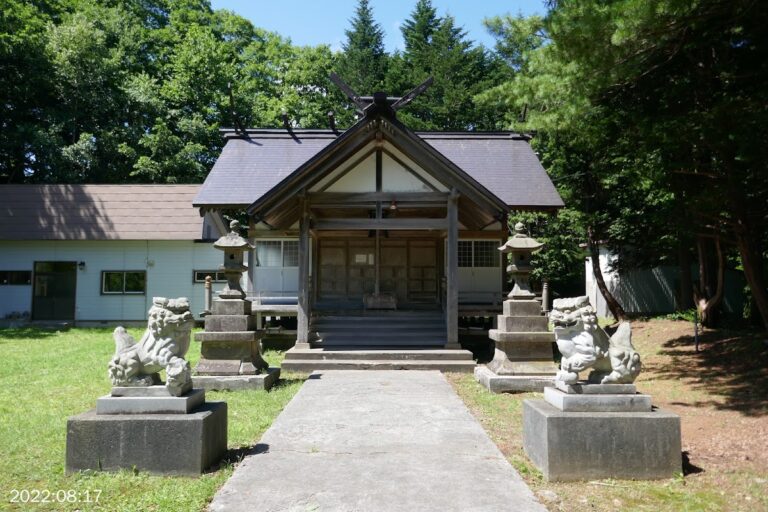
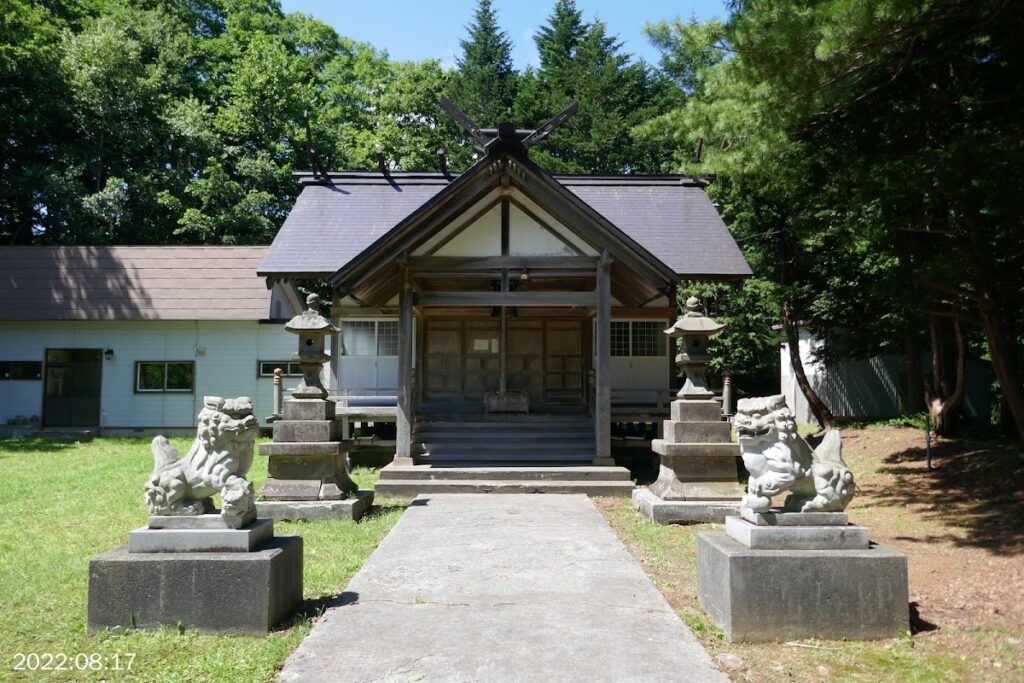
The shrine building of Otori Shrine features architectural characteristics typical of Hokkaido shrines. Due to the heavy snowfall in the region, the roof slope and structure incorporate snow-resistant features. Because the shrine is located on a hill, visitors ascend stone steps to reach the grounds.
View from the Shrine Grounds
From Otori Shrine, situated on a hill, you can enjoy a panoramic view of the town of Kuromatsunai. On a clear day, you can admire the surrounding mountains and rich natural scenery, making it a place to appreciate the beautiful landscape of Kuromatsunai while praying.
Surrounding Temples
Nearby Otori Shrine are several temples, including Matsuryuzan Dosanji, Hon’enji, and Kotokuji. This area, with its proximity of shrines and temples, is historically significant as the center of Kuromatsunai’s religious and cultural heritage. Visiting these temples in conjunction with Otori Shrine will allow you to gain a deeper understanding of Kuromatsunai’s history and culture.
Goshuin Information
You can receive a Goshuin (temple/shrine stamp) at Otori Shrine. Goshuin are proof of visiting the shrine, and many visitors collect them.
Characteristics of the Goshuin
The Goshuin at Otori Shrine features the shrine’s name, “Otori Shrine,” and the date of visit, along with the shrine’s seal. It is characterized by a simple yet powerful brushstroke, conveying a majestic atmosphere befitting a shrine dedicated to Yamato Takeru.
Precautions When Receiving a Goshuin
Since Otori Shrine may not have a resident priest, it is recommended to check in advance if you wish to receive a Goshuin. You can obtain information regarding the availability and hours of Goshuin issuance by contacting the Hokkaido Shrine Association or the Kuromatsunai Town Tourism Association.
It is proper etiquette to bring your Goshuincho (stamp book) and receive the Goshuin after a respectful visit. Remember that the Goshuin is proof of your shrine visit, not a stamp rally, and treat it with respect.
Access Methods
Access by Public Transportation
From JR Hakodate Main Line “Kuromatsunai Station”
- Approximately 10 minutes on foot (approximately 500 meters south)
- Exit the station and head south towards the hillside to reach the shrine.
Kuromatsunai Station is on the Hakodate Main Line and is accessible from both Hakodate and Sapporo. However, train services are limited, so it is recommended to check the timetable in advance.
Access by Car
From Sapporo
- Approximately 2 hours and 30 minutes from Sapporo via National Route 5
- Enter the Kuromatsunai town area and follow the signs.
From Hakodate
- Approximately 2 hours from Hakodate via National Route 5
- Head towards the shrine in the Kuromatsunai town area.
Parking
There is parking space for visitors around the shrine, but congestion is expected during events such as festivals. Please consider using public transportation or arriving early.
About Kuromatsunai Town
Kuromatsunai Town, where the Otori Shrine is located, is situated at the southern tip of the Shiribeshi General Subprefectural Bureau in Hokkaido. Known as the “northernmost limit of beech trees,” it is characterized by its rich natural environment.
Characteristics of Kuromatsunai Town
- Beech Forest: The Utasai Beech Forest is designated as a natural monument as the northernmost beech forest.
- Hot Springs: There are hot spring facilities such as Kuromatsunai Onsen, which are popular with tourists.
- Agriculture: Agriculture, mainly dairy farming, is thriving, producing high-quality dairy products.
- Nature: Blessed with a rich natural environment, including the Shutagawa River.
Tourism in Kuromatsunai Town
In conjunction with visiting Otori Shrine, you can visit the following tourist spots:
- Utasai Beech Forest: A walking trail is maintained, allowing you to stroll through the northernmost beech forest.
- Kuromatsunai Onsen Buna no Mori: A hot spring facility where day trips are also possible.
- Towa Vert: A restaurant and accommodation facility using local ingredients.
- Soebetsu Beech Forest: A primeval beech forest enveloped in tranquility.
Kuromatsunai Town is located midway between Sapporo and Hakodate, making it a convenient stopover during sightseeing in southern and central Hokkaido.
Manners and Points for Visiting a Shrine
Basic Worship Etiquette
- Bow before passing through the torii gate: This is a courtesy before entering the sacred area.
- Purify yourself at the water basin: Purify your left hand, right hand, and mouth in that order.
- Walk along the edge of the path: The center is considered the path of the gods.
- Etiquette at the main hall: Two bows, two claps, and one bow are the basic rituals.
Clothing and Items
No special clothing is required for worship, but clean attire that reflects the sacred nature of the place is desirable. During the summer festival season, it can be hot, so bringing a hat and drinks is recommended. In winter, due to snow, warm clothing and non-slip shoes are essential.
Photography
Photography is generally permitted within the shrine grounds, but photography during religious ceremonies and inside the shrine buildings should be avoided. Please also be considerate of other worshippers.
Otori Shrine and the Local Community
Otori Shrine is not merely a religious facility; it plays a central role in the community of Kuromatsunai Town. Shinto rituals, including the annual festival, serve as a place for intergenerational exchange and are important opportunities to strengthen community bonds.
Parishioners’ Organization and Shrine Management
The maintenance and management of Otori Shrine are supported by the local parishioners’ organization. Many tasks, such as cleaning the shrine buildings, maintaining the grounds, and preparing for the annual festival, are carried out by the volunteers of the parishioners. Through these activities, local residents deepen their connection with the shrine and pass on traditions to the next generation.
Preservation of Local Culture
Various traditions related to Otori Shrine, such as the procession of the portable shrine at the annual festival and the etiquette of Shinto rituals, are passed down through generations. Younger generations participate in the festival and learn skills and knowledge from older generations, ensuring that the 147-year history continues into the future.
Relationship with Surrounding Shrines
While many shrines belong to the Hokkaido Shrine Association, Otori Shrine is a member of the Shiribeshi region’s shrine network, supporting the local shrine culture. There are many shrines in the neighboring towns of Suttsu, Shimamaki, and Rankoshi, each serving as a center of local faith.
About the Name of Otori Shrine
The name “Otori” originates from the legend that Yamato Takeru transformed into a white swan after his death and flew away. Many shrines dedicated to Yamato Takeru bear the name “Otori Shrine,” and it belongs to the lineage of Otori worship, with Otori Taisha in Sakai City, Osaka Prefecture, as its head shrine. The Otori Shrine in Kuromatsunai Town is also thought to follow this traditional lineage.
Otori Shrine by Season
Spring (April-June)
Spring arrives at the shrine grounds with the melting snow. The fresh greenery is beautiful, and it’s a season to visit in the refreshing air. During cherry blossom season, you can enjoy cherry blossom viewing on the shrine grounds and in the surrounding area.
Summer (July-September)
The highlight of this season is the annual festival on August 26th. A lively festival is held under the summer sky. This is the time to fully experience Hokkaido’s short summer.
Autumn (October-November)
This is the season of beautiful autumn foliage. The surrounding beech forests also change color, and the entire town of Kuromatsunai is dyed in autumn hues. It is also the harvest season, a time to offer thanks for a bountiful harvest.
Winter (December-March)
This is the season when the grounds are covered in deep snow. The shrine grounds, enveloped in silence, exude a mystical atmosphere. During the New Year’s period, it becomes bustling with worshippers making their first shrine visit of the year. Be sure to dress warmly and watch your step when visiting the shrine.
Summary: The Significance of Visiting Otori Shrine
Otori Shrine has existed as a spiritual pillar of Kuromatsunai town for over 147 years. It enshrines Yamato Takeru as its main deity and has continued to attract the faith of local residents from the pioneering era to the present day.
From its elevated location, the shrine grounds offer panoramic views of the town of Kuromatsunai, providing a peaceful and serene setting for worship amidst abundant nature. The annual festival on August 26th features a traditional portable shrine procession, showcasing the vibrant energy and strong sense of community.
Shrine stamps (Goshuin) are available, making it an important spot for those touring shrines throughout Hokkaido. Its convenient location, within walking distance of JR Kuromatsunai Station, is another attractive feature.
While exploring Kuromatsunai, known as the northernmost limit of beech tree habitats, be sure to visit Otori Shrine. You may gain the courage and strength to take a new step forward, drawing inspiration from the bravery and power of Yamato Takeru. A visit to this historic shrine is sure to create lasting memories.