Complete Guide to Otowayama Kannonji Temple (Sakurai City, Nara Prefecture) | History, Highlights, Access, and Vegetarian Cuisine
Located on the slopes of Mt. Otowa in Sakurai City, Nara Prefecture, at an altitude of approximately 600 meters, Otowayama Kannonji Temple is a nunnery of the Yuzu Nembutsu sect, long cherished as “Otowa no Kannon.” It gained national attention as the setting for the NHK E-TV program “Yamato Amadera Shojin Nikki” (Yamato Nunnery Vegetarian Diary), and despite its remote mountain location, it has become a special temple attracting many visitors.
This article will comprehensively cover the charms of this mountain temple, from its history and highlights to how to worship, temple lodging experiences, and vegetarian cuisine.
History and Origins of Kannonji Temple
Various Theories and Changes Regarding its Founding
There are several theories regarding the founding of Otowayama Kannonji Temple, with its origins dating back to ancient times. One of the most plausible theories is that when Jōe established Myōraku-ji Temple, he founded Kannon-ji Temple as a protective measure against evil influences from the northeast (demon’s gate) of Myōraku-ji Temple.
The temple’s name has also changed several times over time, and it has been known by various names such as Zenpō-ji, Kōhō-ji or Kōhō-ji, Otowa-ji or Otowa-ji. These name changes reflect the temple’s long history and the changing forms of faith throughout different eras.
As a Sacred Site for Healing Eye Diseases
From ancient times, Kannon-ji Temple has been known as a temple with miraculous efficacy in healing eye diseases, and many people have visited it praying for recovery. This faith has been passed down to the present day, and worshippers still visit to pray for eye health.
Its location on Mount Otowa, surrounded by the pure mountain air and abundant nature, is one of the reasons why it has been valued as a place that brings healing to both mind and body.
As a Temple of the Yuzu Nembutsu Sect
Currently, Kannonji Temple operates as a nunnery belonging to the Yuzu Nembutsu sect. The Yuzu Nembutsu sect is a Buddhist sect that preaches the doctrine of “Yuzu Nembutsu,” which teaches that the recitation of the Buddha’s name by one person can benefit all, and the recitation of the Buddha’s name by all people can benefit one. It was founded in the Kamakura period by Ryōnin Shōnin.
At Kannonji Temple, daily services based on this teaching are performed, and Buddhist practice continues in the tranquil mountain setting.
Kannonji Temple’s Buildings and Cultural Assets
Main Hall and Temple Grounds Architecture
The grounds of Kannonji Temple, situated on the slopes of Mt. Otowa, are a quiet space that unfolds after climbing a steep mountain path. The main hall is built to follow the mountain’s terrain, harmonizing with the surrounding nature.
From the temple grounds, one can look down on the city of Sakurai, and on clear days, one can see the distant Yamato Basin. The view from its 600-meter elevation is exceptional and a perfect way to soothe the fatigue of your pilgrimage.
Nara Prefecture Designated Natural Monument: “The Ginkgo Tree with Leaves”
One of the biggest attractions at Kannonji Temple is the “Ginkgo Tree with Leaves,” located to the right of the main hall. This ginkgo tree is designated a natural monument by Nara Prefecture, and its estimated age is said to be 500 years or even over 300 years.
The name “Ginkgo Tree with Leaves” comes from its unusual characteristic of bearing fruit (ginkgo nuts) on top of its leaves. Normally, ginkgo nuts grow directly on the branches, but this tree exhibits the extremely rare phenomenon of fruit growing on the leaves. This unusual characteristic makes it a valuable botanical specimen.
In autumn, the sight of the ginkgo tree turning golden is breathtaking, and many visitors come specifically during this time. During the autumn foliage season, the entire mountain of Kannonji Temple is ablaze with color, presenting a special kind of beauty.
Other Treasures
Kannonji Temple houses various treasures that have been preserved and passed down through its long history. These cultural artifacts are valuable resources that convey the history of the temple and the depth of faith in the region.
Annual Events and Memorial Services
Kannonji Temple holds various Buddhist events and memorial services throughout the year. As a temple of the Yuzu Nembutsu sect, daily services are conducted, as well as solemn seasonal memorial services.
Special memorial services are held, especially on Kannon’s festival days, during the spring and autumn equinoxes, and during Obon, providing a time for prayer with worshippers. The memorial services held in the mountainous environment are filled with a tranquility and solemnity different from those of temples in urban areas.
Temple Lodging Experience and Shojin Ryori (Vegetarian Cuisine)
Difficult-to-Book Temple Lodging Experience
Otowayama Kannonji Temple operates temple lodgings, allowing visitors to spend a night at the mountain temple. Since the broadcast of NHK’s “Yamato Amadera Shojin Nikki” (Yamato Nun’s Temple Vegetarian Diary), this temple lodging experience has become extremely popular, making reservations very difficult to obtain.
Currently, reservations for the temple lodging are mainly made through the Furusato Nozei (hometown tax donation) system, and are offered as a return gift for donations to Sakurai City. This system allows you to gain a valuable temple lodging experience while contributing to regional development.
Heartfelt Vegetarian Cuisine
The most anticipated aspect of the Kannonji Temple temple lodging experience is the vegetarian cuisine lovingly prepared by the abbess. Dishes using seasonal mountain vegetables and other vegetables gathered in the mountains are characterized by their simple yet profound flavors that highlight the natural taste of the ingredients.
“Yamato Amadera Shojin Nikki” showcased the abbess’s creative and ingenious preparation of vegetarian cuisine using seasonal ingredients, captivating many viewers. Experiencing the vegetarian cuisine at the temple lodging in person offers an even more impressive experience than what was shown on television.
Many of the ingredients are sourced from the temple grounds and surrounding mountains, embodying the Buddhist spirit of enjoying nature’s bounty in its purest form. The menu changes seasonally, offering new discoveries with each visit.
Training Experience Program
At the temple lodging, in addition to vegetarian meals, various training experiences are available, including participation in morning services, sutra copying, and Zen meditation. Leaving the hustle and bustle of everyday life and spending time in the tranquility of the mountains brings purification of the mind and new insights.
Performing morning services in the crisp, fresh air is a special experience that cannot be found in the city. The sound of birdsong and chanting echoing through the mountains is truly a scene unique to this sacred place.
Access and Visiting Information
Location and Basic Information
Address: 832 Minami-Otowa, Sakurai City, Nara Prefecture (Minami-Otowa area)
Phone Number: 0744-46-0944
Visiting Hours: 9:00 AM – 4:30 PM
Sect: Yuzu Nembutsu Sect
Mountain Name: Otowa-san
Access by Public Transportation
Access to Kannonji Temple requires a combination of public transportation and walking.
- Depart from JR Sakurai Line/Kintetsu Osaka Line “Sakurai Station”
- Take the bus bound for “Tanzan Shrine” from the Sakurai Station South Exit bus stop
- Get off at “Ori-i” bus stop
- Walk approximately 1.7km (about 45 minutes) from the bus stop to Kannonji Temple
After crossing the bridge from the bus stop, you will see a sign for Otowa Kannon; follow the arrow.
About the Hiking Trail
The approach to Kannonji Temple is a mountain trail accessible only on foot. The approximately 1.8km trail is a full-fledged mountain trail with a long, steep slope through the forest.
It should take about 30 minutes for those in good physical condition, but typically 40-50 minutes. The trail involves a steep uphill climb, so the following preparations are necessary:
- Comfortable walking shoes (trekking shoes or sneakers recommended)
- Drinks (especially essential in summer)
- Towel
- Rain gear (mountain weather is unpredictable)
- Walking stick (useful to have)
For the elderly or those with mobility issues, it is recommended to plan your visit considering your physical condition beforehand.
Access by Car
If traveling by private car, there is free parking near the trailhead. However, from the parking lot to Kannonji Temple, you will need to hike.
When searching on your car navigation system, please enter “Otowayama Kannonji” or the address. Parking is limited, so early arrival is recommended, especially on holidays and during the autumn foliage season.
Points to Note When Visiting
- Cell phone signals may be unstable in the mountains.
- Toilets are available at the trailhead and within the temple grounds, but the number is limited.
- There are no vending machines, so please bring your own drinks.
- Please take all your trash with you.
- Due to the steep slope, extra caution is required during rainy weather or when the ground is icy in winter.
About Goshuin (Temple Seals)
Goshuin are available at Kannonji Temple. After praying at the main hall, you can request one from the head priest or the temple office.
Goshuin are not merely commemorative stamps, but valuable items given as proof of your visit. Please pray respectfully before requesting one. Bringing a goshuincho (stamp book) is ideal, but if you don’t have one, it may be possible to receive a paper copy.
Nearby Tourist Attractions
Tanzan Shrine
Tanzan Shrine, located on the bus route to Kannonji Temple, is a shrine dedicated to Fujiwara no Kamatari, a central figure in the Taika Reforms. The beautiful shrine buildings, sometimes called the “Nikko of Kansai,” and the stunning autumn foliage are magnificent. It’s an ideal spot to visit in conjunction with Kannonji Temple.
Hase-dera Temple
Located in the same city of Sakurai, Hase-dera Temple is the head temple of the Buzan branch of the Shingon sect and a renowned temple with one of the largest eleven-faced Kannon statues in Japan as its principal image. Known as the “Temple of Flowers,” it is especially bustling with visitors during the peony and autumn foliage seasons.
Murō-ji Temple
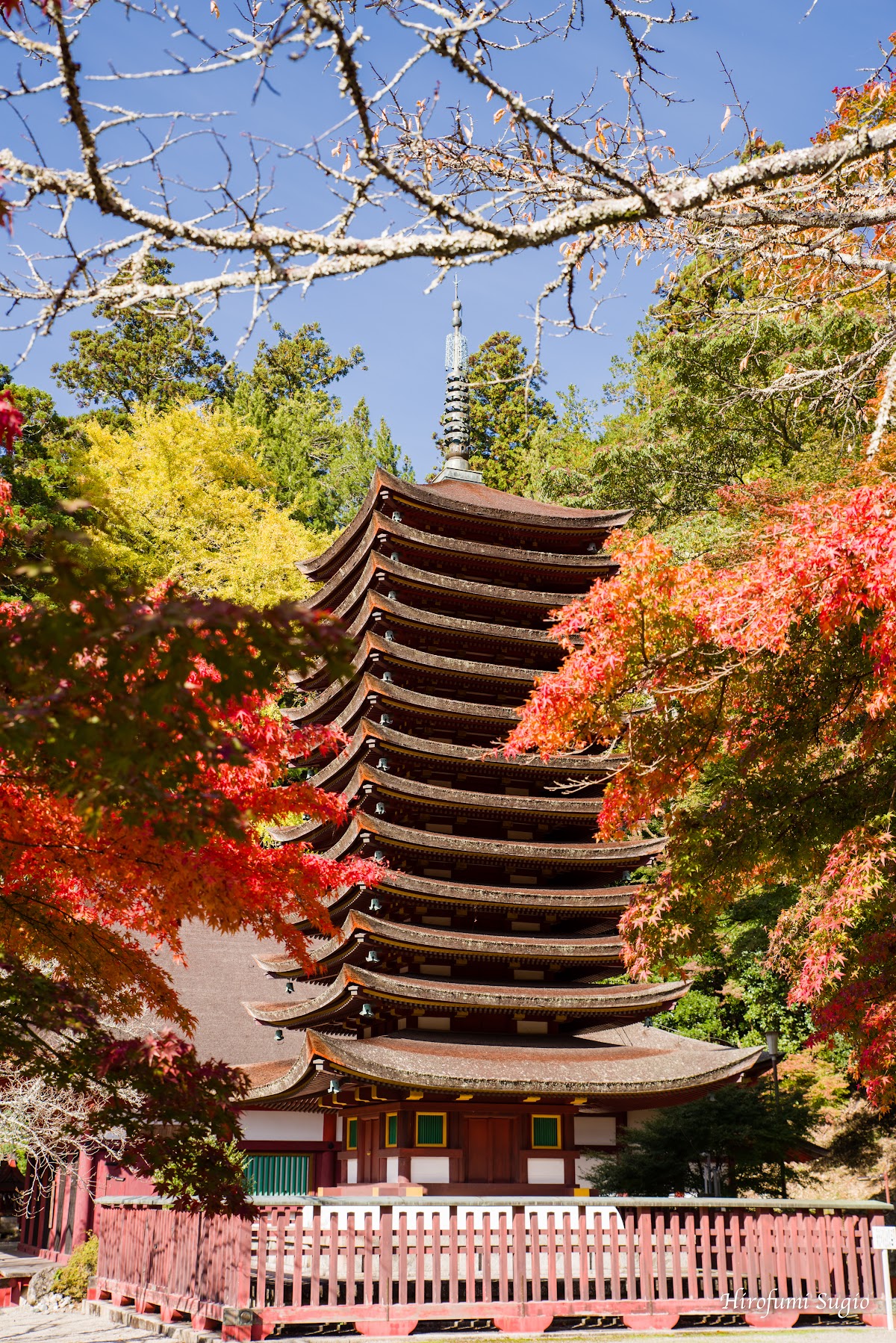
Murō-ji Temple, known as the “Women’s Kōya,” is also located in Uda City, relatively close to Sakurai City. A mountain temple famous for its five-story pagoda and rhododendrons, it is a sacred site enveloped in the pure mountain air, just like Kannonji Temple.
Mount Miwa and Ōmiwa Shrine
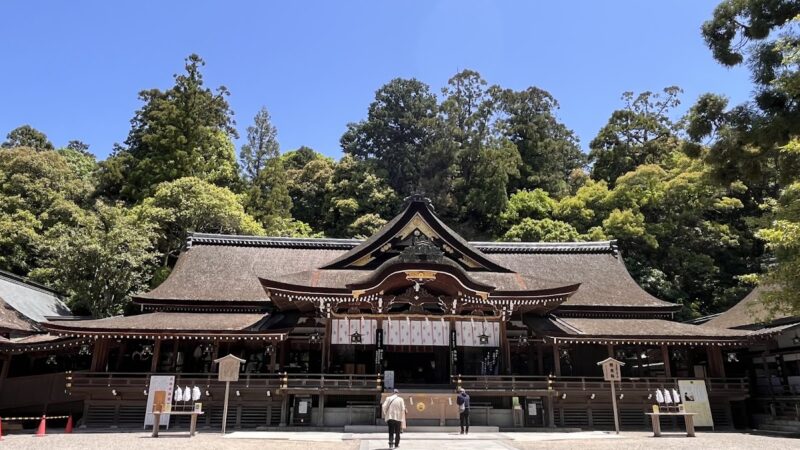
Ōmiwa Shrine, considered one of the oldest shrines in Japan, is a sacred site of ancient beliefs with Mount Miwa as its deity. Located near Sakurai Station, it’s a popular pilgrimage route often combined with a visit to Kannonji Temple.
Works set in Kannonji Temple
NHK “Yamato Amadera Shojin Nikki”
The program that made Otowayama Kannonji Temple nationally famous was “Yamato Amadera Shojin Nikki,” broadcast on NHK E-TV. In this program, the abbess, Jito, the deputy abbess, and the assistant, Macchan (Makio Mayumi), introduced their daily lives at the mountain temple.
The program captured the hearts of many viewers with its portrayal of the nuns living in harmony with nature, from preparing vegetarian meals using seasonal mountain produce, to temple events and mountain work. Although the program ended in 2018, it has maintained its enduring popularity with reruns and special episodes.
Otowayama Kannonji Temple Official YouTube Channel
Kannonji Temple has launched an official YouTube channel, where it shares the current state of the temple, the meals prepared by the head priest, and the changing seasons. Even after the program ends, it remains a valuable source of information about the daily life of Kannonji Temple.
Kannonji Temple in Every Season
Kannonji Temple in Spring
In spring, as the snow melts, the mountain is brimming with life. It’s the season when mountain vegetables sprout and various wildflowers bloom. Bracken, fiddleheads, and angelica sprouts—the bounty of spring—color the vegetarian cuisine. The path leading up through the fresh greenery is enveloped in a refreshing coolness that makes you forget the harshness of winter.
Kannonji Temple in Summer
Summer is the season when Otowayama, covered in deep green, feels most vibrant. The coolness at an altitude of 600 meters is a world away from the hot basin. The coolness of the temple grounds that unfolds after climbing amidst the cicada chorus and sweating is exceptional. ### Kannonji Temple in Autumn
Autumn is when Kannonji Temple shines most beautifully. The entire mountain is dyed in autumn colors, from the golden hues of the ginkgo trees with their leaves still attached. This is also the season when the temple receives the most visitors. Autumn harvests are abundant, with chestnuts, persimmons, mushrooms, and other mountain bounty enriching the dinner table.
Kannonji Temple in Winter
Winter at Kannonji Temple is enveloped in harsh cold, but the snow-covered grounds present a fantastical beauty. This season, with fewer visitors, is the time to truly experience tranquility. Morning prayers in the freezing air make you feel the rigor and dignity of spiritual training.
Manners and Mindset for Visiting
Kannonji Temple is a place of spiritual training and a place where nuns perform their daily religious services. When visiting the temple, please observe the following manners:
- Maintain silence: Please refrain from loud conversations and noise.
- Photography: Photography is permitted on the temple grounds, but please be considerate of privacy and obtain permission before photographing the head priest or monks.
- No unauthorized entry: Please do not enter areas where entry is prohibited.
- Respect nature: Please do not collect or damage plants.
- Greetings: Please give a slight bow to those you encounter.
Visiting a mountain temple is not merely sightseeing; it will be a deeper experience if you consider it as part of a spiritual practice to purify your mind and connect with nature.
Summary
Otowayama Kannonji Temple is a nunnery of the Yuzu Nembutsu sect located on the slopes of Mt. Otowayama in Sakurai City, Nara Prefecture. This temple is special, possessing many attractions: its location in the mountains at an altitude of 600 meters, its history as a sacred site for healing eye diseases, its ginkgo tree with leaves (a designated natural monument of Nara Prefecture), and the vegetarian cuisine and temple lodging experience featured in the “Yamato Nun’s Temple Vegetarian Diary.”
Visiting the temple requires climbing a steep mountain path of approximately 1.8 km, demanding physical strength and preparation. However, the tranquility, beautiful scenery, and heartwarming hospitality that await you at the end are well worth the effort.
Otowayama Kannonji Temple displays different expressions with each season. We highly recommend visiting this mountain temple and experiencing this special space where nature and faith harmonize. A precious time to escape the hustle and bustle of the city and regain inner peace awaits you.