Ryūunji Temple Complete Guide | A Thorough Explanation of History, Perpetual Memorial Services, Zen Meditation Sessions, and Fasting Retreats
There are several temples named “Ryūunji” throughout Japan, each with its own unique history and characteristics. This article provides a comprehensive explanation of Ryūunji temples in various locations, including Hamamatsu City, Setagaya Ward, Niigata City, Hamada City in Shimane Prefecture, and Gifu Prefecture, covering their history, sect, memorial service methods such as perpetual memorial services and tree burials, and spiritual practices such as Zen meditation sessions and fasting retreats.
What is Ryūunji Temple? | Characteristics of Zen Temples Spread Across Japan
Ryūunji temples are Zen Buddhist temples mainly belonging to the Myoshinji branch of the Rinzai school and the Sōtō school, scattered throughout Japan. Each Ryūunji temple is deeply connected to the history of its region and plays a role in transmitting Buddhist teachings to the present day.
As Zen Buddhist temples, Ryūunji temples are characterized by their emphasis on training centered on Zen meditation and their open operation to local residents. The temple houses statues of Shakyamuni Buddha and Kannon Bodhisattva as its principal deities, welcoming visitors in its tranquil grounds.
What is common to all Ryūunji temples throughout Japan is that, in addition to serving as venues for funerals and memorial services, they actively provide opportunities for modern people to engage with Buddhism through activities such as Zen meditation sessions, sutra copying sessions, and Dharma talks. As a community-oriented temple, it serves as a place for intergenerational exchange.
Ryūunji Temple in Hamamatsu City | A Temple Associated with the Imperial Family and Diverse Activities
History and Origins of Hamamatsu Ryūunji Temple
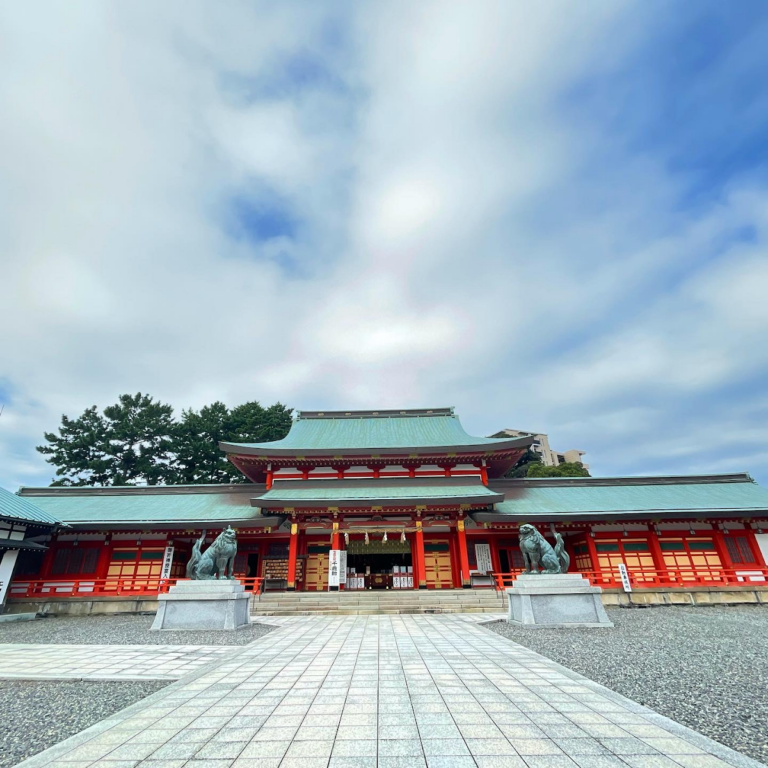
Ryūunji Temple, located in Hamamatsu City, Shizuoka Prefecture, is a prestigious temple belonging to the Myōshinji branch of the Rinzai school of Zen Buddhism. Known for its ties to the Imperial family, it has functioned as a center of local faith throughout its long history.
The temple grounds feature traditional temple buildings, including the main hall, and a garden where visitors can enjoy the beauty of nature throughout the seasons. The space, where historical buildings and modern facilities harmonize, offers peace of mind to visitors.
Comprehensive Memorial Services: Perpetual Memorial Services, Tree Burials, and Columbariums
Ryounji Temple in Hamamatsu offers a variety of memorial services to meet modern needs.
About Perpetual Memorial Services
Perpetual memorial services are a system where the temple takes responsibility for providing memorial services in perpetuity. This is suitable for those without descendants, those who find it difficult to manage a cemetery, and those who desire simple memorial services. Ryounji Temple offers various plans, from individual perpetual memorial graves to communal graves, and is always available to provide consultations tailored to individual circumstances and feelings.
Unlike traditional cemeteries, perpetual memorial services often do not require becoming a temple parishioner, offering flexibility regardless of religious affiliation. Because the cost is lower than traditional cemetery construction, it is attracting attention as an option that suits modern lifestyles.
About Tree Burials
Tree burials are a nature-oriented burial method where a tree serves as a grave marker instead of a tombstone. Ryounji Temple’s tree burials are located in a beautifully maintained corner of the temple grounds, fulfilling the desire to return to nature.
Compared to traditional cemeteries, it has a lower environmental impact and requires less maintenance. Many people appreciate being able to remember their loved ones as the trees grow and to visit while experiencing the changing seasons.
About the Hikari Columbarium
Ryūunji Temple also has a modernly designed columbarium. Being an indoor facility, it is unaffected by weather, allowing for comfortable visits at any time. Individual burial spaces are provided, offering a private space to face your loved one.
Using the columbarium is ideal for those in urban areas who find it difficult to purchase a burial plot, or those who want to reduce the burden of maintenance. For detailed pricing plans and terms of use, please consult directly with the temple to find the option that best suits your needs.
Pet Memorial Services and Funerals
We also provide memorial services for pets that have been cherished as members of the family. Our pet memorial services offer comprehensive support, from funerals and cremations to interment, carefully assisting you in saying goodbye to your beloved pet.
A dedicated pet memorial space is also available, and regular memorial services are held. Many pet owners use this service as a place to cope with the grief of losing a pet and to come to terms with their loss.
Information on Mizuko Kuyo (Memorial Service for Unborn Children)
Ryounji Temple also respectfully performs Mizuko Kuyo. We offer heartfelt memorial services for the small lives that were unable to be born due to various circumstances, and we empathize with the feelings of the families.
Mizuko Kuyo can be held individually or jointly, with consideration given to privacy. Support is also provided through Dharma talks by the head priest to alleviate emotional pain.
Fasting Retreat | Gentle Fasting with One Meal a Day
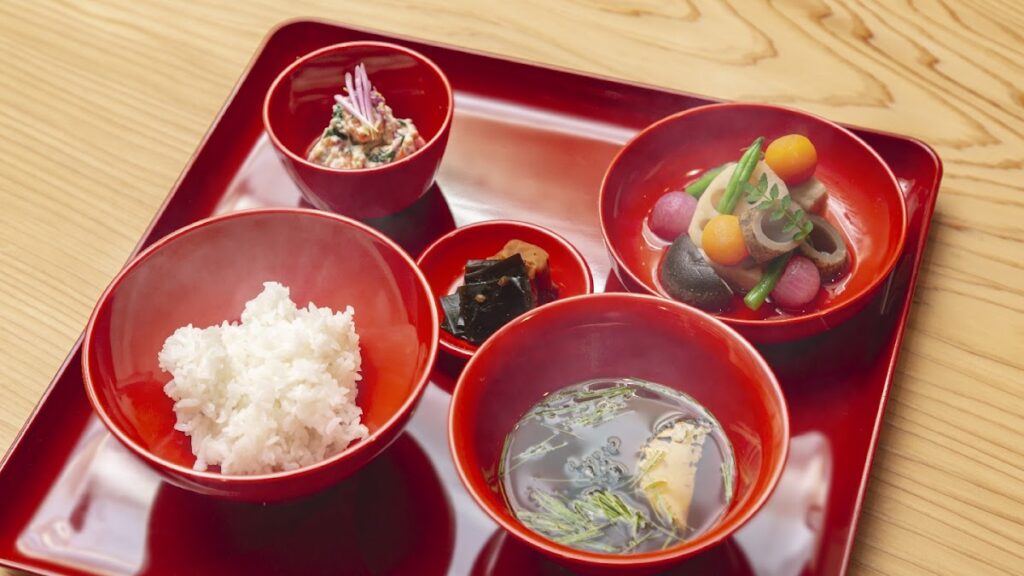
One of the distinctive activities of Hamamatsu Ryounji Temple is the operation of a fasting retreat. Here, a program is offered that aims for physical and mental detoxification and spiritual training based on the concept of “gentle fasting with one meal a day.”
What is Fasting?
In Buddhism, fasting is not simply abstaining from food, but a method of spiritual practice in which one sharpens the five senses by refraining from eating and confronting oneself. At Ryounji Temple’s fasting retreat, a step-by-step program is designed to allow even beginners to participate without difficulty.
During the fasting period, participants also engage in practices such as Zen meditation, chanting, and manual labor (cleaning), harmonizing their mind and body within a regular daily rhythm. Because the program is conducted under medical supervision, it is a safe fasting experience.
Many participants experience a refreshing change of mind and body, finding it a valuable time to escape the stresses of modern society and reflect on themselves.
Zen Meditation Sessions and Community-Oriented Activities
Ryounji Temple regularly holds Zen meditation sessions, welcoming participants of all levels, from beginners to experienced practitioners. Under the guidance of the head priest, participants learn the correct Zen meditation techniques and have time to reflect on themselves in silence.
Furthermore, the temple deepens its ties with the community through a variety of events, including calligraphy exhibitions by Shoko Kanazawa, a film festival at the temple, a children’s summer school (a one-day Zen meditation experience during summer vacation), and the matchmaking event “Kichienkai.”
Register for the Ryounji Temple Email Newsletter
Hamamatsu Ryounji Temple publishes an email newsletter that delivers the latest event information, Dharma talks, and Buddhist teachings. By registering, you can receive event information such as Zen meditation sessions and special memorial services as soon as it becomes available, and maintain a continuous connection with the temple.
You can easily register for the email newsletter from the temple’s official website and unsubscribe at any time. It is a valuable source of information for those interested in Buddhism and those who want to learn about Ryounji Temple’s activities.
Ryounji Temple in Setagaya Ward, Tokyo | A Community-Based Zen Temple
History of Setagaya Ryounji Temple
Located in Setagaya Ward, Tokyo, Ryounji Temple was founded in 1699 (Genroku 12) by Setsugai as a temple of the Myoshinji branch of the Rinzai school of Zen Buddhism. It houses a statue of the Holy Kannon Bodhisattva created by Bankei as its principal image, and is a venerable temple with a history of over 300 years.
Although damaged by the Ansei Great Earthquake of 1855 (Ansei 2), it was rebuilt and continues to be a spiritual haven for the local community to this day.
Lush Green Grounds and a Tranquil Zen Temple Atmosphere
Ryounji Temple in Setagaya, despite being in the heart of Tokyo, boasts lush green grounds and maintains a tranquil atmosphere characteristic of a Zen temple. In spring, the cherry blossoms are illuminated, attracting many visitors who enjoy the nighttime blossoms.
A rose garden is also maintained, with different flowers adorning the grounds each season. It is a beloved space for local residents, offering a peaceful escape from the hustle and bustle of the city.
Community-Based Activities | Zen Meditation Sessions, Temple Schools, and Bon Odori Dance Festivals
Setagaya Ryounji Temple engages in various community-based activities. In addition to regular Zen meditation sessions and Dharma talks, it provides opportunities for intergenerational exchange through children’s temple school programs and summer Bon Odori dance festivals.
Through these activities, temples are fulfilling roles not merely as religious institutions, but as centers of the local community.
Ryūunji Temple, Niigata City | An Ancient Temple with Over 800 Years of History
Ryūunji Temple, located in Numataru-Higashi, Chuo-ku, Niigata City, is an ancient temple with over 800 years of history, said to have been founded during the time of Minamoto no Yoritomo. Throughout its long history, it has been a source of spiritual support for the local people.
Ryūunji Temple in Niigata is closely intertwined with the history of the region, and its grounds preserve cultural assets of historical value. Despite the changing times, it continues to uphold Buddhist teachings, attracting the faith of the local community.
Ryūunji Temple, Hamada City, Shimane Prefecture | A Temple Praying for World Peace
Overview of Kaizōzan Ryūunji Temple
Ryūunji Temple, located in Misumi-cho, Hamada City, Shimane Prefecture, is a Sōtō Zen temple with the mountain name Kaizōzan and the principal image being Shakyamuni Buddha. Known as a “temple praying for world peace,” it engages in unique peace activities.
Tower of Peace and Bell of Peace
Within the grounds of Ryūunji Temple stands the “Tower of Peace,” inscribed with prayers for peace in 48 languages from around the world. There is also the “Bell of Peace,” the first bell of its kind in Japan to be built across sectarian boundaries after World War II, making it a symbolic representation of prayers for peace.
These facilities represent the temple’s strong commitment to conveying the horrors of war to future generations and praying for lasting peace.
Main Hall and Historic Buildings
The main hall was donated and relocated from Chōan-in Temple, the family temple of the Hamada domain lord, and features magnificent ceiling decorations. As a building of high historical value, it holds an important position as a regional cultural asset.
An Open Temple that Always Welcomes Zen Practitioners
Ryūunji Temple in Shimane Prefecture generally welcomes Zen practitioners at any time. Those who have learned the proper etiquette in the Zen meditation hall are provided with an environment for free Zen practice, supporting those who seriously aspire to spiritual training.
Ryūunji Temple in Gifu Prefecture | Bishamonten, one of the Gifu Seven Lucky Gods
Ryūunji Temple in Gifu Prefecture was once devastated during Oda Nobunaga’s invasion of Mino Province, but was later rebuilt in its current location.
As one of the “Gifu Seven Lucky Gods” established in 2012, Bishamonten is enshrined here. It is a popular temple visited by many as a pilgrimage site for the Seven Lucky Gods.
Bishamonten is worshipped as the god of military fortune and wealth, and the temple is constantly visited by people praying for business prosperity and family safety.
Funerals and Memorial Services at Ryūunji Temple
Simple and Heartfelt Funerals
Ryūunji Temples throughout the region conduct funerals that respect the feelings of the deceased and their families. Based on the teachings of Zen Buddhism, these simple yet solemn funerals, free from formalities, provide an essential time to remember the deceased.
The head priest carefully explains the meaning of the funeral, ensuring that the bereaved family can send off their loved one in a way that is acceptable to them. The scale and format of the funeral are flexibly accommodated through prior consultation.
Memorial Services and Annual Memorial Services
Various memorial services are held, from the seventh day to the forty-ninth day, the first anniversary, the third anniversary, and so on. These services pray for the repose of the deceased and serve as important milestones for the bereaved family to overcome their grief and move forward in life.
Opportunities to learn about the Buddhist view of life and death and the meaning of life are also provided through sermons by the head priest.
Zen Meditation Sessions at Ryounji Temple | A Training Experience for Beginners
Zen Meditation Session Content and Time
Many Ryounji temples regularly hold Zen meditation sessions that are easy for beginners to participate in. They are usually held early in the morning and consist of a program of about one to two hours.
Basic Zen meditation etiquette, breathing techniques, and posture are carefully instructed, so even first-timers can participate with confidence. Through Zen meditation, you can confront yourself and experience a quiet time away from the hustle and bustle of everyday life.
Effects of Zen Meditation
Zen meditation offers various benefits, including improved concentration, stress reduction, and mental stability. For people living busy lives in modern society, Zen meditation is a valuable opportunity to reflect on oneself.
It is said that by continuously participating in Zen meditation sessions, it becomes easier to maintain peace of mind in daily life and to deal with things calmly.
Access and Visiting Information for Ryounji Temple
Visiting Hours and Admission Fees
Visiting hours and admission fees vary depending on the Ryounji temple, but many temples are open for free visits during daytime hours. Admission fees may be required for special events or exhibitions.
It is recommended to check the official website or call in advance. Also, there may be days when visits are not possible due to religious services or events, so prior confirmation is important if you are visiting from afar.
Access to Ryounji Temples in Various Locations
Ryounji Temple in Hamamatsu City is accessible by public transport or private car. Detailed transportation information can be found on the official website.
Ryūunji Temple in Setagaya Ward is easily accessible from central Tokyo and is within walking distance of the nearest station.
Ryūunji Temples in Niigata City, Shimane Prefecture, and Gifu Prefecture are also accessible using local transportation networks.
Buddhist Teachings Learned at Ryūunji Temple
Zen Teachings and Practice
Ryūunji Temple belongs to the Rinzai and Sōtō schools, which are Zen schools centered on seated meditation (zazen). Zen teachings emphasize learning through practice rather than verbal explanations.
As the phrase “shikan taza” (just sitting) suggests, it is believed that by simply and wholeheartedly practicing zazen, one can become aware of one’s true nature and attain enlightenment.
Buddhism in Modern Life
Ryūunji Temple offers ways to apply ancient Buddhist teachings to modern life. In Dharma talks by the head priest, you can receive advice from a Buddhist perspective on everyday worries and problems.
Through the activities of Ryūunji Temple, we can truly experience that Buddhism is not at all difficult to understand, but rather a practical teaching closely related to our lives.
Ryūunji Temple’s Connection to the Local Community
As a Center of the Local Community
Ryūunji Temples in various locations play a central role in their local communities, going beyond mere religious institutions. They provide a space for intergenerational exchange through seasonal events, cultural events, and educational activities.
The Terakoya (temple school) program teaches children manners and morals, supporting their healthy development. They also hold gatherings for the elderly, fulfilling a social function to prevent isolation.
Cultural Inheritance and Development
Ryūunji Temple is also committed to the inheritance of traditional culture. They provide opportunities to learn Japanese culture such as calligraphy, tea ceremony, and flower arrangement, supporting the transmission of culture to younger generations.
Events that fuse contemporary art and Buddhism, such as Shoko Kanazawa’s calligraphy exhibition, are excellent examples of the harmony between tradition and innovation.
Summary | Finding Peace of Mind at Ryounji Temple
Ryounji temples, located throughout Japan, each possess their own unique history and characteristics, yet they all share the common goal of providing a “place of peace of mind.” They offer a diverse range of services, from modern forms of memorial services such as perpetual memorial services and tree burials, to traditional practices like Zen meditation and fasting retreats, catering to a variety of needs.
As temples deeply rooted in their communities, they provide opportunities to engage with Buddhism on a daily basis, beyond funerals and memorial services, demonstrating a new role for temples in modern society.
Visiting a Ryounji temple allows you to escape the hustle and bustle of everyday life and have precious time to reflect on yourself. Through Zen meditation, Dharma talks, and walks in the lush temple grounds, you can regain inner peace and reaffirm the meaning of life.
For detailed information on each Ryounji temple and the latest event announcements, we recommend checking their respective official websites or email newsletters. They are always open and welcoming, accepting consultations and inquiries, and are easily accessible to many people.