Complete Guide to Sakihama Hachimangu Shrine (Muroto City, Kochi Prefecture) | History, Deities, Festivals, and Access Information
About Sakihama Hachimangu Shrine
Sakihama Hachimangu Shrine is a historic shrine located at 5621 Sakihama-cho, Muroto City, Kochi Prefecture. Situated in the heart of the Sakihama district, facing the Pacific Ocean in the eastern part of Muroto City, it boasts a history of nearly 800 years as a center of local faith.
It is said to have been established in 1232 (Tenpuku 1) by inviting a deity from Iwashimizu Hachimangu Shrine in Otokoyama, Kyoto, and since then, it has been deeply revered by the local residents as the guardian deity of Sakihama. In Sakihama, which prospered as a fishing town, it has been a spiritual haven for people praying for safety at sea, abundant catches, and family safety.
The current Sakihama-cho was an independent municipality as Sakihama-cho, Aki District, until its merger with Muroto City on March 1, 1959 (Showa 34). As the central shrine of the area, Sakihama Hachimangu Shrine symbolizes the region’s identity.
History of Sakihama Hachimangu Shrine
Origin of Founding
Sakihama Hachimangu Shrine is said to have been founded in Tenpuku 1 (1232). During this period, which corresponds to the early Kamakura period, the Hachiman deity was invited from Iwashimizu Hachimangu Shrine (Yawata City, Kyoto Prefecture) and enshrined in Sakihama.
Iwashimizu Hachimangu Shrine, founded in Jogan 1 (859) during the early Heian period, is one of the head shrines of all Hachiman shrines nationwide. It was widely revered by people from the imperial court to the common people as a god of war and protection of the nation. The fact that a divided spirit of this deity was welcomed to Sakihama indicates that the region possessed a certain level of economic strength and cultural foundation at that time.
History with the Community
Sakihama is a port town that has developed around fishing since ancient times. Skipjack tuna and sardine fishing were thriving industries, and during the Edo period, it flourished as one of the important fishing bases of the Tosa Domain. Sakihama Hachimangu Shrine has been deeply rooted in the local community as a shrine where people engaged in these fishing activities prayed for safety at sea and abundant catches.
Even after the Meiji-era separation of Shinto and Buddhism, it continued to exist as the local tutelary shrine, and through the Showa-era mergers, it has continued to function as a spiritual pillar of the Sakihama district to this day.
Deities Enshrined
The deities enshrined at Sakihama Hachimangu Shrine are the following three deities, known as Hachiman-jin:
Emperor Ojin
The 15th Emperor and the central deity of Hachiman-jin. He is revered as a god of military fortune and national protection, and is also worshipped as a god who brings about industrial development and cultural advancement.
Himegami (Princess Goddess)
A goddess associated with Hachiman, she is believed to represent the three Munakata goddesses (Takitsuhime-no-Mikoto, Ichikishimahime-no-Mikoto, and Takirihime-no-Mikoto). As a guardian deity of maritime and traffic safety, she holds particular significance in Sakihama, a fishing town.
Empress Jingu
The mother goddess of Emperor Ojin, she is worshipped as the goddess of safe childbirth and child-rearing. She is also revered as a goddess of martial prowess due to the legend of her conquest of the Three Kingdoms of Korea.
These three deities are worshipped together as the “Three Hachiman Gods,” and are believed to bestow a wide range of divine blessings, including military success, national peace and security, maritime safety, family safety, and safe childbirth and child-rearing.
Highlights of the Shrine Grounds
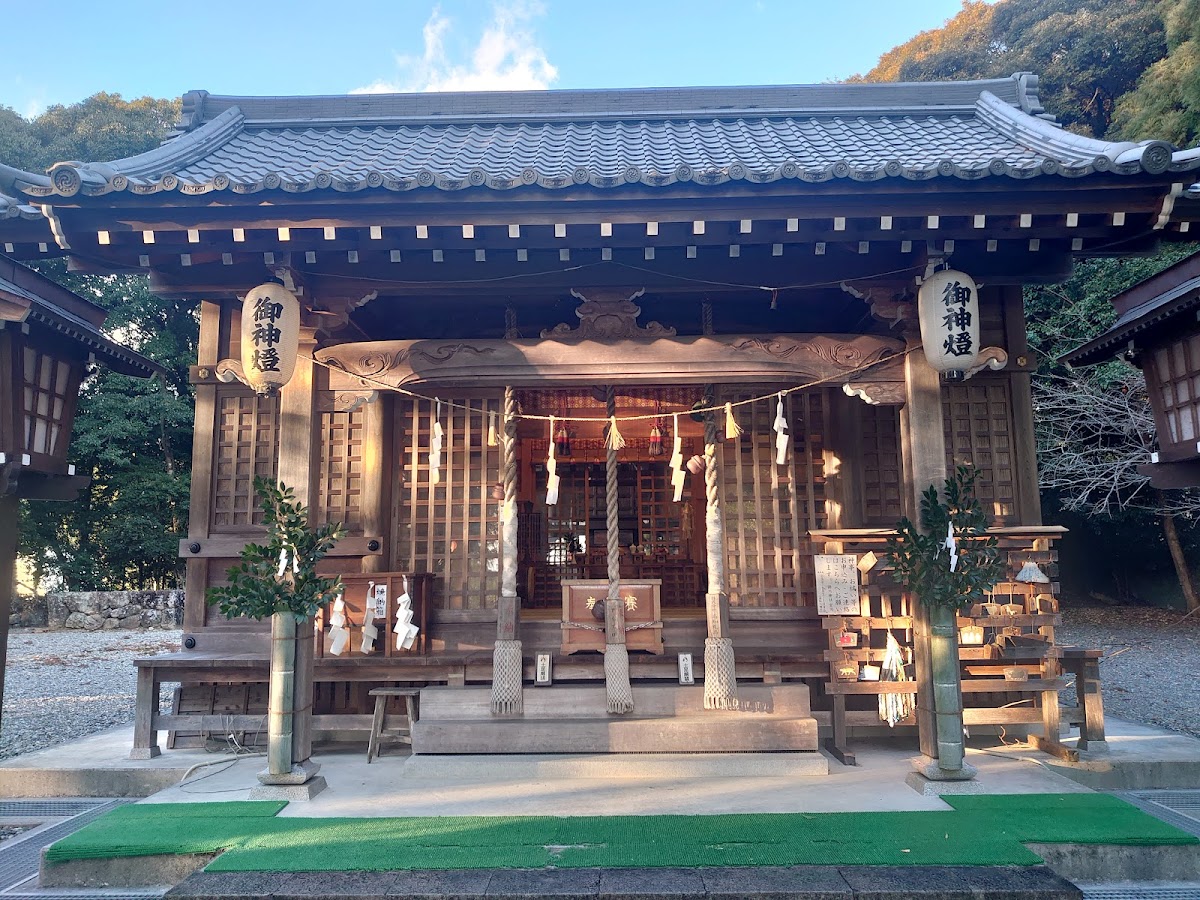
Main Hall and Worship Hall
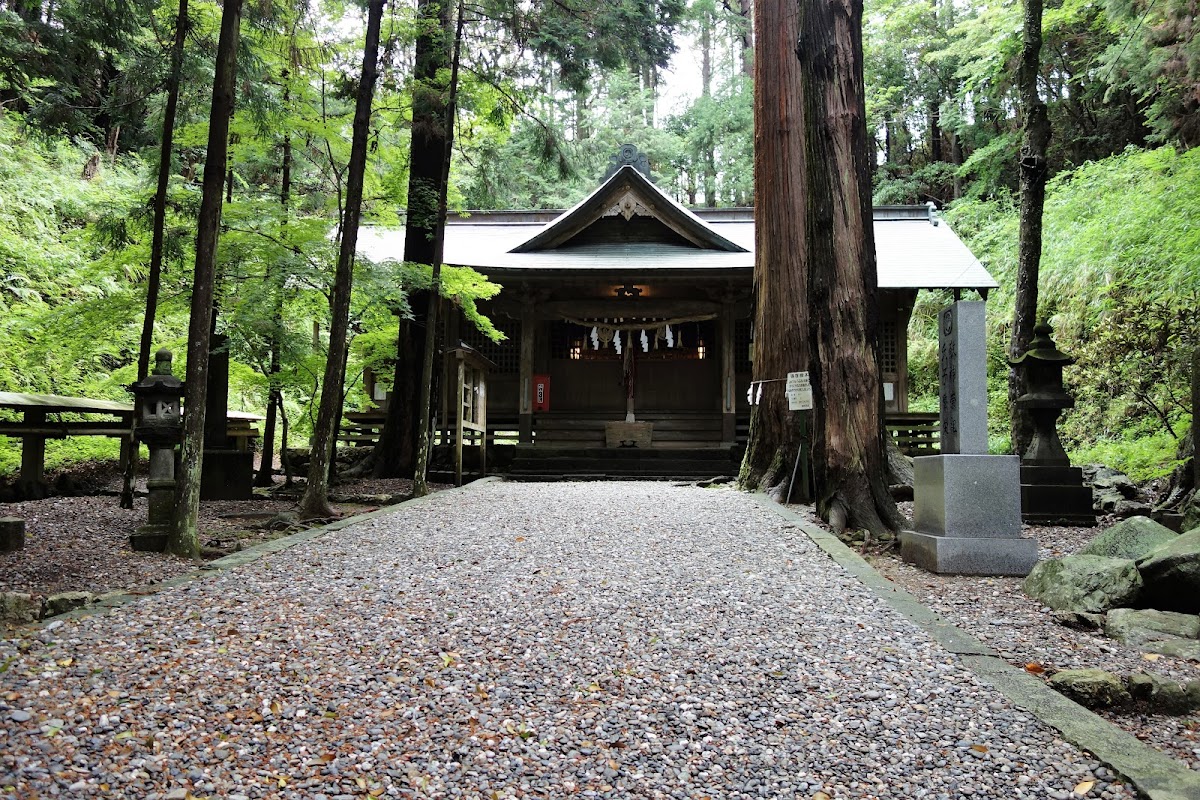
The main hall and worship hall of Sakihama Hachiman Shrine preserve the traditional style of shrine architecture. The shrine buildings, having withstood the sea breezes from the Pacific Ocean, quietly tell the story of the region’s history.
At the worship hall, local residents and worshippers can be seen offering their daily gratitude and prayers. Especially during festivals, many parishioners gather, creating a lively atmosphere.
Atmosphere of the Shrine Grounds
Located in the heart of Sakihama town, the shrine grounds are a central hub for the local community. A sacred atmosphere permeates the quiet grounds, offering peace to visitors.
List of Festivals and Events
Sakihama Hachimangu Grand Festival
The most important festival of Sakihama Hachimangu Shrine is the “Sakihama Hachimangu Grand Festival,” held annually on October 9th and 10th. This festival is known as an autumn tradition in Muroto City and is celebrated with the participation of all local residents.
During the grand festival, a portable shrine procession, devotional performances, and stalls are set up, immersing the entire town of Sakihama in the festive spirit. People from out of town who live far away return home to enjoy their hometown festivals.
Annual Events (Planned for 2026)
- January 1st: New Year’s Day Festival (Saitansai) – Celebrating the New Year and praying for peace throughout the year
- February (Setsubun): Setsubun Festival – Praying for protection from evil and good fortune
- Spring: Spring Festival – Praying for a bountiful harvest and safety at sea
- July: Summer Purification Ceremony – A Shinto ritual to cleanse away the impurities accumulated over the past six months
- October 9th & 10th: Autumn Grand Festival (Sakihama Hachimangu Grand Festival) – The largest festival of the year
- November: Shichi-Go-San Ceremony – Giving thanks for children’s growth and praying for their continued healthy development
- December: Year-End Purification Ceremony – A Shinto ritual to purify and cleanse away the impurities accumulated over the past year.
*Please note that the event schedule may change, so we recommend checking before your visit.
Location Information
Address
5621 Sakihama-cho, Muroto City, Kochi Prefecture 781-7220
Sakihama Hachimangu Shrine is located in the eastern part of Muroto City, in the heart of the Sakihama district. Sakihama-cho is a fishing town facing the Pacific Ocean, located northeast of Cape Muroto.
Surrounding Environment
The area surrounding the shrine is lined with Sakihama Junior High School, shops, and private houses, making it the center of the local community. Within walking distance, there are several other shrines, including Hamamiya Shrine, Nitta Shrine, and Kotohira Shrine, reflecting the deep faith of the Sakihama district.
Access Information
Nearest Bus Stop and Route
Sakihama Junior High School Bus Stop: Approximately 1 minute walk (approx. 37m)
The nearest bus stop to Sakihama Hachimangu Shrine is “Sakihama Junior High School,” which is just a 1-minute walk from the shrine. This is a very convenient location for visitors using public transportation.
Other nearby bus stops:
- Nemaru Bus Stop
- Nemaruzaka Bus Stop
Kochi Eastern Transportation’s bus routes connect the Sakihama area. Access is possible from central Muroto City and the Aki area.
Access by Car
- From Kochi City: Approximately 2 hours 30 minutes east on National Route 55
- From Aki City: Approximately 1 hour east on National Route 55
- From Cape Muroto: Approximately 30 minutes northeast on National Route 55
*We recommend checking the availability of parking in advance.
Access by Public Transportation
Direct public transportation from Kochi City to Sakihama is limited, so access by private car or rental car is more convenient. If using public transportation, take a Kochi Eastern Transportation bus and get off at the Sakihama Junior High School bus stop.
About Muroto City and Sakihama Town
Overview of Muroto City
Muroto City is located at the southeastern tip of Kochi Prefecture and is known for Cape Muroto, which juts out into the Pacific Ocean. In 2011, it was designated a “Muroto UNESCO Global Geopark,” attracting international attention as a geologically valuable area.
The population is approximately 12,000 (as of 2024), and while fishing is the main industry, tourism is also an important industry.
History and Present of Sakihama Town
Sakihama Town was an independent municipality in Aki District until March 1, 1959 (Showa 34), when it merged with Muroto Town, Muroto Cape Town, Kiragawa Town, and Hane Village to form Muroto City.
As of March 31, 2015, the population was 1,510, and the postal code was 781-7220. Historically, it flourished as a base for bonito fishing, and fishing remains the main industry today.
There are several theories about the origin of the name Sakihama, but one theory suggests it means “beach of happiness,” making it a beloved name among the local people.
Nearby Shrines and Tourist Spots
Nearby Shrines
- Hamamiya Shrine: Located near Sakihama Hachimangu Shrine
- Nitta Shrine: Located within Sakihama Town
- Kotohira Shrine: Located within Sakihama Town
- Mita Hachimangu Shrine: Another Hachimangu Shrine within Muroto City
- Murotsu Shrine: One of Muroto City’s representative shrines
Tourist Spots in Muroto City
- Muroto Cape: A national scenic spot, the center of Muroto-Anan Coast National Park
- Hotsumisaki-ji Temple: The 24th temple of the Shikoku 88 Temple Pilgrimage
- Muroto World Geopark Center: A facility where you can learn about the workings of the Earth
- Kiragawa Townscape: Important Preservation District for Groups of Traditional Buildings
Manners and Etiquette for Worship
Basic Worship Etiquette
- Bow before passing through the torii gate: Bow lightly before entering the sacred area.
- Purify yourself at the water basin: Purify your left hand, right hand, and mouth in that order.
- Worship at the main hall: The basic procedure is two bows, two claps, and one bow (two bows, two claps, one bow).
- Bow upon leaving: When leaving the torii gate, turn around and bow.
Regarding attire
There are no specific dress code requirements, but please be mindful that this is a sacred place and dress cleanly and respectfully.
Divine Virtues of Sakihama Hachimangu Shrine
Sakihama Hachimangu Shrine is believed to possess the following divine virtues:
- Maritime Safety: Protecting the safety of fishermen and those involved with ships.
- Prayer for Abundant Catch: Granting a bountiful harvest.
- Family Safety: Protecting the peace and health of the family.
- Protection from Misfortune and Bringing Good Fortune: Warding off disasters and inviting good fortune.
- Safe Childbirth and Child-Rearing: Watching over safe childbirth and the healthy growth of children.
- Long-Lasting Military Fortune: Supporting success in competitions and contests.
- Business Prosperity: Assisting in the development and prosperity of businesses.
Especially in Sakihama, a fishing town, the divine blessings of maritime safety and prayers for abundant catches hold great significance for the local residents.
About Goshuin (Shrine Seals)
We recommend checking in advance regarding the issuance of Goshuin at the shrine. Please understand that Goshuin are proof of worship, not a stamp rally, and receive them with respect.
It is important to bring your Goshuincho (seal book) and make your request politely.
Points to Note When Visiting Sakihama Hachimangu Shrine
Visiting Hours
While you can generally visit the shrine grounds freely, the shrine office’s operating hours may be limited. If you wish to receive prayers or a Goshuin (shrine stamp), it is recommended to contact the shrine in advance to confirm.
Visiting During Festivals
The shrine is bustling with many visitors during the grand festival in October. Visiting during this time allows you to experience the atmosphere of a traditional local festival, but parking lots and surrounding roads may be congested.
Considering the Weather
Muroto City is located in the path of typhoons, and severe weather is common, especially from summer to autumn. Please check weather forecasts when planning your visit.
Culture and Traditions of the Sakihama Area
Fishing Culture
Sakihama has long been known as a base for bonito fishing, and the technique of single-line fishing has been passed down through generations. Fishing remains an important industry in the region, and fresh seafood is landed here.
Local Food Culture
You can enjoy dishes made with fresh seafood. In particular, katsuo no tataki (seared bonito) is a representative local dish of Kochi Prefecture, and can be enjoyed deliciously in Sakihama.
Community Bonds
The community bonds are maintained through festivals and events centered around Sakihama Hachimangu Shrine. Even amidst depopulation, the residents continue their efforts to preserve traditions.
Summary
Sakihama Hachimangu Shrine is a historical shrine that has been rooted in the community for approximately 800 years since its founding in Tenpuku 1 (1232), serving as the tutelary shrine of Sakihama-cho, Muroto City, Kochi Prefecture. It enshrines Hachiman, the deity invited from Iwashimizu Hachimangu Shrine, and is known for its divine blessings of maritime safety, abundant catches, and family safety.
The Sakihama Hachimangu Grand Festival, held annually on October 9th and 10th, is the largest event in the region, attracting many people. Conveniently located just a one-minute walk from the Sakihama Junior High School bus stop, the shrine offers an easily accessible environment for worship.
When visiting Muroto City, along with Cape Muroto and the World Geopark, be sure to visit Sakihama Hachimangu Shrine, the heart of local faith and culture. You will be able to experience the history of Sakihama, a town that flourished as a fishing village, and the traditions that still thrive there today.
In this quiet port town facing the Pacific Ocean, this 800-year-old shrine continues to watch over the community.