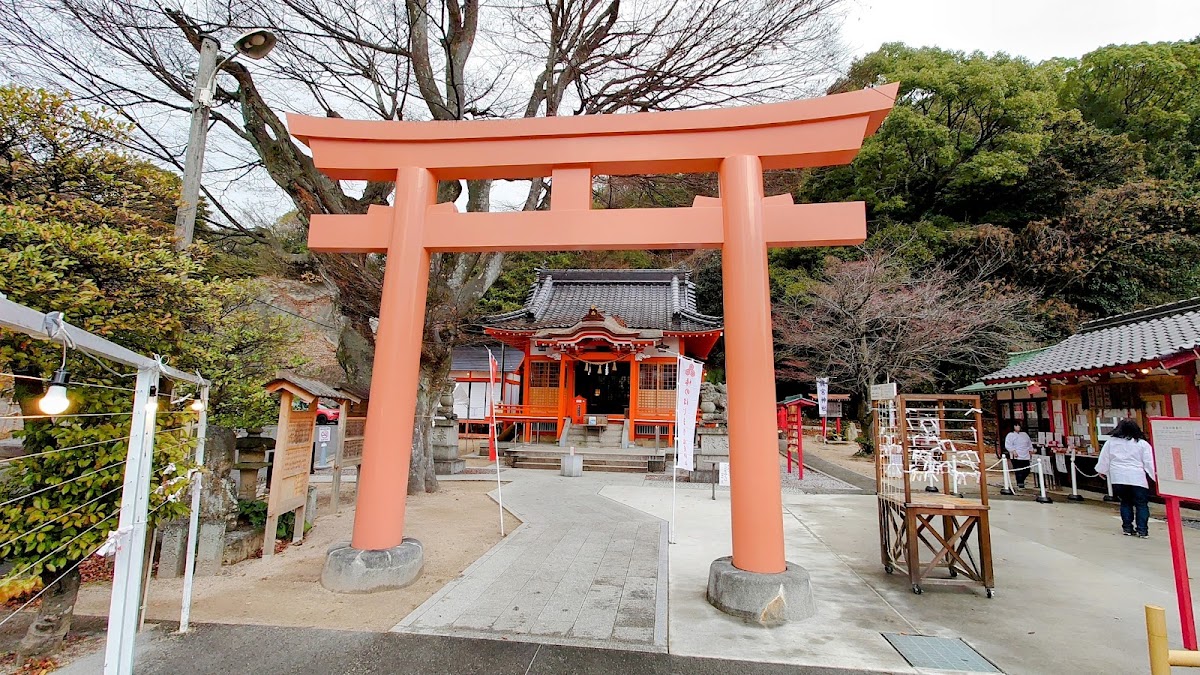
Saruya Shrine (Hiroshima Prefecture) Complete Guide | History, Blessings, Access, and Goshuin Information
Saruya Shrine, located in Hiroshima Prefecture, is a shrine that has been cherished by the local people for centuries. This article provides detailed information useful for those considering visiting Saruya Shrine, including its history, origins, blessings, highlights within the grounds, access methods, and Goshuin information.
What is Saruya Shrine?
Saruya Shrine is a shrine located in Hiroshima Prefecture, with a long history as a guardian deity of the region. The distinctive name “Saruya” is deeply connected to the shrine’s history and local traditions, and has attracted the faith of local people since ancient times.
Because the shrine’s name includes “saru” (monkey), there is a possibility that legends and beliefs related to monkeys exist, which can be considered a form of animal worship found throughout Japan. Monkeys have often been considered messengers of the gods since ancient times and are animals deeply associated with mountain worship and agricultural worship.
History and Origins of Saruya Shrine
History of Founding
While the exact founding date of Saruya Shrine is unclear due to limited historical records, local oral traditions and documents suggest it has been worshipped since ancient times.
Hiroshima Prefecture flourished as a key point for maritime traffic in the Seto Inland Sea from ancient to medieval times, and many shrines were founded there. Saruya Shrine is believed to have played an important role in this historical context, serving as a place to pray for regional safety and abundant harvests.
Origin of the Shrine’s Name
Several theories exist regarding the origin of the name “Saruya.”
One theory suggests it was named after the large number of monkeys that once inhabited the area. In mountainous and forested regions, monkeys were common and sometimes revered as messengers of the gods protecting crops.
Another theory suggests that “Saruya” may be related to the direction of the monkey (“saru”) or the Chinese zodiac. Beliefs based on direction and the calendar were highly important in ancient Japan.
Furthermore, there is a theory that the name originates from the topography or place name, and it is possible that it is a corrupted form of the word “saru” (monkey). In place name research, there are many cases where the original meaning becomes unclear due to phonetic changes.
Changes over Time
Saruya Shrine has experienced various changes over time. During the Sengoku period (Warring States period), Hiroshima Prefecture was under the control of powerful daimyo such as the Mori clan, and the shrine sometimes received the patronage of samurai families.
During the Edo period, it is presumed that the shrine functioned as the local tutelary deity under the rule of the Hiroshima domain, and regular festivals were held. While it may have been affected by the Meiji-era separation of Shinto and Buddhism and the shrine consolidation policy, it continued to exist as a center of local faith.
Even in modern times, it has maintained its connection with local residents through festivals and annual events, serving as a spiritual pillar of the local community.
Deities and Benefits
Deities
The deities enshrined at Saruya Shrine may vary depending on the shrine’s history and local traditions, but generally, it is believed that the shrine enshrines gods who protect the region.
Many shrines in Hiroshima Prefecture enshrine Susanoo-no-Mikoto, Okuninushi-no-Mikoto, and Sarutahiko-no-Mikoto, and Saruya Shrine may also enshrine one or more of these gods.
In particular, Sarutahiko-no-Mikoto, whose name includes the character for “monkey,” may have a strong connection to Saruya Shrine. Sarutahiko-no-Mikoto is known as the god of opening paths and guidance, and is considered a god who protects the success of new businesses and safe travels.
Benefits and Divine Virtues
The following are some of the benefits you can expect from Saruya Shrine:
Family Safety and Community Protection
As the local guardian deity, it is believed to offer blessings for the health of families and the peace of the community.
Abundant Harvest and Business Prosperity
As a place to pray for the development of agriculture and commerce, worshippers visit to pray for a bountiful harvest and business success.
Protection from Misfortune and Disaster
It is believed to offer blessings for severing bad relationships and protecting oneself from disaster.
Opening the Way and Protection from Misfortune
If Sarutahiko-no-Mikoto is enshrined, it is believed to offer blessings for opening the path of life and guiding one in the right direction.
Matchmaking
It is also believed to offer blessings for forming good relationships, and worshippers pray for good encounters and connections with people.
Highlights of the Shrine Grounds
Main Hall and Worship Hall
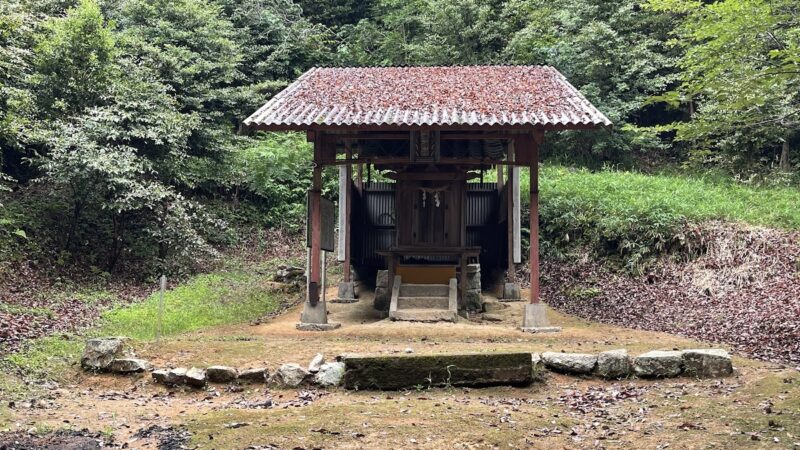
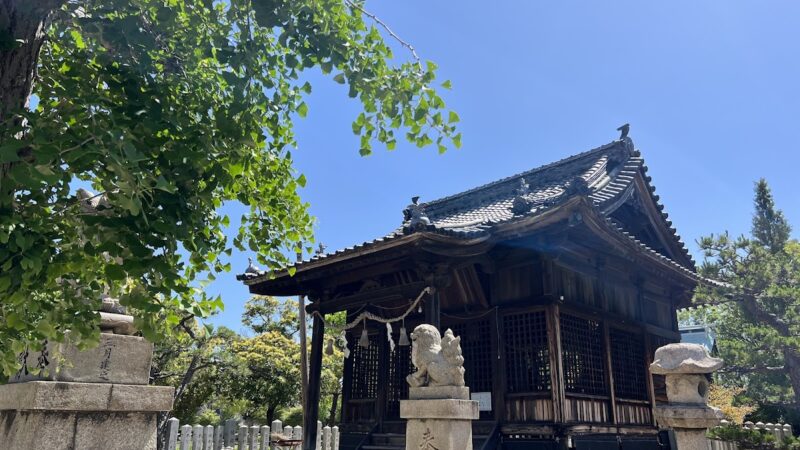
The main hall and worship hall of Saruya Shrine maintain the traditional style of shrine architecture while reflecting the characteristics of the region. The warmth of the wooden architecture and the sacred atmosphere refined by years of faith welcome visitors.
The worship hall is where daily prayers and supplications are offered, and it is especially bustling with many worshippers during New Year’s and the annual festival.
Subsidiary Shrines and Auxiliary Shrines
Several subsidiary shrines and auxiliary shrines may be enshrined around the main hall. Each of these small shrines enshrines a different deity, and visitors can pray for various blessings.
Sacred Trees and Nature
Like many shrines, Saruya Shrine may have sacred trees or ancient trees. These trees, having stood for many years, are living witnesses to the shrine’s history and are cherished by visitors as sacred power spots.
The natural environment of the shrine grounds is also one of its charms. Visitors can enjoy the changing seasons and the flowers and trees while spending peaceful time there.
Stone Monuments and Memorials
Stone monuments and memorials commemorating the history of the shrine and local events may be erected within the shrine grounds. These are valuable historical documents for understanding the history of the shrine.
Annual Events and Festivals
Grand Festival
Saruya Shrine holds various festivals throughout the year. The most important festival, the Grand Festival, is held on a day commemorating the shrine’s founding and the enshrined deity, and local residents gather to offer thanks and prayers to the gods.
During the Grand Festival, a procession of portable shrines and devotional performances may take place after the Shinto rituals, making it an important opportunity to pass on the region’s traditional culture.
New Year’s Events
The shrine is bustling with worshippers during the New Year’s period. People visit to give thanks for a year of safety and pray for peace and happiness in the new year.
During the New Year’s period, lucky charms such as amulets, protective arrows, and rakes are given out, and sometimes sweet sake is served.
Other Annual Events
In spring, there may be festivals related to agriculture, such as the Kinensai (harvest festival) praying for a bountiful harvest, and in autumn, the Niinamesai (harvest festival) giving thanks for the harvest. Seasonal events such as the Setsubun Festival and the Natsukoshi no Oharae (summer purification ceremony) are also important.
Goshuin and Amulet Information
About Goshuin
In recent years, collecting goshuin (temple/shrine stamps) has become a popular pastime for shrine visits. While it may be possible to obtain a goshuin at Saruya Shrine, smaller shrines may not have a resident priest.
If you wish to receive a goshuin, it is recommended to inquire with the shrine in advance or visit during a festival or other event. Please understand that a goshuin is proof of worship, not a stamp rally, and receive it with respect.
Amulets and Souvenirs
Saruya Shrine may offer a variety of amulets and souvenirs. Generally, the following are available:
- Exorcism Amulet: An amulet to ward off misfortune and bad luck
- Traffic Safety Amulet: An amulet to ensure the safety of cars and bicycles
- Academic Success Amulet: An amulet to pray for academic success
- Health Amulet: An amulet to pray for health and longevity
- Matchmaking Amulet: An amulet to pray for a good match
Amulets are believed to contain a divided spirit of the gods, and it is believed that wearing them at all times will bring protection.
Access and Visiting Information
Location
Saruya Shrine is located in Hiroshima Prefecture, but it is recommended to check the latest information regarding the specific address before visiting.
Transportation Access
Using Public Transportation
The most common route is to take a bus or taxi from the nearest station. There may also be bus routes operating from major stations in Hiroshima Prefecture, so check the timetable in advance.
Using a Car
If accessing by car from Hiroshima City or nearby major cities, you can enter the shrine name or address into your car navigation system. If the shrine is located in a mountainous area or residential area, the roads may be narrow, so driving requires caution.
Parking
The availability and size of parking vary depending on the size of the shrine. Smaller shrines may not have dedicated parking, so please consider using nearby coin-operated parking lots or public transportation.
Temporary parking may be provided during events such as annual festivals.
Visiting Hours
While the shrine grounds are generally open 24 hours for worship, the shrine office hours are limited. If you wish to receive a Goshuin (shrine stamp) or amulet, it is recommended to visit during daytime hours.
Generally, shrine offices are open from 9:00 AM to around 5:00 PM, but this varies by shrine, so it is advisable to check in advance.
Admission Fee
Visiting a shrine is generally free. However, if you wish to receive special prayers or purification rituals, a first offering fee (tamagushi fee) is required. The amount varies depending on the content of the prayer, so please inquire in advance.
Manners and Etiquette for Visiting a Shrine
How to Pass Through the Torii Gate
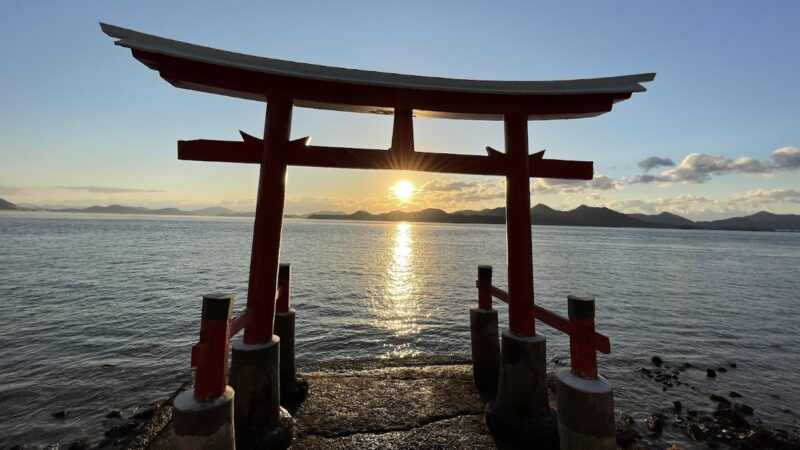
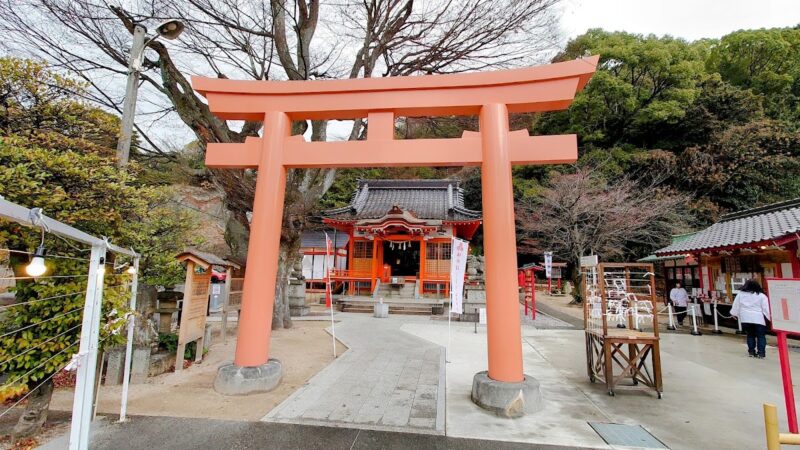
Upon visiting a shrine, first bow before the torii gate. The torii gate is the entrance to the sacred area, and beyond it lies a holy place where the gods reside. When passing through the torii gate, it is considered proper etiquette to avoid the center and pass to either the left or right.
How to Wash Your Hands at the Water Basin
As you proceed along the approach to the shrine, you will find a water basin (chozuya/temizuya). Cleanse your body and mind here before praying.
- Take the ladle with your right hand and wash your left hand.
- Switch the ladle to your left hand and wash your right hand.
- Take the ladle back into your right hand, receive water in your left hand, and rinse your mouth (do not put your mouth directly on the ladle).
- Wash your left hand again (the hand that you used to rinse your mouth).
- Hold the ladle upright and pour water over the handle to cleanse it.
- Return the ladle to its original position.
Proper Etiquette for Worshiping at the Shrine
The basic etiquette for worshipping in front of the shrine is “two bows, two claps, and one bow.”
- Place your offering in the offering box (do not throw it in, place it gently).
- If there is a bell, ring it.
- Bow deeply twice (two bows).
- Clap your hands twice at chest height (two claps).
- Pray with your hands clasped together.
- Finally, bow deeply once (one bow).
Mindset when visiting a shrine
Visiting a shrine is an act of expressing gratitude and respect to the gods. When making a wish, first express your gratitude for everyday blessings, and then state your wish with humility.
Please be quiet within the shrine grounds and be considerate of other visitors. Photography is permitted only in designated areas; refrain from taking pictures in areas where photography is prohibited, such as inside the main hall.
Nearby Tourist Attractions
Major Tourist Attractions in Hiroshima Prefecture
When visiting Saruya Shrine, you can also visit other tourist attractions in Hiroshima Prefecture.
Itsukushima Shrine (Miyajima)
One of Japan’s most representative shrines, registered as a World Heritage Site, famous for its large torii gate floating in the sea. A must-see spot when visiting Hiroshima Prefecture.
Hiroshima Peace Memorial Park
Home to the Atomic Bomb Dome and Hiroshima Peace Memorial Museum, this is an important place to learn about the preciousness of peace.
Onomichi
Known as a town of hills, you can enjoy visiting ancient temples and the beautiful scenery of the Seto Inland Sea. It is also popular as a setting for movies and anime.
Kure City
With a history as a thriving naval town, it boasts numerous maritime-related facilities, including the Yamato Museum.
Local Specialties and Gourmet Food
Hiroshima Prefecture is rich in nationally famous gourmet foods such as oysters, okonomiyaki, and momiji manju. After visiting the shrines, it is recommended to enjoy Hiroshima’s unique flavors at local restaurants.
It is also known as a sake-producing region, and you can visit sake brewery towns such as Saijo and sample local sake.
The Charm and Value of Visiting Saruya Shrine
Saruya Shrine is a unique shrine in Hiroshima Prefecture, boasting a distinctive name and a history deeply rooted in the local community. Unlike large-scale tourist shrines, its charm lies in its simple atmosphere supported by the faith of the local people.
The quiet grounds offer a chance to calm your mind and connect with the gods, away from the hustle and bustle of everyday life—a valuable experience for modern people. Furthermore, exploring the local history and culture deepens your understanding of Hiroshima Prefecture.
This shrine is worth visiting for a variety of reasons, including those who enjoy visiting shrines, those interested in power spots and historical exploration, and those seeking inner peace.
Summary
Saruya Shrine is a historic shrine located in Hiroshima Prefecture, attracting the faith of the local people. Understanding the origin of its distinctive name, the enshrined deities, and the blessings it offers will make your visit more meaningful.
When visiting, please observe proper manners and etiquette, and show respect to the gods. Enjoying the natural beauty and architecture of the shrine grounds while offering a quiet prayer will surely revitalize your daily life.
If you have the opportunity to visit Hiroshima Prefecture, please be sure to visit Saruya Shrine. You will feel the warmth and sacred atmosphere unique to a shrine deeply rooted in the community.
Before visiting, we recommend checking the latest information, such as access methods and opening hours, in advance. We hope you have a wonderful visit.