Complete Guide to Seirenji Temple (Hokkaido): History, Highlights, and Access Information
About Seirenji Temple
Seirenji Temple is a Buddhist temple located in Hokkaido and has long been a center of local faith. It boasts a history dating back to the pioneering era of Hokkaido and continues to attract many worshippers.
The name Seirenji means “pure lotus flower” in Buddhism, and was chosen with the hope that people would attain enlightenment, like the lotus flower that blooms purely from the mud of worldly desires.
History of Seirenji Temple
Founding History
Many Buddhist temples in Hokkaido were built during the Meiji era and later, coinciding with the pioneering of Hokkaido. Seirenji Temple is also believed to have been founded during the Hokkaido pioneering period as a spiritual haven for settlers.
At that time, Hokkaido faced a harsh natural environment and the difficulties of pioneering, and settlers needed spiritual support. Seirenji Temple played an important role as a place of faith for such people.
History of Development
Since its founding, Seirenji Temple has grown alongside the local community. Seirenji Temple has a history of development that has taken shape through the turbulent pre- and post-war periods.
Thanks to the donations and cooperation of local people, the main hall and temple grounds have been improved, and it now serves as an important cultural asset and center of spiritual culture in the region.
Seirenji Temple’s Sect and Teachings
Affiliated Sect
The teachings, rituals, and architectural style of Seirenji Temple differ depending on the sect to which it belongs. Japanese Buddhism has various sects, each with its own unique history and doctrines.
Principal Image and Faith
The principal image, which is the center of the temple, represents the core of the temple’s faith. The principal image of Seirenji Temple is cherished and enshrined as a being that brings peace and salvation to worshippers.
Through faith in the principal image, many people have found inner peace and guidance in their daily lives.
Highlights of the Temple Grounds
Main Hall
The main hall of Seirenji Temple is the central building of the temple. It is built in an architectural style suited to the climate of Hokkaido, and the principal image is enshrined inside.
Inside the main hall, daily services and religious ceremonies are held, allowing worshippers to quietly offer their prayers. The solemn atmosphere within the hall evokes a profound sense of spirituality in visitors.
Nature of the Temple Grounds
Surrounded by the rich natural beauty of Hokkaido, the grounds of Seirenji Temple offer beautiful scenery throughout the seasons.
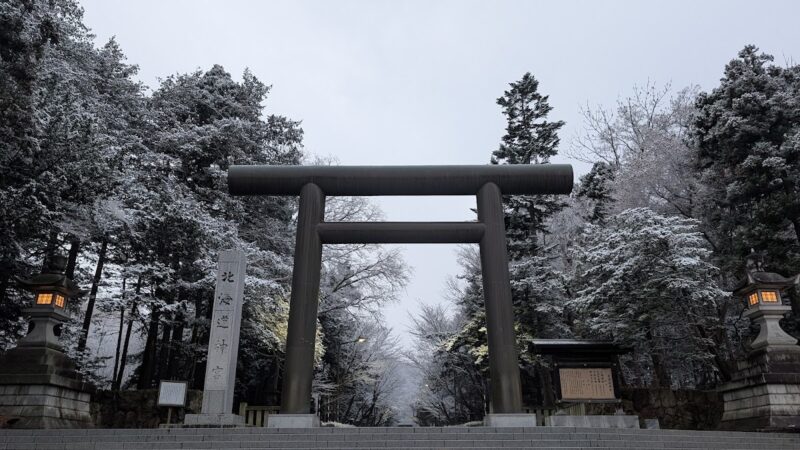
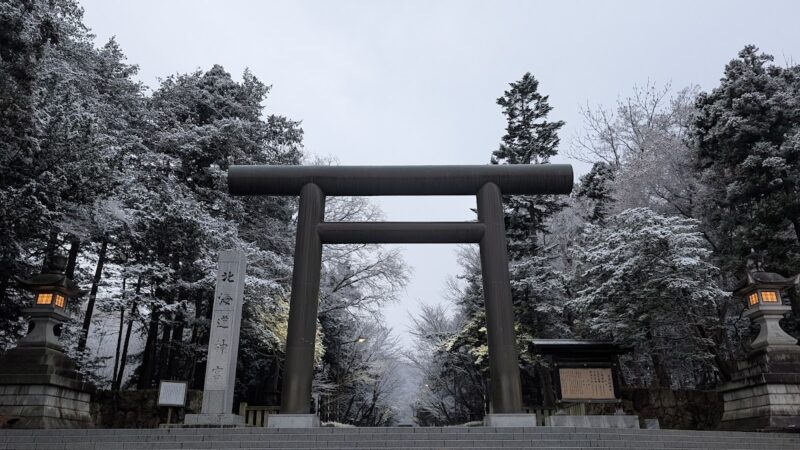
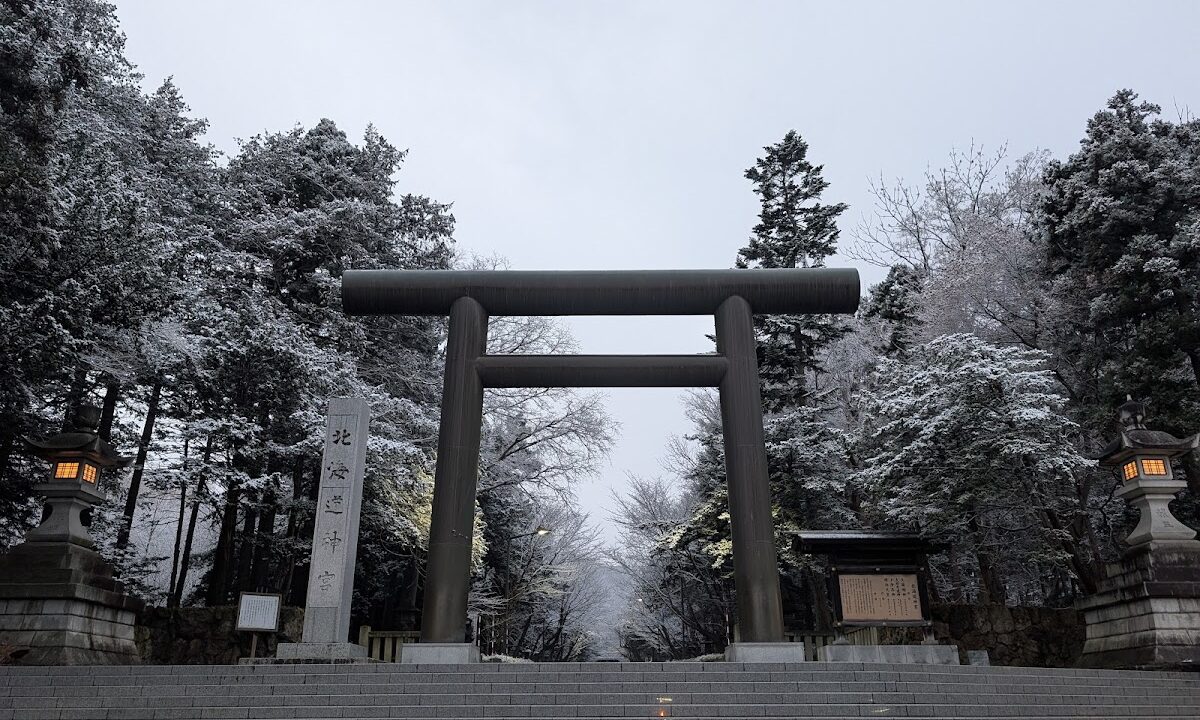
From cherry blossoms and plum blossoms in spring, to fresh greenery in summer, autumn leaves in fall, and snowscapes in winter, the temple grounds display different expressions with each season, allowing worshippers to feel the passage of nature and the Buddhist concept of impermanence.
Stone Monuments and Memorials
Within the temple grounds, there are stone monuments and memorials that tell the story of the temple’s history. These are valuable historical materials that convey the hardships of the pioneering era and the achievements of those who contributed to the development of the region.
Annual Events and Religious Services
Main Annual Events
Seirenji Temple holds various Buddhist events throughout the year.
New Year’s Day Memorial Service: A memorial service is held to pray for happiness and peace in the new year. Many worshippers visit for their first shrine visit of the year, praying for a safe year ahead.
Spring and Autumn Equinoxes: These are important times for honoring ancestors, and the Higan-e (equinox service) is held. Along with visiting graves, people express gratitude and offer prayers to their ancestors.
Obon (Buddhist festival): The Urabon-e (Obon festival) is held to welcome and honor the spirits of ancestors. In Hokkaido, it is generally held in August according to the Gregorian calendar.
New Year’s Eve Bell Ringing: On New Year’s Eve, the temple bell is rung, a traditional event to cleanse away the 108 worldly desires.
Special Memorial Services
Seirenji Temple also holds special memorial services unique to the temple, such as the founding anniversary memorial service and local memorial services. These events also serve as opportunities to deepen the bonds of the local community.
Manners and Etiquette for Visiting a Temple
Basic Manners for Visiting a Temple
When visiting Seirenji Temple, please observe the following basic manners:
- Bow at the Temple Gate: Before entering the temple grounds, bow at the temple gate to compose yourself.
- Purification of Hand-Washing: If there is a purification fountain, cleanse your hands and mouth before praying.
- Praying at the Main Hall: Quietly join your hands in prayer in front of the main hall and offer your prayers with sincerity.
- Offering a Coin: Quietly place your offering in the offering box. There is no set amount, but express your gratitude.
- Behavior on the Temple Grounds: Be quiet on the temple grounds and refrain from speaking loudly or running.
Regarding Attire
There is no specific dress code, but clean and modest clothing appropriate for a sacred place like a temple is desirable. When attending a memorial service, appropriate attire includes subdued colors such as black or navy blue.
Access Information
Location
For the exact location of Seirenji Temple, it is recommended to check official information or the local tourist information center in advance.
Transportation Access
Using Public Transportation:
- It is common to take a bus or taxi from the nearest station.
- Since many temples in Hokkaido are located far from urban areas, it is advisable to check access methods in advance.
Using a Car:
- You can visit by entering the temple name or address into your car navigation system.
- It is recommended to check in advance whether parking is available.
Visiting Hours
Generally, temples are open for visits during daylight hours. However, hours may differ during events and memorial services, so it is recommended to check in advance.
Attractions Around Seirenji Temple
Local Tourist Spots
When visiting Seirenji Temple, visiting nearby tourist spots will allow you to experience the charm of Hokkaido more deeply.
Hokkaido offers a variety of attractions, including its rich natural environment, historical buildings, and facilities showcasing local specialties.
Local Food Culture
Hokkaido is blessed with abundant food resources, including fresh seafood, dairy products, and agricultural produce. When visiting Seirenji Temple, why not enjoy the local food culture as well?
Temple Activities
Sutra Copying and Buddha Image Copying
Many temples offer activities such as sutra copying and Buddha image copying. These provide a good opportunity to calm the mind and connect with Buddhist teachings.
Sutra copying is a practice of carefully copying Buddhist scriptures character by character, believed to enhance concentration and bring peace of mind.
Zen Meditation and Mindfulness
Depending on the sect, some temples offer opportunities to experience Zen meditation and mindfulness. Through these practices, you can escape the hustle and bustle of daily life and have time to reflect on yourself.
Seirenji Temple and the Local Community
Connection with the Community
Seirenji Temple has functioned not only as a religious facility but also as a center of the local community.
Temples play a significant role in various aspects of local life, including festivals, cultural activities, and educational programs, fostering deep connections with local residents.
Social Contribution Activities
Modern temples, in addition to traditional religious activities, are also engaged in various social contribution activities.
An increasing number of temples are developing activities that meet the needs of the local community, such as support for the elderly, childcare support, and disaster relief.
Buddhist Culture in Hokkaido
Characteristics of Buddhism in Hokkaido
Buddhism in Hokkaido has developed uniquely, distinct from that south of Honshu. Because people who migrated from various parts of Honshu during the pioneering era brought their own beliefs, temples of various sects coexist.
Furthermore, for the people of Hokkaido, who have lived in a harsh natural environment, Buddhism has played an important role as a spiritual support.
Coexistence with Ainu Culture
The Ainu people, the indigenous people of Hokkaido, have lived there since ancient times and possess their own unique spiritual culture. Buddhist temples and Ainu culture have a history of coexisting while respecting each other.
Visitor Voices and Experiences
Seeking Peace of Mind
Many visitors to Seirenji Temple find peace of mind in its tranquil grounds. Many realize the importance of taking time to reflect on themselves, away from the hustle and bustle of daily life.
Seasonal Beauty
The beauty of the temple grounds throughout the seasons is also highly appreciated by visitors. The lush greenery of Hokkaido’s short summer, the vibrant autumn foliage, and the snow-covered winter landscapes, in particular, leave a deep impression on visitors.
The Future of Seirenji Temple
Inheriting Tradition
In today’s society, marked by a declining birthrate, an aging population, and urbanization, it is not easy for temples to preserve their traditions. However, Seirenji Temple, together with the local community, continues its efforts to pass on its precious cultural heritage to future generations.
New Initiatives
While preserving tradition, new initiatives adapted to the times are also necessary. Various possibilities are opening up, such as information dissemination using the internet, the spread of Buddhist culture to younger generations, and international exchange.
Preparations Before Visiting
Things to Check Beforehand
Before visiting Seirenji Temple, it’s a good idea to check the following points:
- Visiting Hours
- Access Method and Travel Time
- Parking Availability
- Schedule of Special Events or Memorial Services
- Admission Fee
- Photography Permitted
Useful Items to Bring
- Goshuincho (stamp book) (if you wish to receive a Goshuin stamp)
- Prayer Beads (if participating in a memorial service)
- Camera (if photography is permitted)
- Appropriate Clothing for the Season (Hokkaido has large temperature fluctuations)
About Goshuin Stamps
What are Goshuin Stamps?
Goshuin stamps are seals or calligraphic inscriptions given as proof of visiting a temple or shrine. Many people receive Goshuin stamps as a memento of their visit and as proof of their faith.
How to Receive a Goshuin Stamp
When receiving a Goshuin stamp, please observe the following manners.
- First, complete your prayers before receiving your Goshuin (temple stamp).
- Open your Goshuincho (stamp book) and specify the page you would like it written on.
- Prepare the Goshuin fee (generally around 300-500 yen).
- Express your gratitude politely.
Remember that Goshuin are not stamps, but a symbol of faith, and receive them with respect.
The Significance of Temple Visits
Purification of the Mind
Visiting a temple is an opportunity to cleanse the mind of the accumulated stresses of daily life and purify it. By joining your hands in prayer in the quiet temple grounds, your mind will calm down, allowing you to face each day with a renewed spirit.
Gratitude to Ancestors
Temple visits are also an opportunity to express gratitude and offer prayers to ancestors. We can remember that our existence here today is thanks to countless ancestors and express our gratitude.
Time for Self-Reflection
In today’s busy society, it is difficult to find time to reflect on oneself. Spending time in the quiet space of a temple is a valuable opportunity to re-examine oneself and contemplate life. ## Summary
Seirenji Temple is an important temple that conveys the history and culture of Hokkaido to the present day. Its history, having walked alongside the local people since the pioneering era, its beautiful grounds, and the space where one can find peace of mind have made it a beloved place for many visitors.
Enjoying the beauty of nature in each of the four seasons, the time spent quietly praying and calming one’s mind will be a valuable experience for modern people. When you visit Hokkaido, we highly recommend visiting Seirenji Temple and experiencing its history and spirituality.
When visiting, please observe basic manners and behave appropriately in a sacred place like a temple. We hope that your experience at Seirenji Temple will bring you peace of mind and new insights.