Enryu Shrine (Kochi Prefecture) Complete Guide: History, Benefits, and Access Information
Enryu Shrine, located in Kochi Prefecture, is a shrine that has been cherished by the local people for centuries. This article comprehensively introduces useful information for visitors, including the historical background of Enryu Shrine, the enshrined deities and their benefits, highlights of the shrine grounds, how to worship, and access information.
What is Enryu Shrine?
Enryu Shrine is a shrine located in Kochi Prefecture and has a long history as a center of local faith. The name “Enryu” is thought to originate from a facility or topography that dams water, and may reflect the characteristics of the region related to agriculture and water management.
The shrine has been revered as the tutelary deity of the local residents and as the guardian deity of agriculture. Even today, it is carefully preserved by local people, and various festivals are held throughout the year.
History of Sekidome Shrine
Origin of Founding
The exact founding date of Sekidome Shrine is unclear due to the loss of old records, but according to local tradition, it is believed to have a history of several hundred years. Kochi Prefecture has long been a region where agriculture thrives, and water management was extremely important, especially in rice paddy cultivation.
The name “Sekidome” in the shrine’s name is thought to refer to a facility for damming water to secure agricultural water. Therefore, it is presumed that the shrine had a deep connection to the region’s water management projects and was founded as a place to pray for a bountiful harvest and express gratitude for the blessings of water.
Historical Changes
During the Edo period, it was under the rule of the Tosa Domain and was positioned as a local village shrine. With the reform of the shrine system in the Meiji era, it was officially registered as a shrine and came to be recognized as the local tutelary deity.
During the Showa period, despite the effects of war, it was maintained through the fervent faith of local residents, and even after the war, it continued to function as a central presence in the local community. In recent years, the shrine buildings have been restored and the grounds improved, preserving tradition and passing it down to the present day.
Deities and Benefits
Deities
Based on local traditions and records, the deities enshrined at Sekidome Shrine are thought to be the following:
- Water Deities (e.g., Mizuhanome-no-kami): Deities who control water and are prayed to for securing agricultural water and for bountiful harvests.
- Agricultural Deities (e.g., Ootoshi-no-kami, Ukanomitama-no-kami): Deities who bring abundant harvests of grains.
- Local Guardian Deities: Deities who protect the land.
For specific information on the enshrined deities, please contact the shrine directly or check the information boards on site.
Benefits
The benefits you can expect from visiting Sekidome Shrine include the following:
- Abundant Harvest and Agricultural Prosperity: As the guardian deity of agriculture, you can pray for a bountiful harvest and safety in farm work.
- Protection from Water Disasters: As the god who controls water, you can pray for protection from water-related disasters.
- Regional Peace and Security: As the local guardian deity, you can pray for peace and prosperity throughout the region.
- Family Safety: You can pray for the health and happiness of your family.
- Business Prosperity: You can pray for the development of local industries.
Highlights of the Shrine Grounds
Main Hall and Worship Hall
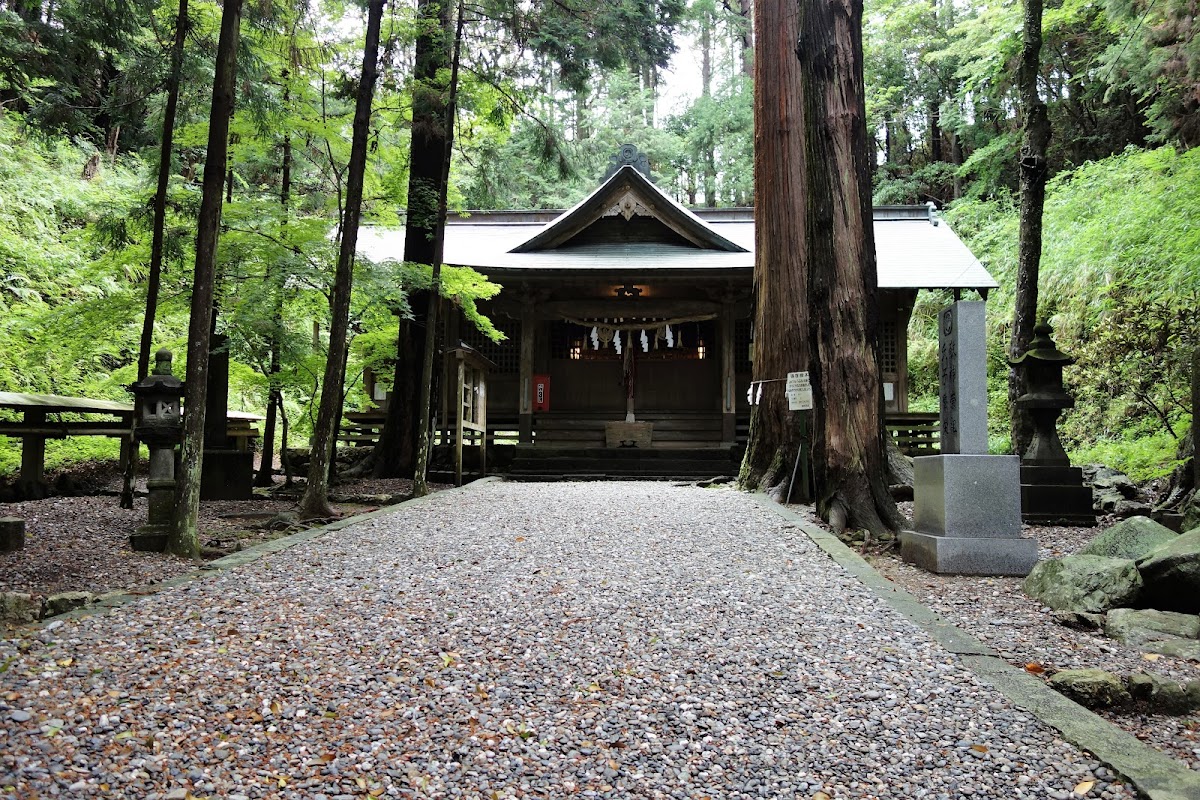
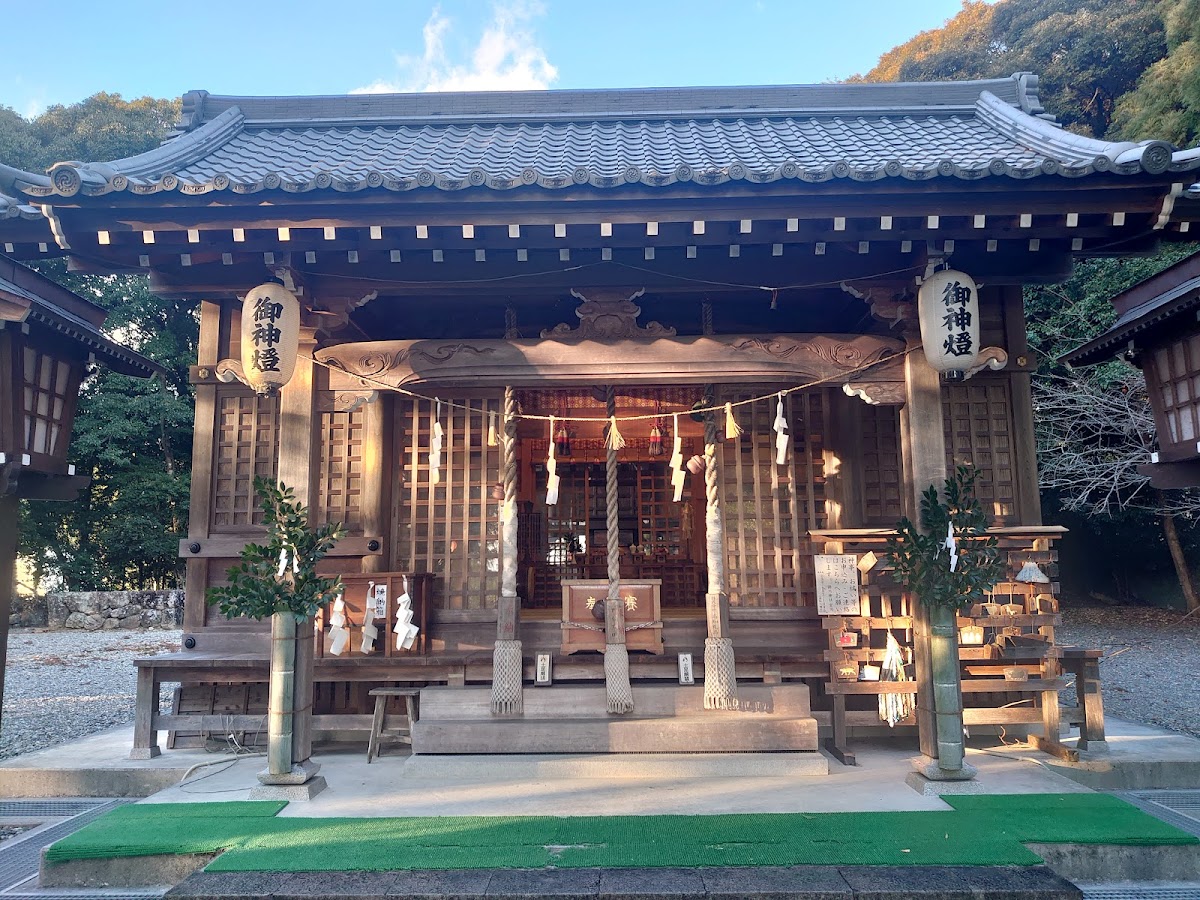
The main hall and worship hall of Sekidome Shrine maintain the style of traditional shrine architecture. Although not large in scale, they are carefully maintained, reflecting the deep faith of the local people.
A donation box is located in front of the worship hall, and worshippers can pray using the traditional two bows, two claps, and one bow ritual.
Nature within the Shrine Grounds
The shrine grounds are home to ancient trees, creating a tranquil atmosphere. In particular:
- Sacred Trees: Magnificent, ancient trees protect the sacred area.
- Seasonal Flowers: Enjoy the beauty of nature throughout the seasons, such as cherry blossoms in spring and autumn leaves in fall.
- Birdsong: The peaceful grounds are filled with the pleasant sounds of wild birds.
Stone Monuments and Memorials
Within the shrine grounds, you may find stone monuments and memorials that tell the history of the shrine and the memories of the region. These are valuable resources for understanding the changes in the shrine and the history of the area.
Annual Events and Festivals
Sekidome Shrine holds various festivals throughout the year. Major events include:
Spring Grand Festival
This festival is held at the start of spring farming work, and prayers are offered for a bountiful harvest. Local residents gather, and a celebratory feast (naorai) may be held after the Shinto rituals. ### Autumn Grand Festival
This festival expresses gratitude for the autumn harvest. We give thanks for the year’s bounty and pray for a good harvest in the coming year. In some regions, lion dances and Kagura (sacred Shinto music and dance) are performed as offerings during this time.
New Year’s Visit
At the start of the new year, local residents visit the shrine for their first shrine visit of the year, praying for safety and prosperity throughout the year. It’s a small-scale but warm and welcoming event.
Other Events
- Monthly Festival: A regular festival held on a specific day each month.
- Summer Purification Ceremony: A Shinto ritual held at the end of June to purify oneself of the impurities accumulated over the past six months.
- Shichi-Go-San: A celebration of children’s growth.
For specific dates, please inquire with the shrine or the local parishioners’ representative in advance.
How to Visit and Etiquette
Basic Worship Etiquette
When visiting Sekidome Shrine, please observe the following etiquette:
- Bow before passing through the torii gate: This is a courtesy before entering the sacred area.
- Purify yourself at the water basin: If there is a water basin, purify in the following order: left hand → right hand → mouth → handle of left hand.
- Walk along the edge of the path: The center is considered the path of the gods.
- Worship in front of the main hall:
- Quietly place your offering in the offering box.
- Ring the bell if there is one.
- Bow twice, clap twice, and bow once.
- Pray with sincerity.
- Bow again at the torii gate when leaving: This is a gesture of gratitude.
Attire for Visiting
Unless it is a special festival, everyday clothes are acceptable for visiting, but please note the following:
- Wear clean clothing.
- Avoid overly revealing clothing.
- Remove hats and sunglasses in front of the main hall.
Photography Etiquette
Photography is generally permitted on the shrine grounds, but please note the following:
- Do not take photos in areas where photography is prohibited, such as inside the main hall.
- Be considerate and avoid disrupting religious ceremonies during festivals.
- Respect the privacy of other worshippers.
- Remember that this is a sacred place and take photos with respect.
Access Information
Location
For the exact address of Sekidome Shrine, please contact your local tourist information center or the Kochi Prefecture Shrine Association. There may be shrines with the same or similar names in multiple areas within Kochi Prefecture.
Access by Public Transportation
Generally, there are the following ways to access shrines in Kochi Prefecture:
- JR Dosan Line: Walk or take a taxi from the nearest station.
- Route Bus: Use route buses such as Kochi Kotsu.
- Taxi: Take a taxi from the nearest station or bus stop.
For specific routes, it is recommended to check transportation timetables in advance and obtain information from your local tourist information center.
Access by Car
When accessing by car:
- Kochi Expressway: Take local roads from the nearest interchange.
- National/Prefectural Roads: Follow the signs from major roads.
- Car Navigation: Search by shrine name or address.
Parking
For small shrines, there may not be a dedicated parking lot. In that case:
- Use nearby public parking lots.
- Avoid street parking and be considerate of local residents.
- Temporary parking may be provided during festivals.
Nearby Tourist Attractions
When visiting Sekidome Shrine, we recommend also visiting other attractive tourist spots in Kochi Prefecture:
Kochi Castle
One of Japan’s 100 Famous Castles, this is a valuable castle with an existing keep. Located in the heart of Kochi City, it offers a sense of history and culture.
Katsurahama Beach
A beautiful beach facing the Pacific Ocean, famous for the statue of Sakamoto Ryoma. The magnificent scenery and the sound of the waves will soothe your soul.
Shimanto River
The Shimanto River, known as “Japan’s last pristine river,” offers opportunities for canoeing and river activities. The scenery of its submersible bridges is a representative landscape of Kochi Prefecture.
Kochi Prefectural Makino Botanical Garden
This botanical garden commemorates Dr. Tomitaro Makino, the father of Japanese botany. It boasts a rich plant collection and beautiful gardens.
Local Roadside Stations
Roadside stations throughout Kochi Prefecture offer fresh agricultural products and local specialties. It’s a great opportunity to enjoy local flavors.
Shrine Culture of Kochi Prefecture
Characteristics of Shrines in Tosa
Shrines in Kochi Prefecture (formerly Tosa Province) have the following characteristics:
- Nature Worship: A form of worship deeply connected to nature, such as mountain worship and water deity worship.
- Connection to Agriculture: Prayers for abundant harvests based on rice cultivation culture.
- Center of Local Communities: A place to nurture community bonds as a guardian deity.
- Simple Worship: A sincere and simple form of worship, rather than extravagance.
Major Shrines
Besides Sekidome Shrine, there are many other historical shrines in Kochi Prefecture:
- Tosa Shrine: Revered since ancient times as the Ichinomiya (first-ranked shrine) of Tosa Province.
- Asakura Shrine: Known as the Ninomiya (second-ranked shrine) of Tosa.
- Narunashi Shrine: A beautiful shrine built facing the sea.
- Sugimoto Shrine: An ancient shrine located in Otoyo Town.
Visiting these shrines will allow you to gain a deeper understanding of Kochi Prefecture’s history and culture.
How to Enjoy Visiting Sekidome Shrine
Spend a Quiet Time
The charm of a community-based shrine like Sekidome Shrine lies in its tranquil atmosphere. Away from the hustle and bustle of the city, spending time peacefully in the shrine grounds surrounded by nature can bring inner peace.
Learn About Local History
Visiting a shrine is an excellent opportunity to learn about the history and culture of the region. By reading the stone monuments and information boards on the grounds and conversing with local people, you can experience living history that cannot be found in books.
Feel the Changing Seasons
By visiting shrines while feeling the changing seasons, you can experience the traditional Japanese sense of the seasons. The fresh green of spring, the deep green of summer, the autumn leaves, and the silence of winter each have their own unique charm.
Collect Goshuin (Shrine Stamps)
Some shrines offer Goshuin stamps. Collecting Goshuin (temple/shrine stamps) as a memento of your visit is one of the joys of visiting shrines. However, remember that Goshuin are proof of your visit, not a stamp rally, and receive them with respect.
Notes on Visiting Shrines
Consideration for the Local Community
Sekidome Shrine is a place of worship for the local community. When visiting the shrine, please keep the following points in mind:
- Worship quietly: Do not speak loudly or make noise.
- Do not trespass on private property: Do not enter private homes or farmland around the shrine without permission.
- Take your trash home: Do not litter the shrine grounds or surrounding area.
- Parking etiquette: Do not block roads used by local residents.
Weather Precautions
Kochi Prefecture is a region with high rainfall:
- Prepare rain gear: Bring a folding umbrella or raincoat.
- Safety underfoot: The path to the shrine can become slippery in rainy weather.
- Typhoon season: Pay attention to typhoon information from summer to autumn.
Heatstroke Prevention
When visiting in summer:
- Avoid direct sunlight with a hat or parasol.
- Drink plenty of fluids frequently.
- Take care of your health and do not overexert yourself.
Attractions of Kochi Prefecture
Food Culture
When you visit Kochi Prefecture, be sure to enjoy the local food culture:
- Katsuo no Tataki: A representative local dish of Kochi
- Sarubachi Ryori: A hearty banquet meal served on a large platter
- Tosa Sake: Japanese sake made from abundant water and rice
- Imo Kenpi: A simple and nostalgic confectionery
- Yuzu Products: Kochi Prefecture is a major producer of yuzu citrus
Bounty of Nature
Kochi Prefecture is a region rich in nature:
- Clear Streams: Beautiful rivers such as the Shimanto River and Niyodo River
- Pacific Ocean: A magnificent coastline and abundant seafood
- Mountains: Lush green mountains of the Shikoku Mountains
- Mild Climate: Relatively mild throughout the year
The Warmth of the People
The people of Kochi Prefecture are known for their warm and friendly nature, often described with the words “igossou” (stubborn and strong-willed) and “hachikin” (lively and strong-willed women). Interacting with the locals is one of the joys of visiting the region.
Summary
Sekidome Shrine, a shrine deeply rooted in the Kochi region, has preserved a long history and tradition. While not large in scale, it has been carefully maintained to this day, supported by the fervent faith of the local people.
Visiting a shrine is not merely sightseeing; it’s a valuable opportunity to experience the history, culture, and lives of the people of the land. The time spent praying and calming one’s mind in the quiet grounds will be a precious experience in today’s society.
When you visit Kochi Prefecture, be sure to visit Sekidome Shrine and experience the local faith and culture. And enjoy Kochi Prefecture’s rich nature, delicious food, and encounters with its warm people.
When visiting the shrine, it is important to remember that it is a place of important faith for the local community and to visit with respect. By observing proper etiquette and offering your prayers with sincerity, you will surely have a memorable experience.
Related Information & Inquiries
For detailed information about Sekidome Shrine and the latest festival schedule, please contact the following:
- Kochi Prefecture Shrine Association: Comprehensive information on shrines in the prefecture
- Local Tourism Association: Access information and information on surrounding tourist attractions
- Local Parishioners’ Representative: Information on shrine events and history
Checking this information before your visit will allow you to have a more fulfilling pilgrimage experience.
We hope that the rich nature and history of Kochi Prefecture, and the tranquil atmosphere of Sekidome Shrine, will bring peace and healing to your heart.