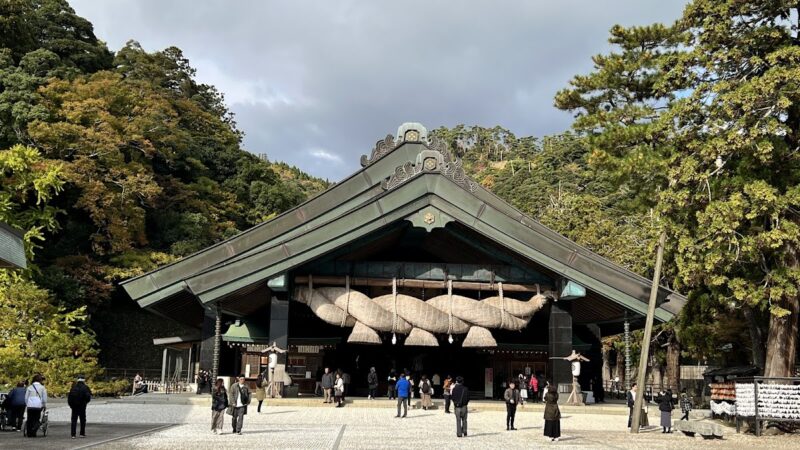
Complete Guide to Shichirui Dainichido Temple (Matsue City, Shimane Prefecture) | Exploring the Flower Festival and the History of Mihonoseki
Shichirui Dainichido Temple, located in Mihonoseki-cho, Matsue City, Shimane Prefecture, is a historic Buddhist temple standing right next to Shichirui Port. It is known for its “Flower Festival,” held annually on May 8th, where the breathtaking beauty of the Buddha images created with fresh flowers attracts many worshippers from far and wide. This article provides a detailed introduction to the history, highlights, access methods, and the deeply rooted local faith of Shichirui Dainichido Temple.
What is Shichirui Dainichido Temple?
Shichirui Dainichido Temple is a Buddhist facility located in the Shichirui district of Mihonoseki-cho, at the eastern tip of the Shimane Peninsula. Shichirui Port is known as the gateway to the Oki Islands and has flourished as a key point for maritime traffic since ancient times. The Dainichido Temple, quietly standing in a corner of this port town, has long been cherished as a center of faith for the local residents.
The name Dainichido is generally given to a temple that enshrines Dainichi Nyorai as its principal deity. Dainichi Nyorai is the highest-ranking Buddha in Esoteric Buddhism and is considered to embody the very truth of the universe. Following this tradition, Shichirui Dainichido has functioned as a spiritual center for the local people.
Historical Background of the Shichirui Area
The name Shichirui reflects the area’s long history as a thriving center of maritime trade. During the Edo period, it played an important role as a port of call for Kitamae ships and as a trading hub with Oki Island. This deep connection with the sea is thought to have influenced the region’s religious culture.
Mihonoseki Town is also known as a place of worship centered around Mihonoseki Shrine. Shichirui Dainichido, as a part of this regional religious culture, is a valuable place that preserves the remnants of the syncretism of Shinto and Buddhism.
Shichirui Dainichido Flower Festival
The most famous event at Shichirui Dainichido is the “Flower Festival,” held annually on May 8th. This festival, a Buddhist event celebrating the Buddha’s birthday (Kanbutsue), is held throughout Japan, but the Hana Matsuri (Flower Festival) at Shichirui Dainichido has unique characteristics.
A Buddha Image Created with Fresh Flowers
The most noteworthy aspect of the Hana Matsuri at Shichirui Dainichido is the image of Buddha created using fresh flowers picked from nearby flower fields. The flower painting, meticulously crafted with a variety of colorful blossoms, is truly a work of art.
The creation of this flower painting involves the full cooperation of local residents. Preparations begin the day before, and work progresses with the aim of completion by early morning on the day of the festival. The flowers used are mainly seasonal wildflowers, including rapeseed blossoms, tulips, pansies, and marigolds—various flowers that bloom in early May.
The Origin and Significance of the Hana Matsuri
The Hana Matsuri is based on the legend that when the Buddha was born, sweet dew rained down from the heavens. Generally, the “Kanbutsu” ceremony, in which sweet tea is poured over the statue of the newborn Buddha, is the central event. However, at Shichirui Dainichido, a unique method of expression using flowers has developed.
This event is more than just a religious ceremony; it is an important opportunity to strengthen the bonds of the local community. In a rural area with an aging population, the experience of people from all generations coming together and cooperating to create a single work of art is a valuable opportunity to deepen community ties.
A Day at the Flower Festival
On May 8th, the day of the Flower Festival, the temple is bustling with many worshippers from the morning. A Buddhist service is held in front of the completed flower painting, and sutras are chanted. Worshippers drink sweet tea and pray for good health and protection from illness.
In the afternoon, there are sometimes performances by local children and demonstrations of traditional arts. Stalls line the streets, and the festive atmosphere intensifies. The festival, which continues until evening, has become a well-established spring tradition in the Shichirui area.
The Architecture and Cultural Heritage of Shichirui Dainichi-do
Let’s also touch upon the architectural style and cultural value of Shichirui Dainichi-do. While there is limited documentation regarding its exact construction date, it is an important building for understanding the local religious history.
Characteristics of the Hall
The Dainichi-do building exhibits the typical style of a local Buddhist temple. Although not large in scale, it is meticulously maintained, reflecting the deep faith of the local people.
It is believed that the principal image, a statue of Dainichi Nyorai, is enshrined inside. Dainichi Nyorai is a central figure in Esoteric Buddhism and is considered a symbol of wisdom and compassion. It is possible that it was also worshipped by the fishermen and those involved in the shipping industry of Shichirui as a guardian deity for maritime safety.
Harmony with the Surrounding Environment
Shichirui Dainichi-do is also characterized by its location right next to Shichirui Port. The combination of a port and a Buddhist temple symbolizes the form of faith of people who live in harmony with the sea. The environment, where you can worship while feeling the sea breeze, creates a unique atmosphere different from temples and shrines in urban areas.
The surrounding area retains the alleys and old houses characteristic of a fishing town, creating a landscape that strongly reflects the Showa era. By visiting Dainichido, you can feel the history and culture of Mihonoseki firsthand.
The Charms of Mihonoseki Town and the Shichirui District
When visiting Shichirui Dainichido, we recommend enjoying the charms of Mihonoseki town as well.
Connection to Miho Shrine
At the heart of Mihonoseki town is Miho Shrine, known as the head shrine of Ebisu. This shrine, which enshrines Kotoshironushi-no-kami, is worshipped nationwide as the god of business prosperity and maritime safety.
Shichirui Dainichido and Miho Shrine have an interesting relationship when considering the history of Shinto-Buddhist syncretism. Before the Meiji-era separation of Shinto and Buddhism, shrines and temples were closely linked, and local faith was supported by a unified Shinto-Buddhist system. Even today, visiting both locations allows you to understand the multifaceted religious culture of this region.
Shichirui Port and the Oki Islands Ferry Route
Shichirui Port still plays an important role as a gateway to the Oki Islands. Ferries and jetfoils operate regularly, serving many tourists and locals.
Around the port’s waiting area, there are shops and restaurants selling fresh seafood, where you can enjoy local flavors. The seafood from the Sea of Japan is particularly exquisite, offering seasonal delicacies such as squid, crab, and blackthroat seaperch.
Mihonoseki Lighthouse and Jizozaki Cape
Another notable landmark in Mihonoseki Town is the Mihonoseki Lighthouse at Jizozaki Cape. Built in 1898 (Meiji 31), this lighthouse is known as the oldest stone lighthouse in the San’in region.
The view from the lighthouse is magnificent, and on a clear day, you can see all the way to the Oki Islands. A walking path is maintained around the lighthouse, allowing you to enjoy a stroll while taking in the beautiful coastal scenery.
Access and Visiting Information
This section provides information on how to access Shichirui Dainichido Temple and important points to note when visiting.
Access by Public Transportation
By JR Train:
- Take the Ichibata Bus bound for “Mihonoseki Terminal” from JR Matsue Station.
- Get off at the “Shichirui” bus stop and walk for approximately 5 minutes.
- Travel time: Approximately 45 minutes
From Sakaiminato:
- Take a local bus from Sakaiminato Station towards Mihonoseki.
- Travel time: Approximately 30 minutes
Access by Car
From Matsue City:
- Head east on National Route 431.
- Proceed towards Mihonoseki Town and head towards Shichirui Port.
- Travel time: Approximately 40 minutes
Parking:
- Public parking is available around Shichirui Port.
- Due to expected congestion on the day of the Flower Festival, early arrival is recommended.
Notes for Visitors
Shichirui Dainichido is a small Buddhist temple rooted in the local community. Please observe the following points when visiting the shrine:
- Visit quietly and respect the living environment of local residents.
- When taking photographs, please be considerate of those around you.
- Always take your trash with you.
- Outside of the Flower Festival, it is recommended to check with local residents in advance.
Nearby Tourist Spots
Here are some nearby spots you might want to visit in conjunction with your visit to Shichirui Dainichido.
Miho Shrine
As mentioned above, it is nationally famous as the head shrine of Ebisu. The main hall is designated as a National Important Cultural Property, and you can admire its beautiful architectural style. The “Aoshibagaki Shinto Ritual” held every year on April 7th is a valuable ritual designated as a National Important Intangible Folk Cultural Property.
Seki no Gohonmatsu Park
This park is located on a hill in Mihonoseki and offers a spectacular view of the Sea of Japan. The five pine trees are impressive, and it is also known as a famous spot for sunsets.
Mihonoseki Townscape
The townscape of Mihonoseki, which developed as a temple town for Mihonoseki Shrine, retains many charming old buildings. It’s a delightful area to stroll through, with places like “Butsuya-ji Temple” and “Aoishidatami Street.”
Sugenoura Port
A short trip from Shichirui leads to the quiet fishing village of Sugenoura. Here, you can catch a glimpse of life in a fishing village, where time seems to flow slowly.
Annual Events at Shichirui Dainichido Temple
Besides the Flower Festival, Shichirui Dainichido Temple holds various events that support the local faith.
Spring Memorial Service (May 8th)
The main event of the Flower Festival. As the Buddha’s Birthday celebration, it is the most important annual event.
Obon Memorial Service
During the Obon period in August, a memorial service for ancestors is held. Local people gather to remember the deceased.
Year-End Thanksgiving Visit
At the end of the year, a visit is held to give thanks for a year of safety. Local residents gather to prepare for the New Year.
Shichirui Dainichido as a Local Belief
Shichirui Dainichido is not merely a tourist spot, but functions as a spiritual pillar for the local community.
A Place to Connect Community Bonds
In rural areas facing depopulation and an aging population, places of worship like Shichirui Dainichido provide opportunities for intergenerational exchange. Through the preparation and operation of the Flower Festival, younger generations are exposed to local traditional culture and develop an awareness of its continuation.
Coexistence with the Sea
In the fishing village of Shichirui, Dainichido is also a place to pray for safety at sea. Prayers have been offered here for safety before going out to sea, and for gratitude for a bountiful catch—prayers of people who live in harmony with the sea have been offered here.
Cultural Inheritance
The techniques for creating the flower paintings for the Flower Festival are a unique local culture that has been passed down orally. Passing on such intangible cultural assets to future generations is crucial for preserving regional identity.
The Significance of Visiting Shichirui Dainichido
A visit to Shichirui Dainichido has meaning beyond simply visiting a tourist spot.
Understanding Japanese Regional Culture
Because Shichirui Dainichido is not a large-scale tourist destination, you can feel the simple and sincere faith that thrives in rural Japan. It may not be flashy, but it is a genuine culture rooted in the lives of the people.
Experiencing the Beauty of the Seasons
The May Flower Festival is held when spring flowers are at their most beautiful. It is a precious opportunity to experience the art woven from the blessings of nature and human hands with all your senses.
Touching History and Tradition
As part of the historic Mihonoseki region, Shichirui Dainichido evokes a sense of the long passage of time. Touching upon the culture that has been passed down to the present day in this place of faith that has continued since the age of mythology is a valuable experience that deepens your understanding of Japanese culture.
Summary: The Charm of Shichirui Dainichido Temple
Shichirui Dainichido Temple in Mihonoseki-cho, Matsue City, Shimane Prefecture, may not be large in scale, but it is a place of deep-rooted faith in the community and a place that preserves its unique culture of the Hana Matsuri (Flower Festival), making it well worth a visit.
Its location right next to Shichirui Port, the beautiful Buddha images painted with fresh flowers, and the warm hospitality of the local people—all of these contribute to the charm of Shichirui Dainichido Temple. The Hana Matsuri on May 8th, in particular, is a valuable opportunity to experience the unique culture of this region.
Visiting it along with other nearby tourist spots such as Mihonoseki Shrine and Mihonoseki Lighthouse will allow you to gain a deeper understanding of the history and culture of Mihonoseki-cho as a whole. Whether you stop by on your way to Oki Island or visit it as part of your Matsue sightseeing, Shichirui Dainichido Temple offers flexibility to suit various travel styles.
The beautiful scenery of the Sea of Japan, fresh seafood, and above all, the warmth of the local people—a visit to Shichirui Dainichido Temple will surely become a memorable part of your trip. You should definitely visit this hidden gem at least once.