Agarimichi Shrine (Sakaiminato City, Tottori Prefecture) Complete Guide | Deities, History, Access, and Goshuin Information
Agarimichi Shrine, located in Agarimichi-cho, Sakaiminato City, Tottori Prefecture, is a shrine that has long been revered as the local guardian deity. Deeply connected to the history of Sakaiminato, a fishing town, it has been passed down to the present day as a center of faith for people praying for safety at sea and abundant catches. This article provides a detailed introduction to Agarimichi Shrine, including its deities, history, highlights within the shrine grounds, goshuin information, and access methods.
Basic Information on Kamimichi Shrine
Location: 655 Kamimichi-cho, Sakaiminato City, Tottori Prefecture 684-0033
Main Deities:
- Kotoshironushi-no-Mikoto
- Ichikishima-hime-no-Mikoto
- Owatatsumi-no-Kami
- Takeminakata-no-Mikoto
Shrine Rank: Former Village Shrine
Annual Festival Date: October
Nearest Station: JR Sakai Line, Kamimichi Station (approx. 5-minute walk)
Kamimichi Shrine is located in the Kamimichi district of Sakaiminato City and is a shrine beloved by local residents. It is registered with the Tottori Prefectural Shrine Association and functions as an important place of worship within Sakaiminato City.
Deities and Blessings of Kamimichi Shrine
Kotoshironushi-no-Mikoto
Kotoshironushi-no-Mikoto is a son of Okuninushi-no-Mikoto and is widely known as “Ebisu-sama.” He appears in the myth of the transfer of the land in the Kojiki and Nihon Shoki, and is worshipped as the god of fishing and business prosperity. Sakaiminato City is one of Japan’s leading fishing ports, and the worship of Kotoshironushi-no-Mikoto holds particular significance for local fishermen.
Ichikishima-hime-no-Mikoto
Ichikishima-hime-no-Mikoto is one of the three Munakata goddesses and is revered as the goddess of the sea and water. She is also known as the goddess of beauty and performing arts, and is deeply revered by women as a guardian deity of women. At Kamimichi Shrine, she was enshrined in the same sanctuary as “Ichikishima Daimyojin” during the early modern period.
Ōwatatsumi-no-kami
Ōwatatsumi-no-kami is a deity known as the god of the sea and dragon. He is believed to grant blessings for maritime safety and fishing prosperity, and is an important object of worship in Sakaiminato, a fishing town. His worship as a sea god was further strengthened when he was enshrined together with Funatama Daimyōjin.
Takeminakata-no-mikoto
Takeminakata-no-mikoto is a deity known as the principal deity of Suwa Grand Shrine. He is worshipped as the god of martial prowess and victory, and was enshrined together with Suwa Daimyōjin at Kamimichi Shrine in the early Meiji period. He is considered a guardian deity of the region, and is believed to grant blessings for protection against misfortune and good fortune.
Main Benefits
- Maritime Safety and Navigation: Protection of fishermen and sailors
- Prayer for Abundant Catch and Prosperity in Fisheries: Prayers for bountiful catches and the development of the fishing industry
- Business Prosperity: Divine virtues of Kotoshironushi-no-Mikoto (Ebisu)
- Family Safety: Protection of family peace as the local guardian deity
- Matchmaking and Good Relationships: Divine virtues of Ichikishimahime-no-Mikoto
- Exorcism and Good Fortune: Divine virtues of Takeminakata-no-Mikoto
History and Origins of Kamimichi Shrine
Founding and Ancient Beliefs
The founding date of Kamimichi Shrine is unknown, but it has long been revered by local residents as the guardian deity of Kamimichi Village (present-day Kamimichi-cho, Sakaiminato City). The Sakaiminato region has been a thriving fishing area since ancient times, and the belief in the god of the sea and the god of fishing was closely intertwined with daily life.
Development in the Early Modern Period
A ridge beam inscription dating back to March of Keian 2 (1649) still exists, confirming that the shrine buildings were already in place during the early Edo period. During this time, Kamimichi Shrine was known as “Ebisu-shin” and enshrined Ichikishima Daimyojin in the same sanctuary.
Throughout the early modern period, Kamimichi Shrine served as the tutelary shrine of Kamimichi Village, enshrining Kotoshironushi-no-Mikoto and Ichikishimahime-no-Mikoto, and was revered as the god of fishing and the guardian deity of women. For fishermen in the Sakaiminato area, it was an important place of worship where they prayed for safety at sea and abundant catches.
Renaming and Merger in the Meiji Era
In the early Meiji period, with the separation of Shinto and Buddhism and reforms to the shrine system, Kamimichi Shrine underwent significant changes. During this period, Funatama Daimyojin (Owatatsumi-no-Kami) and Suwa Daimyojin (Takeminakata-no-Mikoto) were merged into the shrine, and the shrine’s name was changed to its current name, “Kamimichi Shrine.” This enshrinement further strengthened the deity’s character as a sea god, establishing its reputation as the guardian deity of Sakaiminato, a fishing town. During the Meiji era, it was designated a village shrine, establishing its status as a public shrine in the region.
From Modern to Contemporary Times
Throughout the Showa and Heisei eras, Kamimichi Shrine maintained its status as the local tutelary deity. Along with the development of Sakaiminato City, it has strengthened the bonds among residents through festivals and religious ceremonies, becoming a central presence in the local community.
Even today, Kamimichi Shrine functions as an important place of worship in the Kamimichi district of Sakaiminato City, and is maintained and managed by local residents.
Highlights of the Shrine Grounds
Shrine Buildings
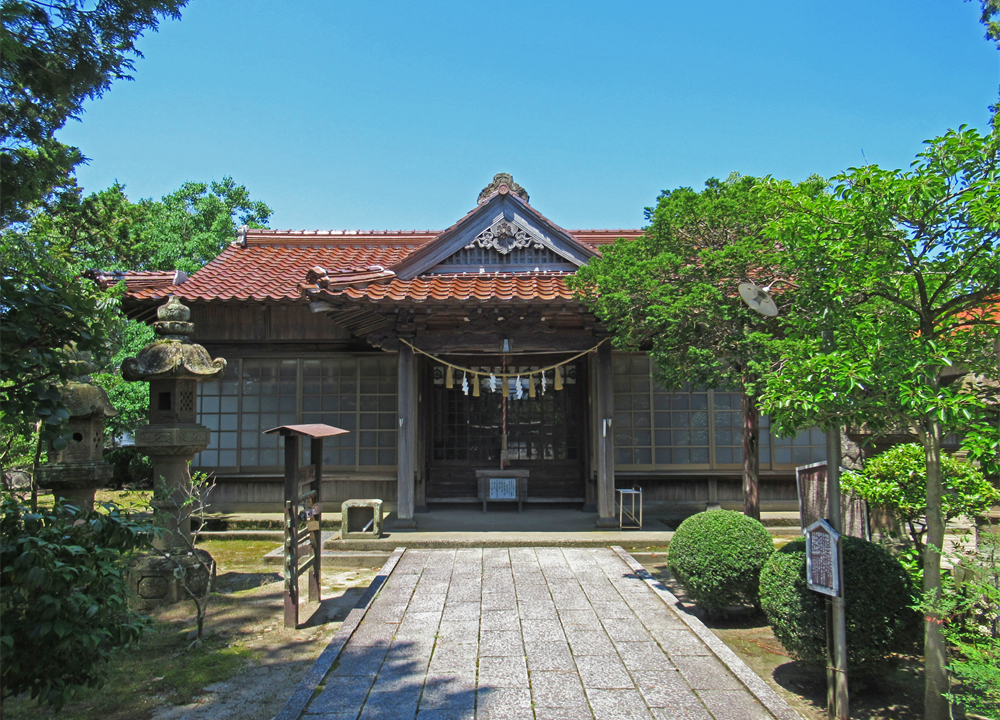
The shrine buildings of Kamimichi Shrine exhibit a simple and tranquil appearance befitting a local shrine. Both the main hall and the worship hall maintain the traditional style of shrine architecture, forming a sacred space that embraces the faith of the region.
The ridge beam inscription, erected in 1649 (Keian 2), is preserved as a valuable cultural asset that tells the history of Kamimichi Shrine.
Atmosphere of the Shrine Grounds
Despite being located within a residential area, the grounds of Kamimichi Shrine maintain a tranquil atmosphere. Trees are strategically placed throughout the grounds, allowing visitors to experience the beauty of nature throughout the seasons. As a community-oriented shrine, it is a place where local residents regularly visit and pray.
Torii Gate and Approach
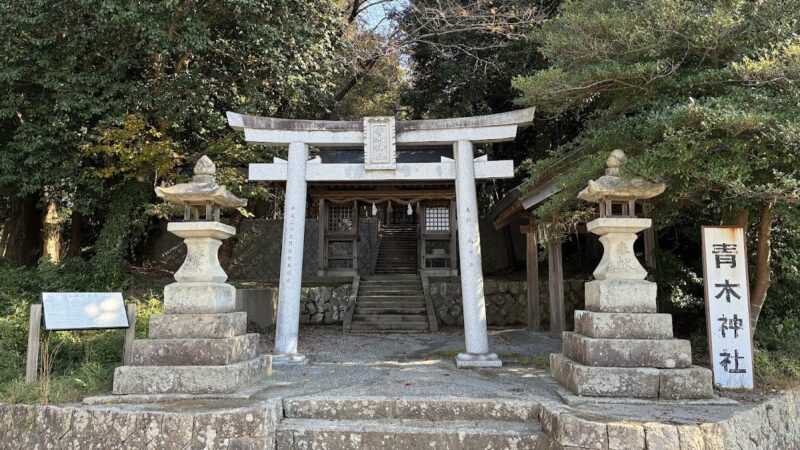
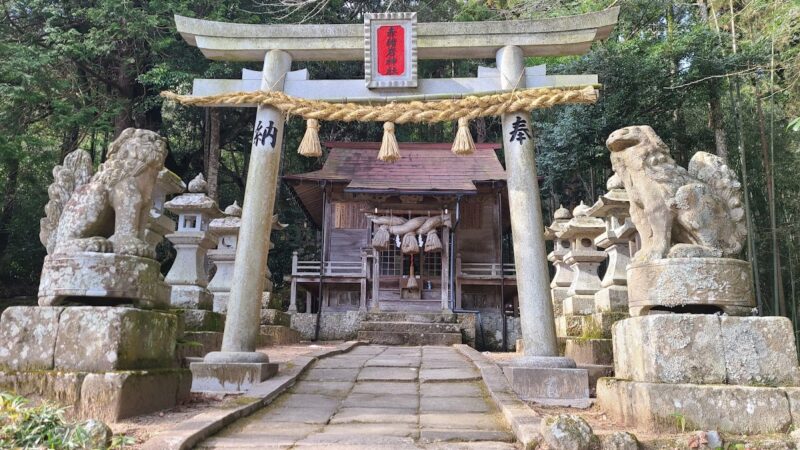
A torii gate stands at the entrance to the shrine, and an approach leads to the main hall. Walking along the approach allows visitors to calm their minds and prepare for worship.
Annual Events of Kamimichi Shrine
Annual Festival (October)
The most important festival of Kamimichi Shrine is the annual festival held every October. As a festival for the local guardian deity, residents of the Kamimichi district participate, and traditional Shinto rituals are performed. Shinto priests recite prayers, and offerings of sacred branches are made, praying for the peace and prosperity of the community.
Monthly Festival
A monthly festival is held regularly, praying for peace in the community and the safety of the parishioners.
New Year’s Visit
At the start of the new year, local residents visit the shrine for their first shrine visit of the year, praying for safety and well-being for their families throughout the year. As the local guardian shrine, it is a familiar spot for New Year’s visits.
Goshuin (Shrine Seal) Information
Goshuin (shrine seals) can be obtained at Kamimichi Shrine. However, since there may not always be a resident priest, it is recommended that those wishing to obtain a goshuin check in advance.
Inquiries regarding Goshuin:
- Inquiries can be made through the Tottori Prefecture Shrine Association.
- It is recommended to check by phone or other means before visiting.
Goshuin are proof of shrine visitation, not merely collectibles. When visiting, please observe the proper order: first, sincerely greet the deity, and then receive your goshuin.
Access Methods
Access by Train
Using the JR Sakai Line
- Get off at Kamimichi Station, approximately 5 minutes on foot
- Approximately 5 minutes from Sakaiminato Station to Kamimichi Station
- Approximately 25 minutes from Yonago Station to Kamimichi Station
The JR Sakai Line is a popular line for tourists, featuring trains themed after “GeGeGe no Kitaro.” Kamimichi Station is an unmanned station, but the shrine is within walking distance from the station.
Access by Car
From Yonago
- Approximately 30 minutes from Yonago Station
- Take National Route 431 towards Sakaiminato
From Sakaiminato City Center
- Approximately 10 minutes from Sakaiminato Station
- To the Kamimichi-cho area along National Route 431
Parking: There is parking space for visitors on the shrine grounds.
Surrounding Transportation Information
Sakaiminato City is a major port town in the San’in region and is adjacent to Yonago City. Located approximately 20 minutes by car from Yonago Kitaro Airport (Yonago Airport), it is relatively easily accessible from outside the prefecture.
Tourist Spots Around Kamimichi Shrine
Miho Shrine (Approx. 15 minutes by car)
This is the head shrine of all Ebisu shrines nationwide, with Kotoshironushi-no-Mikoto as its main deity. Situated in a scenic location facing Miho Bay, the main hall, designated as a National Important Cultural Property, is a must-see. As it also enshrines Kotoshironushi-no-Mikoto, like Kamimichi Shrine, a visit to both is highly recommended.
Mizuki Shigeru Road (Around Sakaiminato Station)
A representative tourist spot in Sakaiminato City, known as the birthplace of Mizuki Shigeru, the creator of “GeGeGe no Kitaro.” 177 bronze statues of yokai (Japanese supernatural beings) line the approximately 800-meter-long street, allowing visitors to experience the world of yokai. Enjoy sightseeing in Sakaiminato in conjunction with a visit to Kamimichi Shrine.
Sakaiminato Fish Market (approx. 10 minutes by car)
This market offers fresh seafood caught in Sakaiminato, one of Japan’s leading fishing ports. You can enjoy the bounty of the Sea of Japan, including crab, tuna, and squid.
Yumeminato Tower (approx. 15 minutes by car)
This tourist facility offers panoramic views of Sakaiminato city, Miho Bay, and Mt. Daisen from its 43-meter-high observation deck. There are also exhibits where you can learn about the history and culture of Sakaiminato.
Other Shrines in Sakaiminato City
Miho Shrine
As mentioned above, this shrine is nationally famous as the head shrine of Ebisu. It enshrines Kotoshironushi-no-Mikoto and Mihotsuhime-no-Mikoto, and is known for its blessings of business prosperity and maritime safety.
Small Shrines in Sakaiminato City
Besides Kamimichi Shrine, there are many other small shrines scattered throughout Sakaiminato City that are worshipped as local guardian deities. Each functions as a center of its respective community.
Manners and Etiquette for Visiting a Shrine
Basic Shrine Visit Etiquette
- Bow Before Passing Through the Torii Gate: Before entering the sacred area, bow to compose yourself.
- Walking Along the Path: The center of the path is considered the path of the gods, so walk along the sides.
- Purify at the Water Basin: If there is a water basin, purify your hands and mouth.
- Worship at the Main Hall: Worship using the two bows, two claps, and one bow ritual.
- Bow Upon Exit: When leaving the shrine grounds, turn around after passing through the torii gate and bow.
Photography
Photography is generally permitted within the shrine grounds, but please refrain from taking photos in sacred areas such as inside the main hall. Also, please be considerate of other worshippers.
Attire
There are no specific dress code requirements, but it is desirable to wear clean and understated clothing, keeping in mind that it is a sacred place.
The Charm and Characteristics of Kamimichi Shrine
A Community-Based Guardian Deity
The greatest charm of Kamimichi Shrine lies in its presence as a guardian deity deeply rooted in the community. Unlike large-scale tourist shrines, the fact that local residents visit it daily and worship it as an integral part of their lives evokes the origins of Japanese shrine worship.
Guardian Deity of a Fishing Town
Sakaiminato City is one of Japan’s leading fishing ports, and Kamimichi Shrine holds special significance for those involved in fishing. Enshrining the sea gods Kotoshironushi-no-Mikoto and Owatatsumi-no-Kami, it serves as a place of worship for maritime safety and abundant catches, symbolizing the history and culture of Sakaiminato.
A Serene Worship Space
Despite being located in a residential area, the shrine grounds maintain a quiet and peaceful atmosphere. A space where one can pray peacefully away from the hustle and bustle is a precious presence in modern society.
Visiting Shrines in Tottori Prefecture
When visiting Kamimichi Shrine, we recommend visiting other shrines in Tottori Prefecture as well.
Major Shrines in Western Tottori Prefecture
- Ōgamiyama Shrine (Yonago City): The Ichinomiya (first-ranked shrine) of Hōki Province, located at the foot of Mt. Daisen
- Kamo Shrine Tenmangū (Yonago City): The guardian shrine of Yonago
- Awashima Shrine (Yonago City): Deity of safe childbirth and child-rearing
Major Shrines in Eastern Tottori Prefecture
- Ube Shrine (Tottori City): The Ichinomiya (first-ranked shrine) of Inaba Province, deity of money
- Hakuto Shrine (Tottori City): The site of the legend of the White Rabbit of Inaba, deity of matchmaking
- Chitani Shrine (Tottori City): Also known as Tottori Tōshōgū
Major Shrines in Central Tottori Prefecture
- Shrines in Kurayoshi City: Shrines associated with the legend of Utsubuki Tennyo, etc.
History and Culture of Sakaiminato City
Understanding the history and culture of Sakaiminato City is important for understanding Kamimichi Shrine.
Development as a Fishing Town
Sakaiminato City has long developed as a fishing town. Facing the Sea of Japan and boasting the excellent harbor of Miho Bay, Sakaiminato is known for its landings of crabs, tuna, and squid, and continues to play a vital role as one of Japan’s leading fishing ports.
Shigeru Mizuki and Yokai Culture
Sakaiminato City is known as the birthplace of manga artist Shigeru Mizuki, and yokai (supernatural creatures) culture, including “GeGeGe no Kitaro,” is a key part of the town’s identity. Mizuki Shigeru Road is a popular tourist spot attracting over 2 million visitors annually.
International Trading Port
Sakaiminato is also an international trading port with regular international shipping routes to South Korea and Russia, functioning as a hub for exchange around the Sea of Japan.
Best Time to Visit
Spring (March-May)
Spring is a suitable time to visit due to its mild climate. Spring in Sakaiminato is relatively mild, allowing visitors to enjoy the season of fresh greenery.
Summer (June-August)
This is the fishing season, making it a suitable time to visit the shrine to express gratitude to the sea god. However, it gets hot during the day, so visiting in the morning or evening is recommended.
Autumn (September-November)
October, when the annual festival is held, is the best time to visit Kamimichi Shrine. You can experience the atmosphere of the local festival in the refreshing autumn weather.
Winter (December-February)
Winter in Sakaiminato is known as the season for snow crabs. The shrine is bustling with local residents during the New Year’s visit period. While there are cloudy days and snowy days typical of the Sea of Japan coast, the tranquil atmosphere of the shrine in winter is also appealing.
Summary
Kamimichi Shrine (Sakaiminato City, Tottori Prefecture) is a shrine that has been revered as the local guardian deity since ancient times. This shrine enshrines four deities: Kotoshironushi-no-Mikoto, Ichikishimahime-no-Mikoto, Owatatsumi-no-Kami, and Takeminakata-no-Mikoto. It has played a particularly important role as the guardian deity of Sakaiminato, a fishing town.
As indicated by a ridge beam inscription from 1649, it boasts a history dating back to the early Edo period, and its current form was achieved through a consolidation of deities during the Meiji era. While not a large-scale tourist shrine, it is a valuable place of worship deeply rooted in the community, offering a tangible experience of the essence of Japanese shrine culture.
Its convenient location, just a 5-minute walk from Kamimichi Station on the JR Sakai Line, makes it easily accessible during sightseeing in Sakaiminato. Visiting it in conjunction with Miho Shrine and Mizuki Shigeru Road will allow you to gain a deeper understanding of Sakaiminato’s history and culture.
Please visit Kamimichi Shrine to pray for various blessings, including safety at sea, a bountiful catch, business prosperity, and family safety. Finding peace in the tranquil grounds and experiencing this place of worship, preserved by the local people, will surely be a memorable experience.