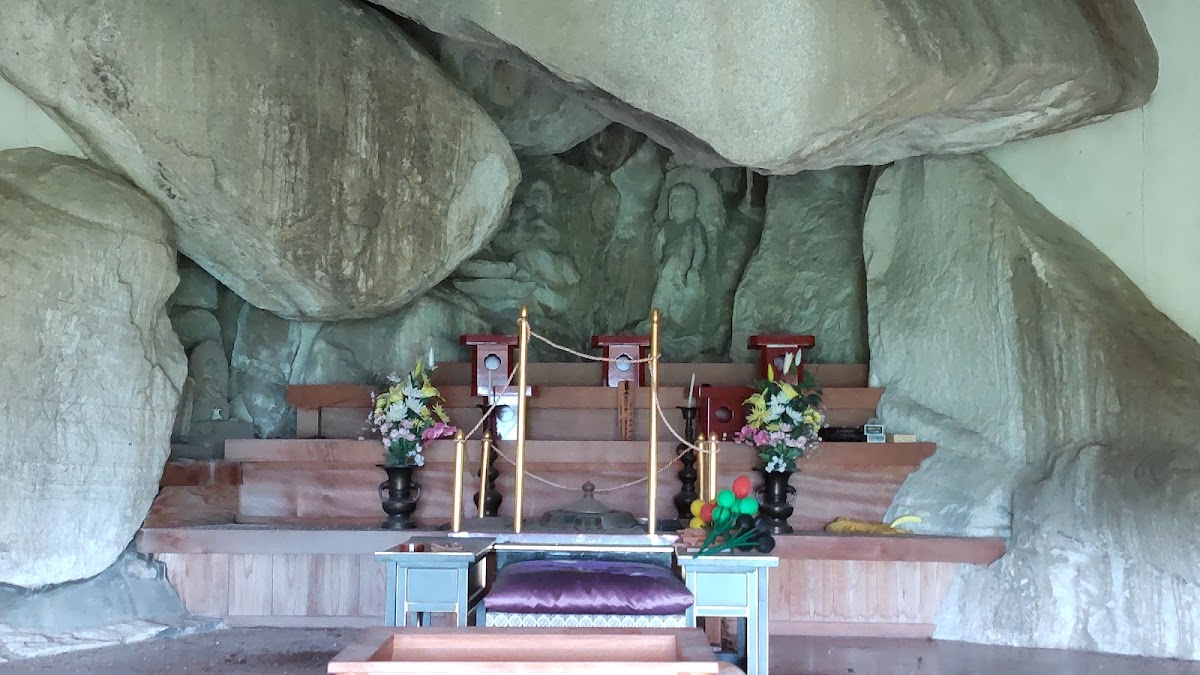
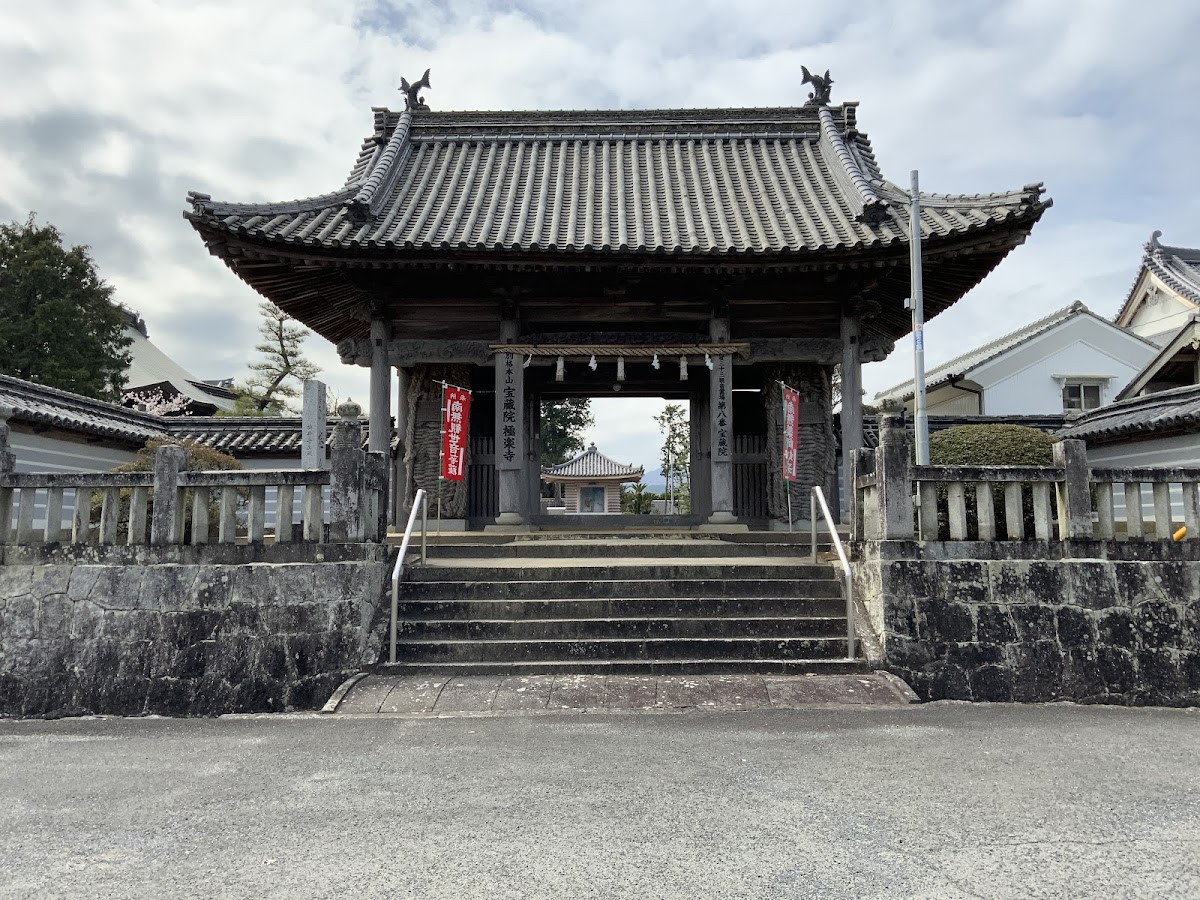
Complete Guide to Shigaraki-ji Temple (Sakaide City, Kagawa Prefecture) | Detailed Information on History, Access, and Sect
Sakaide City in Kagawa Prefecture is home to many temples that carry on history and tradition. Among them, Shigaraki-ji Temple is known as a temple deeply rooted in the community. This article provides detailed information on Shigaraki-ji Temple, from its basic information and history to access methods and information on surrounding temples.
Basic Information on Shigaraki-ji Temple
Location and Access
Shigaraki-ji Temple is located within Sakaide City, Kagawa Prefecture. There may be several temples named “Shigaraki-ji” in Sakaide City, each with different sects and histories.
Shigaraki-ji Temple in Hayashida-cho
- Address: 331-1 Hayashida-cho, Sakaide City, Kagawa Prefecture
- Phone Number: 0877-47-2744
- Nearest Station: Approximately 28 minutes on foot from JR Yosan Line “Yasoba Station”
Shigaraki-ji Temple in Takaya-cho
- Address: 1076-1 Takaya-cho, Sakaide City, Kagawa Prefecture
- Sect: Jodo Shinshu Honganji-ha
About the Sect
The sect of Shigaraki-ji Temple varies depending on its location. Shigaraki-ji Temple in Takaya-cho belongs to the Jodo Shinshu Honganji-ha sect and inherits the teachings of Jodo Shinshu Buddhism, with Shinran Shonin as its founder. The Jodo Shinshu Honganji-ha sect teaches that by chanting “Namu Amida Butsu,” one can be reborn in the Pure Land through the power of Amida Buddha’s vow.
Jodo Shinshu Honganji-ha temples, spread throughout Japan, engage in activities closely integrated with local communities, spreading Buddhist teachings through memorial services, Buddhist rituals, and interactions with parishioners.
Temple Culture in Sakaide City, Kagawa Prefecture
Geography and History of Sakaide City
Located almost in the center of Kagawa Prefecture, Sakaide City is known as the gateway to the Seto Ohashi Bridge. Facing the Seto Inland Sea, blessed with beautiful islands and abundant nature, it has flourished as a transportation hub since ancient times.
Sakaide City developed through the salt and shipbuilding industries, and while it still retains aspects of an industrial city, it also boasts numerous historical temples, shrines, and cultural assets. Temples of various sects, including Shingon, Tendai, and Jodo Shinshu, are scattered throughout the city, each functioning as a center of local faith.
Major Temples in Sakaide City
Besides Shigaraki-ji Temple, Sakaide City has many other historical and venerable temples.
Shiromineji Temple
- A temple of the Omuro branch of the Shingon sect
- The 81st temple of the Shikoku 88 Temple Pilgrimage
- Located on Goshikidai mountain, it has an observation deck offering a panoramic view of the Seto Ohashi Bridge
- Known for housing the mausoleum of Emperor Sutoku
Koshōin Tennōji Temple
- A temple of the Shingon sect
- The 79th temple of the Shikoku 88 Temple Pilgrimage
- Said to have been founded by Gyōki Bodhisattva during the Tenpyō era
Kannonji Temple
- A temple of the Sanuki 33 Kannon Pilgrimage
- A center of Kannon worship in the region
Hōjōji Temple
- Engaged in temple activities rooted in the local community
Zenkyōji Temple
- A Jōdo Shinshū temple that attracts local faith
These temples, each with different sects and histories, contribute to the religious culture of Sakaide City. In particular, Shiramine-ji Temple and Koshōin Tennō-ji Temple are well-known as pilgrimage sites on the Shikoku Pilgrimage, attracting many visitors from all over Japan.
How to Access Shigaraki-ji Temple
Access by Public Transportation
To Shigaraki-ji Temple in Hayashida-cho
- Get off at JR Yosan Line “Yasoba Station,” approximately 28 minutes on foot
- Approximately 15 minutes by taxi from Sakaide Station
To Shigaraki-ji Temple in Takaya-cho
- Approximately 10 minutes by car from the Takaya-cho intersection in Sakaide City
- Public transportation is limited, so using a taxi or private car is convenient
Access by Car
Traveling by car is convenient within Kagawa Prefecture. Sakaide City can be accessed via the following routes.
- Approximately 10 minutes from Sakaide IC on the Takamatsu Expressway to the city center
- Approximately 15 minutes from Sakaide Kita IC on the Seto-Chuo Expressway
- Accessible via National Route 11 and prefectural roads
It is recommended to inquire with the temple in advance regarding parking availability.
Access from surrounding areas
From Takamatsu City
- Approximately 20 minutes by JR Yosan Line
- Approximately 30 minutes by car via National Route 11
From Marugame City
- Approximately 10 minutes by JR Yosan Line
- Approximately 15 minutes by car
From Utazu Town and Ayagawa Town in Ayauta District
- Approximately 20 minutes by car
Kagawa Prefecture is relatively compact, and Takamatsu City, Marugame City, and Sakaide City are close to each other, making day trips to visit temples possible.
Temple Visits in Sakaide City
Connection to the Shikoku 88 Temple Pilgrimage
Sakaide City is one of the important bases for the Shikoku Pilgrimage. Within the city are the 79th temple, Kōshōin Tennōji, and the 81st temple, Shiramineji, both visited by many pilgrims. Since the 80th temple, Kokubunji, is located in Takamatsu City, the pilgrimage route typically passes through Sakaide City.
The Shikoku Pilgrimage is a pilgrimage visiting sacred sites associated with Kōbō Daishi (Kūkai), and boasts a history of over 1200 years. Even today, many worshippers visit throughout the year, praying for peace of mind and the fulfillment of their wishes.
Sanuki Thirty-Three Kannon Pilgrimage
Within Kagawa Prefecture lies the Sanuki Thirty-Three Kannon Pilgrimage, a pilgrimage route visiting temples that enshrine Kannon Bodhisattva as their principal deity. There are also temples within Sakaide City, and the area is known for its strong Kannon faith.
Recommended Temple Tour Courses
Full-Day Course
- Morning: Visit Shiramine-ji Temple and enjoy the view of the Seto Ohashi Bridge from the observation deck
- Lunch: Enjoy Sanuki Udon noodles in Sakaide City
- Afternoon: Visit Koshōin Tennō-ji Temple
- Evening: Visit other temples in the city, such as Shigaraki-ji Temple
Half-Day Course
- Visit 3-4 temples, mainly in Sakaide City
- Traveling by car is efficient
Cemetery and Burial Ground Information
Cemetery and Burial Ground Situation in Sakaide City
In and around Sakaide City, Kagawa Prefecture, there are various types of cemeteries, including temple cemeteries, public cemeteries, and private cemeteries. When searching for a grave, it is a good idea to consider the following points.
Types of Cemeteries
- Temple Cemetery: Cemeteries managed by temples such as Shigaraki-ji Temple. Becoming a temple parishioner is often a requirement.
- Public Cemetery: Cemeteries managed by municipalities. Often available to people of all religious denominations.
- Private Cemetery: A cemetery operated by a private company. A key feature is its excellent facilities.
Points to consider when choosing a cemetery
- Sect: Does it accommodate your desired sect (e.g., Jodo Shinshu, Shingon, Tendai)?
- Access: Distance from your home and convenience of public transportation.
- Cost: Total cost including perpetual use fee, management fee, and tombstone cost.
- Facilities: Abundance of facilities such as parking, rest areas, and water supply.
- Environment: Sunlight, scenery, tranquility, etc.
The process of building a grave
- Information gathering: Search for information on cemeteries and burial grounds online and through word of mouth.
- On-site visit: Actually visit several cemeteries to check the atmosphere and facilities.
- Plot selection: Choose your desired plot and complete the contract procedures.
- Tombstone selection: Consult with a stonemason to decide on the design and budget.
- Construction: Construction of the tombstone (usually 2-3 months).
- Consecration ceremony: After completion, invite a monk to perform the consecration ceremony.
Regarding Grave Closure
In recent years, due to the declining birthrate, aging population, and population concentration in urban areas, more families are considering “grave closure.” Grave closure involves removing an existing grave and moving the remains to another location.
Steps for Grave Closure
- Reaching an agreement among relatives
- Deciding on a new burial site (e.g., perpetual memorial grave, columbarium, scattering of ashes)
- Consulting with the current cemetery administrator
- Administrative procedures (application for reburial permit)
- Performing a closing ceremony
- Removing the gravestone and retrieving the remains
- Interment at the new burial site
If you are considering grave closure in Sakaide City, you will need to go through procedures at the city hall and consult with temples such as Shigaraki-ji Temple. Many stonemasons and funeral homes offer free consultations, so we recommend starting by gathering information.
Tourist Attractions in Sakaide City
Spectacular Views of the Seto Ohashi Bridge and the Seto Inland Sea
Sakaide City is the gateway to the Seto Ohashi Bridge, offering a superb location to enjoy the magnificent bridge scenery. In particular, the observation deck at the entrance to the Shiramine-ji Temple approach offers a panoramic view of the Seto Ohashi Bridge, combined with the beautiful archipelago of the Seto Inland Sea, creating a truly spectacular sight.
Cultural Facilities
Kagawa Prefectural Higashiyama Kaii Setouchi Museum
- Exhibits works by Japanese painter Higashiyama Kaii
- Beautiful location overlooking the Seto Inland Sea
Yotsuya Simon Doll Museum Tan’o-so
- Exhibits works by doll artist Yotsuya Simon
- Museum utilizing a historical building
Ozawa Tsuyoshi Sanuki Soy Sauce Painting Museum
- Exhibits unique works by contemporary artist Ozawa Tsuyoshi
Nature and History
Sakaide City is blessed with a rich natural environment, including rural areas and satoyama (traditional Japanese rural landscapes), making it ideal for hiking and nature walks. Furthermore, the region’s unique history and culture, including its salt industry history and the maritime culture of the Seto Inland Sea, are also attractive.
Temple Information around Sakaide City
Temples in Takamatsu City
Takamatsu City, the capital of Kagawa Prefecture, has many historical temples.
- Yashima-ji Temple (Shikoku 88 Temple Pilgrimage, Temple No. 84)
- Yakuri-ji Temple (Shikoku 88 Temple Pilgrimage, Temple No. 85)
- Kokubun-ji Temple (Shikoku 88 Temple Pilgrimage, Temple No. 80)
These temples are accessible from Sakaide City in about 30 minutes by car and can be visited in conjunction with a temple tour.
Temples in Marugame City
Marugame City, located west of Sakaide City, also has many temples. Marugame City is a castle town known for Marugame Castle, and many historical temples and shrines remain.
Temples in Ayauta District
Utazu Town and Ayagawa Town in Ayauta District also have many temples rooted in the local community. These areas are adjacent to Sakaide City, making it possible to visit temples in a wide area.
Manners and Etiquette for Temple Visits
Basic Manners for Temple Visits
When visiting a temple, please observe the following basic manners:
- Attire: Dress modestly and cleanly.
- Temple Gate: Bow before entering the temple grounds.
- Water Basin: Cleanse your hands and mouth.
- Main Hall: Worship quietly and be considerate of other worshippers.
- Photography: Take photos only in permitted areas.
- Offering: Offer according to your feelings.
Jodo Shinshu Worship Etiquette
Shigaraki-ji Temple (Takaya-cho) is a Jodo Shinshu Honganji-ha temple. The Jodo Shinshu worship etiquette is as follows:
- Join hands in prayer and bow in front of the main hall.
- Recite the Nembutsu, “Namu Amida Butsu.”
- Bow deeply.
In Jodo Shinshu Buddhism, clapping hands is not performed; instead, the Nembutsu is recited quietly with hands joined in prayer.
Connections with the Community
Role of Temples
Temples in Sakaide City, including Shigaraki-ji Temple, are not merely religious facilities, but also play a central role in the local community.
- Memorial Services: A venue for annual memorial services and ancestral worship.
- Annual Events: Events such as Obon, Higan, and Segaki-e.
- Community Interaction: Holding temple schools and cultural classes.
- Consultation Services: Life counseling and advice on personal problems.
Danka System
Many temples in Japan operate under the Danka system. A Danka is a family that financially supports a specific temple and, in return, receives religious services such as funerals and memorial services.
It is highly likely that Shigaraki-ji Temple also employs a danka (parishioner) system, and by becoming a danka, you can receive services such as the right to use a cemetery plot and the implementation of various memorial services.
Points to Note When Visiting Temples in Sakaide City
Pre-Visit Check
When visiting a temple, it is recommended to check the following points in advance:
- Opening Hours: The hours during which visitors can pray
- Memorial Service Schedule: General visits may be restricted on days with major memorial services
- Parking: Availability and location of parking spaces
- Admission Fee: An admission fee may be required for special viewings
Seasonal Highlights
Temples in Sakaide City offer the beauty of each season.
- Spring: A season of beautiful cherry blossoms and fresh greenery
- Summer: Lush greenery and the sound of cicadas
- Autumn: Autumn leaves color the temple grounds
- Winter: A dignified atmosphere enveloped in silence
The seasonal changes in scenery are particularly noticeable at mountain temples such as Shiramine-ji Temple. ## Summary
Shigaraki-ji Temple in Sakaide City, Kagawa Prefecture, has long served as a center of faith for local residents, deeply rooted in the community. The two Shigaraki-ji temples, located in Hayashida-cho and Takaya-cho, each possess distinct characteristics while playing a vital role in the local community.
Sakaide City, as the gateway to the Seto Ohashi Bridge, is an attractive tourist destination. Visiting not only renowned temples like Shiramine-ji and Koshōin Tennō-ji, but also community-oriented temples like Shigaraki-ji, allows for a deeper understanding of Sakaide City’s history and culture.
When planning a temple tour, be sure to check public transportation and car access methods, and observe proper temple etiquette. Sakaide City also offers diverse options for those seeking cemeteries or burial plots. Utilize free consultations and detailed information searches to find a suitable plot.
When visiting Sakaide City, Kagawa Prefecture, why not explore the region’s history, culture, and the faith of its people through a temple tour, including Shigaraki-ji? Combined with the beautiful scenery of the Seto Inland Sea, this will surely be a memorable experience.