Complete Guide to Shinkawa Daijingu Shrine | A 400-Year-Old Shrine in Chuo Ward, Tokyo, as the Guardian Deity of Edo Sake Wholesalers
Shinkawa Daijingu Shrine, located in Shinkawa 1-chome, Chuo Ward, Tokyo, is a historic shrine founded in 1625 (Kanei 2) during the early Edo period. Beginning as a place of worship for Ise Grand Shrine, it has been revered as the guardian deity of sake wholesalers from the Edo period to the present day. This article comprehensively explains information useful for visiting Shinkawa Daijingu Shrine, including its history, enshrined deities, annual events, and access methods.
What is Shinkawa Daijingu Shrine? | An Edo Shrine that Began as a Place of Worship for Ise Grand Shrine
Shinkawa Daijingu Shrine was founded as a place of worship for Ise Grand Shrine (Naiku and Geku). A place of worship is a facility established for worshipping deities from a distance, and in the Edo period, many such facilities were set up in various locations for people who had difficulty making a pilgrimage to Ise.
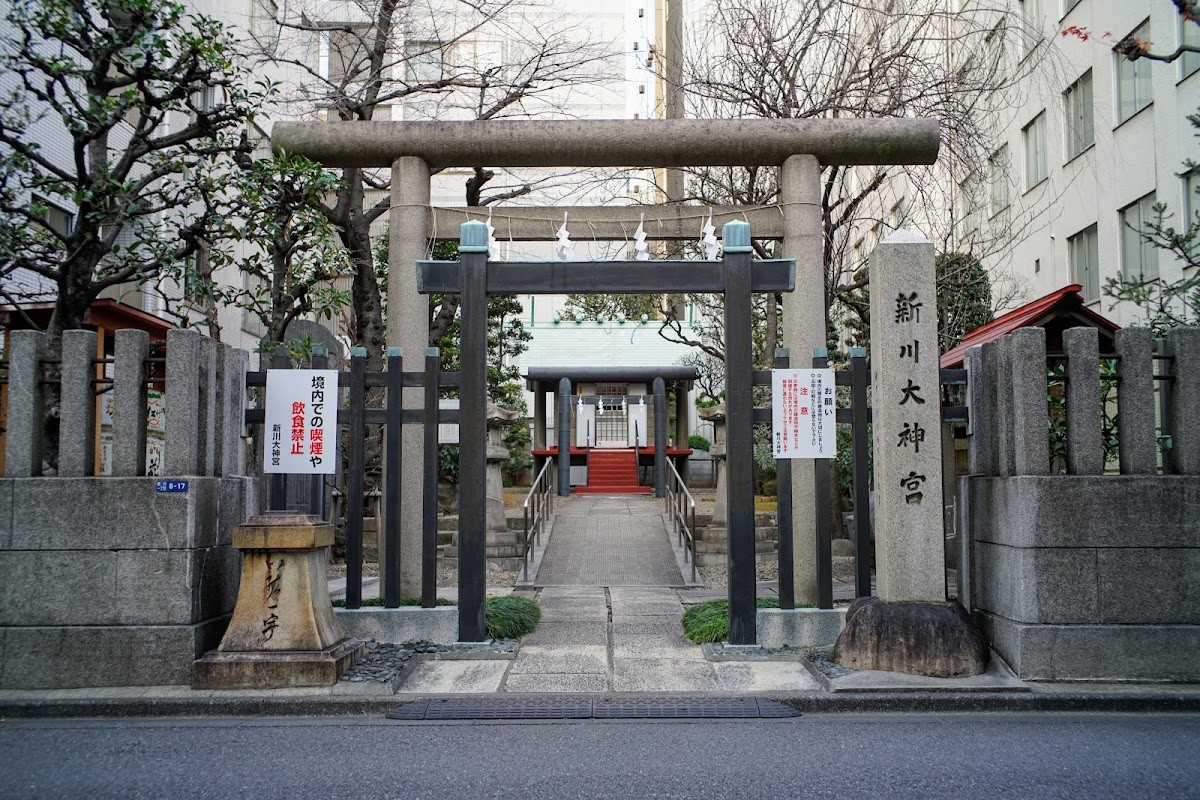
Still located at 1-8-17 Shinkawa, Chuo-ku, Tokyo, the shrine maintains a tranquil atmosphere despite its central location within walking distance of Kayabacho and Hatchobori stations. Though small, the meticulously maintained grounds leave visitors with a refreshing impression.
Deities and Divine Virtues
The deities enshrined at Shinkawa Grand Shrine are the same as those at Ise Grand Shrine:
- Amaterasu Omikami: The deity of the Inner Shrine, the supreme deity of Japan
- Toyouke Omikami: The deity of the Outer Shrine, the goddess who presides over food and grains
These deities are believed to bestow blessings such as abundant harvests, business prosperity, and family safety. The shrine is particularly revered by those involved in the sake brewing and sales industries, and is known as the “guardian deity of Edo sake wholesalers.”
The History of Shinkawa Grand Shrine | A 400-Year Story from the Kan’ei Era to the Reiwa Era
Origins of the Shrine (Kan’ei 2, 1625)
The history of Shinkawa Grand Shrine dates back to Kan’ei 2 (1625). Keikōin Shūsei Shōnin received a residence in Edo Daikan-chō from Tokugawa Hidetada, the second Tokugawa shogun. It is believed that the establishment of a place for distant worship of Ise Grand Shrine (Naiku and Geku) within this residence marked the beginning of Shinkawa Grand Shrine.
At that time, Edo was rapidly developing, and many people desired to make a pilgrimage to Ise, but long-distance travel was not easy. Therefore, the establishment of a place in Edo where people could distantly worship Ise Grand Shrine was of great significance to ordinary people.
The Great Fire of Meireki and the Relocation to Reiganjima (1657)
Approximately 30 years after its founding, in 1657 (Meireki 3), the Shinkawa Grand Shrine was destroyed by the Great Fire of Meireki (Furisode Fire), which struck Edo. This unprecedented fire burned down most of Edo, and many temples and shrines were also damaged.
After the fire, the shogunate granted the shrine a replacement site on Reiganjima, and in 1659 (Manji 1), the shrine was relocated to its current location in Shinkawa. This area was close to the Sumida River and had developed as a key point for water transport.
Deep Ties with Sake Wholesalers
After relocating to Shinkawa, the Shinkawa Grand Shrine developed deep ties with sake wholesalers. During the Edo period, many sake wholesalers were concentrated around Shinkawa. Sake transported from the Kansai region to Edo was called “kudari-zake” (downbound sake), and Shinkawa, in particular, flourished as a distribution hub for sake in Edo.
The sake was packed in wooden barrels and transported on specialized ships called tarukaisen (barrel ships). The practice of wrapping the barrels in straw mats (komo) to prevent damage is said to be the origin of the komokaburi (straw mat crown), still seen at celebrations today, or what is known as komodaru (straw-wrapped barrel).
Sake wholesalers devoutly worshipped Shinkawa Grand Shrine, praying for the safety and prosperity of their businesses. The shrine, in turn, played a role as the guardian deity of the sake wholesalers, and this relationship continues to this day.
Developments since the Modern Era
With the Meiji Restoration, many temples and shrines were affected by the separation of Shinto and Buddhism, but Shinkawa Grand Shrine survived as a Shinto shrine. Even as the Taisho and Showa eras progressed, it continued to attract worshippers as the local tutelary deity and the guardian deity of sake wholesalers.
During World War II, the shrine suffered damage from the Tokyo air raids, with its main building being destroyed by fire. However, in 1952, after the war, the shrine was rebuilt with the support of volunteers from sake wholesalers nationwide. This reconstruction demonstrates that Shinkawa Grand Shrine was not merely a local shrine, but was widely revered by people involved in sake brewing and sales throughout Japan.
Even as the era shifted from Heisei to Reiwa, Shinkawa Grand Shrine has remained in this location for over 350 years, and continues to welcome many worshippers.
Annual Events at Shinkawa Grand Shrine | Festivals Inheriting Tradition
Shinkawa Grand Shrine holds various events throughout the year. Here are some of the most noteworthy events:
Annual Grand Festival
The annual grand festival at Shinkawa Grand Shrine is the most important annual event for the shrine. During the festival, gratitude is offered to the enshrined deity, and prayers are offered for the peace and well-being of the parishioners and worshippers. It has deep ties with neighboring shrines such as Tomioka Hachimangu Shrine and plays a vital role in the region’s festival culture.
During the annual festival, the usually quiet shrine grounds become bustling with many worshippers, allowing visitors to experience the atmosphere of a traditional festival.
Shinkawa Daijingu Taruzake Festival | Bringing Edo-era traditions to the modern age
In recent years, the “Shinkawa Daijingu Taruzake Festival” has attracted particular attention at Shinkawa Daijingu Shrine. This festival is a relatively new event, started in 2019 by volunteers from the shrine’s representatives, but it is rooted in history, reviving the Edo-era tradition of selling sake by the measure from barrels as a way to mark the end of the work year and celebrate the New Year.
Features of the Taruzake Festival:
- Date: Late December every year (around the end of the work year, usually December 26th or 27th)
- Content: Tasting of “Kudari-zake” (sake delivered down the river) from several breweries in the Shinkawa area, and sales of barrel-aged sake by the measure.
- Participating Breweries: Approximately 6 breweries participate each year.
- Purpose: To pass on the sake culture of Shinkawa from the Edo period to the present day and revitalize the region.
The 6th festival was held in 2024, and the 7th is scheduled for 2025. This event is attracting attention from both within and outside the region as an attempt to revive the historical connection between Shinkawa Grand Shrine and sake in the modern age.
The Taruzake Festival is not just an event, but a valuable opportunity to experience Shinkawa’s sake culture that has continued since the Edo period. You can enjoy fresh barrel-aged sake through the traditional sales method of selling by the measure.
360th Anniversary of the Opening of the Shinkawa Canal
To commemorate the 360th anniversary of the opening of the Shinkawa Canal (the origin of the place name Shinkawa), Shinkawa Grand Shrine is holding commemorative events. This provides an opportunity to reflect on the history and development of this region and pass it on to the future.
Highlights of the Shrine Grounds | A Compact Yet Carefully Managed Space
The grounds of Shinkawa Grand Shrine are relatively small for a shrine in the city center, but they are meticulously maintained, resulting in a clean and pleasant space.
Shrine Building
The current shrine building was rebuilt in 1952 (Showa 27) with the support of volunteers from sake wholesalers nationwide. Built during the post-war reconstruction period, the shrine building retains the style of traditional shrine architecture while also considering modern ease of maintenance.
Although small, the shrine building exudes a sense of dignity as a place of worship for Ise Grand Shrine. Worshippers pray here, thinking of Ise Grand Shrine, located far away in Ise. ### Atmosphere of the Shrine Grounds
In contrast to the surrounding cityscape, the grounds of Shinkawa Grand Shrine exude a tranquil atmosphere. Stepping away from the hustle and bustle of the city, one enters a peaceful world, providing an environment conducive to calm and peaceful worship.
The grounds are always meticulously cleaned, and seasonal flowers are planted throughout. Though small, it’s a space where you can feel the care and hospitality shown to visitors.
Komainu (Guardian Dogs) and Stone Monuments
The grounds feature ancient guardian dogs (komainu) and stone monuments. These are valuable cultural assets that tell the long history of Shinkawa Grand Shrine; be sure to take a look when you visit.
Access and Visiting Information | Within Walking Distance of Kayabacho Station and Hatchobori Station
Location
Address: 1-8-17 Shinkawa, Chuo-ku, Tokyo
Nearest Stations and Access
Shinkawa Grand Shrine is conveniently located within walking distance of several stations.
From Kayabacho Station:
- Approximately 4 minutes on foot from Exit 4b of Kayabacho Station on the Tokyo Metro Tozai Line and Hibiya Line.
- This is the closest station and offers convenient access.
From Hatchobori Station:
- Approximately 6-7 minutes on foot from Hatchobori Station on the JR Keiyo Line and Tokyo Metro Hibiya Line.
- Walk towards Shinkawa.
From Nihonbashi Station:
- Approximately 10 minutes on foot from Nihonbashi Station on various Tokyo Metro lines.
- This is a walking route towards the Sumida River.
Visiting Hours and Precautions
Shinkawa Grand Shrine is generally open for worship all day, but the hours of operation at the shrine office may be limited. If you wish to obtain a Goshuin (shrine stamp) or amulet, it is recommended to check the official website in advance or visit during weekday daytime hours.
The shrine grounds are small, so please refrain from visiting in large groups or speaking loudly, and worship quietly. Photography is permitted, but please be considerate of other worshippers.
Nearby Attractions
Around Shinkawa Grand Shrine, there are many other historical shrines and temples. Visiting the shrines around Kayabacho Station and Hatchobori Station will allow you to experience the history of this area, which dates back to the Edo period, more deeply.
- Temples and Shrines around Reiganjima: The Reiganjima area, where Shinkawa Grand Shrine was relocated, also has other historical temples and shrines.
- Strolling along the Sumida River: Shinkawa is close to the Sumida River, and you can enjoy strolling along the river.
- Nihonbashi Area: The Nihonbashi area, within walking distance, has many long-established shops and historical buildings.
Shinkawa Grand Shrine and Edo’s Sake Culture | The Era of Downstream Sake and Barrel Ships
When discussing Shinkawa Grand Shrine, its relationship with Edo-period sake culture is essential.
Shinkawa: The Center of Edo’s Sake Distribution
During the Edo period, sake brewed in the Kansai region (mainly Nada in Hyogo Prefecture and Fushimi in Kyoto) was transported to Edo by sea. This was called “Kudari-zake” (downbound sake), and Edoites highly valued sake from the Kansai region. Conversely, sake brewed in Edo was called “Jimawari-zake” (local sake) and was considered inferior to Kudari-zake.
Kudari-zake was transported from Osaka to Edo in specialized ships called Taru-kaisen (barrel ships), and unloaded at the riverbanks around Shinkawa. Therefore, many sake wholesalers lined the streets of Shinkawa, making it a major hub for sake distribution in Edo.
The Birth of Komodaru and Sake Culture
Wooden barrels used to transport sake were at risk of damage during long voyages. Therefore, wrapping the barrels with komo (straw mats) for protection marked the beginning of the komodaru.
The komodaru eventually became established as a symbol of sake and celebrations. Even today, komodaru seen at shrine offerings and celebratory events are a product of this Edo-period ingenuity in sake transportation.
As the Guardian Deity of Sake Wholesalers
As many sake wholesalers gathered in Shinkawa, Shinkawa Grand Shrine naturally became a place of worship for them. Sake wholesalers visited Shinkawa Grand Shrine to pray for the safety and prosperity of their businesses, and for the safe delivery of sake to Edo.
This faith was not merely a prayer for business success, but also an expression of reverence for those who handled sake, a sacred beverage. In Japan, since ancient times, sake has been considered indispensable to Shinto rituals, and sake brewing and sales have been regarded as sacred work.
The fact that sake wholesalers from all over the country sponsored the reconstruction of the shrine after World War II demonstrates that Shinkawa Grand Shrine was not merely a local shrine in Shinkawa, but a special presence for the sake industry nationwide.
Shinkawa Grand Shrine and Edo Meisho Zue (Illustrated Guide to Famous Places of Edo) | Its Appearance as Recorded in Edo Period Documents
Shinkawa Grand Shrine also appears in Edo period geographical records and guidebooks. Particularly famous is the “Edo Meisho Zue” (Illustrated Guide to Famous Places of Edo).
The Edo Meisho Zue (Illustrated Guide to Famous Places of Edo) is an illustrated geographical guide published during the Tenpo era (1830s) introducing famous places in Edo, and is a valuable historical document for understanding Edo at that time. Shinkawa Grand Shrine is also depicted in it, indicating that it was already recognized as an important local shrine during the Edo period.
The depiction of Shinkawa Grand Shrine in the Edo Meisho Zue conveys a different appearance of the shrine buildings and grounds during the Edo period, making it a valuable resource for historical research.
Shinkawa Grand Shrine in the Modern Era | A Link Between the Community and the Sake Industry
Even in the Reiwa era, Shinkawa Grand Shrine continues to play an important role as the local tutelary deity and the guardian deity of the sake industry.
Center of the Local Community
Shinkawa in Chuo Ward has developed into an office district, but Shinkawa Grand Shrine remains a valuable presence that conveys the history of the area. Local residents and people from nearby companies visit the shrine, finding it a spiritual anchor.
Events such as the annual festival provide opportunities for the local community to gather, maintaining community ties despite its central urban location.
Ongoing Relationship with the Sake Industry
The holding of the Shinkawa Daijingu Taruzake Festival demonstrates the enduring relationship with the sake industry that dates back to the Edo period. Shinkawa Daijingu remains a shrine of special significance for sake breweries and retailers nationwide.
Every year, breweries that uphold traditional sake-making methods participate in the Taruzake Festival, passing on the Edo-period culture of sake distribution to the present day. This is not merely a sales event, but a cultural activity that passes on Japanese sake culture to future generations.
Value as a Tourist Resource
In recent years, Shinkawa Daijingu has attracted attention from tourists as a hidden historical spot in Tokyo. It has been featured in the Chuo Ward Tourism Association’s correspondent blog, and is becoming recognized as a new option for Tokyo sightseeing.
It is often included in shrine-hopping courses around Kayabacho and Hatchobori, attracting history buffs and those who enjoy visiting shrines.
Manners and Etiquette for Visiting | Correct Way to Worship
This section introduces basic manners and etiquette for visiting Shinkawa Daijingu.
Basic Procedure for Worship
- Bow before passing through the torii gate: This is a courtesy before entering the sacred area.
- Purify yourself at the water basin: Cleanse your hands and mouth (omit this step if there is no water basin).
- Proceed to the front of the shrine: The center of the path is considered the path of the gods, so walk along the sides.
- Offer your donation: Carefully place your donation in the offering box.
- Two bows, two claps, one bow: Bow deeply twice, clap twice, and bow deeply once.
- Bow upon leaving: Turn around and bow before leaving the torii gate.
How to Make a Prayer
When worshipping, it is considered good practice to first state your address and name in your heart, express your gratitude for everyday blessings, and then make your wish. Shinkawa Grand Shrine is said to bestow blessings for business prosperity, family safety, and abundant harvests, but it is important to pray with a sincere heart, regardless of the type of wish.
Photography Etiquette
Photography is generally permitted on the shrine grounds, but please observe the following points:
- Be considerate and avoid including other worshippers in your photos.
- Refrain from photographing inside the shrine buildings or sacred areas.
- Use flash sparingly.
- Avoid loud conversations and noisy behavior.
Goshuin and Souvenirs | A Memento of Your Visit
At Shinkawa Grand Shrine, you can receive goshuin (shrine stamps) and various souvenirs (during the shrine office’s opening hours).
About Goshuin
Goshuin are ink writings and red seals given as proof of visiting a shrine. Shinkawa Grand Shrine’s goshuin are written in a simple yet dignified style.
When receiving a goshuin, please bring your goshuincho (stamp book) and politely request it at the shrine office. The goshuin fee (offering) is generally around 300 to 500 yen, but please follow the shrine’s instructions.
Items Offered
Shinkawa Grand Shrine offers various items such as amulets and talismans. In particular, the amulets for business prosperity and family safety are imbued with the divine blessings unique to Shinkawa Grand Shrine as the guardian deity of sake wholesalers.
Summary | The Charm of Shinkawa Grand Shrine with 400 Years of History
Shinkawa Grand Shrine is a historic shrine that has stood in Shinkawa, Tokyo, for approximately 400 years since its founding in 1625. Beginning as a place of worship for Ise Grand Shrine, it was relocated to its current location after the Great Fire of Meireki, and has been revered as the guardian deity of sake wholesalers from the Edo period to the present day.
With its small but meticulously maintained grounds, deep connection to Edo’s sake culture, and the revival of the Taruzake Festival in the Reiwa era, Shinkawa Grand Shrine embodies a coexistence of history, tradition, and new initiatives.
Located just a 4-minute walk from Kayabacho Station, Shinkawa Grand Shrine boasts a tranquil atmosphere that makes you forget the hustle and bustle of the city. Whether you’re sightseeing in Tokyo or just passing through your daily life, why not visit it sometime? You’ll be able to feel the weight of history that has continued since the Edo period, as well as the presence of a shrine living in the modern age.