Complete Guide to Shin-Kotoni Shrine | History of the Tondenhei (frontier soldiers), Goshuin (shrine seals), Prayers, and Festival Information
Shinkotoni Shrine, located in Kita-ku, Sapporo, is a historic shrine founded in the Meiji era alongside the arrival of Tondenhei (frontier soldiers) settlers. It is enshrined as the guardian deity of pioneering and continues to attract many worshippers as the guardian shrine of northern Sapporo. This article provides detailed information useful for visitors, including the history of Shin-Kotoni Shrine, Goshuin (shrine seals), prayers, annual events, and access methods.
About Shin-Kotoni Shrine
Shinkotoni Shrine is a shrine deeply connected to the history of Hokkaido’s development. Located at Shin-Kotoni 8-jo 3-chome, Kita-ku, Sapporo, it is a beloved center of faith for the local people.
Deities and Divine Virtues
Three deities are enshrined at Shin-Kotoni Shrine.
- Amaterasu Omikami: The supreme deity in Japanese mythology and the ancestral deity of the Imperial Family
- Toyouke Omikami: The deity who presides over food and grains
- Emperor Jimmu: The first emperor of Japan
These three deities are revered as gods of education and learning, commerce and industry, martial prowess, and protection of safe childbirth and child-rearing.
Main Benefits
The benefits you can receive at Shinkotoni Shrine are diverse.
- Safe childbirth and fertility
- Academic success
- Business prosperity
- Family safety
- Protection from evil
- Improvement in performing arts
- Good fortune and prosperity
Many visitors come seeking blessings for safe childbirth and academic success, and during exam season, many students and their parents visit.
History of Shin-Kotoni Shrine
Settlement of Tondenhei and Founding of the Shrine
The history of Shin-Kotoni Shrine begins on May 20, 1887 (Meiji 20). On this day, the 3rd Company of the 1st Battalion of the Army’s Tondenhei Infantry settled in Shin-Kotoni, north of the Sapporo headquarters of the Hokkaido Development Commission.
The Tondenhei were a system of soldiers and farmers integrated into one, established by the Meiji government for the purpose of developing Hokkaido and guarding the border. The Tondenhei settlers needed a place of faith to provide spiritual support as they carried out the difficult task of development.
Shortly after settling, they selected a sacred site east of their company headquarters (now designated as a Sapporo City Tangible Cultural Property), where a pure spring flowed, and designated it as the site for their shrine. A small shrine was built, enshrining three deities: Amaterasu Omikami, Toyouke Omikami, and Emperor Jimmu. This shrine, dedicated to the guardian deities of the development, marked the founding of Shin-Kotoni Shrine. ### Development of the Shrine and Construction of the Shrine Buildings
Shin-Kotoni Shrine was developed and improved in line with the development of the surrounding area.
- May 19, 1906 (Meiji 39): Dedication Ceremony (Construction of the Inner Sanctuary) Held
- September 21, 1913 (Taisho 2): Dedication Ceremony (Construction of the Shrine Building) Held
- March 3, 1917 (Taisho 6): Establishment Permit Received from the Ministry of Home Affairs
- June 30, 1925 (Taisho 14): Ranked as a Village Shrine
- September 11, 1925 (Taisho 14): Designated as a Shrine Receiving Offerings of Sacred Food and Cloth
- December 25, 1931 (Showa 6): Completion of New Shrine Office
During the Taisho era, the shrine received formal recognition as a shrine and was ranked as a village shrine, establishing its position as a central shrine in the region.
The Current Shin-Kotoni Shrine
Currently, Shin-Kotoni Shrine is a leading shrine in northern Sapporo City, boasting approximately 35,000 parishioners and hundreds of thousands of worshippers. It is cherished by many as the guardian shrine of the region and as a valuable cultural heritage site that conveys the history of Hokkaido’s development.
Goshuin (Shrine Seals) and Amulets
About Goshuin
Shinkotoni Shrine offers goshuin as proof of worship. Goshuin are available at the shrine office from 9:00 AM to 5:00 PM.
The goshuin features the shrine’s name and the date of visit written in ink, and stamped with a red seal. You can bring your own goshuincho (seal book), or the shrine provides goshuincho, making it easy for first-time visitors to receive a goshuin.
In recent years, “goshuin pilgrimages” have become popular, and Shin-Kotoni Shrine has become a popular spot for many goshuin enthusiasts.
Types of Amulets and Talismans
Shinkotoni Shrine offers various types of amulets and talismans.
Types of Amulets
- Ise Grand Shrine Amulet (Amaterasu Omikami)
- Shinkotoni Shrine Amulet
- Various Amulets for Specific Wishes (Academic Success, Business Prosperity, etc.)
Types of Talismans
- Safe Childbirth Amulet
- Academic Success Amulet
- Traffic Safety Amulet
- Protection from Evil Amulet
- Health Amulet
- Good Fortune Amulet
Each amulet can be chosen according to the worshipper’s wishes. It is believed that wearing an amulet at all times will bring divine protection.
Prayers and Life Rituals
Types of Prayers and Wishes
Shinkotoni Shrine accepts prayers for various wishes.
Main Prayers
- Prayer for Family Safety
- Prayer for Exorcism of Evil Spirits
- Prayer for Safe Childbirth
- First Shrine Visit (Omiyamairi)
- Shichi-Go-San Ceremony
- Prayer for Success in Exams/Academic Achievement
- Business Prosperity
- Traffic Safety
- Recovery from Illness
- Groundbreaking Ceremony
- Ridgepole Raising Ceremony
How to Request a Prayer
Advance reservations are recommended for prayers. Especially on weekends, holidays, during the Shichi-Go-San season (mid-October to mid-November), and during the New Year’s period (January 1st to 3rd), congestion is expected, so we recommend contacting the shrine in advance to make a reservation.
The shrine is open from 9:00 AM to 5:00 PM, and reception is available at the shrine office during these hours. The offering fee (price) for prayers varies depending on the prayer; please contact the shrine for details.
Life Rituals
Shinkotoni Shrine performs various rituals for important milestones in life.
First Shrine Visit (Omiyamairi)
This is a ceremony where a baby visits a shrine for the first time after birth. While the formal ceremony is on the 31st day after birth for boys and the 32nd day for girls, nowadays it is generally performed between one and three months after birth, taking into consideration the health of the mother and child and the weather.
Shichi-Go-San Ceremony
This ceremony celebrates the growth of children at ages 3 (boys and girls), 5 (boys), and 7 (girls), and prays for their continued healthy growth. Many families visit between mid-October and mid-November each year.
Coming-of-Age Ceremony
This ceremony reports to the gods that one has reached adulthood and prays for a safe and peaceful life ahead.
Wedding Ceremony
Shinto wedding ceremonies are also held. Popular with couples who desire a traditional Japanese wedding.
Off-Site Ceremonies
Shinkotoni Shrine also accepts requests for ceremonies to be performed by Shinto priests at other locations.
- Groundbreaking Ceremony: A ceremony to appease the land gods and pray for the safety of the construction before building a structure.
- Roof-Raising Ceremony: A ceremony held when the building’s framework is completed.
- Completion Ceremony: A ceremony held when the building is completed.
- Shinto Altar Ceremony: A ceremony held when a new Shinto altar is installed.
- House Purification Ceremony: A purification ceremony held when moving into a newly built or used house.
If you wish to have a ceremony held at your location, you must contact the shrine in advance to discuss the date and details.
Shinto Funeral Ceremonies
Shinkotoni Shrine also performs Shinto funeral ceremonies. Unlike Buddhist funerals, Shinto funeral ceremonies are based on the idea of enshrining the deceased as a guardian deity of the house.
If you wish to have a Shinto funeral ceremony, you can consult with the shrine in advance to receive a detailed explanation of the funeral process and preparations.
Annual Events and Festivals
Shinkotoni Shrine holds various rituals and ceremonies throughout the year.
Main Annual Events
January
- January 1st: New Year’s Day Festival/First Shrine Visit of the Year
- January 15th: Dondo-yaki (Burning of Old Amulets)
February
- February 3rd: Setsubun Festival/Exorcism Prayer
March
- Spring Equinox: Spring Imperial Ancestor Worship Ceremony
May
- May 20th: Spring Grand Festival (Founding Anniversary)
June
- June 30th: Summer Purification Ceremony
July
- July 1st-31st: Summer Pilgrimage Period
September
- Mid-September: Autumn Grand Festival
- Autumn Equinox: Autumn Imperial Ancestor Worship Ceremony
November
- November 15th: Shichi-Go-San Pilgrimage (Mid-October-Mid-November)
- November 23rd: Niiname-sai (Harvest Festival)
December
- December 31st: Oharae-shiki (Great Purification Ceremony) and Joya-sai (New Year’s Eve Festival)
Spring Grand Festival
The Spring Grand Festival, held on May 20th, is one of the most important festivals at Shinkotoni Shrine. This day marks the day when the Tondenhei (frontier soldiers) settled in Shinkotoni, and it is also the anniversary of the shrine’s founding.
During the festival, a portable shrine procession and offering ceremonies are held, and local people gather to reflect on the history of the shrine and offer their gratitude.
Autumn Grand Festival
The Autumn Grand Festival, held in mid-September, is a festival to offer thanks for the harvest. Food stalls are often set up, and it is a lively local festival attended by many people.
The portable shrine parades through the area, and children’s portable shrines also appear, enveloping the entire community in a festive atmosphere.
Summer Pilgrimage
In recent years, the “Summer Pilgrimage” has been attracting attention. From July 1st to 31st, visiting the shrine to pray for safety during the summer is recommended.
Summer pilgrimages are a relatively new custom, but they signify visiting a shrine at the halfway point of the year to express gratitude for safety during the first half and pray for peace and tranquility in the remaining half. Shin-Kotoni Shrine sometimes offers special items during the summer pilgrimage period.
Setsubun Festival and Exorcism Prayer
On Setsubun (February 3rd), the Setsubun Festival and Exorcism Prayer are held. Many people entering their unlucky year visit to receive prayers for protection against misfortune.
Events such as bean-throwing are also held, making it a lively event for families.
Great Purification Ceremony
On June 30th (Summer Great Purification Ceremony) and December 31st (Year-End Great Purification Ceremony), Shinto rituals are performed to purify and cleanse away the sins and impurities accumulated over the past six months.
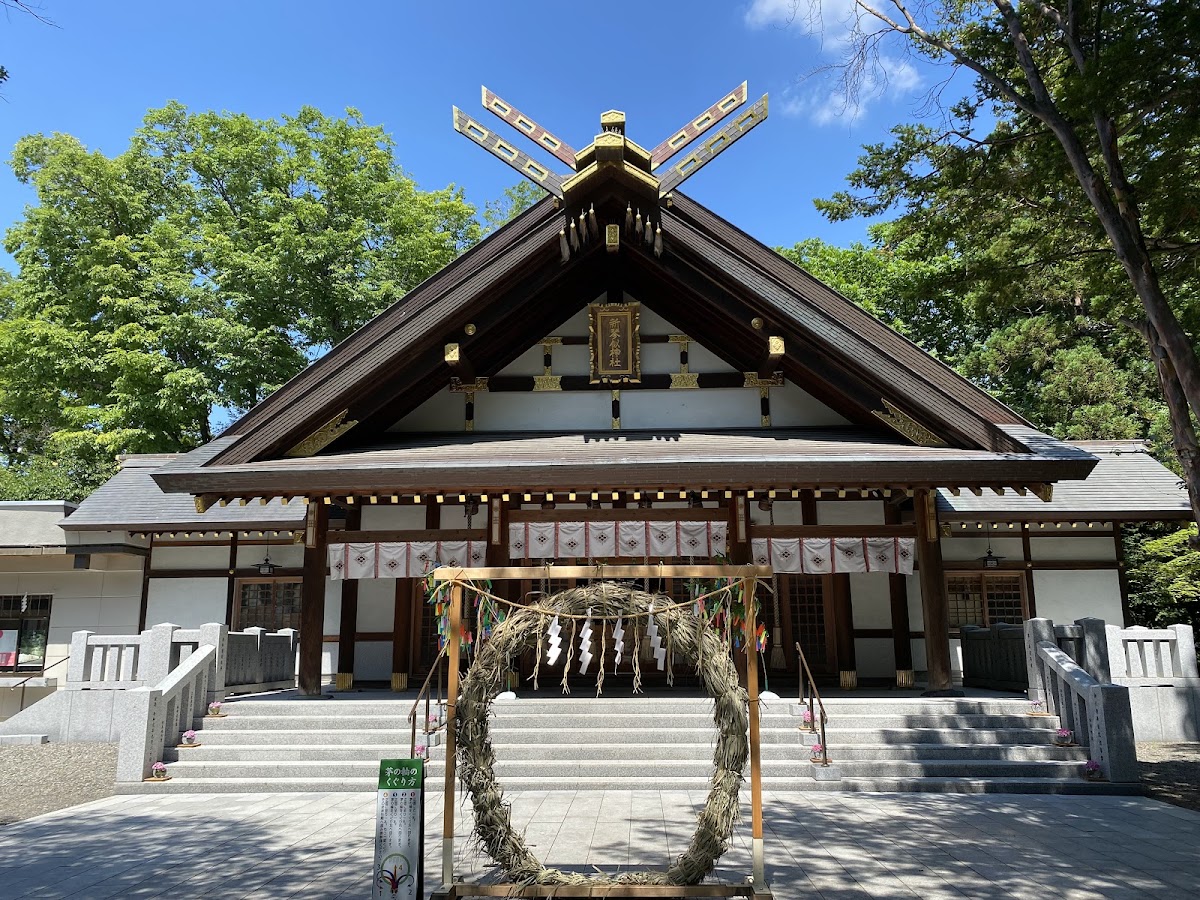
Especially during the Summer Purification Ceremony (Natsukoshi no Ōharae), a ritual of passing through a ring of reeds is sometimes performed, where worshippers purify their minds and bodies by passing through this ring.
Access and Basic Information
Location and Contact Information
Location
1-6, Shinkotoni 8-jo 3-chome, Kita-ku, Sapporo, Hokkaido 001-0908
Office Hours
9:00 AM – 5:00 PM
Transportation Access
Shinkotoni Shrine is easily accessible by both public transport and car.
Access by Train
- Approximately 5 minutes on foot from Shinkotoni Station on the JR Gakuen Toshi Line
- Approximately 7 minutes on foot from Exit 3 of Aso Station on the Sapporo Municipal Subway Namboku Line
Access by Car
- Approximately 5 minutes by car from Sapporo Kita IC on the Sassho Expressway
Parking
The shrine has a parking lot for worshippers. During busy periods such as New Year’s Day and the annual festival, temporary parking may be provided.
Surrounding Facilities
Near Shin-Kotoni Shrine are historical sites related to the Tondenhei (frontier soldiers).
Shinkotoni Tondenhei Company Headquarters
This building, designated as a Sapporo City Tangible Cultural Property, is located near the shrine. It is a valuable facility where you can learn about the history of the Tondenhei.
Manners and Etiquette for Visiting Shrines
Basic Etiquette for Visiting Shrines
When visiting a shrine, please observe the following basic etiquette.
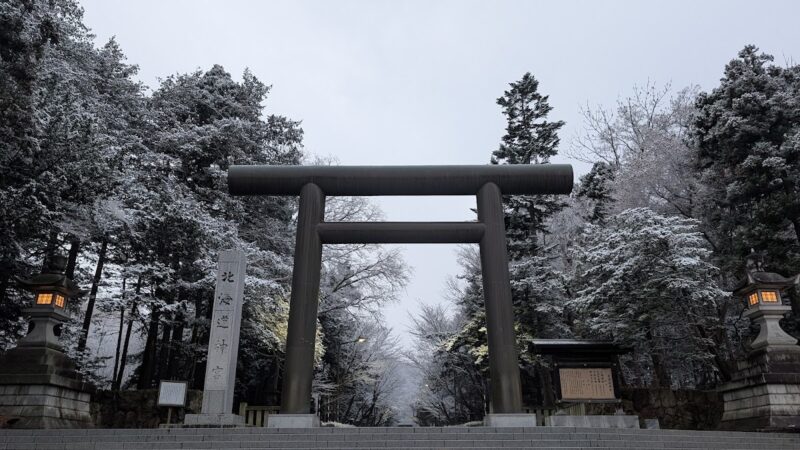
- Bow before passing through the torii gate: As a sign of respect before entering the sacred area, bow before the torii gate.
- Walk along the edge of the path: The center of the path is considered the path for the gods, so walk along the edge.
- Purify at the water basin: Purify your hands and mouth at the water basin.
- Worship at the main hall: Worship using the two bows, two claps, and one bow ritual.
- Bow at the torii gate on your way out: When leaving the sacred area, turn around and bow after passing through the torii gate.
How to perform the water basin ritual
- Hold the ladle in your right hand and purify your left hand.
- Switch the ladle to your left hand and purify your right hand.
- Switch the ladle back to your right hand, receive water in your left hand, and rinse your mouth.
- Purify your left hand once more.
- Stand the ladle upright and pour water over the handle to purify it.
- Return the ladle to its original position.
Attire for Visiting the Shrine
While no special attire is required for a regular visit, please note the following points if you are receiving a prayer or making a formal visit:
- Avoid overly flashy clothing
- Wear clean and presentable clothing
- Wear clothing that minimizes skin exposure
- Remove hats and sunglasses inside the main hall
The Charm and Highlights of Shin-Kotoni Shrine
Historical Value
Shinkotoni Shrine is an indispensable part of the history of Hokkaido’s development. Deeply connected to Hokkaido’s unique history of Tondenhei (frontier soldiers) settlement, it is a valuable cultural heritage site that conveys the faith and lives of the people of the pioneering era.
Scenery of the Four Seasons
The grounds of Shin-Kotoni Shrine offer beautiful scenery throughout the four seasons.
- Spring: Cherry blossoms and fresh greenery adorn the shrine grounds.
- Summer: Enjoy a refreshing visit amidst the lush greenery of the shrine grounds.
- Autumn: The autumn leaves are beautiful, and the autumn festival is lively.
- Winter: The snow-covered shrine grounds are enveloped in a solemn atmosphere.
Center of the Local Community
Shinkotoni Shrine is not merely a place of worship, but also serves as a center of the local community. Through the annual festival and various events, it serves as a place where local people gather and interact.
Shinkotoni Shrine’s Homepage and Social Media
Official Homepage
Shinkotoni Shrine operates an official website, providing the latest information. It includes schedules of annual events, prayer information, and announcements, so it is recommended to check before visiting.
The website is regularly updated, providing timely information on seasonal events and special festivals.
Official Instagram Account
Shinkotoni Shrine also shares information on Instagram. The shrine’s Instagram account features photos of seasonal scenery, events, and announcements, and boasts over 5,000 followers.
On Instagram, you can search for photos posted by visitors using hashtags, giving you a glimpse into the actual atmosphere of a visit.
Precautions When Visiting Shin-Kotoni Shrine
Infection Prevention Measures
As a measure against infectious diseases such as COVID-19, Shin-Kotoni Shrine requests the following cooperation from visitors:
- Wearing a mask (as needed)
- Hand sanitization
- Avoiding crowds inside the shrine
- Refraining from visiting if feeling unwell
Specific measures may change depending on the time of year, so please check the website for the latest information.
Photography
Photography is generally permitted on the shrine grounds, but please note the following:
- Consideration for other worshippers
- Refrain from taking photos during Shinto rituals
- Use flash photography with caution depending on the situation
- Prior permission is required for commercial photography
Regarding Pets
Generally, it is discouraged to bring pets to shrines. Please contact the shrine directly for details.
Summary
Shinkotoni Shrine is a representative shrine of northern Sapporo City, deeply connected to the history of Hokkaido’s development, particularly the settlement of Tondenhei (frontier soldiers) during the Meiji era. It enshrines three deities: Amaterasu Omikami, Toyouke Omikami, and Emperor Jimmu. It is revered by many as the guardian deity of pioneering, and as the protector of education, commerce, industry, martial prowess, and safe childbirth and child-rearing.
Various services are offered to meet the needs of worshippers, including annual events such as the Spring and Autumn Grand Festivals, Goshuin (shrine stamps), and various prayers. Its convenient location within walking distance of JR Shinkotoni Station and Asabu Subway Station is also a major attraction.
Shinkotoni Shrine is a place that can be visited for a variety of reasons, whether you want to learn about Hokkaido’s history, pray for blessings such as safe childbirth or academic success, or collect Goshuin (shrine stamps). When you visit Kita Ward in Sapporo City, why not pay a visit?
Checking the latest information on the official website and Instagram and planning your visit accordingly will allow you to have a more fulfilling experience.