Shinmei-gu Shrine (Harimaya-cho, Kochi City, Kochi Prefecture) Complete Guide: History, Access, and Highlights Explained in Detail
Located in Harimaya-cho, in the heart of Kochi City, Shinmei-gu Shrine has been cherished by the local community since the Edo period as the guardian shrine of Kochi Castle town. Despite its location in a bustling commercial district, this shrine maintains a tranquil atmosphere, steeped in a turbulent history and a deep-seated faith.
This article comprehensively covers everything you need to know before visiting Shinmei-gu Shrine, including its detailed history, enshrined deities, highlights within the grounds, access methods, and nearby tourist attractions.
Basic Information about Shinmei-gu Shrine
Location: 3-14 Harimaya-cho, Kochi City, Kochi Prefecture
Deity Enshrined: Amaterasu Omikami
Management: Ozu Shrine (Sachimachi, Kochi City)
Founded: Kan’ei 8 (1631)
Access: Approximately 5 minutes on foot from the Tosaden Kotsu “Harimayabashi” tram stop
Shinmei-gu Shrine is located in Harimaya-cho, the bustling downtown area of Kochi City, and is a historical shrine that has existed since the Edo period. Currently, it is under the management of Ozu Shrine, and during the autumn festival, it also serves as the temporary shrine for Ozu Shrine’s portable shrine.
History of Shinmei-gu Shrine: As the guardian shrine of Kochi Castle town
Founded in the early Edo period
The history of Shinmei-gu Shrine dates back to Kan’ei 8 (1631). The shrine’s origins trace back to its establishment by Kato Rokubei, the master carpenter during the construction of Kochi Castle. Construction of Kochi Castle began in 1601 by Yamauchi Kazutoyo, and the Shinmei Shrine played a crucial role in the subsequent development of the castle town.
Kato Rokubei is known as an engineer involved in the construction of Kochi Castle and a figure who greatly contributed to the development of the castle town. His establishment of the Shinmei Shrine is thought to have been intended to establish a center of religious worship in the castle town at the time.
The Period of Absence of a Chief Priest and the Restoration
After its founding, the Shinmei Shrine seemed to develop smoothly, but then it went 38 years without a chief priest, and festivals were not held. This period of absence can be considered a time of trial for the shrine.
However, when a new chief priest was appointed in 1668, the Shinmei Shrine regained its vitality. The festival was resumed, and from then on, it became the principal guardian shrine of Kochi Castle town, attracting the fervent faith of the local residents. A principal guardian shrine is a shrine that protects the entire region, indicating that Shinmei-gu Shrine functioned as the spiritual pillar of the entire castle town.
The Great Fire of Kyoho and Reconstruction
In 1731, during the mid-Edo period, Shinmei-gu Shrine suffered a major disaster. The shrine buildings were destroyed by fire. In Edo-period urban areas, where wooden buildings were densely packed, fire was a constant threat.
After the destruction of the shrine buildings, a temporary shrine was first erected, and then in 1748, a full-fledged shrine building was rebuilt. With this reconstruction, Shinmei-gu Shrine once again established its position as the principal guardian shrine of the castle town, and continued to be the center of local faith throughout the Edo period.
The Pacific War and Post-War Reconstruction
The greatest trial for Shinmei-gu Shrine came at the end of the Pacific War. On July 4, 1945, Kochi City was hit by a large-scale air raid, and most of the city center was destroyed by fire. The Shinmei-gu Shrine was also destroyed in this air raid.
In 1950, during the chaotic postwar period, a temporary shrine was built on the ruins. Then, as reconstruction progressed, the current shrine building was constructed in 1979, and it remains to this day. The history of Shinmei-gu Shrine, having been rebuilt twice despite its destruction, speaks to the deep faith of the local people.
About the Deity: Amaterasu Omikami
The deity enshrined at Shinmei-gu Shrine is Amaterasu Omikami, considered the supreme deity in Japanese mythology. Amaterasu Omikami is the personification of the sun and is revered as the ancestral deity of the Imperial Family.
The name “Shinmei-gu” is commonly used for shrines that enshrine Amaterasu Omikami, the deity of Ise Grand Shrine. While there are many shrines called Shinmei-gu or Shinmei-sha throughout Japan, all of them enshrine Amaterasu Omikami as their principal deity.
Amaterasu Omikami is believed to bestow blessings such as abundant harvests, national peace and security, and good fortune, and has long been revered by people. At the Shinmei-gu in Kochi, prayers have been offered by people wishing for the prosperity of the castle town and the peace and well-being of its residents.
Relationship with Ozu Shrine
Currently, Shinmei-gu is managed by Ozu Shrine, located in Saiwai-cho, Kochi City. Ozu Shrine is one of Kochi Prefecture’s leading shrines and is a prestigious shrine counted among the three major shrines of Kochi Castle Town (Ozu Shrine, Shioe Tenmangu, and Wakamiya Hachimangu).
Of particular note is the relationship between the two shrines during the autumn festival. During this period, Shinmei-gu serves as the temporary shrine for Ozu Shrine’s portable shrine. An Otabisho is a resting place or destination for the portable shrine (mikoshi) during a Shinto festival procession.
At the Ozu Shrine’s Autumn Grand Festival, the mikoshi departs from Ozu Shrine, parades through Kochi City, and arrives at Shinmei Shrine. This festival is a traditional event that has continued since the Edo period, demonstrating the deep connection between the two shrines.
Highlights of the Shrine Grounds
Shrine Building
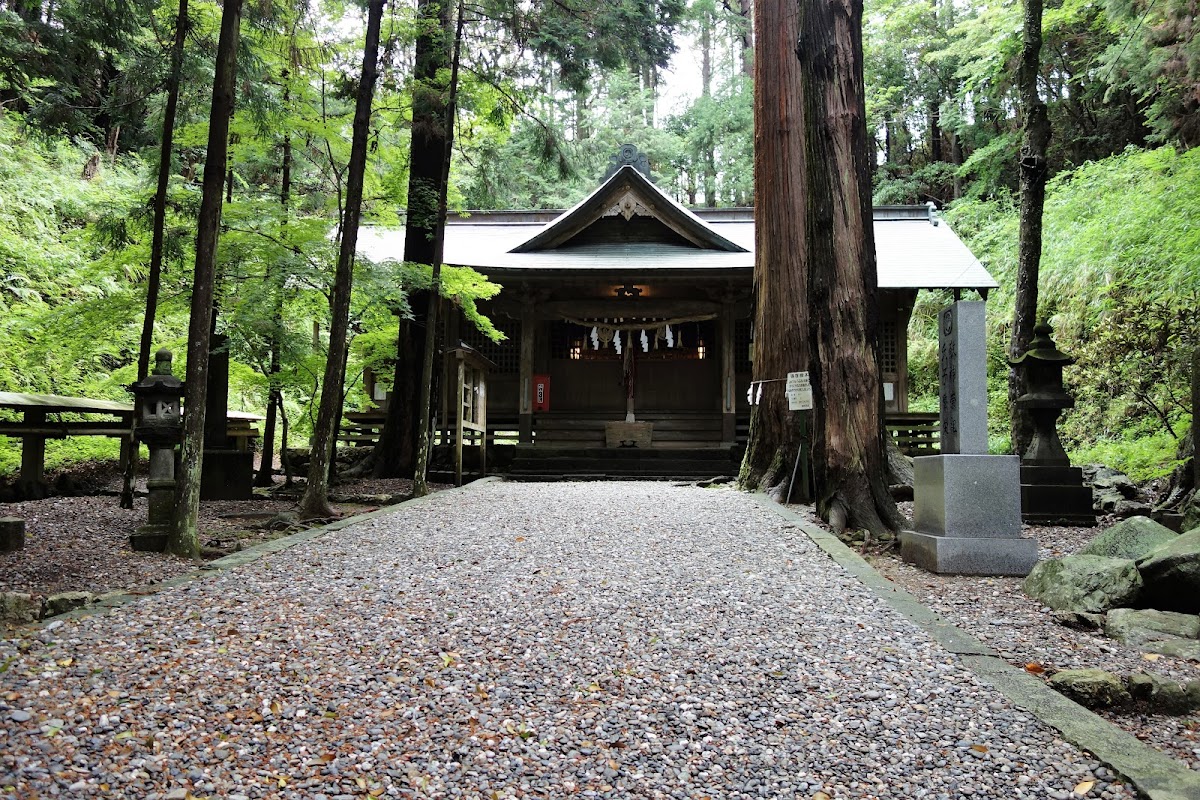
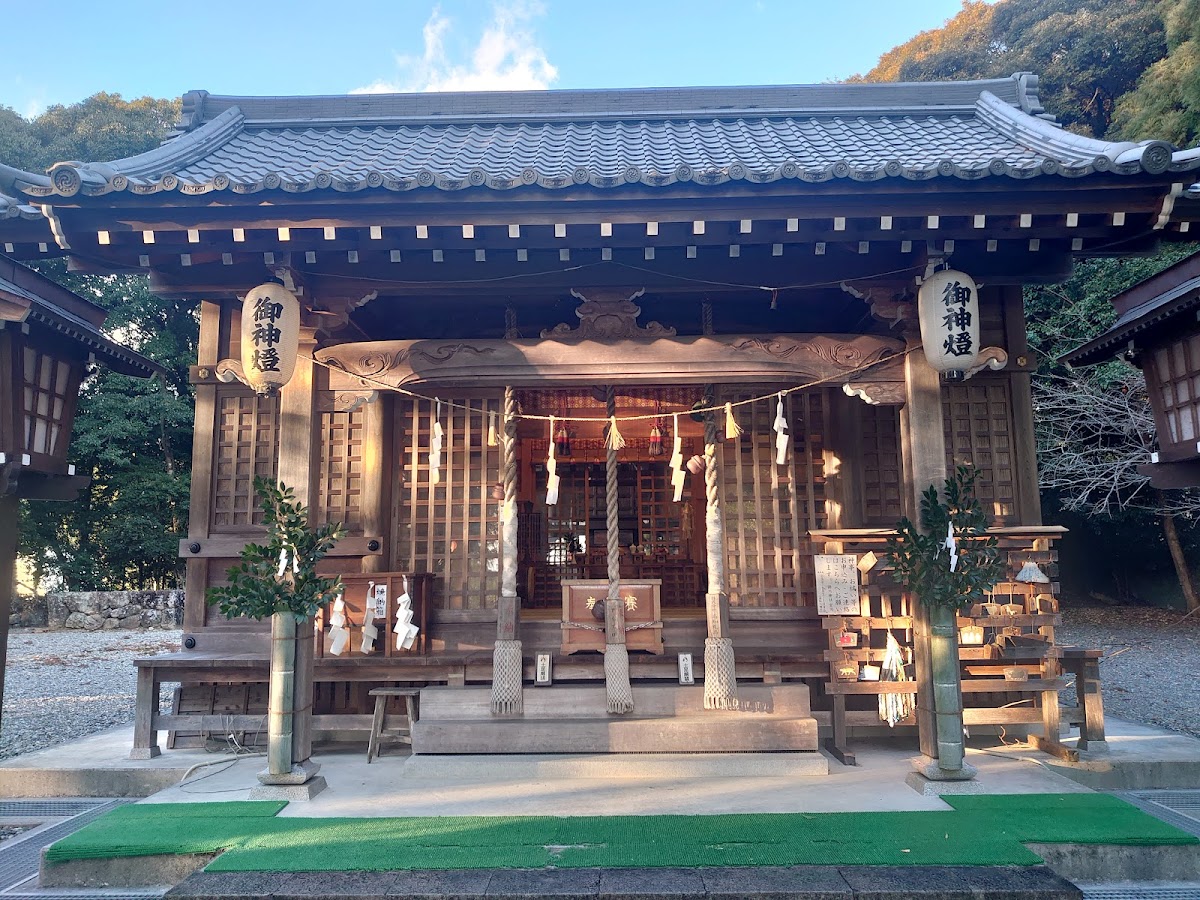
The current shrine building, constructed in 1979, is made of reinforced concrete but maintains the style of traditional shrine architecture. Within the limited space of an urban area, it presents a simple yet dignified appearance.
The shrine building, constructed during the post-war reconstruction period, is an interesting example of shrine architecture from the high-growth economic period, blending modern architectural techniques with the aesthetics of traditional shrine architecture.
Atmosphere of the Shrine Grounds
Despite being located in a corner of the bustling Harimaya-cho shopping district, the shrine grounds are enveloped in a tranquil atmosphere. Stepping away from the hustle and bustle of the city, you enter a tranquil space that feels like a different world.
The small but well-maintained grounds reflect the care and dedication of the local community. The sight of locals regularly visiting the shrine demonstrates its continued roots in the region.
Access Methods
Access by Public Transportation
Tram (Tosaden Kotsu)
- Get off at the “Harimayabashi” tram stop, approximately 5 minutes on foot
- Approximately 10 minutes by tram from JR Kochi Station
Trams are extremely convenient for getting around Kochi City. Harimayabashi is a central transportation hub in Kochi City, with many lines intersecting. Shinmei-gu Shrine is about a 5-minute walk from the Harimayabashi tram stop.
From JR Kochi Station
- Approximately 15 minutes on foot
- Approximately 5 minutes by taxi
The shrine is also within walking distance from Kochi Station; you can access it by walking towards Harimayabashi. ### Access by Car
Kochi Expressway
- Approximately 15 minutes from Kochi IC
Located in the city center, there are many coin-operated parking lots nearby. However, traffic is heavy around Harimaya-cho, and there are many one-way streets, so if it’s your first time visiting, we recommend using public transportation.
Tourist Spots Around Harimaya-cho
When visiting Shinmei-gu Shrine, you can experience the charm of Kochi more deeply by also visiting the surrounding tourist spots.
1. Harimaya Bridge
Located about a 3-minute walk from Shinmei-gu Shrine, this is one of Kochi’s most representative tourist attractions. It is nationally known for the phrase in the Yosakoi folk song, “♪At Harimaya Bridge in Kochi, Tosa, I saw a monk buying a hair ornament.”
The name is said to originate from the fact that during the Edo period, “Harimaya” and “Hitsuya,” who conducted business on opposite sides of the Horikawa River, built a private bridge for their passage. Currently, the area has been developed into Harimayabashi Park, where the sound of a flowing river has been recreated.
It is also famous as the setting for the love story of Junshin and Uma, and within the park, there are monuments to the two, as well as a mechanical clock that displays Kochi Castle and dancing Yosakoi dance figures every hour.
2. Harimayabashi Shopping Street
This shopping street is characterized by its wooden arcade and is known as a rare wooden arcade in Japan. It is also one of the competition venues for the Yosakoi Festival, and is bustling with many spectators during the festival.
Local shops line the street, where you can enjoy Kochi’s unique cuisine and souvenirs. It is lively day and night, and is a place where you can feel the atmosphere of everyday life in Kochi.
3. Kochi Castle
Located about a 15-minute walk from Shinmei Shrine, Kochi Castle, a symbol of Kochi City, is designated as a National Important Cultural Property and is one of the 12 existing castle keeps. Built by Yamauchi Kazutoyo, it has deep ties to the founding of Shinmei Shrine.
It is also known as the only castle with a surviving keep and main palace, and offers panoramic views of Kochi city from within. It is a popular spot for cherry blossoms in spring.
4. Hirome Market
Located near Kochi Castle, about a 10-minute walk from Shinmei Shrine, this market is a food stall village-style hub for Kochi’s gourmet offerings. You can fully enjoy Kochi’s food culture, including Tosa cuisine such as katsuo no tataki (seared bonito) and local sake.
It has a unique atmosphere where locals and tourists enjoy food and drink together, making it a popular place to experience Kochi’s “okyaku culture” (banquet culture).
5. Kochi Yosakoi Information Exchange Center
Located near Harimaya Bridge, this facility allows you to learn about the history and culture of the Yosakoi Festival. It features displays of Yosakoi costumes and a corner where you can actually try dancing with naruko (wooden clappers).
You can learn more about the Yosakoi Festival, a representative festival of Kochi, and visiting before your trip will deepen your understanding of the festival.
Recommended Gourmet Spots in Harimaya-cho
The Harimaya-cho area around Shinmei Shrine is home to many restaurants where you can enjoy Kochi’s unique cuisine.
Tosa Ryori Tsukasa Kochi Main Store
This is a long-established restaurant where you can enjoy Kochi’s local cuisine. You can savor dishes that make the most of Tosa ingredients, such as fresh seared bonito and sashimi platters. Enjoy Kochi’s food culture at your leisure in a relaxed atmosphere.
Izakayas and Drinking Districts
Many izakayas line the streets around Harimaya-cho, and at night they are bustling with locals and tourists. You can enjoy Kochi’s unique delicacies, such as seared bonito, deep-fried moray eel, and dorome (raw whitebait), along with local sake.
Points to Note When Visiting Shinmei-gu Shrine
Etiquette for Visiting
Visiting Shinmei-gu Shrine follows the same etiquette as for any other shrine.
- Bow before passing through the torii gate
- Cleanse your hands and mouth at the temizuya (water basin) (if available)
- Place your offering in front of the main hall
- Bow twice, clap twice, and bow once
- Turn around and bow once when leaving the torii gate
About Goshuin (Shrine Seals)
Since Shinmei-gu Shrine is under the management of Ozu Shrine, obtaining a goshuin may require contacting Ozu Shrine. Those wishing to receive a goshuin are advised to inquire with Ozu Shrine in advance.
Festivals and Events
In autumn, Shinmei-gu Shrine serves as a temporary shrine for the portable shrine during Ozu Shrine’s annual festival. During this time, a procession of portable shrines takes place, creating a lively atmosphere different from the usual.
Accommodation Around Harimaya-cho
There are various types of accommodations around Shinmei-gu Shrine. ### Business Hotels
Numerous business hotels are located around Harimaya Bridge. They offer convenient transportation and are ideal as a base for sightseeing and business.
Ryokans & Hotels
The central area of Kochi City offers a variety of accommodations, from long-established ryokans to modern city hotels. Access to tourist attractions such as Kochi Castle and Katsurahama Beach is also excellent.
Guesthouses & Homestays
In recent years, the number of guesthouses and homestays offering reasonably priced accommodations has increased. These are recommended for those who want to enjoy interacting with locals.
Model Kochi Sightseeing Course
We introduce a model one-day sightseeing course in Kochi City, including Shinmei Shrine.
Morning
- 9:00 Visit Kochi Castle (approx. 1.5 hours)
- 10:30 Stroll through the Sunday Market (if it’s a Sunday)
- 12:00 Lunch at Hirome Market
Afternoon
- 1:30 Visit Harimaya Bridge and Shinmei Shrine
- 14:30 Kochi Yosakoi Information Exchange Center
- 15:30 Purchase souvenirs at Harimaya Bridge Shopping Street
- 17:00 Dinner around Harimaya-cho
This course allows you to efficiently visit the main tourist spots in Kochi City.
Annual Events in Kochi
Kochi City, where Shinmei Shrine is located, hosts various events throughout the year.
Yosakoi Festival (August)
This is Kochi’s largest event, held annually from August 9th to 12th. Harimaya Bridge Shopping Street is one of the competition venues, and the area around Shinmei Shrine is completely immersed in the festival atmosphere. Approximately 200 teams and 20,000 people from all over Japan participate, dancing in vibrant costumes and holding naruko (wooden clappers).
Tosa’s “Okyaku” (March)
This event, themed around Kochi’s banquet culture “Okyaku,” is held in early March. The central shopping district becomes a pedestrian zone, where visitors can enjoy local sake and regional cuisine.
Kochi Castle Flower Corridor (Spring/Autumn)
This event, held in spring and autumn, adorns the area around Kochi Castle with flowers. The castle is illuminated at night, creating a magical atmosphere.
Summary: The Charm of Shinmei-gu Shrine
Shinmei-gu Shrine in Harimaya-cho, Kochi City, is a historic shrine that has been cherished by the local people as the guardian shrine of Kochi Castle town since its founding in the early Edo period. Despite experiencing two fires, it has been rebuilt each time, continuing to uphold faith to this day.
Despite being located in the heart of the bustling city, it maintains a tranquil atmosphere, attracting many visitors seeking a peaceful escape from the urban noise. Visiting it along with other nearby attractions such as Harimaya Bridge and Kochi Castle will allow you to gain a deeper understanding of Kochi’s history and culture.
When you visit Kochi, be sure to stop by Shinmei Shrine and experience the rich history of faith that thrives in this land. Within its small sanctuary, you’ll find nearly 400 years of history and the prayers of the local people.