Complete Guide to Shinmei Shrine (Hoei, Fukui City) | History, Blessings, and Access Information
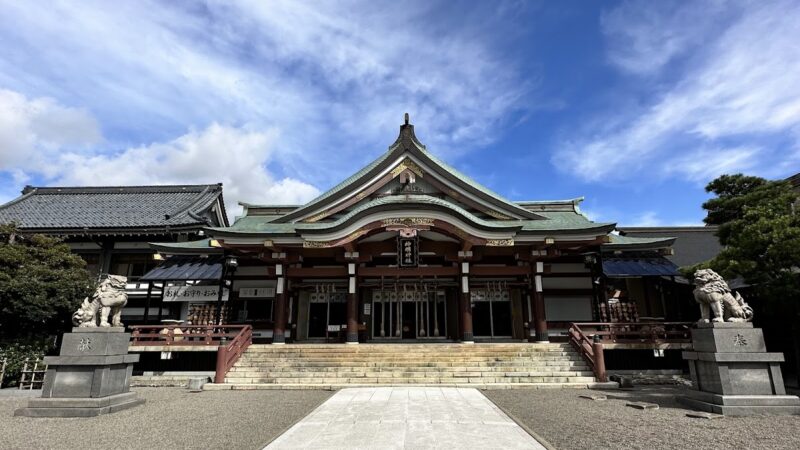
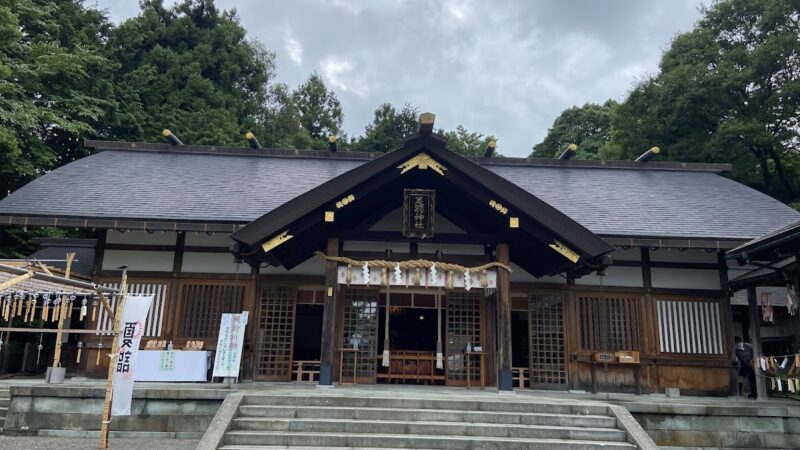
Located in Hoei 4-chome, in the heart of Fukui City, Fukui Prefecture, Shinmei Shrine is a historic shrine affectionately known as “Oshinme-san” by locals. With a history spanning over 1100 years since its founding in the Heian period, it is a special shrine dedicated to Amaterasu Omikami and a representative center of faith in Fukui City.
This article comprehensively covers everything you need to know before visiting Shinmei Shrine, from its history and origins to its blessings, worship methods, access, parking information, Shinto wedding ceremonies, and annual festivals.
Basic Information about Shinmei Shrine
Location and Contact Information
Official Address: 4-8-1 Hoei, Fukui City, Fukui Prefecture 910-0004
Phone Number: 0776-24-2210 (Shrine Office)
FAX: 0776-24-1503
Official Website: https://shinmei-jinja.jp/
Visiting Hours and Reception Hours
Shinmei Shrine accepts visitors year-round.
- Visiting Hours: The shrine grounds are open 24 hours a day.
- Prayer Reception Hours: 9:00 AM – 4:30 PM
- Shrine Office Hours: 9:00 AM – 5:00 PM (Hours may vary depending on the season)
Those wishing to request prayers or receive a Goshuin (shrine stamp) are advised to visit during reception hours. Especially during peak seasons like the first three days of the New Year and the Shichi-Go-San festival, it’s reassuring to check in advance.
Shrine Rank and Status
- Former Shrine Rank: Prefectural Shrine
- Current Rank: Shrine of the Association of Shinto Shrines
- Main Deity: Amaterasu Omikami
A Shrine of the Association of Shinto Shrines is a historically significant and influential shrine designated by the Association of Shinto Shrines. Only a limited number of shrines in Fukui Prefecture hold this title.
History and Origins of Shinmei Shrine
Origins of Founding
The founding of Shinmei Shrine dates back to the Heian period. Amaterasu Omikami is enshrined as the main deity, and for over 1100 years, it has watched over the land of Fukui.
The village in front of the shrine is said to be the origin of the Fukui city center, and it is deeply intertwined with the history of Fukui. The area, which flourished since ancient times as “the gate of Shinmei Shrine,” formed the foundation of the present-day center of Fukui City.
Reverence of Successive Lords
Shinmei Shrine is an ancient shrine that has received deep reverence from successive lords of Echizen Province. Especially during the Fukui Domain era, the lords, including the Matsudaira family, regularly visited the shrine to pray for the peace and prosperity of the domain and the happiness of its people.
Due to this historical background, Shinmei Shrine has been positioned not merely as a local guardian deity, but as an important shrine protecting all of Fukui.
Relationship with Fukui Castle Ruins
Shinmei Shrine is located very close to the Fukui Castle ruins and has functioned as a spiritual pillar of the castle town of Fukui. Its location, approximately a 10-minute walk from Fukui Station, is in the former center of the castle town and remains an important cultural landmark of Fukui City today.
War Damage and Reconstruction
Fukui City experienced two major disasters: the Fukui air raid in 1945 and the Fukui earthquake in 1948. Shinmei Shrine also suffered damage in these disasters, but through the faith and efforts of the local people, it was rebuilt and has reached its current state.
This history of reconstruction has further strengthened the deep affection that local people have for “Oshinme-san.”
Benefits and Faith
Main Benefits
Shinmei Shrine, with Amaterasu Omikami as its principal deity, is believed to offer a wide range of benefits.
- Family Safety and Good Health
Protecting the health and safety of all family members.
- Business Prosperity
Development of business and business success.
- Entrance Exam Success and Academic Achievement
Improvement of academic performance for examinees and students.
- Prayer for Safe Childbirth
Health of pregnant women and fetuses, and a safe delivery.
- Exorcism and Protection from Misfortune
Protection from misfortune during unlucky years.
- Fulfillment of All Wishes
Fulfillment of various wishes.
The Affectionate Name “Oshinme-san”
Locally, the shrine is affectionately known as “Oshinme-san,” a name that reflects the warm faith of the people of Fukui. This nickname, a corrupted form of “Oshinmei-san,” is proof of the shrine’s deep roots in the community.
A Shrine that Accompanies You Through Life’s Milestones
Shinmei Shrine, guided by the motto “Relationships Begin with Marriage,” is a beloved place that accompanies you through various milestones in life.
- Omiyamairi: Praying for the healthy growth of a baby
- Shichi-Go-San Michiyori: Celebrating a child’s growth and praying for their future health
- Shinto Wedding Ceremony: Celebrating the beginning of life with a traditional Shinto wedding ceremony
- Yakubarai: Warding off misfortune during the unlucky year and praying for peace
- Kanreki Celebration: Celebrating longevity and praying for continued good health
How to Worship and Manners
Basic Worship Etiquette
Worship at Shinmei Shrine follows the general etiquette of visiting any shrine.
- Bow before passing through the torii gate
As a sign of respect before entering the sacred area.
- Purify yourself at the water basin
- Hold the ladle in your right hand and purify your left hand.
- Switch the ladle to your left hand and purify your right hand.
- Switch the ladle back to your right hand, receive water in your left hand, and rinse your mouth.
- Finally, hold the ladle upright and purify the handle.
- Worship at the main hall
- Quietly place your offering in the offering box.
- Ring the bell.
- Bow twice, clap twice, and bow once.
- Bow again at the torii gate upon leaving
Expressing gratitude upon leaving the sacred area.
How to request a prayer
If you wish to request a formal prayer, please apply at the shrine office.
- Reception Location: Shrine Office Counter
- Reception Hours: 9:00 AM – 4:30 PM
- Duration: Approximately 20-30 minutes
- Offering Fee: Varies depending on the prayer request (prior confirmation recommended)
During peak seasons (New Year’s, Shichi-Go-San season, etc.), advance reservations or phone confirmation are recommended.
Annual Festivals and Events
Shinmei Shrine holds various festivals and events throughout the year.
Main Annual Events
January
- New Year’s Day Festival/First Shrine Visit: A first shrine visit of the year to pray for happiness in the new year, attracting many worshippers from within and outside the prefecture.
- Dondo-yaki: Burning of old amulets and talismans.
February
- Setsubun Festival: Traditional events such as bean-throwing.
- Kigen-sai Festival: A festival celebrating the founding of the nation.
March
- Kinen-sai Festival: A major spring festival praying for a bountiful harvest.
April/May
- Spring Grand Festival: An important annual event at the shrine.
June
- Oharai-shiki (Summer Purification Ceremony): A Shinto ritual to purify oneself of sins and impurities accumulated over the past six months.
July
- Tanabata Festival: Writing wishes on strips of paper.
September/October
- Autumn Grand Festival: An important festival celebrating the bountiful autumn harvest.
November
- Shichi-Go-San Festival: Celebrating the growth of children (peak season is mid-October to late November)
- Niiname-sai Festival: A festival of gratitude for the harvest.
December
- Great Purification Ceremony (Year-End Purification): Purifying oneself of the sins and impurities of the year and preparing for the New Year.
- Joya-sai Festival: A festival marking the end of the year.
Exorcism/Protection from Misfortune
Shinmei Shrine accepts exorcisms for those in their unlucky years throughout the year.
Yakudoshi (Years of Misfortune, Traditional Japanese Age Counting)
- Men: 25, 42 (Major Year of Misfortune), 61
- Women: 19, 33 (Major Year of Misfortune), 37, 61
The three years surrounding each year of misfortune (pre- and post-misfortune years) require particular caution, and many people undergo exorcism rituals.
Shinto Wedding Ceremony
Features of Shinto Wedding Ceremonies at Shinmei Shrine
Shinmei Shrine performs traditional Shinto wedding ceremonies. It boasts a dedicated facility called the Sanshuden Juju, known as “the only semi-outdoor, open-air shrine in the prefecture.”
The Charm of a Shinto Wedding
- A dignified ceremony based on 1100 years of tradition
- A shrine bathed in natural light in a semi-outdoor, open space
- A unique and original Shinto wedding ceremony, one of a kind in the world
- A solemn atmosphere that emphasizes family bonds
About Sanshuden Juju
Sanshuden Juju, the wedding venue at Shinmei Shrine, is a facility that blends tradition and modernity.
- Instagram: @sansyuuden for the latest information
- Concept: “A relationship that begins with marriage”
- Services: We support you not only with weddings, but also with life’s milestones such as shrine visits for newborns and Shichi-Go-San (a traditional Japanese rite of passage for children)
Wedding Ceremony Application
Those wishing to have a Shinto wedding ceremony can consult and visit in advance.
- Contact Information: Shrine Office (0776-24-2210)
- Consultation Method: Please make a reservation by phone and visit in person.
- Tours: Facility tours are also available (reservations required).
Access and Transportation Information
Important Note Regarding Location
Search keywords may display “23-1 Iizuka-cho, Fukui City, Fukui Prefecture,” but this is incorrect information.
Correct Address: 4-8-1 Hoei, Fukui City, Fukui Prefecture 910-0004
When entering the address or setting your car navigation system, please search for “4-8-1 Hoei” or “Shinmei Shrine Fukui.”
Access by Train
Access on foot from JR Fukui Station
- Estimated time: Approximately 10 minutes on foot
- Distance: Approximately 800m
- Route: From the west exit of Fukui Station, head straight southwest towards the Hoei area.
Located within walking distance of Fukui Station, it’s easily accessible for tourists. Its proximity to Fukui Castle Ruins (Fukui Prefectural Government Office) makes it convenient to visit as part of a Fukui sightseeing trip.
Access by Car
From the Hokuriku Expressway
- Exit at Fukui IC, approximately 15 minutes via National Route 158
- Exit at Fukui Kita IC, approximately 20 minutes via National Route 416
From Major Roads
- From National Route 8 towards the city center
- From National Route 158 (Phoenix Street) towards Hoei
Parking Information
Shinmei Shrine has a parking lot for visitors.
Parking Information
- Number of Spaces: Approximately 30 (Free)
- Operating Hours: Same as shrine visiting hours
- Large Vehicles: May be possible with prior notice
Notes
- The parking lot will be crowded during peak seasons such as the first three days of the New Year and the Shichi-Go-San season (mid-November).
- Please consider using nearby coin-operated parking lots during peak times.
- Parking may be restricted on days with weddings or major festivals.
- We recommend checking by phone in advance.
Nearby Paid Parking
During peak seasons or when the parking lot is full, you can use paid parking lots around Fukui Station or in the Hoei area. There are several coin-operated parking lots within a 5-10 minute walk.
Tourist Attractions Around Shinmei Shrine
When visiting Shinmei Shrine, you can enhance your Fukui sightseeing experience by also visiting nearby tourist attractions.
Fukui Castle Ruins (Fukui Prefectural Government Office)
- Distance: Approximately 5 minutes on foot
- Highlights: Ruins of the castle of the Matsudaira family, lords of the Fukui domain; stone walls, moats, and remains of the castle tower.
- Features: Currently used as the Fukui Prefectural Government Office; free admission.
Yohokan Garden
- Distance: Approximately 15 minutes on foot
- Highlights: A beautiful Japanese garden designated as a National Place of Scenic Beauty.
- Features: A former villa of the Matsudaira family, lords of the Fukui domain; offers beautiful scenery throughout the seasons.
Fukui City Local History Museum
- Distance: Approximately 10 minutes on foot
- Highlights: Exhibits showcasing the history and culture of Fukui.
- Features: Abundant historical materials on Fukui Castle and the castle town.
Shibata Shrine
- Distance: Approximately 7 minutes on foot
- Highlights: Shrine dedicated to Lord Shibata Katsuie
- Features: Adjacent to the Kitano-Sho Castle ruins, allowing you to experience the history of the Sengoku period.
Around Fukui Station
- Distance: Approximately 10 minutes on foot
- Attractions: Dinosaur monument, commercial facilities such as Happirin
- Features: Convenient for dining, shopping, and souvenir purchases
Recommended Local Cuisine
We introduce local gourmet spots you’ll want to visit before or after visiting Shinmei Shrine.
Enjoy Fukui’s Specialties
Echizen Soba
A representative local dish of Fukui Prefecture. Several soba restaurants are within walking distance of Shinmei Shrine. Oroshi soba is a must-try when visiting Fukui.
Sauce Katsudon
Famous as a B-grade gourmet dish of Fukui. Enjoy Fukui’s unique katsudon with thin cutlets and plenty of sauce.
Habutae Mochi
A famous Fukui confectionary, perfect as a souvenir. Available at nearby Japanese confectionery shops. ### Cafes and Rest Spots
There are several cafes and coffee shops scattered around the Hoei district and Fukui Station area where you can relax after visiting the shrine. Taking a break while enjoying the view of the historic townscape is highly recommended.
Goshuin (Shrine Seal) and Amulet Information
Goshuin (Shrine Seal)
At Shinmei Shrine, you can receive a goshuin as a memento of your visit.
- Reception Location: Shrine Office
- Reception Hours: 9:00 AM – 5:00 PM (may vary depending on the season)
- Offering Fee: Usually around 300-500 yen
- Special Goshuin: Limited edition goshuin may be given out during special periods such as New Year’s or the annual festival.
You can bring your own goshuincho (seal book) or purchase an original goshuincho from Shinmei Shrine.
Amulets and Items
Shinmei Shrine offers amulets for various blessings.
- Health Amulet: For good health and recovery from illness
- Academic Success Amulet: For passing exams and academic achievement
- Safe Childbirth Amulet: For safe childbirth and conception
- Traffic Safety Amulet: For car blessings and traffic safety
- Exorcism Amulet: For protection against misfortune and disaster
- Business Prosperity Amulet: For business prosperity and success
Other items such as hama-ya (demon-repelling arrows), kumade (rakes), and ema (votive tablets) are also available.
Clothing and Items to Bring When Visiting
For Regular Visits
There are no specific dress code requirements for general visits. However, it is desirable to dress appropriately, keeping in mind that it is a sacred place.
- Clean clothing
- Avoid excessive exposure
- Remove hats before passing through the torii gate
When Receiving a Prayer
When receiving a formal prayer, please keep the following in mind.
- Men: Suits or jackets are preferred.
- Women: Suits, dresses, kimonos, etc.
- Clothing to Avoid: Jeans, t-shirts, sandals, and other overly casual attire.
Checklist of Items to Bring
- Offering (cash)
- Goshuincho (stamp book) (if you wish to receive a Goshuin stamp)
- Camera (for commemorative photos in areas where photography is permitted on the shrine grounds)
- Writing utensils (if you wish to write down your wishes)
About Photography
Permitted Photography Areas
General commemorative photos are permitted at Shinmei Shrine, but please note the following:
- Photography of the shrine grounds and the exterior of the buildings is permitted.
- Photography may be prohibited inside the main hall (prior confirmation recommended).
- Please be considerate of other worshippers.
- Please refrain from using tripods during crowded times.
About Social Media Posting
You may post photos of your visit and the beautiful scenery of the shrine grounds on social media, but please be considerate of other worshippers. Particular attention should be paid to the privacy of those attending weddings or prayers. ## Frequently Asked Questions (FAQ)
Q1: Is a reservation required to visit Shinmei Shrine?
A1: Reservations are not required for regular visits. You can freely enter the shrine grounds. However, if you wish to have a formal prayer or a Shinto wedding ceremony, a reservation is required in advance. Especially during busy seasons such as Shichi-Go-San (a traditional Japanese rite of passage for children) and New Year’s, we recommend calling ahead to confirm and make a reservation.
Q2: Can I get a Goshuin (shrine stamp) anytime?
A2: You can get a Goshuin during the shrine office’s business hours (usually 9:00 AM to 5:00 PM). However, the shrine office may be closed due to Shinto rituals or weddings, so if you want to be sure to get a Goshuin, we recommend calling ahead to confirm.
Q3: Is parking free?
A3: Yes, the parking lot for visitors to Shinmei Shrine is free of charge. However, during peak seasons such as New Year’s and the Shichi-Go-San season, congestion is expected, so please consider using public transportation or nearby paid parking lots.
Q4: When is the best time to visit for Shichi-Go-San?
A4: While Shichi-Go-San is officially celebrated on November 15th, Shinmei Shrine accepts visitors from mid-October to late November. Weekends and holidays in November are particularly crowded, so visiting on weekdays or in October is also recommended. Advance reservations are possible; please inquire at the shrine office.
Q5: Is it possible to visit with a pet?
A5: As the shrine is a sacred place, we generally ask that you refrain from bringing pets onto the grounds. Please consult us in advance regarding assistance dogs such as guide dogs.
Q6: Please tell me about wedding ceremonies at Shinmei Shrine.
A6: Shinmei Shrine offers traditional Shinto wedding ceremonies. The shrine has a dedicated facility called the Sanshuden Juju, featuring the prefecture’s only semi-outdoor, open-air shrine. Visits and consultations are by appointment only; please contact the shrine office (0776-24-2210).
Q7: Can I receive an exorcism at any time?
A7: Exorcisms are accepted throughout the year. Reception hours are 9:00 AM to 4:30 PM. Many people in their unlucky years receive exorcisms around Setsubun (the day before the beginning of spring) or during their birth month, but you can come anytime. If you want to avoid crowds, weekday mornings are recommended.
Q8: How do I return my amulets?
A8: Old amulets and talismans can be brought to the Shinmei Shrine office for burning. They can also be burned together during the New Year’s Dondo-yaki (bonfire ceremony). We also accept amulets from other shrines, so please feel free to bring them.
Summary: Key Points for Visiting Shinmei Shrine
Shinmei Shrine (Oshinme-san) is a historic shrine representing Fukui City, and has been a center of faith for the local people for over 1100 years.
Points to Note When Visiting
- Easy Access: Approximately 10 minutes on foot from Fukui Station, with ample parking available.
- Correct Address: 4-8-1 Hoei, Fukui City, Fukui Prefecture 910-0004 (Not Iizuka-cho)
- Reception Hours: Prayers are offered from 9:00 to 16:30, and the shrine office is open from 9:00 to 17:00.
- Annual Events: Various festivals are held throughout the year, including New Year’s visits, Setsubun (bean-throwing festival), and Shichi-Go-San (children’s festival).
- Shinto Wedding Ceremonies: A dignified wedding ceremony blending tradition and modernity is possible.
- Nearby Sightseeing: Numerous attractions are within walking distance, including Fukui Castle Ruins and Yohokan Garden.
Shinmei Shrine, dedicated to Amaterasu Omikami, is a gracious shrine that accepts all kinds of wishes, including family safety, good health, business prosperity, and success in examinations. When you visit Fukui, be sure to stop by “Oshinme-san” and experience the sacred atmosphere nurtured by 1100 years of history.
From prayers for important life events to daily expressions of gratitude, Shinmei Shrine will continue to stand proudly in Fukui, creating cherished memories for everyone.