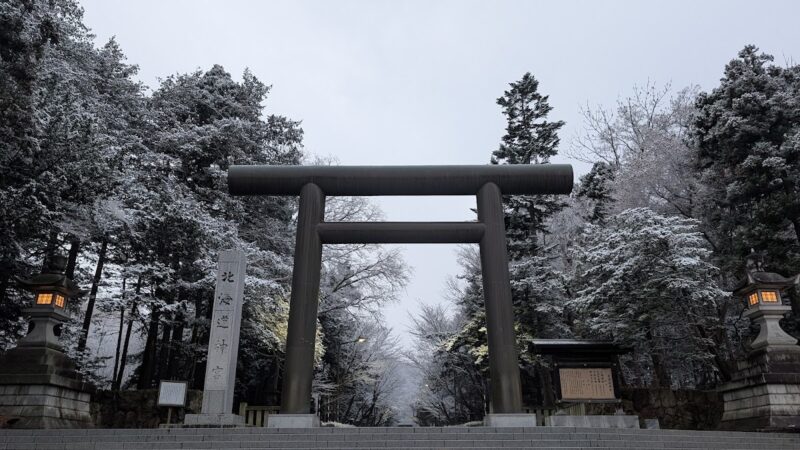
Shinoro Shrine Complete Guide | History, Deities, Goshuin (Shrine Seals), and Annual Festival Information for Sapporo’s Oldest Shrine
About Shinoro Shrine
Shinoro Shrine is a historic shrine located at 2-7, Shinoro 4-jo, Kita-ku, Sapporo, Hokkaido. Formerly a village shrine, it is known as one of the oldest shrines in Sapporo. Founded in 1855 (Ansei 2) with the establishment of Wakamiya Hachiman, it is a venerable shrine with nearly 170 years of history, attracting the faith of local residents.
Currently, it enshrines seven deities and is a shrine where various blessings can be bestowed. It is not only the local guardian shrine but also attracts many worshippers from both within and outside Sapporo. It is conveniently located within walking distance of Shinoro Station on the JR Gakuen Toshi Line (Sassho Line), making it easily accessible.
History of Shinoro Shrine
From Founding to the Establishment of Shinoro Hachiman Shrine
The history of Shinoro Shrine dates back to the late Edo period, specifically Ansei 2 (1855). In that year, Wakamiya Hachiman Shrine was founded by a “resident” (a high-ranking official of the Hakodate Magistrate) of the Tokugawa Shogunate. This is the origin of Shinoro Shrine.
Two years later, in Ansei 4 (1857), the shrine building was officially constructed as “Shinoro Hachiman Shrine” by Arai Kinsuke Naomitsu, the Hakodate Magistrate’s Ishikari Inspector. With the construction of this shrine, it became the tutelary deity of Shinoro Village and the center of local faith.
At that time, the development of Hokkaido had just begun, and many settlers had settled in the Shinoro area. For people living in a harsh natural environment, shrines were a source of spiritual support and a central presence in the local community. The founding of Shinoro Hachiman Shrine was a significant event in the history of development in this region.
Development and Shrine Construction in the Meiji Period
With the arrival of the Meiji era, Shinoro Shrine underwent further development. In 1879 (Meiji 12), the main shrine building was constructed by Inamura Fujiwara Yoshinaga. This main shrine was built in the traditional Nagare-zukuri style, a robust construction designed to withstand Hokkaido’s harsh climate.
The Meiji period marked the beginning of full-scale development of Hokkaido, and the population of the Shinoro area increased. Consequently, the importance of the shrine grew, and it came to play a role as a spiritual pillar of the community.
Increased Enshrinement of Deities and Expansion of the Shrine
One of the characteristics of Shinoro Shrine is that, over time, it merged with several other shrines, increasing the number of enshrined deities. In 1909 (Meiji 42), the Ise Grand Shrine deities (Amaterasu Omikami and Toyouke Omikami) were added. This transformed Shinoro Shrine from a simple local Hachiman shrine into a comprehensive shrine offering a wider range of blessings.
Subsequently, several smaller shrines within the region were merged, resulting in the current configuration of seven enshrined deities. This history of mergers reflects the history of regional integration and development, illustrating how Shinoro Shrine grew to become the tutelary shrine of the entire area.
Shinoro Shrine in the Modern Era
From the Taisho to the Showa period, Shinoro Shrine established its status as an officially recognized shrine. In 1927 (Showa 2), it was designated a shrine receiving offerings and ceremonial gifts, recognizing it as a shrine that performs official religious ceremonies.
During the Showa era, renovations were carried out on the shrine buildings and the shrine office was rebuilt, improving its facilities. During the post-war period of rapid economic growth, the Shinoro area developed as a residential area alongside the development of Sapporo City, significantly changing the surrounding environment of the shrine.
Currently, as a shrine located in the heart of Sapporo’s Kita Ward, it attracts the daily faith of local residents and welcomes many visitors as a historically significant shrine.
Deities and Blessings
Shinoro Shrine enshrines seven deities. Each deity offers different blessings and fulfills the various wishes of worshippers.
Hondawake no Okami
Hondawake no Okami is the divine name of Emperor Ojin and is widely worshipped as Hachiman. As the principal deity of Shinoro Shrine, he holds the most important position. He is believed to grant blessings for military success, victory in competitions, and overall success, and is a deity who lends strength in various aspects of life.
Ukemochi no Kami
Ukemochi no Kami is the deity who presides over food. She grants blessings for abundant harvests, business prosperity, and family safety, fulfilling wishes related to “food,” the foundation of life. She is particularly revered by those involved in agriculture and the food and beverage industry.
Sugawara no Michizane
Sugawara no Michizane, famous as the god of learning, is also enshrined at Shinoro Shrine. He is believed to grant blessings for academic success, passing exams, and improvement in calligraphy, and is a popular deity among students and those preparing for exams.
Ōmononushi no Kami
Ōmononushi no Kami is a deity with a wide range of blessings, revered as the god of nation-building, agriculture, and commerce. He is believed to grant blessings for business prosperity, success in ventures, and matchmaking.
Emperor Sutoku
Emperor Sutoku is a deity enshrined at Kotohira Shrine in Sanuki Province and other locations, and is believed to grant blessings for maritime safety and traffic safety. He is also known as a master of waka poetry, and is believed to grant blessings for improvement in performing arts.
Ame-no-Kaguyama-no-Mikoto
Ame-no-Kaguyama-no-Mikoto is a deity deeply connected to Ise Grand Shrine, and bestows blessings related to pioneering and industrial development. Having been enshrined during the Hokkaido pioneering period, he holds an important position as a guardian deity of the region’s development.
Amaterasu-Omikami and Toyouke-Omikami (Ise Grand Shrines)
Amaterasu-Omikami and Toyouke-Omikami, the deities of Ise Grand Shrine, are also enshrined here. Amaterasu-Omikami, as the supreme deity of Japan, is a goddess who grants all wishes. Toyouke-Omikami, as the goddess of food and industry, protects all aspects of life.
In this way, Shinoro Shrine, with its diverse array of enshrined deities, offers a wide range of blessings, including academic success, business prosperity, family safety, traffic safety, matchmaking, and abundant harvests.
Highlights of the Shrine and Grounds
Main Hall and Worship Hall
The main hall of Shinoro Shrine is a nagare-zukuri style building constructed in 1879 (Meiji 12). Nagare-zukuri is a traditional Japanese shrine architecture characterized by its long, extended roof. This historic building, having withstood Hokkaido’s harsh climate, leaves a deep impression on visitors with its dignified presence.
The worship hall is where worshippers pray and is located in front of the main hall. Its current form was achieved through renovations during the Showa period. Combined with the well-maintained grounds, it creates a solemn atmosphere.
Atmosphere of the Grounds
Despite being located in a residential area of Kita Ward, Sapporo City, Shinoro Shrine maintains a tranquil space. As you proceed along the approach, you can feel as if you’ve entered a different world, far removed from the hustle and bustle of the city.
The grounds are lined with ancient trees, allowing visitors to experience the beauty of nature throughout the seasons. In spring, the fresh greenery; in summer, the lush shade; in autumn, the vibrant fall foliage; and in winter, the snowy landscape—each season offers a different and beautiful sight.
Shrine Office
The shrine office handles the issuance of Goshuin (shrine stamps) and the acceptance of various prayer requests. Renovated during the Showa period, the office has an open atmosphere that makes it easy for visitors to drop by. The Shinto priests are courteous and happy to answer any questions about the shrine.
Goshuin Information
Shinoro Shrine offers Goshuin as a memento of your visit. Goshuin are cherished by many visitors as proof of their visit and as a symbol of their connection with the deities.
Goshuin Design
Shinoro Shrine’s Goshuin features the calligraphy of “Shinoro Shrine” and the shrine’s seal. The calligraphy, written with a powerful brushstroke, is carefully and meticulously done by the Shinto priests. The date is also included, making it a cherished memento of your visit.
Hours for Receiving Goshuin (Shrine Seals)
Goshuin are available during the hours the shrine office is open. However, they may not be available during Shinto rituals or festivals, so it is recommended to inquire in advance if you wish to be sure to receive one.
About Goshuincho (Shrine Seal Books)
It is customary to bring a goshuincho when receiving a goshuin. While pre-printed goshuin may be available if you do not have one, it is recommended to prepare a dedicated goshuincho if possible.
Collecting goshuin is one of the joys of visiting shrines. Starting with a goshuin from Shinoro Shrine is a good way to begin a tour of shrines in Sapporo and throughout Hokkaido.
Shinoro Shrine’s Annual Grand Festival
Date and Overview of the Annual Grand Festival
Shinoro Shrine designates September 8th as the date of its annual grand festival. The grand festival is the most important Shinto ritual of the year at the shrine, a festival to express gratitude to the enshrined deity and pray for the prosperity and peace of the region.
The Shinoro Shrine’s annual festival begins with the eve of the festival on September 7th and continues over two days in a grand and solemn manner. During this period, many worshippers and local residents gather at the shrine, creating a lively atmosphere.
Eve of the Festival (September 7th)
The eve of the festival is a Shinto ritual held the night before the main festival. Preparations are made to welcome the deities before the main festival the following day. Held from evening to night, the ritual proceeds in a mystical atmosphere illuminated by the light of lanterns.
On the day of the eve of the festival, stalls are often set up, creating a lively atmosphere as a pre-festival celebration. It is also one of the most anticipated events for local children.
Main Festival (September 8th)
On September 8th, the main festival takes place, with solemn Shinto rituals being performed. Traditional rituals, such as the recitation of prayers by Shinto priests and the performance of Kagura (sacred dance) by shrine maidens, proceed solemnly. Representatives of the parishioners and local community members also attend, offering gratitude to the enshrined deity as a whole community.
After the Shinto ritual, a portable shrine procession sometimes takes place, and the sight of the shrine parading through the community is a highlight of the festival. With the energetic shouts of the bearers, the deity travels through the community, bestowing divine blessings upon each area.
Connections with the Community
The Shinoro Shrine’s annual festival is more than just a religious event; it’s an important opportunity to deepen the bonds of the local community. Many local residents cooperate in everything from the preparation to the operation of the festival on the day itself.
In particular, for those who have lived in this area for many years, it is a memorable event they have cherished since childhood, a tradition passed down through generations. In recent years, new residents have also joined the festival, playing a role in creating a sense of community unity.
Access and Visiting Information
Location
Address: 2-7, Shinoro 4-jo, Kita-ku, Sapporo, Hokkaido
Shinoro Shrine is located in the Shinoro area of Kita-ku, Sapporo. It is within walking distance of JR Shinoro Station and is easily accessible by public transport.
Access by Train
It is approximately a 7-minute walk from JR Gakuen Toshi Line (Sassho Line) “Shinoro Station”. From Sapporo Station, it takes about 15 minutes to reach Shinoro Station on the Gakuen Toshi Line. The route from the station to the shrine is a quiet one through a residential area, and there are signs, so even first-time visitors can arrive without getting lost.
Access by Car
From central Sapporo, head north on National Route 231 (Ishikari Kaido) and turn onto Prefectural Route 273 in the Shinoro area. It takes about 30 minutes by car. The shrine has a parking lot for visitors, but it may be full during busy times such as the annual festival, so using public transport is recommended.
Visiting Hours
Visiting the shrine grounds is generally free. However, there are set times for receiving Goshuin (shrine stamps) and accepting prayer requests at the shrine office. If you wish to receive these services, it is recommended to check in advance.
Generally, the shrine office is open from 9:00 AM to around 5:00 PM, but this may vary depending on the season and day of the week.
Surrounding Facilities
Near Shinoro Shrine are the Shinoro Community Center and Shinoro Shopping Street, which you can visit before or after your visit. There are also restaurants and supermarkets around JR Shinoro Station, making it a convenient location.
Prayers and Rituals Available at Shinoro Shrine
Various Prayers
At Shinoro Shrine, you can receive various prayers to address different milestones in life and your wishes.
Hatsumiyamairi: This is a ceremony where a baby visits a shrine for the first time after birth. It is generally performed around one month after birth, and prayers are offered for the baby’s healthy growth.
Shichi-Go-San (7-5-3 Festival): A ceremony celebrating the growth of children aged 3, 5, and 7, and praying for their future health and happiness. While most commonly held around November 15th each year, it is also accepted on other days.
Exorcism of Misfortune: A prayer to ward off misfortune and pray for peace and safety for those entering their unlucky years. For men, the unlucky years are 25, 42, and 61; for women, 19, 33, and 37.
Traffic Safety Prayer: Prayers for traffic safety are offered when purchasing a new car or obtaining a driver’s license. Car blessings are also performed.
Business Prosperity: Prayers for business success and prosperity. Many people receive prayers when opening a business or at the beginning of the year.
Exam Success Prayer: Prayers for students passing exams. As this shrine enshrines Sugawara no Michizane, many people visit to pray for academic success.
Annual Events
New Year’s Day Festival (January 1st): A Shinto ritual to celebrate the New Year and pray for peace throughout the year. The shrine is bustling with many visitors on New Year’s Day.
Setsubun Festival (around February 3rd): Beans are scattered to ward off evil spirits and invite good fortune.
Grand Festival (September 7th-8th): As mentioned above, this is the most important annual event at the shrine.
In addition to these, various Shinto rituals are performed throughout the seasons.
History of the Shinoro District and the Role of the Shrine
History of the Development of the Shinoro District
The Shinoro district is located in the northern part of Sapporo City, at the southern edge of the Ishikari Plain. Full-scale development began from the late Edo period to the early Meiji period.
The place name “Shinoro” is said to originate from the Ainu word “shinoro,” meaning “vast place” or “large river.” This region was originally inhabited by the Ainu people and was blessed with abundant nature.
In the Meiji era, many settlers from various parts of Honshu settled here, and the cultivation of farmland progressed. Amidst the struggles of the harsh natural environment, the settlers helped each other and formed a community.
The Role of the Shrine
Shinoro Shrine has been a spiritual support for the local residents throughout this history of settlement. In the midst of the hardships of life in an unfamiliar land, the shrine was a source of comfort and a gathering place for the local people.
Festivals and events at the shrine were one of the few forms of entertainment for the settlers, and also served as a place for information exchange and interaction. The formation of a community centered around the shrine supported the development of this region.
Even today, Shinoro Shrine remains deeply rooted in the lives of the residents as the spiritual center of the region. The custom of visiting the shrine at life’s milestones, such as New Year’s visits, Shichi-Go-San (a traditional rite of passage for children), and exorcisms, continues, playing a role in maintaining community bonds across generations.
Comparison with Other Historic Shrines in Sapporo
Besides Shinoro Shrine, there are several other historic shrines in Sapporo.
Hokkaido Shrine: Sapporo’s largest shrine, founded in 1869 (Meiji 2). Known as the guardian shrine of Hokkaido.
Sapporo Suwa Shrine: Founded in 1876 (Meiji 9). Located in Higashi Ward, it is cherished as the local tutelary shrine.
Sapporo Fushimi Inari Shrine: Founded in 1884 (Meiji 17). Famous for its thousands of torii gates.
Compared to these shrines, Shinoro Shrine was founded in 1855 (Ansei 2), making it one of the oldest shrines in Sapporo. It was founded 14 years earlier than Hokkaido Shrine and more than 20 years earlier than many other shrines in Sapporo.
This long history indicates that the Shinoro area was one of the earliest areas in Sapporo to be developed. Shinoro Shrine is an indispensable part of Sapporo’s pioneering history.
Manners and Etiquette for Visiting a Shrine
When visiting a shrine, it is important to observe basic manners and etiquette.
How to Pass Through the Torii Gate
The torii gate is the entrance to the sacred area. Before passing through, bow once and walk avoiding the center (seichu) of the path. This is because the seichu is considered the path of the gods.
Proper Hand-Washing Ritual
- Hold the ladle in your right hand and wash your left hand.
- Switch the ladle to your left hand and wash your right hand.
- Hold the ladle in your right hand again, receive water in your left hand, and rinse your mouth.
- Wash your left hand once more.
- Hold the ladle upright and let water flow over the handle to cleanse it.
- Return the ladle to its original position.
Proper Bowing Ritual
- Bow slightly in front of the offering box.
- Gently place your offering in the box.
- Ring the bell if there is one.
- Perform the two bows, two claps, one bow ritual.
- Bow deeply twice.
- Clap your hands twice at chest height.
- Bow deeply once.
Other Points to Note
- Be quiet on the temple grounds and refrain from speaking loudly.
- Take photographs only in designated areas.
- Please refrain from bringing pets to the shrine, or check in advance.
- Smoking is prohibited on the shrine grounds.
- Please take your trash with you.
The Significance of Visiting Shinoro Shrine
Visiting Shinoro Shrine is not simply about making a wish; it is also a valuable opportunity to experience the history of Hokkaido and Sapporo’s pioneering efforts.
This shrine, with a history of nearly 170 years, is a place imbued with the thoughts and feelings of the pioneers who dedicated themselves to pioneering in a harsh natural environment. Standing on the shrine grounds, we can feel the hardships, hopes, and the power of faith of the people of the pioneering era.
Furthermore, Shinoro Shrine, which enshrines seven deities, has the character of a “comprehensive shrine” where various blessings can be bestowed. It is a shrine that responds to the diverse wishes of those of us living in modern times, such as academic success, business prosperity, family safety, and traffic safety.
As a local guardian shrine, it is also a place of faith that has been passed down through generations. Through events such as the annual festival, the bonds of the local community are nurtured, and traditions are passed down.
Located in a quiet residential area, stepping onto the shrine grounds reveals a sacred space far removed from the hustle and bustle of the city. It’s a precious place where you can find peace of mind while experiencing the beauty of nature throughout the seasons.
Summary
Shinoro Shrine, founded in 1855 (Ansei 2), is one of Sapporo’s oldest shrines, boasting a history of nearly 170 years. It enshrines seven deities, including Hachiman-no-kami, and offers a wide range of blessings, including academic success, business prosperity, and family safety.
Shinoro Shrine has many attractions, including its historical shrine buildings, such as the nagare-zukuri style main hall built in 1879 (Meiji 12), the grand annual festival held every September, and the carefully written goshuin (shrine seals).
Conveniently located about a 7-minute walk from JR Shinoro Station, it’s easily accessible from Sapporo city. As a shrine where you can feel the history of Hokkaido’s development while praying in peace, it’s cherished by many visitors, not just locals.
If you ever have the chance to visit Sapporo, be sure to stop by Shinoro Shrine. You can spend some quiet time away from the hustle and bustle of everyday life in the solemn atmosphere of this historic shrine.