Yanomiya Shrine (Wakayama Prefecture) Complete Guide | History and Blessings of a Sacred Site for Good Fortune Dedicated to the Yatagarasu
Located in Sekido, Wakayama City, Yanomiya Shrine is a historic shrine dedicated to the Yatagarasu, the legendary three-legged crow that guided Emperor Jimmu’s eastern expedition. Because it enshrines the Yatagarasu, also known as the symbol of the Japan Football Association, it has attracted attention as a power spot for good fortune, drawing soccer fans and those seeking victory from all over Japan.
This article will comprehensively cover the history of Yanomiya Shrine, the origin of its enshrined deity, its connection to Oda Nobunaga’s attack on Saika, its blessings, and access methods, revealing all the charms of this shrine.
The Deity of Yamiya Shrine and the Yatagarasu Worship
Main Deity: Kamo Taketsunomi no Mikoto (Yatagarasu no Mikoto)
The main deity of Yamiya Shrine is Kamo Taketsunomi no Mikoto, also known as Yatagarasu no Mikoto. This deity is a sacred being who played an important role in Emperor Jimmu’s eastern expedition, as described in the *Nihon Shoki* and *Kojiki*.
When Emperor Jimmu was traveling from Kumano in Kii Province to Yamato (present-day Nara Prefecture), the mountains were treacherous, and he found himself in a difficult position. At that moment, the Yatagarasu appeared, acting on the divine command of Amaterasu Omikami. The myth tells of how the large bird guided the imperial army, ensuring their safe arrival in Yamato.
“Yata” means “large,” and the Yatagarasu is depicted as being larger than a normal crow, with three legs. These three legs are said to represent “Heaven, Earth, and Man,” or symbolize “Past, Present, and Future.”
Enshrined Deity: Yoshii Komashima-no-Kami
The main deity enshrined here is Yoshii Komashima-no-Kami. While detailed records of this deity are scarce, it has been revered as a guardian deity of the region since ancient times. The worship system of Yamiya Shrine is formed by a fusion of local beliefs and the Yatagarasu (three-legged crow) belief.
The Relationship Between Yatagarasu and Soccer
The Yatagarasu was adopted as the symbol of the Japan Football Association because of its nature as a guiding deity and because its image of chasing a ball resembles the flight of a crow. It has been used since the association’s founding in 1931 (Showa 6) and is also featured on the uniforms of the Japanese national team.
For this reason, many worshippers visit Yamiya Shrine to pray for victory for soccer teams and for improvement in their individual soccer skills. It is particularly known for attracting teams and players before important matches.
The Founding and History of Yamiya Shrine
Founding Legend from the Reign of Empress Suiko
The exact founding date of Yamiya Shrine is unknown due to its destruction by fire during Oda Nobunaga’s attack on Saika (discussed later). However, according to oral tradition, it was founded during the reign of the 33rd Empress Suiko (592-628). This corresponds to the Asuka period, making it an ancient shrine with a history of over 1400 years.
There are several theories regarding the origin of the shrine’s name, “Yamiya.”
- Emperor Jimmu’s Eastern Expedition Theory: A legend states that Emperor Jimmu established a camp in this area during his eastern expedition, and later founded the shrine as “Yanomiya.”
- Yatabe Clan’s Clan Deity Theory: A theory that the shrine was named “Yanomiya” because it enshrined the clan deity of the ancient Yatabe clan.
- Yatagarasu Origin Theory: A theory that the character “Ya” (arrow) was used because the shrine enshrines the Yatagarasu (three-legged crow).
In any case, this indicates that this region was a militarily and maritimely important location from ancient times.
Oda Nobunaga’s Saika Attack and the Burning of the Shrine
The most significant event in the history of Yanomiya Shrine is Oda Nobunaga’s attack on Saika in 1577 (Tensho 5).
The Saika-shu were a group of mercenary musketeers based in Kishu (present-day Wakayama Prefecture) who were allied with Ishiyama Honganji and opposed Oda Nobunaga. In particular, the Saika clan, led by Saika Magoichi (Suzuki Magoichi), troubled Nobunaga’s army with their superior firearms skills and tactics.
In February of Tensho 5 (1577), Oda Nobunaga invaded Kishu with a massive army of 100,000 men. During this attack on Saika, Yamiya Shrine was engulfed in flames, and all the shrine buildings and ancient documents were destroyed. As a result, the detailed history and records prior to that point were lost.
Legend of Village Saving Through Divine Oracle
In relation to the attack on Saika, an interesting legend remains at Yamiya Shrine.
When Oda Nobunaga’s army attempted to cross the Saika River and invade the village, the villagers prayed to Yamiya Shrine for divine assistance, and a divine oracle was given. As the oracle foretold, a high tide rose, preventing the enemy soldiers from crossing the Saika River, thus saving the village from invasion.
The villagers’ joyous celebrations and dancing at this time are considered the beginning of the Saiga Dance. The Saiga Dance continues to be passed down as a traditional performing art of Wakayama, demonstrating the deep connection between Yamiya Shrine and local culture.
Connection with the Tokugawa Family and the Restoration of the Shrine
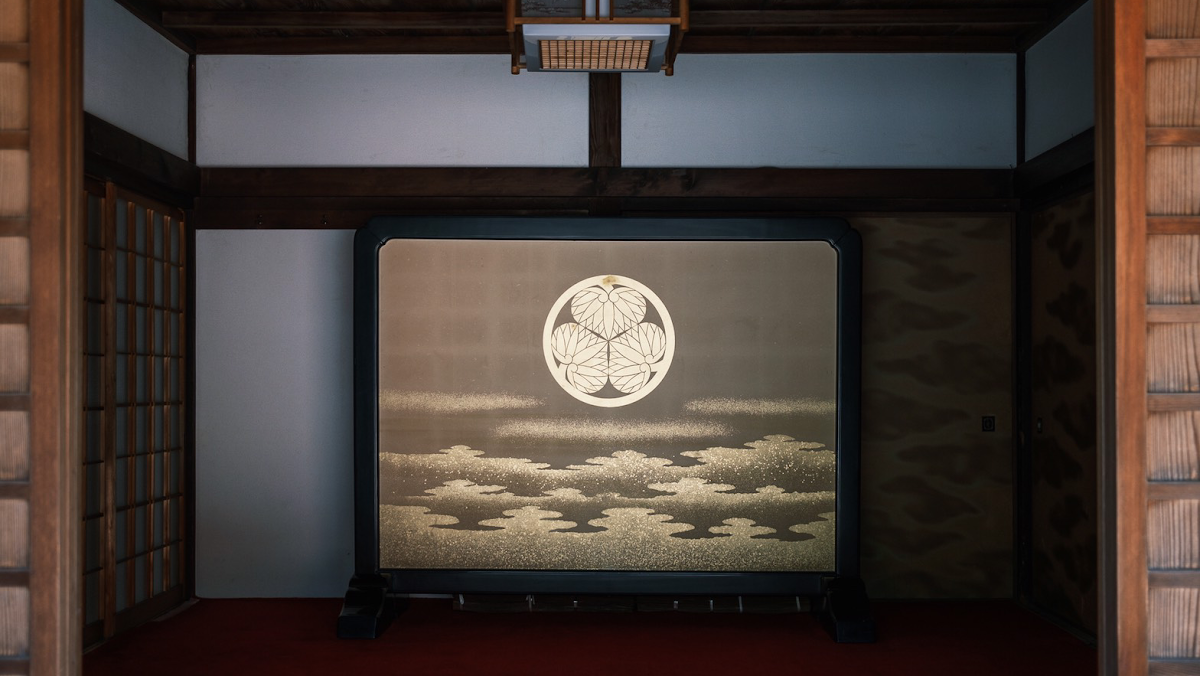
During the Edo period, Yamiya Shrine was restored under the patronage of the Kishu Tokugawa family.
During the time of the first lord of the Kishu domain, Tokugawa Yorinobu, three koku of land was donated to the shrine. This became the economic foundation for the maintenance and operation of the shrine.
Furthermore, during the time of the third lord, Tokugawa Mitsusada, the shrine building was repaired in April of Enpo 5 (1677). Approximately 100 years after its destruction by fire, a full-fledged shrine building was finally reconstructed.
This support from the Tokugawa family indicates that Yamiya Shrine was an important center of faith in the region. The Kishu Tokugawa family was deeply devoted to Kumano faith, and their reverence for Yamiya Shrine, which enshrines the Yatagarasu (three-legged crow), was natural.
Benefits and Faith of Yamiya Shrine
God of Victory and Good Fortune
Yatagarasu-no-Mikoto is the god who guided Emperor Jimmu to victory, and is therefore widely revered as the god of victory and good fortune.
- Prayers for victory in sports: Many people involved in soccer visit the shrine.
- Prayers for passing entrance exams: Many students visit the shrine as it represents a crucial life event.
- Prayers for employment and promotion: Visitors pray for success in their careers.
- Business prosperity: Visitors pray for success in business.
God of Information and Traffic Safety
Yatagarasu is the “god of guidance,” and is therefore also worshipped as the god of information transmission and traffic safety.
In today’s information society, obtaining accurate information and praying for safe travel are extremely important. It’s interesting that the ancient god of guidance also functions as a guardian deity in today’s information society.
God of Protection Against Misfortune
Because the Yatagarasu (three-legged crow) is said to have shown the right path, there is also a belief in it as a god of protection against misfortune.
- Avoiding misfortune related to direction when moving or relocating
- Praying for safe travel
- Praying to not lose sight of one’s life’s direction
Guardian Deity of the Saika-shu
Regionally, it also has an aspect as a guardian deity of the Saika-shu. Due to the legend that it protected the village during Oda Nobunaga’s attack on Saika, the belief in it as a guardian deity of the region remains strong.
Guide to the Grounds of Yamiya Shrine
Features of the Shrine Building
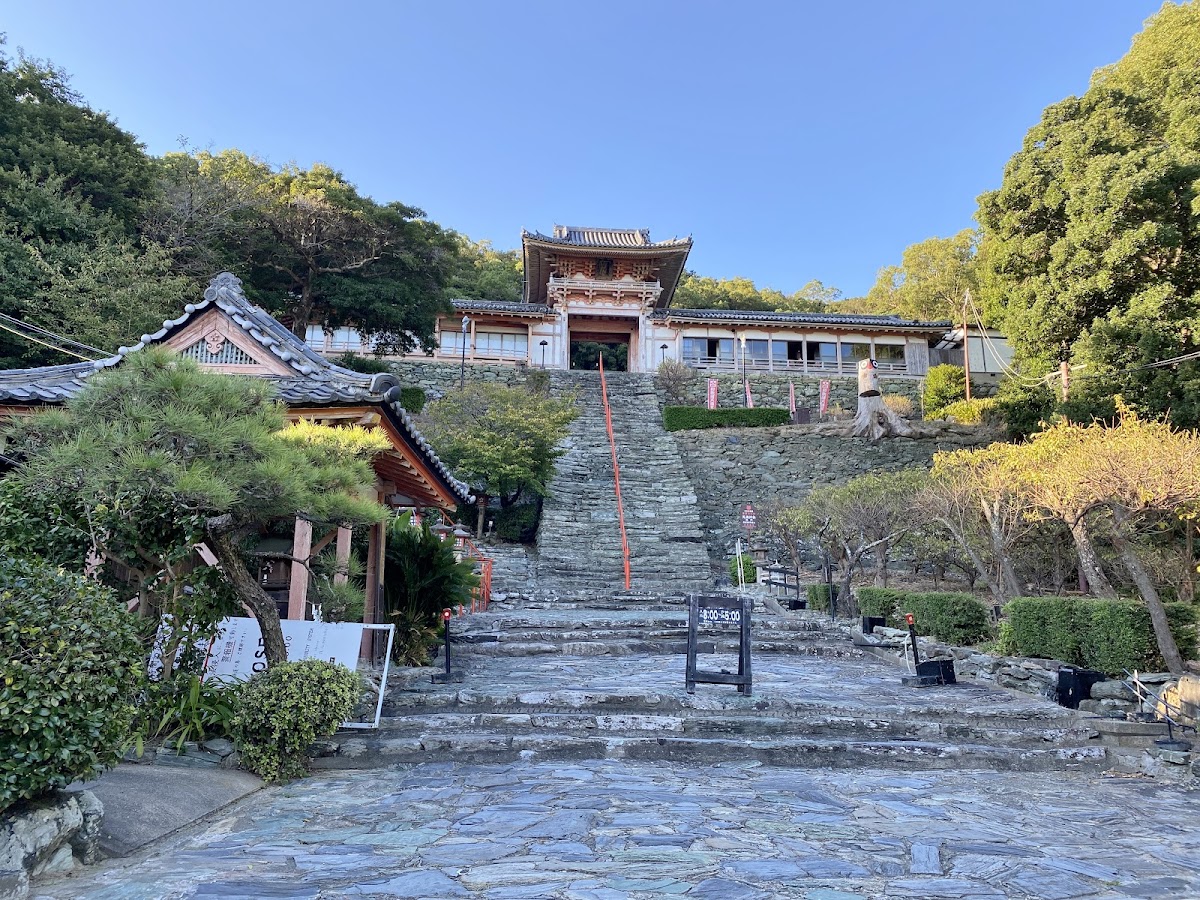
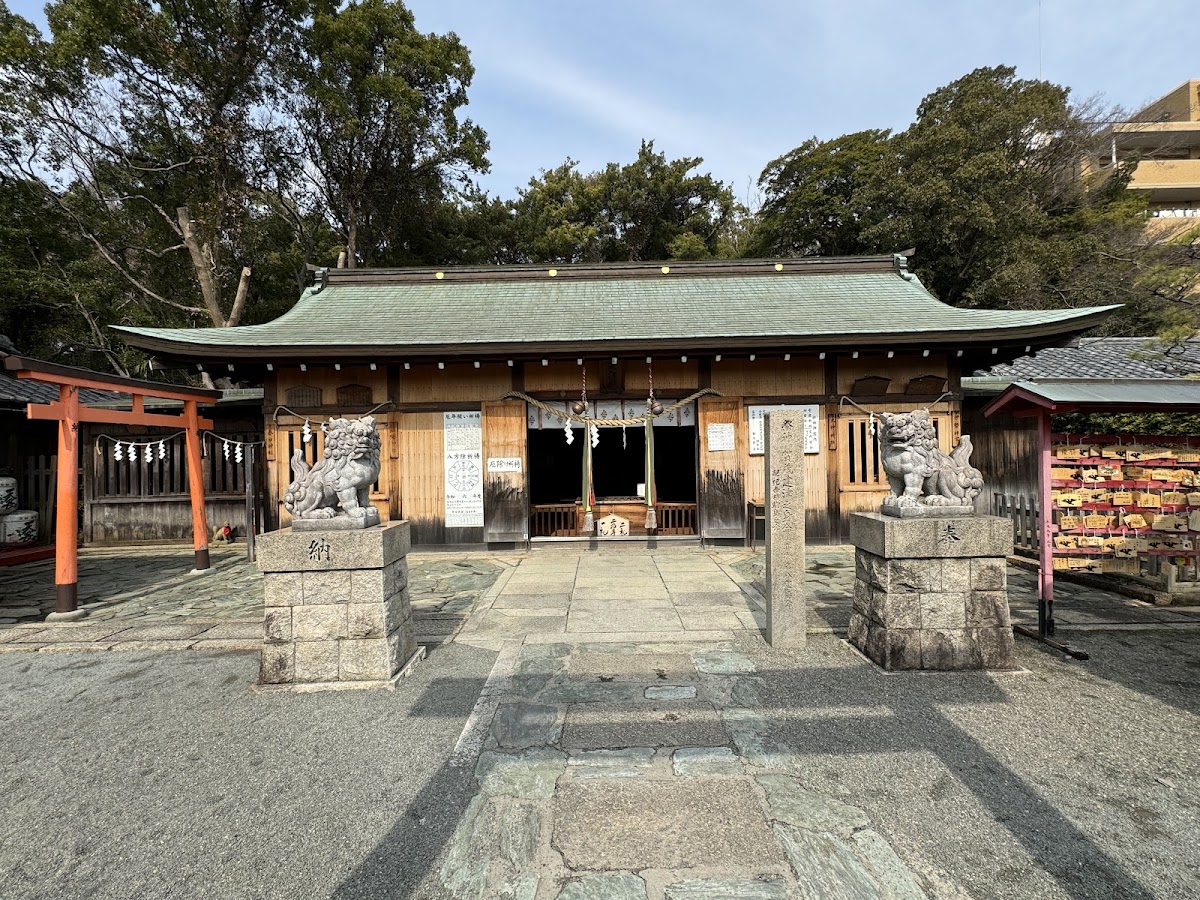
The current shrine building was rebuilt after the Edo period and has also been restored in modern times. While it is a medium-sized shrine, the well-maintained grounds are enveloped in a refreshing atmosphere.
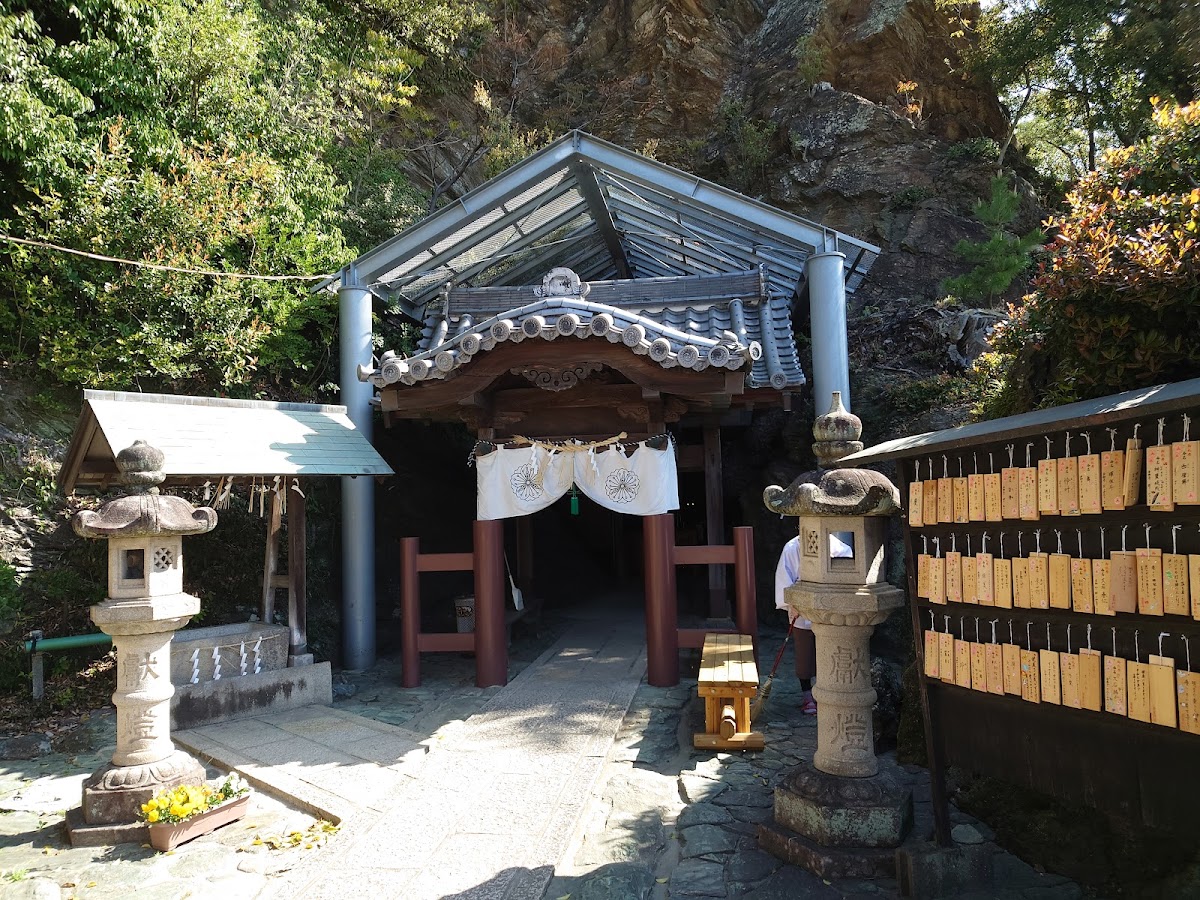
The main hall is built in the traditional shrine architectural style, and worshippers can offer prayers in the worship hall. The shrine grounds feature decorations and explanatory signs related to the Yatagarasu (three-legged crow), allowing even first-time visitors to deepen their understanding of the enshrined deity.
Subsidiary Shrines and Auxiliary Shrines
Besides the main deity, several other gods are enshrined within the grounds of Yamiya Shrine. According to visitor reviews, “Many different gods are enshrined here besides Yatagarasu-no-Okami,” indicating its character as a comprehensive shrine that attracts local faith.
Shrine Office and Souvenirs
At the shrine office, you can receive Goshuin (shrine stamps) and various souvenirs. Visitors have praised the friendly and approachable staff, highlighting their warm and welcoming service.
In December 2023, the Wakayama Shinpo newspaper featured the handmade amulets, demonstrating the popularity of these heartfelt offerings.
In particular, soccer-related amulets and souvenirs featuring the Yatagarasu are sought after as mementos of their visit.
Information on Goshuin (Shrine Seals) at Yamiya Shrine
Yamiya Shrine offers Goshuin. The Goshuin includes the shrine’s name and the date of visit, stamped with a seal related to the Yatagarasu (three-legged crow).
Those wishing to receive a Goshuin should inquire at the shrine office. Even if you do not have a Goshuin book, pre-printed Goshuin may be available.
The fee for a Goshuin is generally around 300-500 yen, but it is recommended to confirm the price upon your visit.
Access and Basic Information
Address and Contact Information
- Address: 1-5-27 Sekido, Wakayama City, Wakayama Prefecture 641-0035
- Phone Number: 073-444-0668
Access by Train
Yamiya Shrine is located within Wakayama City, but it is a bit of a distance from the nearest station.
- Approximately 2,270m (about 30 minutes on foot) from JR Kisei Main Line Kimiidera Station
- Approximately 2,590m (about 35 minutes on foot) from JR Kisei Main Line Miyamae Station
- Approximately 2,790m (about 35 minutes on foot) from Nankai Wakayama Port Line Wakayama Port Station
Since it’s a bit of a distance to walk from the station, taking a taxi or using the bus service described below is recommended.
Access by Bus
- Nearest Bus Stop: Akibasan
- Approximately 393m (about 5 minutes on foot) from the bus stop
Using local buses operating within Wakayama City makes access relatively easy.
Access by Car
Visiting by car is also possible. There are parking spaces around the shrine, but it is recommended to check with the shrine in advance for details.
If using a car navigation system, please search using the address “1-5-27 Sekido, Wakayama City, Wakayama Prefecture” or the phone number “073-444-0668”.
Visiting Hours
While visiting the shrine grounds is generally free, those wishing to receive a Goshuin (shrine stamp) or other items must visit during the shrine office’s opening hours. Generally, this is from 9:00 AM to 5:00 PM, but it’s best to confirm by phone beforehand.
Nearby Tourist Attractions
When visiting Yamiya Shrine, we recommend also visiting other tourist attractions in Wakayama City.
Kimii-dera Temple
Kimii-dera Temple, known as one of Kansai’s premier cherry blossom viewing spots, is relatively close to Yamiya Shrine. It is also the second temple on the Saigoku Thirty-Three Kannon Pilgrimage and a famous temple visited by many worshippers.
Wakaura
Wakaura, a scenic spot mentioned in the Manyoshu (an ancient collection of Japanese poetry), is an area with a beautiful coastline and historical buildings. Wakayama boasts numerous attractions, including Kataonami Beach and Furo Bridge.
Wakayama Castle
Wakayama Castle, which flourished as the residence of the Kishu Tokugawa family, is a symbolic landmark of Wakayama City. From the castle tower, you can enjoy a panoramic view of the city, especially during cherry blossom and autumn foliage seasons.
Saikazaki
Saikazaki, sometimes called “Japan’s Amalfi,” is attractive for its unique landscape of houses built on steep slopes. It was also the base of the Saika-shu, who had close ties to Yamiya Shrine, making it a place where you can feel the historical connection.
Yamiya Shrine Reputation and Reviews
The following are some of the evaluations from visitors who have actually visited Yamiya Shrine:
Evaluation as a God of Victory
There are reviews stating, “It’s a god of victory,” indicating that many visitors come seeking blessings for victory. It seems to be particularly popular among athletes and students taking exams.
Historical Connections with the Saika-shu
Many history enthusiasts visit the shrine out of interest in its role as the “guardian deity of the Saika-shu.” The detailed explanations available at the shrine office regarding Oda Nobunaga’s attack on Saika and the origins of the Saika dance are highly appreciated.
Friendly Service
Several visitors have commented on the friendly and approachable staff at the shrine office, highlighting the warm hospitality appreciated by visitors. Questions about the shrine’s history and the Yatagarasu (three-legged crow) are answered thoroughly.
Atmosphere of the Shrine Grounds
A review stating that “various deities are enshrined in addition to Yatagarasu-no-Okami” indicates that multiple deities are enshrined within the grounds, making it a place of comprehensive worship.
Points to Consider When Visiting Yamiya Shrine
Recommended Time to Visit
While Yamiya Shrine is open year-round, the following times are particularly recommended.
- New Year’s Visit (January 1st-3rd): Praying for good fortune in the new year
- Before Important Soccer Tournaments: Before Japan national team matches or big club team games
- Exam Season (January-March): Praying for success
- During the pleasant weather of spring and autumn: Combine with sightseeing in the surrounding area
Etiquette for Visiting a Shrine
Please observe the basic etiquette for visiting a shrine.
- Bow before passing through the torii gate
- Cleanse your hands and mouth at the water basin
- Ring the bell in front of the main hall
- Pray with two bows, two claps, and one bow
- Make your wish specific in your heart
Regarding Photography
Photography is generally permitted on the shrine grounds, but it is considered good manners to refrain from taking pictures inside the main hall or in sacred areas. If you are unsure, please check with the shrine office.
Summary: The Multi-layered Appeal of Yamiya Shrine
Yamiya Shrine is a shrine with multi-layered appeal, serving as a place of worship that has continued from mythological times to the present day.
Mythological Aspect: It enshrines the Yatagarasu, a deity directly connected to the Japanese founding myth, who guided Emperor Jimmu’s eastern expedition. Historical Aspect: It is deeply connected to the important event of the Sengoku period, Oda Nobunaga’s attack on Saika. Cultural Aspect: It is the origin of the traditional performing art of Saika Odori. Modern Aspect: It is attracting new followers as a sacred site for praying for victory in soccer.
For over 1400 years since its founding during the reign of Empress Suiko, Yamiya Shrine has continued to attract the faith of people in this land. Why not visit and pray to Yatagarasu Okami, who bestows various blessings such as victory, good fortune, information, traffic safety, and protection from evil?
Nestled quietly in a residential area of Sekido, Wakayama City, Yamiya Shrine warmly welcomes visitors and is a shrine truly befitting a “god of guidance,” who leads them on the right path in life.