Shirahige Shrine (Miyazaki Prefecture, Miyazaki City) Complete Guide | History, Deities, Benefits, and Access Information
Shirahige Shrine, located in Arita, Miyazaki City, Miyazaki Prefecture, is a historical shrine said to have been founded in 825 AD. Situated near Ikime Sports Park, it enshrines Izanagi-no-Okami, the god of creation, as its main deity. This article comprehensively introduces all the information you need to know before visiting Shirahige Shrine, including its detailed history, enshrined deities, benefits, highlights within the grounds, and access methods.
Basic Information about Shirahige Shrine
Location: 2311-2312 Arita, Miyazaki City, Miyazaki Prefecture
Phone Number: 0985-47-1444
Deities Enshrined: Izanagi-no-Okami, Takehayasusano-Okami, Sarutahiko-no-Okami
Founded: Tenchō 2 (825)
Shrine Rank: Former Village Shrine
Shirahige Shrine is located southwest of the center of Miyazaki City, near Ikime Sports Park. While surrounded by a quiet residential area, the shrine grounds are enveloped in a sacred atmosphere and are deeply revered by local residents.
History and Origins of Shirahige Shrine
Founding History and Ancient History
Shirahige Shrine was founded in Tenchō 2 (825), during the reign of Emperor Junna, the 53rd emperor. According to shrine tradition, the shrine was originally built on Shirahige Gongen Mountain, located behind the current shrine, and was later relocated to its present site. This relocation is supported by both shrine tradition and geological surveys, and it is considered one of the oldest shrines in Miyazaki City.
Although Shirahige Gongen Mountain is not particularly high in elevation, it has been revered as a sacred mountain since ancient times and has been an object of mountain worship. It is believed that the deities enshrined on this mountain were moved to a location closer to people’s lives, thereby strengthening their role as guardian deities of the region.
Development in the Kamakura Period and the Relationship with the Ito Clan
A crucial turning point in the history of Shirahige Shrine was the Kamakura period. It is said that when Ito Suketsune was appointed as the jitō (land steward) of Hyuga Province (present-day Miyazaki Prefecture), he invited Shirahige Shrine to be established as the guardian deity of the area.
The Ito clan was a samurai family based in Sagami Province (present-day Kanagawa Prefecture) and, having gained the trust of Minamoto no Yoritomo, was entrusted with the rule of Hyuga Province. Ito Suketsune, in governing Hyuga Province, placed great importance on Shirahige Shrine, praying for lasting military success and the security of his territory. The Kamakura Shogunate also recognized its importance, and records show that they donated 50 koku of land to the shrine for prayers for lasting military success.
This donation established Shirahige Shrine’s economic foundation, enabling the maintenance of its buildings and the continuation of its rituals. 50 koku was a considerable amount for a shrine at that time, demonstrating the importance the Shogunate and local administrators placed on this shrine.
From the Edo Period to the Modern Era
During the Edo period, Shirahige Shrine became the local tutelary deity, attracting the faith of the people of the Arita district. In a region centered on agriculture, it became a place where many worshippers visited throughout the year to pray for abundant harvests and family safety.
With the Meiji-era separation of Shinto and Buddhism, shrines throughout Japan were forced to undergo significant changes, and Shirahige Shrine was no exception. However, thanks to the deep faith of the local residents, the shrine survived and was ranked as a village shrine under the modern shrine ranking system.
In the Showa era, after the chaos of the postwar period, the shrine was rebuilt along with the reconstruction of the region. To this day, Shirahige Shrine is carefully preserved as a spiritual pillar of the Arita district and as a historical heritage of Miyazaki City.
Deities and Benefits
Main Deity: Izanagi-no-Okami
The main deity of Shirahige Shrine is Izanagi-no-Okami, one of the most important gods in Japanese mythology. Izanagi-no-Okami, along with his consort Izanami-no-Okami, is known as the god of creation who gave birth to the eight islands (the Japanese archipelago).
According to the Kojiki and Nihon Shoki, Izanagi-no-Okami and Izanami-no-Okami stood on the Heavenly Floating Bridge and stirred the sea with the Heavenly Jeweled Spear. The dripping seawater solidified, forming the first island. Afterward, the two deities gave birth to numerous islands, and then to the gods of nature, such as mountains, rivers, plants, wind, and rain.
After returning from the underworld, Izanagi-no-Okami performed a purification ritual, giving birth to three noble children: Amaterasu-Omikami from his left eye, Tsukuyomi-no-Mikoto from his right eye, and Takehayasusano-Mikoto from his nose. Thus, Izanagi-no-Okami holds the highest divine status as the ancestor of the land and gods of Japan.
The reason Izanagi-no-Okami is enshrined at Shirahige Shrine is related to its name. The name “Shirahige” (白髭) is a symbol of longevity and wisdom, and is said to represent the aged form of Izanagi-no-Okami. Many Shirahige Shrines throughout Japan enshrine Izanagi-no-Okami because he has been revered as a god of longevity and protection.
Enshrined Deities: Takehaya Susanoo-no-Okami and Sarutahiko-no-Okami
At Shirahige Shrines, along with the main deity Izanagi-no-Okami, Takehaya Susanoo-no-Okami and Sarutahiko-no-Okami are enshrined.
Takehaya Susanoo-no-Okami is a son of Izanagi-no-Okami and is known for his fierce nature, but is also a heroic god who slayed the Yamata no Orochi (eight-headed serpent). He is believed to have the divine power to ward off evil, disaster, and disease, and also has aspects of an agricultural god and a water god.
Sarutahiko-no-Okami is a Kunitsukami (earthly deity) who guided the descent of the heavenly grandchild, and is known as the god of “opening the way.” He is believed to grant blessings for traffic safety, protection from misfortune, good fortune, and business prosperity, and is worshipped as a god who shows the right path to those at crossroads in life.
With these three deities enshrined, Shirahige Shrine is a shrine that bestows diverse blessings and welcomes worshippers with a wide range of wishes.
Blessings of Shirahige Shrine
At Shirahige Shrine, the following blessings are believed to be granted through the divine virtues of the enshrined deities:
- Longevity and Longevity: Named after Izanagi-no-Okami’s “white beard,” this shrine offers blessings for health and longevity.
- Family Safety: As the god of creation, it prays for family harmony and peace.
- Protection from Misfortune and Disaster: Susanoo-no-Okami provides protection from calamities.
- Good Fortune and Prosperity: Sarutahiko-no-Okami helps pave the way for success in life.
- Traffic Safety: Sarutahiko-no-Okami’s divine guidance is believed to bring good fortune.
- Long-lasting Military Success: A tradition dating back to the Kamakura period, this shrine offers blessings for improvement in martial arts and sports.
- Abundant Harvest: As the god of agriculture, this shrine offers prayers for a bountiful harvest.
- Matchmaking: As the god of creation, it prays for successful relationships between men and women.
In particular, because it has long been worshipped as the local tutelary deity, many worshippers visit to pray for blessings at important life milestones (such as first shrine visits for newborns, Shichi-Go-San celebrations, exorcisms, and 60th birthday celebrations).
Highlights of the Shrine Grounds
Shrine Buildings and Main Hall
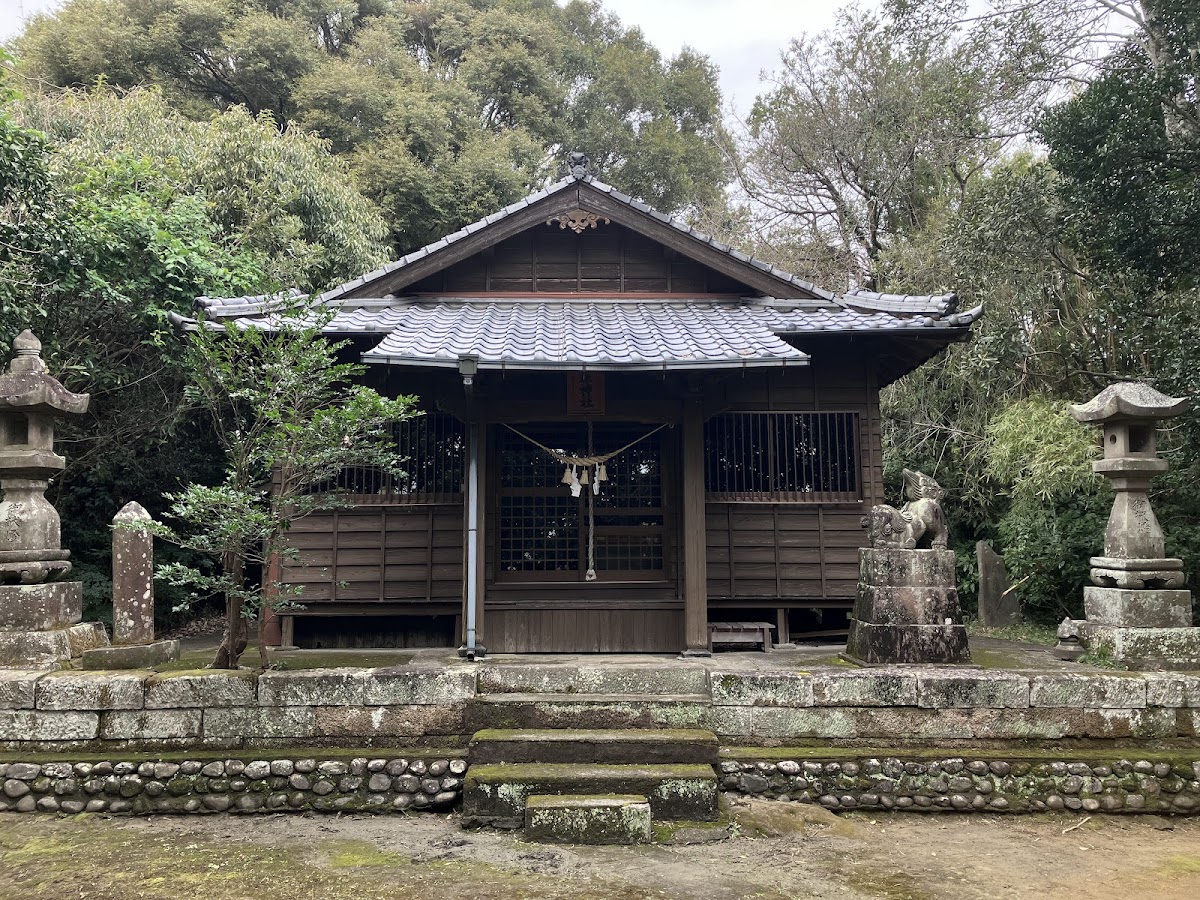
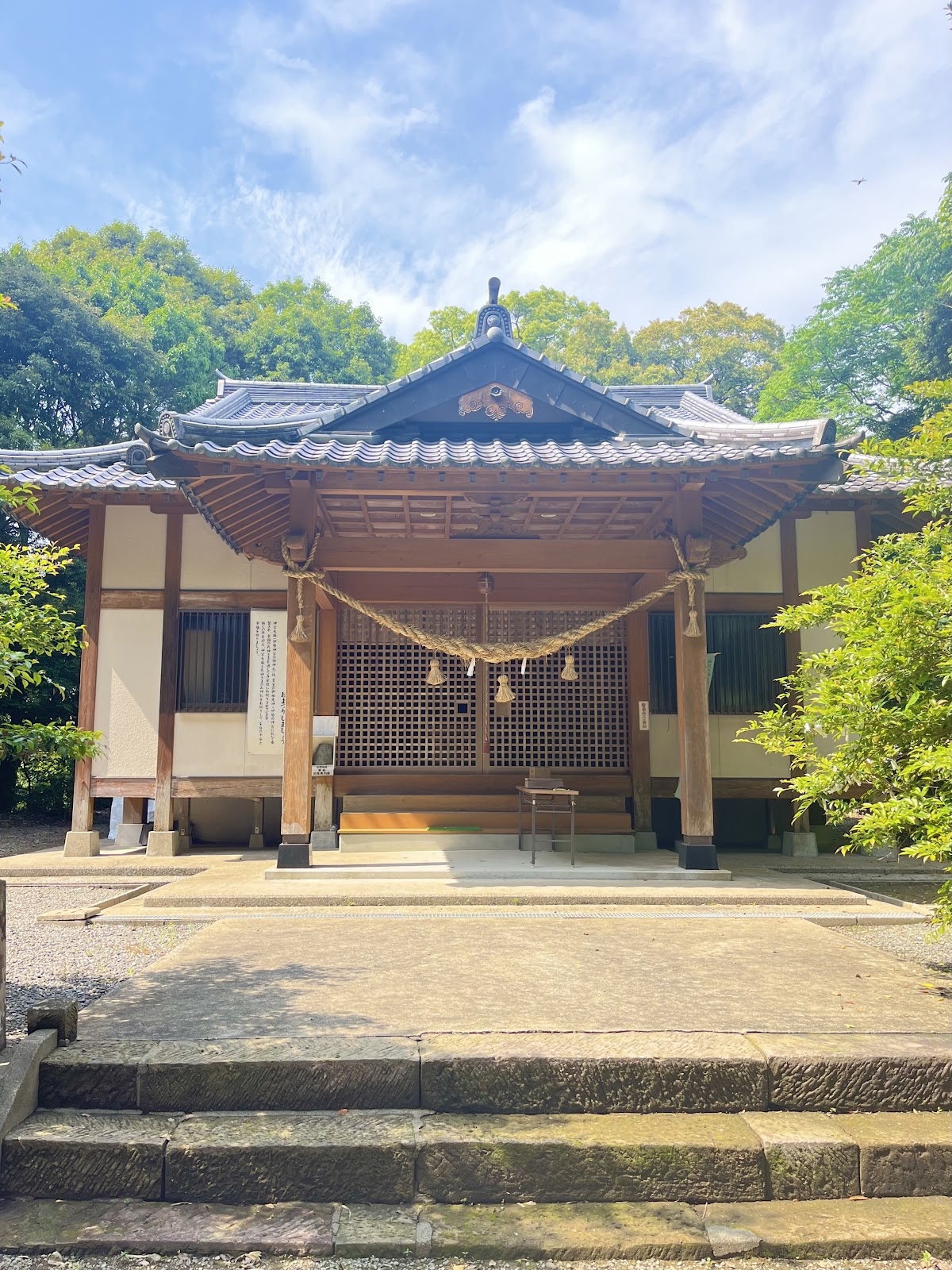
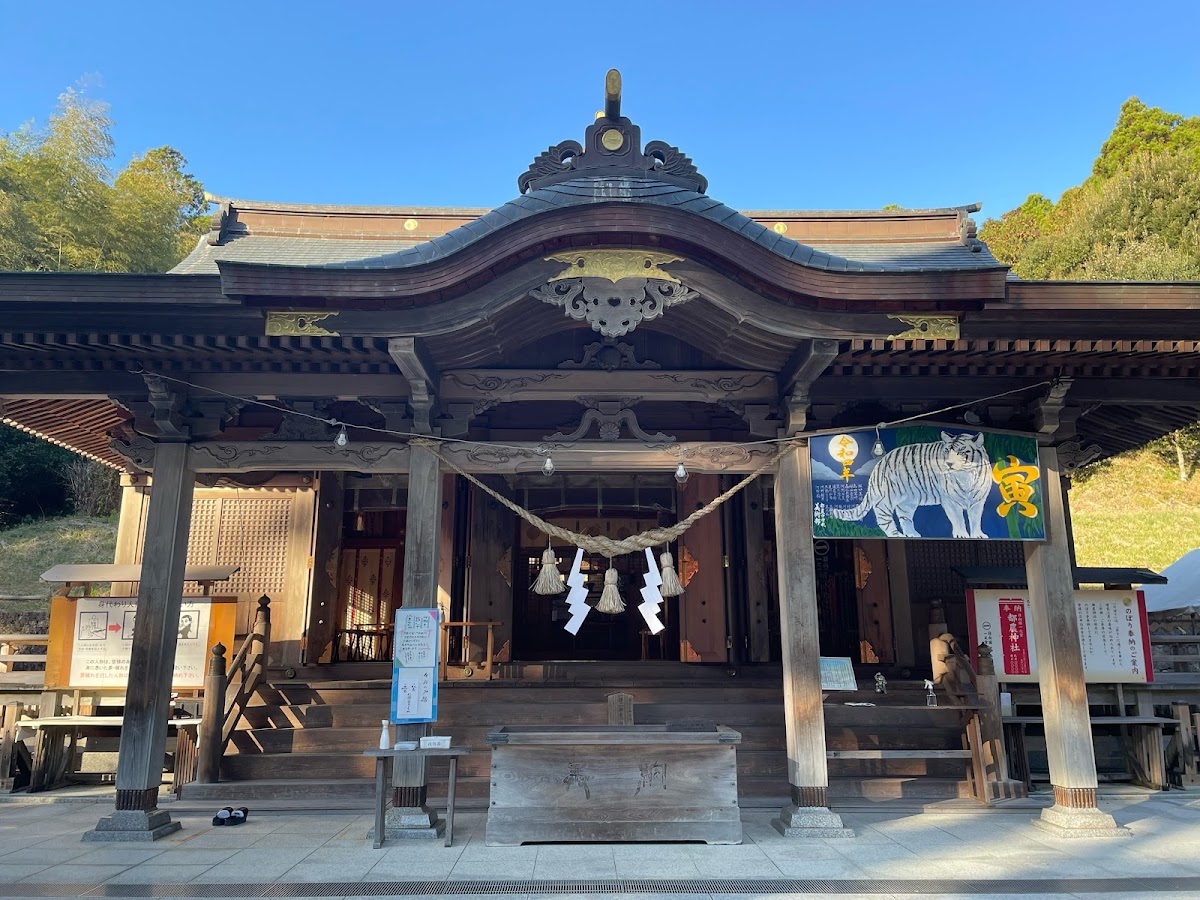
The shrine buildings of Shirahige Shrine are valuable structures that preserve traditional shrine architectural styles. The worship hall has a hip-and-gable roof and an open design that warmly welcomes visitors. The main hall is thought to be in the nagare-zukuri or shinmei-zukuri style, and while simple, it has a dignified appearance.
Around the shrine buildings stand ancient trees that tell the story of a long history, and the entire grounds are enveloped in a solemn atmosphere. In particular, the large trees, which are thought to be several hundred years old, deeply impress visitors as witnesses to the history of the shrine.
Subsidiary Shrines
Several subsidiary shrines (sessha/massha) are enshrined within the grounds of Shirahige Shrine. Each of these small shrines has its own history and attracts the faith of the local community.
These subsidiary shrines often include Inari shrines and Aragami shrines, and visitors come seeking blessings closely related to daily life, such as business prosperity and protection from fire. When exploring the shrine grounds, visiting these subsidiary shrines will enhance your pilgrimage experience.
Sacred Trees and Nature
What is particularly noteworthy about the grounds of Shirahige Shrine is its rich natural environment. The grounds, lined with giant trees, evoke a sense of tranquility and purity, as if you were in a forest, despite being located in an urban area.
The sacred trees are estimated to be several hundred years old, and their thick trunks and spreading branches exude an overwhelming presence. Seeing these giant trees allows you to truly feel the long history of the shrine and the faith of the people who have protected this land for generations.
The trees on the grounds display different expressions throughout the seasons; fresh greenery in spring, deep shade in summer, autumn leaves in fall, and dignified branches in winter—you can enjoy different beauty depending on when you visit.
Relationship with Shirahige Gongen Mountain
Behind the current Shirahige Shrine lies Shirahige Gongen Mountain, where the shrine is said to have been first established. This mountain holds a position similar to the inner sanctuary of the shrine and has been revered as a sacred mountain since ancient times.
Climbing Mount Shirahige Gongen holds special significance for worshippers seeking a deeper religious experience. Throughout the mountain, numerous sacred rocks (iwakura) and shrines are scattered, offering traces of ancient mountain worship.
Annual Events and Festivals
Shirahige Shrine holds various festivals and religious ceremonies throughout the year.
Main Annual Events
New Year’s Day Festival (January 1st)
A festival praying for happiness and peace in the new year. It is bustling with worshippers making their first shrine visit of the year.
First Ninth Day Festival (January 9th)
A traditional festival offering thanks to the gods at the beginning of the year.
Setsubun Festival (around February 3rd)
Through religious ceremonies such as bean-throwing, evil spirits are warded off and good fortune is invited.
Spring Grand Festival (around the Vernal Equinox)
An important festival celebrating the arrival of spring and praying for a bountiful harvest.
Summer Purification Ceremony (June 30th)
A Shinto ritual to cleanse away the sins and impurities accumulated over the past six months. A ritual of passing through a ring of reeds may also be performed.
Autumn Grand Festival (around the Autumnal Equinox)
A festival to express gratitude for the harvest and repay divine blessings. A portable shrine procession and offering ceremonies may also be held.
Year-End Purification Ceremony (December 31st)
As a culmination of the year, sins and impurities are cleansed, and preparations are made for welcoming the new year.
These festivals are attended by many local residents, providing an opportunity to deepen the bond between the shrine and the community.
Access Information
Access by Public Transportation
From JR Nippo Main Line “Miyazaki Jingu Station”
Get off at “Miyanoshita” bus stop (Miyazaki Kotsu Bus), approximately 3 minutes on foot.
From JR Nippo Main Line “Miyazaki Station”
Approximately 20 minutes by Miyazaki Kotsu bus, get off at “Miyanoshita” bus stop, approximately 3 minutes on foot.
Bus schedules vary depending on the time of day, so it is recommended to check the Miyazaki Kotsu timetable in advance.
Access by Car
From Miyazaki City Center
Approximately 15 minutes via National Route 220.
From Miyazaki Expressway “Miyazaki IC”
Approximately 20 minutes via National Route 10 and National Route 220.
Parking
There is parking space for visitors within the shrine grounds or nearby, but spaces are limited, so it is recommended to use public transportation during festivals and other special occasions.
Nearby Tourist Attractions
Ikime Sports Park
A comprehensive sports park within walking distance of Shirahige Shrine. It features an athletics track, baseball field, tennis courts, and gymnasium, and frequently hosts sporting events.
Miyazaki Shrine
The Ichinomiya (first-ranked shrine) of Miyazaki Prefecture, dedicated to Emperor Jimmu. Located about 10 minutes by car from Shirahige Shrine, it’s a major tourist spot in Miyazaki.
Heiwadai Park
A park known for its “Peace Tower.” It’s also a popular viewpoint offering panoramic views of Miyazaki city.
Manners and Etiquette for Visiting Shrines
Basic Shrine Visit Etiquette
There are traditional customs for visiting shrines. Following the steps below will show more respect to the deities.
1. Bow Before Passing Through the Torii Gate
The torii gate is the entrance to the sacred area. Bow slightly before passing through it.
2. Walk along the edge of the approach to the shrine.
The center of the approach is called the “seichu” and is considered the path of the gods. It is considered polite for worshippers to walk along the edge.
3. Purifying your body and mind at the water basin
- Take the ladle with your right hand and purify your left hand.
- Switch the ladle to your left hand and purify your right hand.
- Switch the ladle back to your right hand, receive water in your left hand, and rinse your mouth.
- Purify your left hand once more.
- Hold the ladle upright, let water flow down the handle, and return it to its original position.
4. Worship at the main hall
- Gently place your offering in the offering box.
- Ring the bell if there is one.
- Worship using the two bows, two claps, one bow (two bows, two claps, one bow) method.
- Bow deeply twice.
- Clap your hands twice at chest height.
- Pray with all your heart.
- Finally, bow deeply once.
5. Bow at the torii gate when leaving
When leaving the sacred area, turn around and bow in front of the torii gate.
About Goshuin (Shrine Seals)
Goshuin (shrine seals) are available at Shirahige Shrine. A Goshuin (temple/shrine stamp) is proof of your visit and a tangible representation of your connection with the shrine.
When receiving a Goshuin, please note the following:
- Complete your prayers before receiving the Goshuin.
- Prepare a Goshuincho (regular notebooks or diaries are not acceptable).
- Check the shrine office’s opening hours (usually around 9:00 AM to 5:00 PM).
- Prepare a donation (around 300-500 yen).
- Request politely.
The Goshuin at Shirahige Shrine features the shrine’s name and the date of visit written in ink, followed by a red seal. The beautiful calligraphy and seal will be a wonderful memento of your visit.
Shirahige Shrine’s Connection to the Community
As a Center of the Local Community
Throughout its nearly 1200-year history, Shirahige Shrine has always been a central presence in the Arita district, deeply connected to the local residents. Shrines are not merely religious institutions; they also serve as places where local people gather and interact.
Annual festivals are prepared and run primarily by local parishioners’ representatives and neighborhood associations, with many residents participating. Through these activities, intergenerational exchanges are fostered, strengthening community bonds.
Education and Cultural Transmission
Shirahi Shrine also focuses on passing on traditional culture to local children. Through life rituals such as Shichi-Go-San (a traditional rite of passage for children) and Hatsumōde (a first shrine visit for newborns), the significance of shrines and Shintoism is conveyed to the next generation.
Furthermore, in collaboration with local schools, opportunities are provided to learn about the history and culture of the shrine as part of local history studies. These initiatives play an important role in fostering children’s attachment to their community.
Differences from Other Shirahi Shrines in Miyazaki City
There are many shrines named Shirahi Shrine throughout Japan. Within Miyazaki Prefecture, there is also a Shirahi Shrine in Kawaminami Town, which is a different shrine known for the legend of Urashima Taro.
Shirahi Shrine in Miyazaki City has a historical background, having been established by the Ito clan and receiving patronage from the Kamakura Shogunate, making it deeply connected to the samurai class. It also boasts a unique history, having been relocated from Shirahi Gongen Mountain.
Shirahi Shrine in Kawaminami Town is associated with the legend of the Dragon Palace and is known as the site of Urashima Taro’s demise. Founded in the same year, Tenchō 2 (825 AD), it is a shrine with strong elements of mountain worship, including dragon god worship and a cave used for ascetic training.
Thus, despite sharing the same name “Shirahi” (白髭/白髭), each shrine has its own unique history and characteristics. Visiting both shrines and experiencing their differences would be an interesting experience when visiting Miyazaki Prefecture.
Visitor Voices and Reputation
The following comments have been received from visitors to Shirahi Shrine:
“Located near Ikime Sports Park, this shrine is easily accessible. The grounds are quiet and peaceful.”
“The ancient trees were impressive, and I felt the depth of the shrine’s history.”
“It’s a warm, community-oriented shrine, and you can feel the deep faith of the local people.”
“I received a Goshuin (shrine stamp), and I appreciate the courteous service.”
“It’s a historic shrine dedicated to Izanagi-no-Okami, and I felt refreshed after my visit.”
These reviews show that Shirahige Shrine is loved not only by local people but also by a wide range of visitors.
Summary: The Significance of Visiting Shirahige Shrine
Shirahige Shrine, located in Arita, Miyazaki City, has a long history, having been founded in 825 AD. It is a historic shrine that enshrines Izanagi-no-Okami, the god of creation, as its main deity.
During the Kamakura period, it received the patronage of the Ito clan and the Kamakura Shogunate, and was highly valued as a place of prayer for military success. Since then, it has continued to be revered as the local tutelary deity, attracting the faith of the people of the Arita district.
The shrine grounds are lined with ancient trees, some estimated to be hundreds of years old, telling the story of its long history. A visit to the shrine in its tranquil atmosphere will allow you to escape the hustle and bustle of everyday life and cleanse your mind.
Shirahi Shrine offers a variety of blessings, including longevity, family safety, protection from evil, and good fortune, making it an ideal place to pray at important life events. When visiting Miyazaki City, be sure to visit Shirahi Shrine and experience its nearly 1200-year history and the blessings of the gods.
Combining a visit to Shirahi Shrine with a sports event at Ikime Sports Park or a visit to Miyazaki Jingu Shrine will make your Miyazaki sightseeing even more fulfilling. We wholeheartedly recommend visiting Shirahi Shrine to experience the region’s history and culture and refresh your mind and body.