Shiroyama Shrine (Tottori Prefecture, Tottori City) Complete Guide | The Guardian Deity of Shikano Castle with 400 Years of Tradition
Located in Shikano-cho, Tottori City, Tottori Prefecture, Shiroyama Shrine is a shrine steeped in history and tradition, situated within the ruins of Shikano Castle. With its exquisite shrine carvings, the “Shikano Festival” which has continued for over 400 years, and its role as the guardian deity of Shikano Castle, it continues to fascinate many worshippers and tourists as an important spot that conveys the culture and history of the region.
This article comprehensively introduces information you should know before visiting Shiroyama Shrine, including its history, highlights, festivals, and access methods.
What is Shiroyama Shrine? The History of the Guardian Deity of Shikano Castle
Founding and History
The exact founding date of Shiroyama Shrine is unknown, but it has been revered by the townspeople since ancient times as Myoken Daimyojin (Myoken-gu). Originally positioned as a subsidiary shrine of Kachimiya Shrine, it functioned as a central point of local faith.
During the Nanboku-cho and Sengoku periods, when the then-lord, the Shikanu clan (Kano clan), built Kano Castle, Shiroyama Shrine took on the role of the guardian shrine of Kano Castle. The castle and the shrine became one, forming a spiritual pillar of the region.
The Rise of Kamei Korenori and Shiroyama Shrine
Shiroyama Shrine experienced significant development during the Keicho era (1596-1615). In 1580, when Kamei Korenori became the lord of Kano Castle, he devoutly worshipped Shiroyama Shrine as the guardian shrine of Kano Castle.
In November of the 10th year of the Kan’ei era (1633), the Ikeda clan, the feudal lords, donated 5 koku, 7 to, and 5 sho of land to the shrine, establishing its economic foundation. During this period, the annual festivals were held twice a year, in spring and autumn, and the shrine flourished greatly.
Changes after the Meiji Era
In the early Meiji era, the shrine was renamed Shiroyama Shrine. Subsequently, the consolidation of deities continued, with Izumo Taisha (Ōkuninushi-no-Ōkami) being enshrined in 1879 (Meiji 12), and Tsuwano Shrine (Kamei Korenori-no-Mikoto) being enshrined in 1940 (Showa 15).
As a result, Shiroyama Shrine, while having Susanoo-no-Mikoto as its principal deity, became a shrine that also enshrines a diverse range of gods, including Ōkuninushi-no-Ōkami and Kamei Korenori-no-Mikoto.
Deities and Blessings of Shiroyama Shrine
Main Deity: Susanoo-no-Mikoto
The main deity of Shiroyama Shrine is Susanoo-no-Mikoto. In Japanese mythology, Susanoo-no-Mikoto is known as the hero who defeated Yamata-no-Orochi (a mythical eight-headed serpent), and is believed to bestow blessings such as protection from evil, disaster, and matchmaking.
Deities Enshrined Together
- Okuninushi-no-Okami: Invited from Izumo Taisha Shrine. Worshipped as the god of matchmaking, business prosperity, and abundant harvests.
- Kamei Korenori-no-Mikoto: Invited from Tsuwano Shrine. A warrior who contributed to the development of the region as the lord of Kano Castle is enshrined as a deity.
With these deities enshrined together, Shiroyama Shrine is a shrine that bestows diverse blessings, and is popular not only with local residents but also with worshippers from afar.
Highlights of Shiroyama Shrine
Exquisite Shrine Carvings
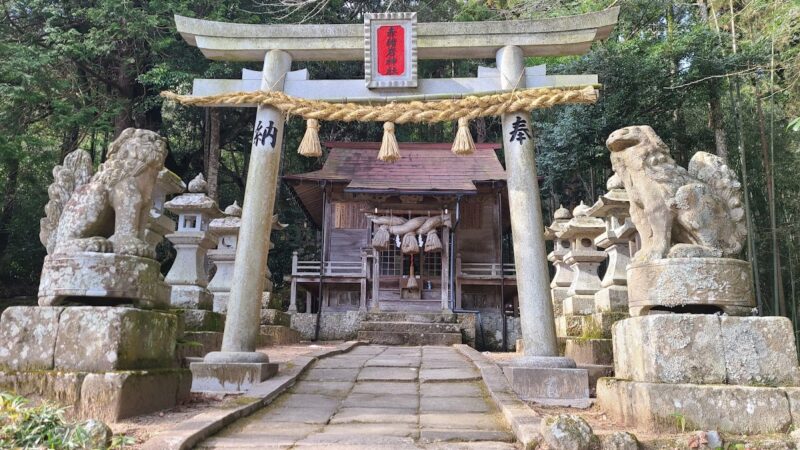
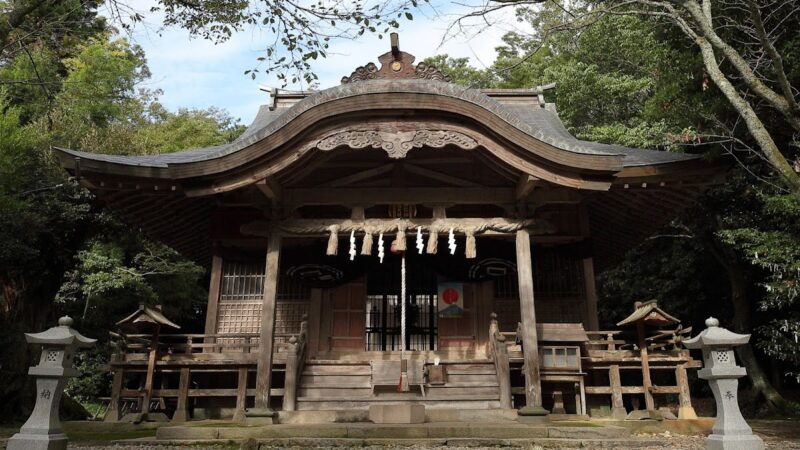
A must-see when visiting Shiroyama Shrine is the exquisite carvings on the shrine building. Although the shrine itself is small, its structure and the carvings on the three pillars are exceptionally intricate, unparalleled in the surrounding area, and are highly valued as a precious cultural asset.
The carvings feature traditional designs such as dragons, lions, and flowers and birds, showcasing the pinnacle of Edo period craftsmanship. The meticulously carved details possess an artistic quality that captivates the eyes of visitors.
Integration with Kano Castle Ruins
Shiroyama Shrine is situated within the grounds of the Kano Castle Ruins. Kano Castle was a mountain castle where Kamei Korenori resided, and remnants of stone walls and baileys remain today.
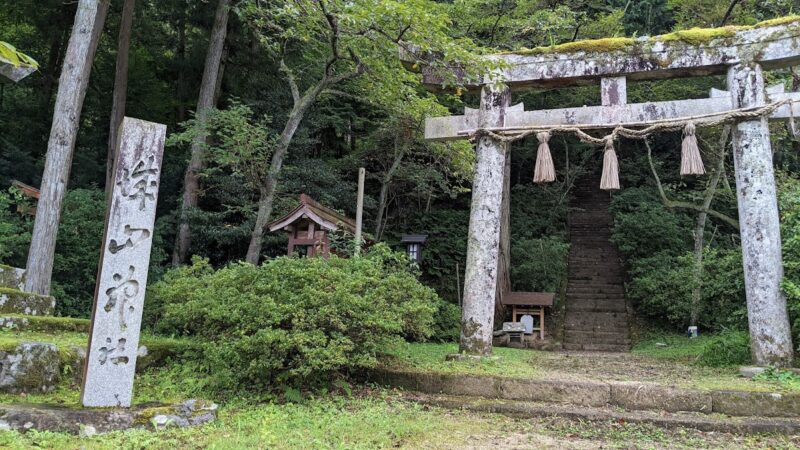
Walking along the approach to the shrine, you can feel the atmosphere of the castle ruins, and immersing yourself in historical romance is a major attraction of Shiroyama Shrine. In spring, the cherry blossoms are in full bloom, creating a landscape of exceptional beauty where the castle ruins and shrine intertwine.
A Tranquil Atmosphere within the Shrine Grounds
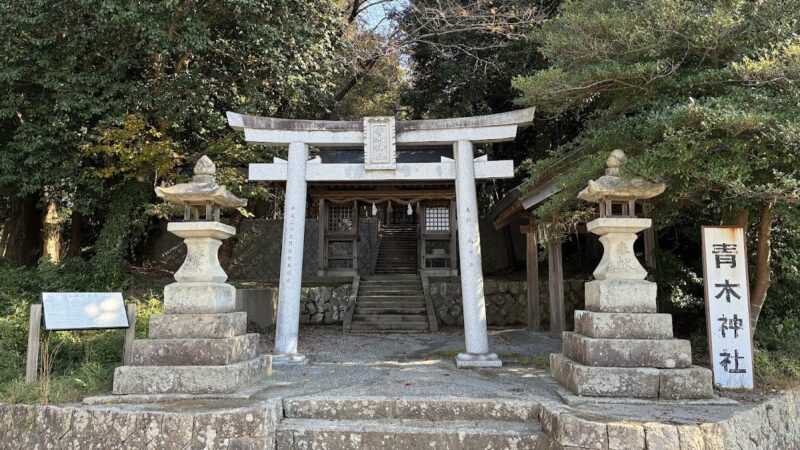
The grounds of Shiroyama Shrine are enveloped in a quiet and peaceful atmosphere. Located in Shikano-cho, a short distance from the center of Tottori City, it offers a tranquil environment for worship, far removed from the hustle and bustle.
The grounds, surrounded by trees, allow visitors to enjoy the beauty of nature throughout the seasons, and are especially worth visiting during the fresh green season and the autumn foliage season.
Shikano Festival (Shiroyama Shrine Festival), a Prefecturally Designated Intangible Folk Cultural Property
A Festival with Over 400 Years of Tradition
The greatest highlight of Shiroyama Shrine is the Shikano Festival (Shiroyama Shrine Festival), held every other year in mid-April. This festival boasts a tradition of over 400 years and is designated as a Tottori Prefecture Intangible Folk Cultural Property.
This festival, which has preserved its ancient traditions since 1813, is a crucial event symbolizing the history and culture of Kano, and is cherished and passed down by the local residents.
The Enchanting Net Lanterns of the Evening Festival
The festival takes place over two days: the “Evening Festival” and the “Main Festival.”
During the Evening Festival, a net lantern stretching 180 meters in length illuminates the castle town in a fantastical way. The light of the lanterns, glowing in the twilight, gives the feeling of having traveled back in time. The sight of the lion dance and portable shrine procession moving through the lantern light is a unique charm of the Kano Festival.
The Imperial Procession of the Main Festival
During the Main Festival, the Imperial Procession takes place around the time the cherry blossoms are in full bloom. To the sound of festival music, sacred branches, portable shrines, floats, banner bearers, and lion dancers parade through the castle town.
The Imperial Procession boasts a 400-year tradition, and its costumes and movements retain a strong sense of ancient elegance. This procession, in which all local residents participate, is a symbol of Shikano’s pride and unity, captivating many tourists.
Year and Time of Event
The Shikano Festival is held biennially, so it’s important to check the year of the festival beforehand when planning your visit. It takes place in mid-April, often coinciding with the peak cherry blossom season, making it a perfect opportunity to enjoy both the festival and cherry blossoms.
Basic Information on Shiroyama Shrine
Address
2489 Shikano-cho, Tottori City, Tottori Prefecture 689-0405
Shiroyama Shrine is located within the ruins of Shikano Castle, situated on a hill overlooking the town of Shikano.
Telephone Number
For detailed inquiries, please contact the Tottori City Tourist Information Center or the Tottori Prefecture Shrine Association.
Visiting Hours and Admission Fee
The temple grounds are generally open to visitors. There is no admission fee, and you can visit anytime during the day. However, since there is no lighting at night, visiting during daylight hours is recommended.
Parking
There is parking space around the Shikano Castle ruins, but the number of spaces is limited. During festivals, congestion is expected, so please consider using public transportation.
Access Methods
Access by Public Transportation
From JR Tottori Station, take the Hinomaru Jidosha bus and get off at the “Tachicho (Shikano-cho)” bus stop. It’s about a 10-minute walk from there. Since bus services are limited, it is recommended to check the timetable in advance.
Access by Car
It’s about a 30-minute drive from central Tottori City via National Route 9. It’s about a 25-minute drive from the Tottori IC on the Tottori Expressway.
For car navigation, searching for “Shikano Castle Ruins” or “Shiroyama Shrine” is convenient.
Nearby Tourist Attractions
When visiting Shiroyama Shrine, we recommend also visiting the nearby tourist attractions.
- Kano Castle Ruins: Historical remains integrated with the shrine
- Kano Onsen: A hot spring area where you can enjoy a day trip to the hot springs
- Kachiya Shrine: The main shrine of Shiroyama Shrine
- Kano Townscape: A walking area that retains the atmosphere of a castle town
By combining these spots, you can experience the history and culture of the Kano area more deeply.
Points to Note When Visiting Shiroyama Shrine
Recommended Time to Visit
The best time to visit Shiroyama Shrine is as follows:
- Mid-April (Years when the Kano Festival is held): The best time to enjoy the festival and cherry blossoms at the same time.
- Spring (April-May): Beautiful fresh greenery and cherry blossoms, and mild weather.
- Autumn (October-November): Beautiful autumn leaves, and suitable weather for visiting the shrine.
Shrine Visit Manners
Please observe basic shrine visit manners.
- Bow before passing through the torii gate.
- Cleanse your hands and mouth at the water basin.
- Worship using the two bows, two claps, and one bow ritual.
- When admiring the carvings on the shrine buildings, please do so quietly and respectfully.
Photography
Photography is generally permitted on the shrine grounds, but please follow the instructions of those in charge during special events such as festivals. The carvings on the shrine buildings are valuable cultural assets, so please be considerate and refrain from using flash photography.
Experiencing the Charm of Shiroyama Shrine
Feeling the Romance of History
Shiroyama Shrine is not merely a tourist spot; it is a place where the history and culture of the region, spanning over 400 years, are condensed. From the time when Kamei Korenori ruled as lord of the castle, through the Edo period’s feudal administration, and up to the present day, this shrine has remained a spiritual pillar for the people of Kano.
Standing on the shrine grounds, you can feel the weight of this history and the depth of faith that has been passed down through generations.
Experiencing the Pinnacle of Craftsmanship
The exquisite carvings on the shrine buildings are the culmination of the advanced skills and aesthetic sensibilities of Edo-period craftsmen. Despite its small size, the shrine’s artistry is exceptionally high, and its value as a cultural asset is recognized.
By viewing the carvings up close, you can reflect on the passion and skill of the craftsmen of that time.
Witnessing the Unity of the Local Community
The Kano Festival, held every other year, is a major event in which the entire community works together. From the preparations for the festival to its operation on the day, many people cooperate to pass on the tradition to the next generation.
By participating in the festival, you can witness firsthand the strong bonds of the local community and the dedication of those who protect traditional culture, even in modern times.
The Charms of the Kano Area
The Atmosphere of a Castle Town
Kano Town retains the atmosphere of a former castle town. Walking through the town, you’ll find historical spots scattered throughout, such as old streets and samurai residences.
A leisurely stroll centered around Shiroyama Shrine will give you the feeling of stepping back in time.
A Relaxing Experience at Kano Onsen
Near Shiroyama Shrine is Kano Onsen, a day-trip hot spring facility where you can relax and unwind. Soaking in the hot springs after visiting the shrine or strolling around will refresh both your mind and body.
Local Cuisine
The Kano area also has restaurants serving dishes made with local ingredients. Enjoying the local food culture while savoring the bounty of the sea and mountains unique to Tottori Prefecture is one of the pleasures of traveling there.
Summary: A Journey to Experience History and Tradition at Shiroyama Shrine
Shiroyama Shrine, located in Shikano-cho, Tottori City, Tottori Prefecture, is a venerable shrine with a history of over 400 years. This shrine is full of attractions, including its exquisite shrine carvings, the biennial “Shikano Festival,” and its seamless integration with the ruins of Shikano Castle.
Dedicated to the main deity Susanoo-no-Mikoto, as well as Okuninushi-no-Okami and Kamei Korenori-no-Mikoto, this shrine is still revered by many as a protector against evil, a place for matchmaking, and a guardian deity of the region.
Visiting during the Shikano Festival allows you to experience the traditional events designated as an intangible folk cultural property of the prefecture and witness the beautiful spectacle of cherry blossoms in full bloom interwoven with the imperial procession. Even outside of festival years, you can enjoy a fulfilling time by visiting the tranquil shrine grounds, admiring the carvings on the shrine buildings, and strolling around the ruins of Shikano Castle.
When you visit Tottori City, be sure to visit Shiroyama Shrine and experience the history and traditions that this region has carefully preserved. Combining it with a day trip to Shikano Onsen and exploring the surrounding tourist spots will surely create wonderful travel memories.
Shiroyama Shrine is not merely a tourist destination; it is a living cultural heritage site where the pride and faith of the local people breathe life into. Immerse yourself in its charm and enjoy a memorable pilgrimage.