Complete Guide to Shokokuji Temple (Kyoto Prefecture) | History, Highlights, Access, and Special Viewing Information
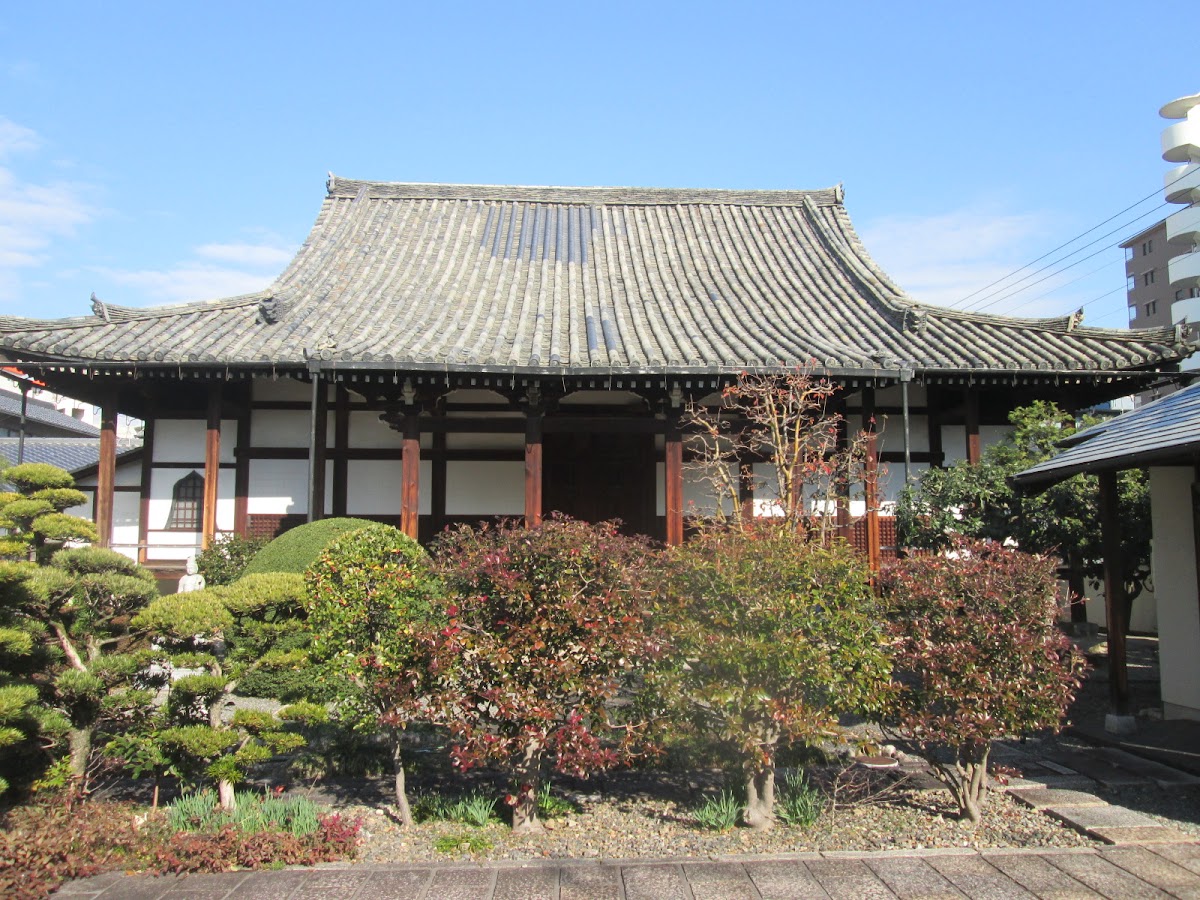
Located in Kamigyo Ward, Kyoto City, north of the Kyoto Imperial Palace, Shokokuji Temple is the head temple of the Shokokuji branch of the Rinzai school of Zen Buddhism, founded by Ashikaga Yoshimitsu, the third shogun of the Muromachi shogunate. Its official name is “Mannenzan Shokoku Joten Zenji,” and as a prestigious Zen temple ranked second among the Five Great Zen Temples of Kyoto, it has watched over Kyoto’s history and culture for over 600 years.
This article provides detailed information you should know before visiting Shokokuji Temple, from its historical background and highlights to special viewing information and access methods.
History and Founding Background of Shokokuji Temple
Construction of a Magnificent Zen Temple by Ashikaga Yoshimitsu
The founding of Shokokuji Temple dates back to Eitoku 2 (1382). Ashikaga Yoshimitsu, the third shogun of the Muromachi shogunate, vowed to build a grand Zen Buddhist temple complex on land adjacent to the east side of the Muromachi shogunate, then known as the “Flower Palace.” Construction took approximately 10 years, and it was completed in 1392 (Meitoku 3).
Yoshimitsu invited Musō Soseki to be the founding abbot (first chief priest), aiming to create a magnificent temple that would become a center of Zen Buddhist culture. The temple grounds at the time of its founding were vast, extending to the vicinity of the present-day Kamigoryo Shrine, and were among the largest in Kyoto.
Prestige as the Second-Ranked of the Kyoto Five Mountains
Shōkoku-ji Temple was ranked second in the Kyoto Five Mountains system, boasting a prestigious status second only to Tenryū-ji Temple among the Five Mountains (excluding Nanzen-ji Temple, which is considered exceptional). It flourished as a center of Five Mountains literature, produced many learned monks, and greatly influenced the formation of Muromachi period culture.
A History of Repeated Fires and Reconstruction
The history of Shokokuji Temple is a cycle of fires and reconstructions. During the Onin-Bunmei War (1467-1477), almost the entire temple grounds were destroyed by fire, and many buildings were lost again due to repeated fires and wars. Most of the current major buildings were rebuilt after the Edo period.
In particular, the Hatto (Dharma Hall) was rebuilt in 1605 through a donation from Toyotomi Hideyori, and is designated as a National Important Cultural Property as the oldest existing Hatto building in Japan.
Highlights and Cultural Properties of Shokokuji Temple
Hatto (Dharma Hall) and Kano Mitsunobu’s “Coiled Dragon” Painting
A must-see for visitors to Shokokuji Temple is Kano Mitsunobu’s “Coiled Dragon” painting on the ceiling of the Hatto. The dragon, depicted within a circle approximately 9 meters in diameter, is breathtaking, and it is known as the “singing dragon” because the sound echoes when you clap your hands inside the hall. This acoustic effect is a natural phenomenon created by the structure of the main hall, surprising visitors.
The main hall was built in 1605 (Keicho 10), making it the oldest existing main hall in Japan. It is a valuable cultural asset that conveys the architectural beauty of Zen Buddhism.
Hojo (Kyoto Prefecture Designated Tangible Cultural Property)
Rebuilt in 1807 (Bunka 4), the Hojo is designated as a Kyoto Prefecture Designated Tangible Cultural Property. It boasts an elegant Shoin-zukuri architectural style, creating a beautiful space in harmony with the sliding screen paintings and garden. The interior can be viewed during special viewing periods in spring and autumn.
Jotenkaku Museum
Opened in April 1984 (Showa 59), the Jotenkaku Museum houses and exhibits valuable cultural assets owned by Shokokuji Temple and its sub-temples (Kinkakuji, Rokuonji, Ginkakuji, Jishoji, etc.).
You can admire outstanding works of art from the Muromachi to Edo periods, including paintings, calligraphy, and crafts, some of which are national treasures or important cultural properties. The collection of works by Ito Jakuchu is particularly extensive, making it a must-see spot for Jakuchu fans.
Basic Information on the Shōtenkaku Museum:
- Opening Hours: 10:00 AM – 5:00 PM (Last entry at 4:30 PM)
- Closed: During exhibition changes, New Year holidays
- Admission Fee: General 800 yen, Seniors (65+) & University Students 600 yen, Junior & Senior High School Students 300 yen, Elementary School Students 200 yen
Highlights of the Temple Grounds
The grounds of Shōkokuji Temple are vast, and simply strolling through them allows you to experience the tranquil atmosphere of a Zen temple. Ancient trees, including Japanese red pines hundreds of years old, are scattered throughout the grounds, and the temple grounds are especially beautifully colored during cherry blossom season.
Within the temple grounds, numerous historical sites remain, telling the story of history, including the foundation stones of the former seven-story pagoda and the tombs of successive chief priests.
Sub-temples of Shokokuji Temple
Shokokuji Temple has many sub-temples, but among them, Kinkakuji (Rokuonji) and Ginkakuji (Jishoji) are particularly famous.
Kinkakuji (Rokuonji)
Rokuonji, known for its Golden Pavilion (Shariden) built by Ashikaga Yoshimitsu, is a sub-temple of Shokokuji. As one of the constituent assets of the World Heritage Site “Historic Monuments of Ancient Kyoto,” it attracts many tourists from both Japan and abroad.
Ginkakuji (Jishoji)
Jishoji, known for its Silver Pavilion (Kannonden) built by Ashikaga Yoshimasa, is also a sub-temple of Shokokuji. Its garden and architecture, embodying the aesthetics of wabi-sabi, are highly regarded as the essence of Japanese culture.
Other Sub-Temples
Within the temple grounds are several sub-temples, including Daikomyoji, Toyokoji, and Rinkōin, each possessing its own unique history and cultural assets.
Special Viewings and Events
Spring and Autumn Special Viewings
Shokokuji Temple holds special viewing periods twice a year, in spring and autumn. During these periods, visitors can view the normally closed Dharma Hall and Abbot’s Quarters, and see the Kano Mitsunobu painting of a coiled dragon up close.
Basic Information on Special Viewings:
- Spring: Late March to early June
- Autumn: Late September to early December
- Viewing Hours: 10:00 AM – 4:00 PM (Last entry 4:00 PM, gates close 4:30 PM)
- Admission Fee: General 800 yen, Seniors (65+) & University Students 600 yen, Junior & Senior High School Students 300 yen, Elementary School Students 200 yen
*The period of special viewings varies each year, so we recommend checking the latest information on the official website before visiting.
Zen Meditation Sessions
Shokokuji Temple regularly holds Zen meditation sessions, which are open to the public. This is a valuable opportunity to experience the spirit of Zen and calm your mind. Please contact the temple directly for reservation methods and dates/times.
Annual Events
Shokokuji Temple holds the following annual events:
- Founder’s Memorial (Muso Kokushi Memorial): A memorial service to commemorate Muso Soseki, the temple’s founder.
- Founder’s Memorial (Ashikaga Yoshimitsu Memorial): A memorial service for Ashikaga Yoshimitsu, the temple’s founder.
- Buddha’s Birthday Celebration (Hanamatsuri): A celebration of the birth of Shakyamuni Buddha.
These events are religious ceremonies and may not be open to the public.
Access and Surrounding Information
Location
701 Shokokuji Monzen-cho, Imadegawa-dori Karasuma Higashi-iru, Kamigyo-ku, Kyoto City, Kyoto Prefecture 602-0898
Access by Public Transportation
Using City Bus:
- Get off at “Karasuma Imadegawa” bus stop, approximately 5 minutes on foot
- Get off at “Doshisha-mae” bus stop, approximately 5 minutes on foot
Available routes: Routes 4, 51, 59, 201, 203, etc.
Using Subway:
- Get off at “Imadegawa Station” on the Kyoto Municipal Subway Karasuma Line, approximately 8 minutes on foot from Exit 3
Using Keihan Railway:
- Get off at “Demachiyanagi Station” on the Keihan Main Line, approximately 15 minutes on foot
Access by Car
Approximately 30 minutes from the Meishin Expressway “Kyoto Minami IC”. However, there is no parking for general visitors on the temple grounds, so we recommend using nearby coin parking or public transportation. ### Nearby Tourist Attractions
There are many tourist attractions around Shokokuji Temple:
- Kyoto Gyoen National Garden: Approximately 10 minutes on foot. A vast national park where you can enjoy nature in all four seasons.
- Doshisha University Imadegawa Campus: Approximately 3 minutes on foot. A beautiful collection of brick buildings.
- Kyoto Imperial Palace: Approximately 15 minutes on foot. A historical building that was once the residence of the emperor.
- Shimogamo Shrine: Approximately 20 minutes on foot. An ancient shrine registered as a World Heritage Site.
- Kitano Tenmangu Shrine: Approximately 15 minutes by city bus. Tenmangu Shrine, known as the god of learning
Basic Information for Visiting Shokokuji Temple
Visiting Hours
- Special Viewing Period (Spring & Autumn): 10:00 AM – 4:00 PM (Last entry 4:00 PM, gates close 4:30 PM)
- Jotenkaku Art Museum: 10:00 AM – 5:00 PM (Last entry 4:30 PM)
Admission Fees
Special Viewing (Hatto Hall & Hojo Hall):
- General: 800 yen
- Seniors (65+) & University Students: 600 yen
- Junior & Senior High School Students: 300 yen
- Elementary School Students: 200 yen
Jotenkaku Art Museum:
- General: 800 yen
- Seniors (65+) & University Students: 600 yen
- Junior & Senior High School Students: 300 yen
- Elementary School Students: 200 yen
Closed Days
- Closed outside of special viewing periods
- Shōtenkaku Art Museum: Closed during exhibition changeovers and the New Year holidays
Inquiries
- Phone: 075-231-0301 (Shōkoku-ji Temple Office)
- Official Website: https://www.shokoku-ji.jp/
Points to Note and Manners When Visiting Shōkoku-ji Temple
Clothing and Items to Bring
Shōkoku-ji Temple is an active Zen temple and a place of training. Please note the following points when visiting:
- Attire: Avoid overly revealing clothing and wear appropriate, subdued attire for a temple.
- Shoes: You will need to remove your shoes inside the main hall and abbot’s quarters, so easy-to-remove shoes are recommended.
- Photography: Photography is often prohibited inside buildings, so please be sure to check beforehand.
- Quietness: Please be quiet on the temple grounds and avoid disturbing other visitors.
Recommended Time to Visit
Shokokuji Temple displays beautiful scenery in each of the four seasons, but the most recommended times are:
- Spring (Late March to April): Cherry blossoms are beautiful, and special viewing periods begin.
- Early Summer (May to June): The fresh greenery is dazzling, and the weather is mild.
- Autumn (Late October to November): The autumn leaves are beautiful, and it is the time for special autumn viewings.
- Winter (December to February): There are fewer tourists, allowing for a peaceful visit.
Estimated Time Required
- Temple Grounds Stroll Only: 30 minutes to 1 hour
- Special Viewing (Dharma Hall and Abbot’s Quarters): 1 hour to 1 hour 30 minutes
- Including the Jotenkaku Museum: 2 hours to 3 hours
Cultural Value and Modern Significance of Shokokuji Temple
Center of Gozan Literature and Zen Culture
Shokokuji Temple flourished as the center of Gozan literature during the Muromachi period. Many scholar-monks gathered there, studying Chinese poetry and Zen teachings, making a significant contribution to the formation of Japanese spiritual culture. This tradition continues to this day, and the temple continues to function as a Zen training ground.
Treasure Trove of Art
Shokokuji Temple and its sub-temples possess a vast collection of art, including national treasures and important cultural properties. The Jotenkaku Museum strives to preserve these valuable cultural assets appropriately while making them widely available to the public, thereby contributing to the transmission of Japanese culture.
The relationship with Ito Jakuchu was particularly deep; Jakuchu was close friends with Baisho Kenjo, a monk at Shokokuji Temple, and donated many works to the temple. These works are now an important part of the collection of the Jotenkaku Museum of Art.
As part of Kyoto’s cultural landscape
Shokokuji Temple’s vast grounds, along with the Kyoto Imperial Palace and Doshisha University, form an important green space in the northern part of Kyoto city. The landscape, where historical buildings and nature harmonize, is a valuable cultural asset that conveys the unique charm of Kyoto to the present day.
Gourmet Food and Souvenirs Around Shokokuji Temple
Recommended Restaurants in the Area
Around Shokokuji Temple, there are many restaurants where you can enjoy Kyoto-style cuisine:
- Shojin Ryori (Vegetarian Buddhist Cuisine): Restaurants that carry on the tradition of Shokokuji Temple’s vegetarian cuisine
- Kyoto’s Long-Established Japanese Confectionery Shops: Several historic Japanese confectionery shops line Imadegawa Street
- Machiya Cafes: Enjoy the atmosphere of Kyoto in cafes renovated from old townhouses
- Student District Gourmet Food: There are many affordable restaurants catering to students around Doshisha University
Souvenirs
- Jotenkaku Museum Museum Shop: Exhibition catalogs and original goods
- Shokokuji Temple Goshuin (Temple Seal): Available during special viewing periods
- Nearby Japanese Confectionery Shops: Seasonal Japanese sweets typical of Kyoto
Summary: Fully Experience the Charms of Shokokuji Temple
Shokokuji Temple is a prestigious Zen temple, the second-highest ranked of the Five Great Zen Temples of Kyoto, with a history spanning over 600 years. It is a center of Zen Buddhist culture, built under the grand vision of Ashikaga Yoshimitsu. There are many highlights, including the coiled dragon painting in the main hall, the valuable collection of the Jotenkaku Museum, and the tranquil atmosphere of the vast temple grounds.
During the special viewing periods in spring and autumn, it offers a rare opportunity to see the interiors of buildings that are normally closed to the public. Visiting Shokokuji Temple in conjunction with nearby tourist spots such as the Kyoto Imperial Palace and Doshisha University will allow you to gain a deeper understanding of Kyoto’s history and culture.
Its convenient access—approximately a 5-minute walk from the “Karasuma Imadegawa” or “Doshisha-mae” bus stops—is also a major draw. When sightseeing in Kyoto, be sure to visit Shokokuji Temple and experience the spirit of Zen culture that has continued since the Muromachi period.
Before your visit, please check the official website for the latest special viewing information and event schedules to ensure a fulfilling experience.