Shonenji Temple (Kamigyo Ward, Kyoto Prefecture) | A Thorough Explanation of a Historic Temple of the Shinshu Otani School
Located in Sanchomachi, Kamigyo Ward, Kyoto City, Shonenji Temple is a historic temple belonging to the Shinshu Otani School. It bears the mountain name Isshinzan and has been a center of local faith, cherished by many for many years. This article provides a detailed explanation of Shonenji Temple’s history, access methods, highlights, and surrounding cultural environment.
Basic Information on Shonenji Temple
Location and Access
Shonenji Temple is located at 451 Sanchomachi, Higashi-iru, Nishinotoin-dori, Nakadachiuri-dori, Kamigyo Ward, Kyoto City, Kyoto Prefecture. It is situated in a quiet residential area of Kamigyo Ward, in the heart of Kyoto, in an area where historical streetscapes remain.
Address: 451, Sanchome-cho, Nishinotoin Higashi-iru, Nakadachiuri-dori, Kamigyo-ku, Kyoto City, Kyoto Prefecture 602-0915
Nearest Stations:
- Approximately 15 minutes on foot from Imadegawa Station on the Kyoto Municipal Subway Karasuma Line
- Approximately 18 minutes on foot from Marutamachi Station on the Kyoto Municipal Subway Karasuma Line
- Approximately 5 minutes on foot from the Horikawa Nakadachiuri bus stop (Kyoto City Bus)
Sect and Mountain Name
- Sect: Shinshu Otani-ha
- Mountain Name: Isshinzan
- Principal Image: Amida Buddha
The Shinshu Otani-ha is one of the sects of Jodo Shinshu Buddhism, a traditional Buddhist sect founded by Shinran Shonin. Shonenji Temple inherits the teachings of the Shinshu Otani-ha and walks the path of Nembutsu together with local parishioners.
About the Shinshu Otani School
Characteristics of the Shinshu Otani School
The Shinshu Otani School is a branch of Jodo Shinshu Buddhism, with Higashi Honganji Temple (Shinshu Honbyo) in Higashiyama Ward, Kyoto City, as its head temple. Its core teaching is “reliance on the power of others,” as expounded by Shinran Shonin, and it cherishes the belief that all people will be saved through the power of Amida Buddha’s vow.
Shonenji Temple, based on this teaching, is open to the local community as a place where people can experience the compassion of Amida Buddha and find peace of mind through chanting the Nembutsu.
Relationship with the Kyoto Diocese
Shonenji Temple is under the jurisdiction of the Shinshu Otani School Kyoto Diocese and participates in various religious and community service activities as a temple within the Kyoto Diocese. The Kyoto Diocese comprises numerous temples and works in cooperation with each other to preserve and develop Buddhist culture.
History of Shonenji Temple
Circumstances of its Founding
While detailed records regarding the exact founding date of Shonenji Temple are limited, it is known to have a long history as a temple of the Shinshu Otani sect. Kyoto is the birthplace of Jodo Shinshu Buddhism and a region where Shinran Shonin was active, so it is believed that Shonenji Temple was established within this historical context.
Historical Background of Kamigyo Ward
Kamigyo Ward is particularly historically significant within Kyoto City, and has been a region lined with the residences of nobles and samurai since the Heian period. During the Muromachi period, it became the headquarters of the Ashikaga shogunate, and many temples and shrines were built. The area around Sanchomachi, where Shonenji Temple is located, also developed within this historical context.
Nakadachiuri Street is one of the important streets extending east and west, and Shonenji Temple is built near the intersection with Nishinotoin Street. This area has long been a place of daily life for ordinary people, and temples have functioned as spiritual pillars of the local community.
History Since the Modern Era
Even after the anti-Buddhist movement following the Meiji Restoration and the difficult times during World War II, Shonenji Temple has survived as a center of faith for the local community. During the post-war reconstruction period, the main hall and other facilities were maintained and repaired with the support of parishioners, leading to its present state.
Highlights of Shonenji Temple
Main Hall
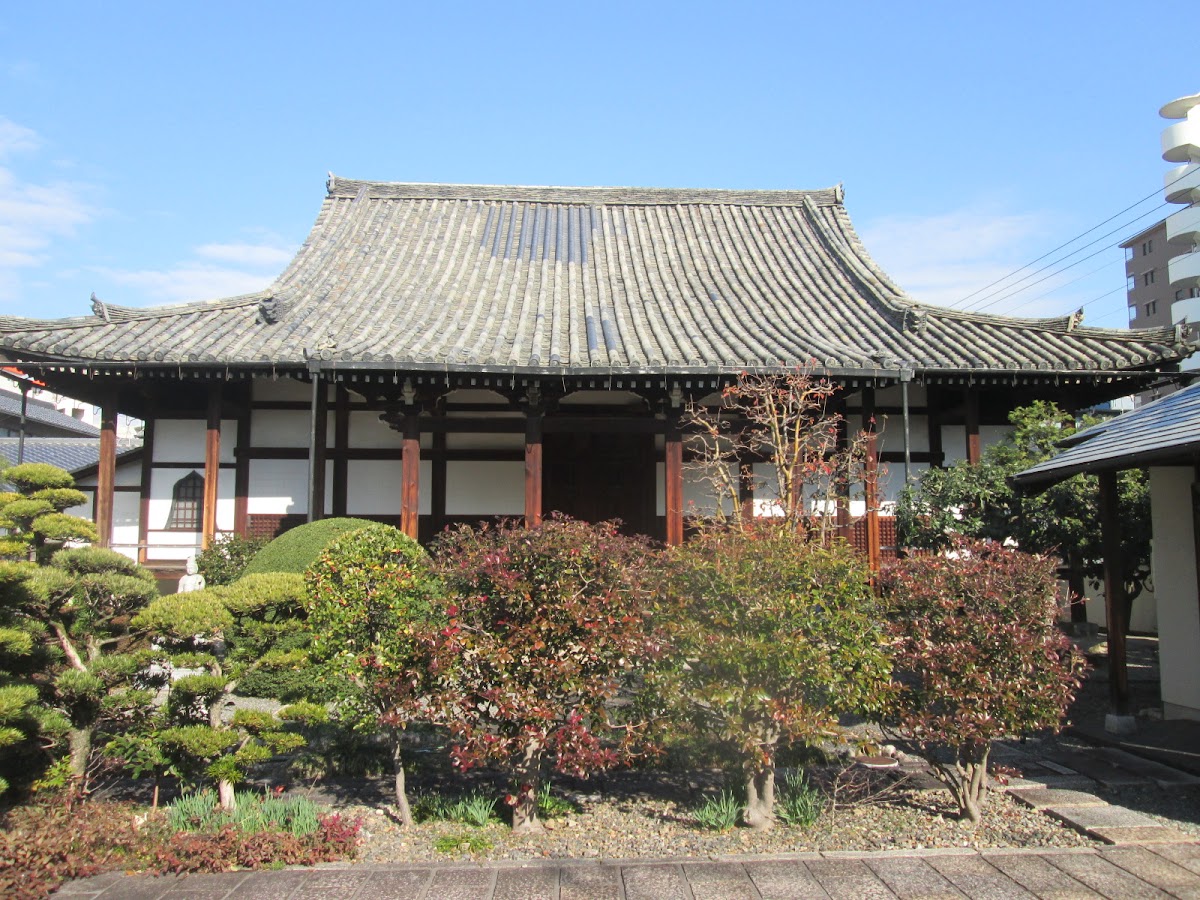
The main hall of Shonenji Temple is a magnificent building that follows the traditional architectural style of the Shinshu Otani sect. The principal image, a statue of Amida Buddha, is enshrined in the inner sanctuary, where daily services and religious ceremonies are held. The interior of the main hall has a tranquil atmosphere, offering visitors peace and tranquility.
Atmosphere of the Temple Grounds
The grounds of Shonenji Temple are a quiet space far removed from the hustle and bustle of the city. Although located in a residential area of Kyoto, stepping onto the temple grounds gives you the feeling that time slows down. The seasonally changing plants and well-maintained garden soothe the hearts of visitors.
Annual Events
As a temple of the Shinshu Otani sect, Shonenji Temple holds various memorial services and events throughout the year.
- Spring Equinox Service: A memorial service held in conjunction with the spring equinox.
- Birth Day (Flower Festival): A memorial service celebrating the birth of Shinran Shonin.
- Obon Memorial Service: An important summer event to commemorate ancestors.
- Autumn Equinox Service: A memorial service held in conjunction with the autumn equinox.
- Hoonko: The most important memorial service in Shinshu Buddhism, commemorating the virtues of Shinran Shonin.
These events may be open to the general public as well as temple members, so those interested are advised to inquire with the temple in advance.
Cultural Environment Around Shonenji Temple
Temples and Shrines in Kamigyo Ward
Besides Shonenji Temple, Kamigyo Ward is home to numerous other historical temples and shrines.
- Shokokuji Temple: The head temple of the Rinzai sect’s Shokokuji branch, founded by Ashikaga Yoshimitsu, the third shogun of the Muromachi shogunate.
- Kitano Tenmangu Shrine: The head shrine of all Tenmangu shrines nationwide, dedicated to Sugawara no Michizane, the god of learning.
- Seimei Shrine: A shrine dedicated to Abe no Seimei, an Onmyoji (diviner) of the Heian period.
- Shiramine Jingu Shrine: A shrine known as the god of kemari (traditional Japanese football) and sports.
By visiting these temples and shrines, and then visiting Shonenji Temple, you can gain a deeper understanding of Kyoto’s rich history and culture.
Historic Streetscape
Kamigyo Ward, where Shonenji Temple is located, is an area of Kyoto that particularly retains traditional streetscapes. You can feel the Kyoto atmosphere with its alleys lined with townhouses and old-fashioned shopping streets.
A stroll around Nakadachiuri Street and Nishinotoin Street will give you a glimpse into the daily life of Kyoto, where modern life and tradition harmonize.
Guide to Visiting Shonenji Temple
Etiquette for Visiting a Temple
The following is the general etiquette for visiting a temple of the Shinshu Otani sect.
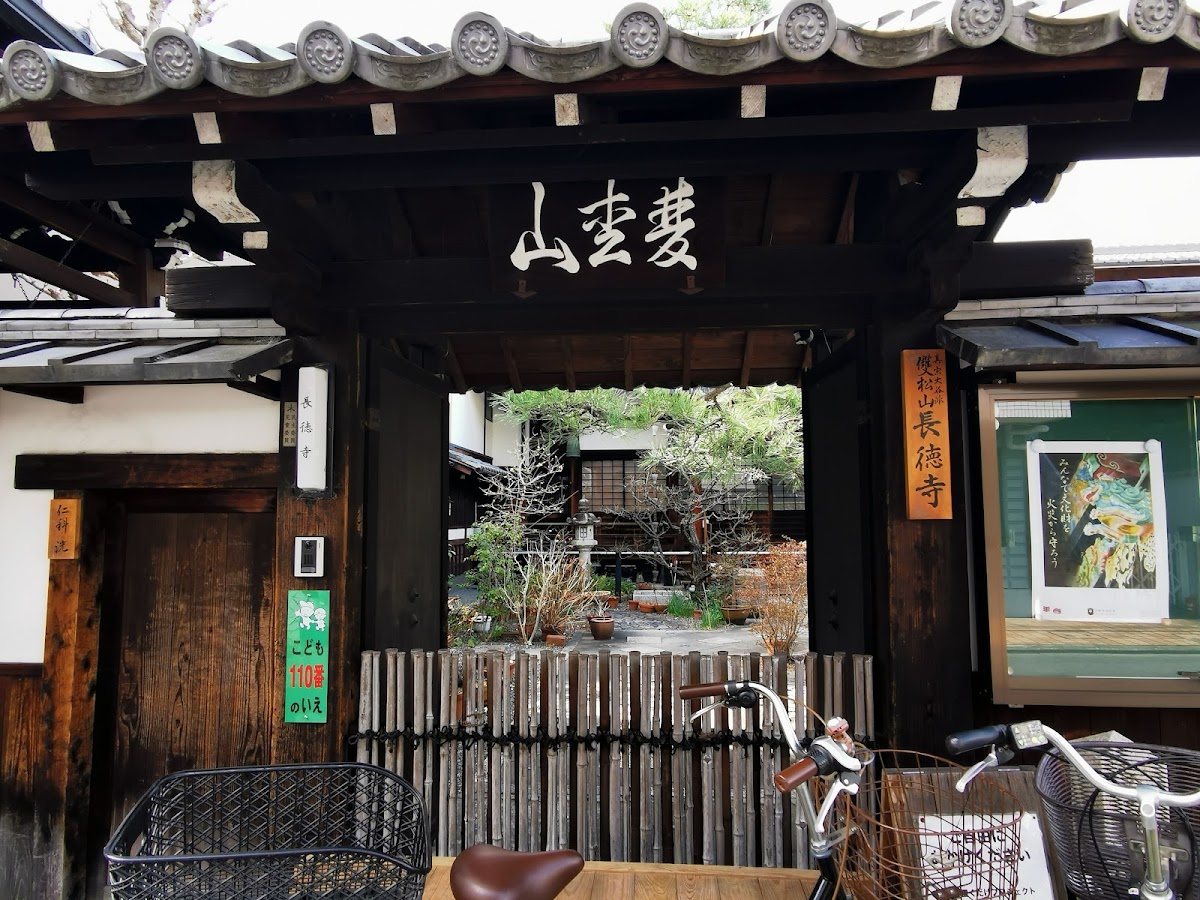
- Bow at the Temple Gate: Bow at the temple gate before entering the temple grounds.
- Proceed to the Main Hall: Approach the main hall and quietly join your hands in prayer.
- Nenbutsu: Chant “Namu Amida Butsu” silently or aloud.
- Incense Offering: Offer incense during memorial services (this can be omitted during regular visits).
- Departure: Bow again when leaving the main hall, and bow once more at the temple gate.
Points to Note During Your Visit
- Be Quiet: Behave quietly on the temple grounds and avoid disturbing other visitors.
- Photography: It is advisable to obtain permission before taking photographs on the temple grounds or inside the main hall.
- Attire: If participating in a special memorial service, dress appropriately.
- Offerings: If making an offering, follow the temple’s instructions.
Visiting Hours and Admission Fee
Shonenji Temple is primarily a temple for its parishioners, but it also welcomes general visitors. However, it is recommended to check visiting hours and event schedules in advance. Normally, there is no admission fee, but offerings and donations are welcome at will.
The Teachings of the Shinshu Otani School and Shonenji Temple
The Philosophy of Other-Power
The core teaching of the Shinshu Otani School is “Other-Power.” This is the philosophy that salvation is achieved not through one’s own power (self-power), but through the power of Amida Buddha’s vow (other-power). Shinran Shonin taught that even ordinary people burdened with worldly desires can surely be saved by chanting the Nembutsu.
Shonenji Temple also cherishes this teaching and conveys it to its parishioners through daily services and Dharma talks.
The Practice of Nembutsu
The Nembutsu, “Namu Amida Butsu,” is the most important practice in Shinshu Buddhism. This is not merely a mantra, but a phrase expressing devotion to Amida Buddha. By chanting it, one can feel the Buddha’s compassion and attain peace of mind.
At Shonenji Temple, the Nembutsu is chanted during morning and evening services, and parishioners practice it in their daily lives.
A Life of Gratitude and Appreciation
In Shin Buddhism, living with a heart of gratitude and appreciation for Amida Buddha’s compassion is emphasized. This means expressing gratitude for being saved in daily life.
The parishioners of Shonenji Temple also cherish this heart of gratitude and appreciation, and practice contributions to the local community and compassion for others.
Temple Network within the Kyoto Diocese
Shinshu Otani School Kyoto Office
Shonenji Temple is under the jurisdiction of the Shinshu Otani School Kyoto Office. The Kyoto Office oversees temples within the Kyoto Diocese and supports various activities. We conduct missionary activities that are relevant to modern times, such as publishing a diocesan newsletter, distributing Dharma talk videos, and holding various training sessions.
Collaboration with Temples within the Diocese
There are many Shinshu Otani sect temples within the Kyoto diocese, and Shonenji Temple is a member of this group, collaborating with other temples. Through joint memorial services, training sessions, and community service activities, temples cooperate with each other to preserve and develop Buddhist culture.
Relationship with Branch Temples
Kyoto has several important branch temples of the Shinshu Otani sect. These branch temples play a central role among the temples within the diocese, hosting large-scale memorial services and events. Members of Shonenji Temple also sometimes participate in memorial services at these branch temples.
Shonenji Temple and the Local Community
Community Hub
Shonenji Temple is not merely a religious facility; it also functions as an important hub for the local community. Through gatherings of parishioners and participation in local events, the temple is deeply connected to the local community.
Cultural Activities
From the perspective of preserving Buddhist culture, Shonenji Temple hosts various cultural activities. These include Dharma talks, Buddhist lectures, and sutra copying sessions, providing opportunities to engage with Buddhism.
Social Contribution Activities
As a temple of the Shinshu Otani sect, Shonenji Temple is also engaged in social contribution activities. It practices the spirit of Buddhist compassion through disaster relief efforts and cooperation with local welfare activities.
Message to Visitors
Located in a quiet residential area of Kamigyo Ward, Kyoto City, Shonenji Temple has long been a spiritual haven for the local community. Based on the teachings of the Shinshu Otani sect, it continues to convey the hope that all people will be saved by the compassion of Amida Buddha.
While it may not have the glamour of a tourist temple, it is a quiet temple where daily services are performed and parishioners gather. For those who wish to experience Kyoto’s history and culture while visiting a temple in peace, Shonenji Temple is a place worth visiting.
Access and Nearby Facilities
Access by Public Transportation
Train:
- Get off at Imadegawa Station on the Kyoto Municipal Subway Karasuma Line, and walk west from Exit 1 for approximately 15 minutes.
- Get off at Marutamachi Station on the Kyoto Municipal Subway Karasuma Line, and walk northwest from Exit 3 for approximately 18 minutes.
Bus:
- Get off at Horikawa Nakatachiuri bus stop (Kyoto City Bus), and walk for approximately 5 minutes.
- Get off at Senbon Nakatachiuri bus stop (Kyoto City Bus), and walk for approximately 10 minutes.
Access by Car
As the temple is located in the central part of Kyoto city, we recommend using public transportation. If you are coming by car, please use the nearby coin parking lots. However, please check in advance regarding the temple’s dedicated parking lot.
Nearby Tourist Attractions
When visiting Shonenji Temple, we recommend also visiting the following nearby attractions.
- Kyoto Imperial Palace: Approximately 20 minutes on foot, former residence of the emperor
- Nijo Castle: Approximately 25 minutes on foot, a Tokugawa family castle registered as a World Heritage Site
- Kitano Tenmangu Shrine: Approximately 15 minutes by bus, a famous shrine dedicated to the god of learning
- Nishijin Textile Center: Approximately 15 minutes on foot, a facility where you can experience Kyoto’s traditional crafts
Summary
Shonenji Temple is a Shinshu Otani sect temple located in Sanchome, Kamigyo-ku, Kyoto City, and is a historical temple with the mountain name Isshinzan. While not widely known as a tourist temple, it plays an important role as a center of local faith and a place for transmitting the teachings of Shinshu Buddhism.
Nestled quietly amidst Kyoto’s historical streetscape, Shonenji Temple offers us modern people peace of mind and an opportunity to experience the profound teachings of Buddhism. When visiting Kyoto, why not visit not only famous tourist spots but also these locally rooted temples?
The spirit of “reliance on the power of others,” salvation through chanting the Buddha’s name, and a life of gratitude and appreciation, which are teachings of the Shinshu Otani sect, possess universal values that remain relevant even in modern society. We hope that through your visit to Shonenji Temple, you will be able to experience these Buddhist teachings and find peace of mind.