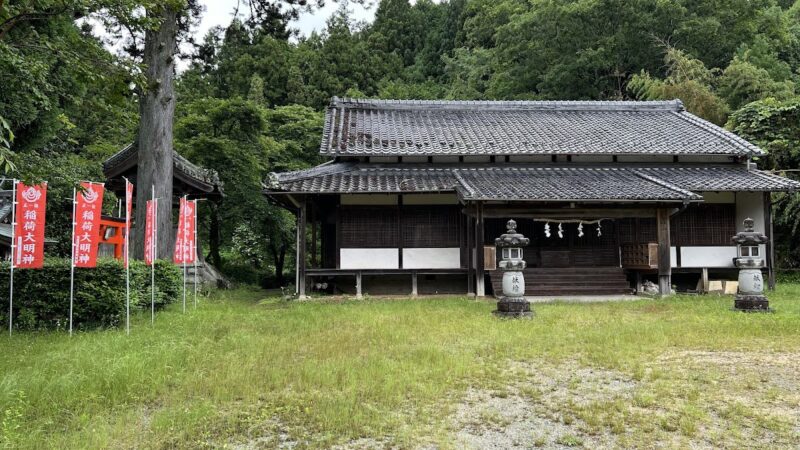
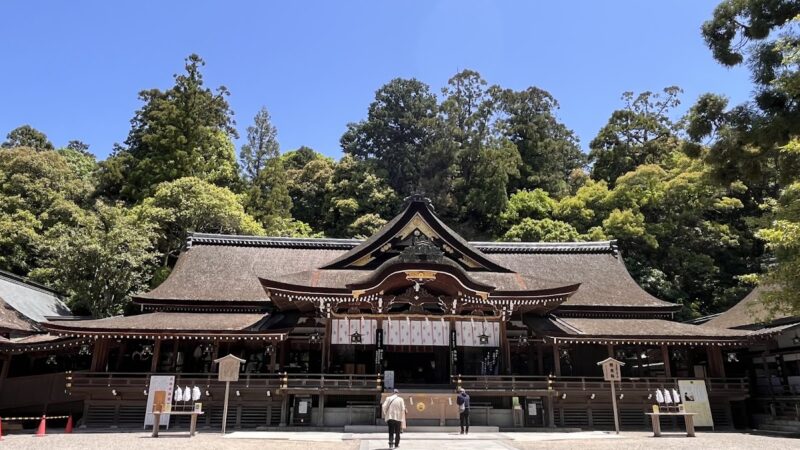
Complete Guide to Shorenji Temple (Gojo City, Nara Prefecture) | A Sacred Site for Lotus Flowers, Safe Childbirth, and Fair Weather Prayers
Located in Futami, Gojo City, Nara Prefecture, Shorenji Temple is a historic Koyasan Shingon Buddhist temple that has existed since the Heian period. It attracts many visitors as a sacred site for prayers for safe childbirth, one of Japan’s leading lotus flower viewing spots, and a temple for prayers for fair weather. This article provides a detailed explanation of Shorenji Temple, including its history, highlights, lotus varieties, blessings, and access information.
History and Origins of Shorenji Temple
Founding in the Heian Period and Emperor Saga
Shorenji Temple was founded approximately 1200 years ago, in the early 800s during the Heian period. According to temple tradition, it began when the Empress of Emperor Saga prayed to Jizo Bodhisattva for a safe childbirth during her pregnancy. Shōrenji Temple was built to enshrine a Jizo Bodhisattva as a token of gratitude for the safe birth of a prince.
Due to this founding history, Shōrenji Temple has long been revered as a sacred site for prayers for safe childbirth. Even today, many pregnant women visit the temple to pray for a safe delivery.
The Origin of Kōbō Daishi Kūkai and “Yorasezan”
The official mountain name of Shōrenji Temple is “Yorasezan.” This name originates from the fact that Kōbō Daishi Kūkai stopped at this place on his way to Mount Kōya.
It is said that before climbing Mount Kōya, Kūkai visited Shōrenji Temple to pray for clear weather and enshrined a small Jizo Bodhisattva. From this story, the temple was named “Yorasezan,” meaning “to stop by.” This historical episode has made Shōrenji Temple widely known as a temple for praying for clear weather.
A Sacred Site for Prayers for Rain and Sunshine
Since the Heian period, Shorenji Temple has played an important role not only as a place for prayers for safe childbirth, but also as a place for prayers for rain and sunshine. In an era when agriculture was central to people’s lives, weather was a crucial factor affecting their livelihoods. Many people visited Shorenji Temple to pray for rain during droughts and for sunny weather during prolonged rainy periods.
This tradition continues today, with a constant stream of visitors praying for sunny weather before important events such as weddings and sports days.
The Main Image and Highlights of Shorenji Temple
The Great Jizo Bodhisattva for Safe Childbirth Prayers
The main image of Shorenji Temple is a gigantic standing statue of Jizo Bodhisattva, over 3 meters tall. This large Jizo has a very gentle expression, bringing peace to those who behold it.
Inheriting the tradition of the Jizo Bodhisattva enshrined at the time of the temple’s founding to pray for the safe delivery of the Empress of Emperor Saga, this large Jizo Bodhisattva is revered for its blessings of safe childbirth. Many pregnant women visit the temple to pray for a safe delivery and receive a maternity belt.
“Teru Teru Bozu” Adorning the Temple Grounds
What particularly catches the eye at the grounds of Shorenji Temple are the numerous “Teru Teru Bozu” (weather dolls). This sight, symbolizing the temple’s character as a place for praying for fine weather, is a unique feature of Shorenji Temple.
The Teru Teru Bozu hanging throughout the temple grounds bring smiles to visitors’ faces and are popular photo spots. The charm lies in the way the traditional belief in praying for fine weather is expressed in an approachable form.
Shorenji Temple as a Famous Lotus Spot
A Collection of Over 300 Lotus Plants of 120 Varieties
One of the main reasons Shorenji Temple has become nationally known is the abundance of lotus flowers blooming on its grounds. Since 2005, in keeping with the temple’s name, they have cultivated lotus plants, and currently, 120 varieties and 250 to 300 pots fill the temple grounds.
It is rare in Japan to see so many varieties of lotus at once, making it a popular spot for lotus enthusiasts and photographers from all over the country.
Deputy Chief Priest Kiminori Takahata’s Lotus Research
Supporting Shorenji Temple’s lotus collection is Deputy Chief Priest Kiminori Takahata. Deputy Chief Priest Takahata is not only a Buddhist monk but also a lotus researcher, working on variety improvement.
Utilizing his expertise as a researcher, he manages the cultivation and selection of lotus varieties, and the results are evident in the beautiful lotus flowers on the temple grounds. Deputy Chief Priest Takahata has also compiled books on lotus and is dedicated to promoting lotus appreciation.
The “Shōrenji White Higan Lotus,” a Variety Unique to Shōrenji Temple
Among Shōrenji Temple’s lotus collection, the “Shōrenji White Higan Lotus” is particularly noteworthy. This rare variety exists only at Shōrenji Temple and is characterized by its late blooming period.
While typical lotuses bloom in the height of summer, this Shōrenji White Higan Lotus, through selective breeding, can bloom until around October. This allows visitors to enjoy lotus blossoms even after the usual lotus season has ended, as autumn arrives.
Best Time to See and Bloom Lotuses
The blooming period of lotuses at Shōrenji Temple varies depending on the variety.
Early-Blooming Varieties: Some varieties begin blooming from mid-June.
Peak Season: The period from mid-July to late August is when the most varieties are in full bloom. The entire temple grounds are adorned with lotus blossoms, creating a scene reminiscent of paradise.
Late-Blooming Varieties: Late-blooming lotus varieties, developed through selective breeding, continue to flower from September to October. The Shōrenji White Higan Lotus, in particular, is a rare variety that can be enjoyed until autumn.
Lotus flowers open in the early morning and close in the afternoon. To see them at their most beautiful, it is recommended to visit early in the morning.
The Meaning of the Lotus Flower and Buddhism
The lotus flower holds special significance in Buddhism. Its ability to bloom purely from the mud symbolizes the Buddhist teaching of moving from the world of worldly desires to enlightenment. Lumbini, the birthplace of Buddha, is also said to be a place where lotus flowers bloom, and in Buddhist art, Buddha is often depicted sitting on a lotus pedestal.
The temple name, Shōrenji, itself includes “lotus,” demonstrating the deep connection between this temple and the lotus. Cultivating many lotus flowers on the temple grounds is a wonderful example of how the origin of the temple’s name is being utilized in modern times.
Benefits and Prayers at Shorenji Temple
Prayers for Safe Childbirth and Maternity Belts
Shorenji Temple is most famous for its blessings related to safe childbirth. Founded to pray for the safe delivery of the Empress of Emperor Saga, it has been revered as a sacred site for safe childbirth for over 1200 years.
It is common to visit the temple on the Day of the Dog in the fifth month of pregnancy and receive a maternity belt for safe childbirth. Many pregnant women visit to pray to the large Jizo Bodhisattva, which is over 3 meters tall and has a gentle expression, believing that this will give them peace of mind during childbirth.
Prayers for Fair Weather (Sunny Day Prayer)
In keeping with the legend that Kobo Daishi Kukai prayed for fair weather before heading to Mount Koya, Shorenji Temple is also famous as a temple for praying for fair weather.
People constantly visit to pray for sunny weather for various occasions such as weddings, sports days, school trips, and outdoor events. The numerous teru teru bozu (weather dolls) displayed on the temple grounds symbolize this belief in praying for fine weather.
Conversely, during times when rain is needed for agriculture, prayers for rain are also offered, and the temple is believed to have miraculous powers for all kinds of weather-related prayers.
Other Benefits
While prayers for safe childbirth and fine weather are particularly well-known, Shorenji Temple, as a temple of the Koyasan Shingon sect, accepts various prayers and memorial services.
- Perpetual Memorial Graves/Joint Graves: Memorial services tailored to modern needs are also offered.
- General Prayers: Various prayers are possible, including those for family safety, business prosperity, and academic success.
Annual Events and Activities at Shorenji Temple
Special Opening During Lotus Flower Season
From July to August, the peak season for lotus flowers, the temple grounds are bustling with many worshippers and tourists. During this time, special guided tours and explanations for appreciating the lotus flowers are sometimes offered.
Due to the variety and beauty of the lotus flowers, this is an excellent photography spot for photography enthusiasts, and many photographers visit from early in the morning.
Prayer for Safe Childbirth on the Day of the Dog
Every month on the Day of the Dog, many pregnant women and their families visit to pray for a safe childbirth. Because dogs are known for their fertility and easy births, they are considered a symbol of safe childbirth, and it is customary to wear a maternity belt on the Day of the Dog in the fifth month of pregnancy.
Shorenji Temple accepts prayers for safe childbirth on the Day of the Dog and provides blessed maternity belts.
Access and Basic Information to Shorenji Temple
Location and Contact Information
Address: 7-4-7 Futami, Gojo City, Nara Prefecture 637-0071
Sect: Koyasan Shingon Buddhism
Mountain Name: Yorasezan
Principal Image: Jizo Bodhisattva
Chief Priest: Koshin Takahata
Deputy Chief Priest: Koki Takahata (Lotus Researcher)
Access by Train
The nearest station is Yamato-Futami Station on the JR Wakayama Line.
- Walking distance from Yamato-Futami Station: Approximately 6 minutes (approximately 519 meters)
- Route from the Station: Exit the station and head north. After passing through the residential area, you will arrive at Shorenji Temple.
Since the JR Wakayama Line has infrequent service, it is recommended to check the timetable in advance.
Access by Car
Keinawa Expressway: Approximately 10 minutes from Gojo Kita Interchange
National Route 24: From Gojo city center, head south on National Route 24 and follow the signs in the Futami area.
Parking: There is a parking lot for visitors on the temple grounds. It can get crowded during the peak lotus season, so visiting earlier in the day is recommended.
Visiting Hours and Admission Fee
While you are generally free to explore the temple grounds, it is recommended to contact the temple in advance if you wish to have a prayer or special visit.
For viewing the lotus flowers, early morning (around 6:00 AM to 9:00 AM) is the best time to see them in full bloom.
Tourist Attractions Around Shorenji Temple
History and Culture of Gojo City
Gojo City, where Shorenji Temple is located, is a historic town in the southwestern part of Nara Prefecture, which developed along the Yoshino River (Kinokawa River).
Gojo Shinmachi Street: A designated Important Preservation District for Groups of Traditional Buildings, where Edo-period townhouses remain. The rows of old merchant houses create an atmosphere that feels like stepping back in time.
Eizanji Temple: An ancient temple known for its National Treasure, the Octagonal Hall. It’s a historical temple founded by Fujiwara Muchimaro.
Yoshino River: Known for its clear waters, the riverside scenery is also beautiful.
Gojo City Shopping Streets
Gojo City also has traditional shopping streets where you can enjoy local specialties and food. It’s recommended to stop by before or after visiting Shorenji Temple.
Etiquette and Manners for Visiting Shorenji Temple
Manners for Photographing Lotus Flowers
When photographing lotus flowers, please observe the following manners:
- Do not damage the flowers or pots: Do not touch the lotus flowers or leaves, or move the pots for photography.
- Consideration for other worshippers: When using a tripod, please be careful not to block the pathway.
- Quietness in the early morning: Please be especially quiet in the early morning and remember to be considerate of nearby residents.
Basic Etiquette for Worship
- Bow at the temple gate: Bow before entering the temple grounds.
- Purify yourself at the water basin: Purify your hands and mouth before proceeding to the main hall.
- Worship at the main hall: Place your offering, ring the bell, and pray with your hands clasped together.
- Quietly stroll around the temple grounds: Stroll quietly around the grounds, admiring the lotus flowers.
Etiquette for Praying for a Safe Delivery
If you are visiting to pray for a safe delivery, it is recommended to contact the temple in advance and make a reservation for the prayer. The Day of the Dog is especially crowded, so early reservations are recommended.
You can bring your own maternity belt, but you can also receive one from the temple.
To fully enjoy the charm of Shorenji Temple
Best time to visit
To enjoy lotus flowers: Mid-July to late August is the peak season. Visiting early in the morning will allow you to see the most beautiful flowers.
To see late-blooming lotuses: September to October. You can enjoy the Shorenji Temple’s unique white spider lilies, which cannot be seen anywhere else.
For a quiet visit: Spring or autumn, outside of the lotus season. You can visit in a calm atmosphere.
Useful items to bring
- Camera: To photograph the beautiful lotus flowers
- Hat/Parasol: To prevent heatstroke during summer visits
- Drinks: Hydration is especially important in summer
- Insect repellent spray: There can be many insects around the lotus pond
Shorenji Temple’s lotus research and social contribution
Lotus variety preservation and research
The lotus research by Vice Abbot Kiminori Takahata goes beyond mere cultivation for ornamental purposes. By preserving diverse varieties and conducting selective breeding, the temple enhances the cultural and academic value of lotus flowers.
The book on lotus flowers compiled by the deputy head priest is a valuable resource for lotus enthusiasts and researchers, contributing to the spread of Japanese lotus culture.
Contribution to Regional Revitalization
The lotus flowers at Shorenji Temple play an important role as a tourist resource in Gojo City. During the peak blooming season, many tourists from all over Japan visit, contributing to the revitalization of the local economy.
This is a prime example of a temple enhancing the appeal of its region and becoming a cultural hub.
Summary: The Multifaceted Charms of Shorenji Temple
Shorenji Temple in Gojo City, Nara Prefecture, is a sacred site for prayers for safe childbirth with a 1200-year history, a temple associated with Kobo Daishi for prayers for good weather, and one of Japan’s leading lotus viewing spots.
With a collection of over 120 varieties of lotus flowers, teru teru bozu (weather dolls) adorning the temple grounds, and a large Jizo Bodhisattva with a gentle expression, the temple offers a wealth of attractions and diverse charms for visitors.
Thanks to the passion of Vice Abbot Kiminori Takahata, a monk and researcher, the cultivation of lotus flowers, named after the temple, began, and it has now become a nationally renowned spot. Shorenji Temple, where traditional faith and modern charm merge, is a representative cultural asset of Gojo City and a special place well worth visiting.
Whether you’re praying for a safe delivery, for fine weather, to admire the beautiful lotus flowers, or simply to visit a historic temple, Shorenji Temple’s greatest charm lies in its versatility, catering to a variety of purposes.
When sightseeing in Nara, why not extend your trip a little and visit Shorenji Temple in Gojo City? It’s sure to be a memorable and special experience.