Sumiyoshi Shrine (Mototeramachi, Wakayama City) Complete Guide | History, Goshuin (Shrine Seal), and Access Information
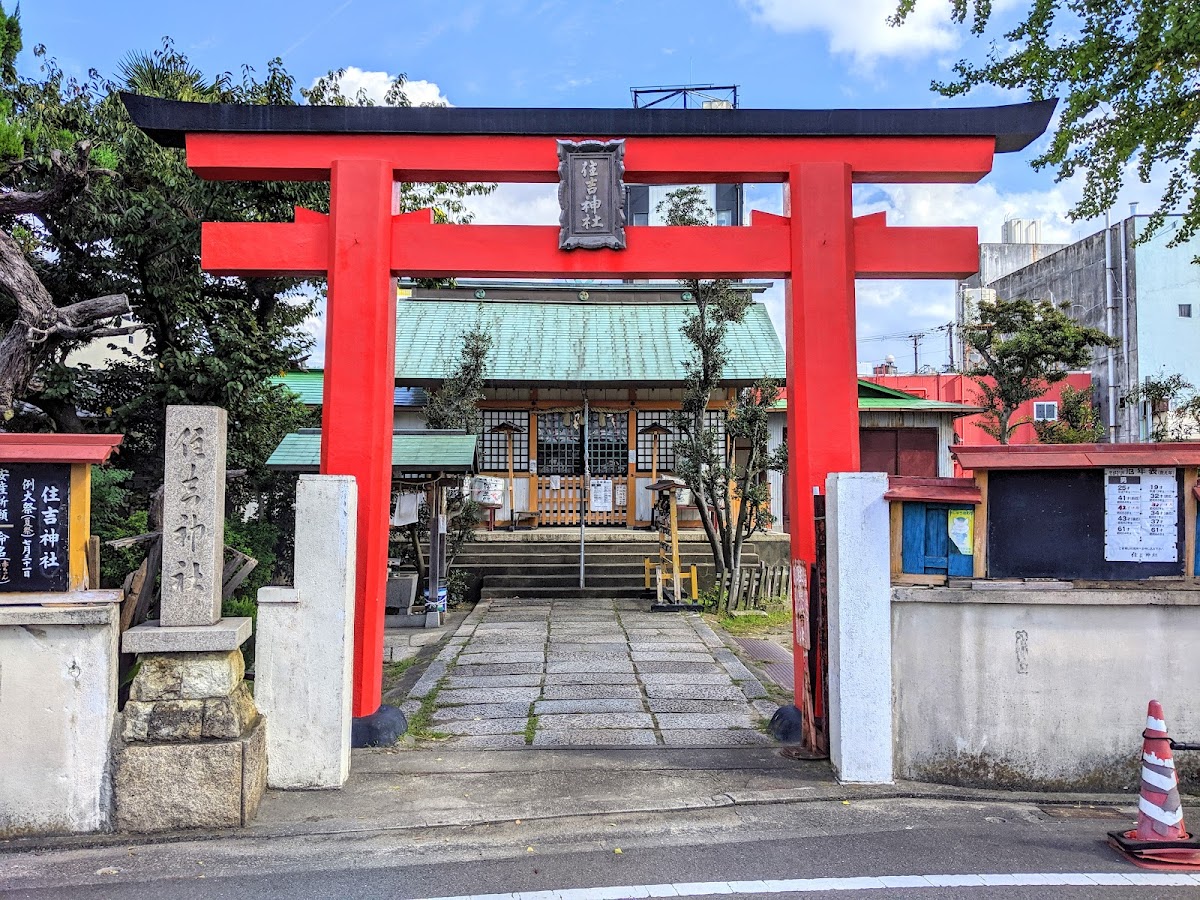
Located in Mototeramachi, Wakayama City, Sumiyoshi Shrine is a historic shrine dedicated to the three Sumiyoshi deities. Despite its turbulent history of being destroyed by war and subsequently rebuilt, it continues to attract the faith of the local community. This article provides detailed information useful for visitors, including the history of Sumiyoshi Shrine, its enshrined deities, blessings, goshuin (shrine seal), and access methods.
Basic Information about Sumiyoshi Shrine
Location and Access
Address: 1-10 Mototeramachi, Wakayama City, Wakayama Prefecture 640-8033
Phone Number: 073-422-4033
Access from Nearest Station:
- Approximately 14 minutes on foot from the exit of Wakayama City Station (Nankai Electric Railway/JR)
- Approximately 10 minutes by car or 25 minutes on foot from Wakayama Station
Mototeramachi is located in the heart of Wakayama City and was once an area with many temples. Sumiyoshi Shrine stands quietly in a corner of this historic townscape.
Visiting Hours
While it is generally possible to visit the shrine grounds at any time during the day, the hours for receiving Goshuin (shrine stamps) and accepting prayers at the shrine office are limited. It is recommended to check by phone in advance.
History of Sumiyoshi Shrine
Founded during the Tensho Era
Sumiyoshi Shrine is believed to have been founded during the Tensho era (1573-1592). This was a turbulent period of transition from Oda Nobunaga to Toyotomi Hideyoshi. Initially, the shrine was located in Sumiyoshi-cho (the current location of Honmachi Elementary School).
Sumiyoshi worship spread throughout Japan as the guardian deity of maritime traffic, and in Wakayama, it is deeply intertwined with the history of Wakayama as a thriving port town. Sumiyoshi Shrine, with Osaka’s Sumiyoshi Taisha as its head shrine, has approximately 2300 branches nationwide, and Wakayama City’s Sumiyoshi Shrine is one of them, attracting the faith of the local people.
Destruction due to War Damage
In 1945, during the final stages of the Pacific War, Wakayama City suffered immense damage from air raids. Sumiyoshi Shrine was no exception, and its original shrine building in Sumiyoshi-cho was destroyed by fire during the war.
Wakayama City suffered a massive air raid from late night on July 9th to the early morning of July 10th, 1945, resulting in the destruction of most of the city. Many shrines and temples were damaged in this air raid, and Sumiyoshi Shrine was one of them.
Relocation and Reconstruction to Mototeramachi
After the war, it was decided to construct Honmachi Elementary School on the site of the burnt-out former shrine (Sumiyoshi-cho). Therefore, Sumiyoshi Shrine was forced to relocate.
In 1958 (Showa 33), it was relocated to its current location in Mototeramachi and rebuilt. This new beginning at the new site demonstrated the faith of the citizens of Wakayama during the post-war reconstruction period and the unity of the local community. The shrine’s location in Mototeramachi, an area with many temples, symbolizes Wakayama’s religious culture where Shinto and Buddhism coexist.
Deities and Benefits
Sumiyoshi Three Gods (Sumiyoshi Okami)
The deities enshrined at Sumiyoshi Shrine are the Sumiyoshi Three Gods (Sumiyoshi Sanjin). Specifically, these refer to the following three deities:
Sokotsutsu-no-Mikoto
Nakatsutsu-no-Mikoto
Uwatsutsu-no-Mikoto
These deities are said to have emerged from the sea during the purification ritual (misogi-harae) of Izanagi-no-Mikoto, as recorded in the Kojiki and Nihon Shoki. “Tsutsu” means star, and they have also been worshipped as gods of stars, which serve as guides for navigation.
Main Benefits
The Sumiyoshi Three Gods are known as gods of the sea and navigation, and are believed to offer the following benefits:
- Maritime Safety and Traffic Safety: As a guardian deity of navigation, it is widely believed to bring blessings for traffic safety in modern times.
- Business Prosperity: Associated with the development of port cities, it is prayed for in the prosperity of commerce.
- Protection from Evil and Good Fortune: As a deity born from purification rituals, it has the power to cleanse and purify impurities.
- Improvement in Waka Poetry and Literature: Because Sumiyoshi Taisha is also worshipped as a deity of waka poetry.
- Safe Childbirth and Child-Rearing: Due to its association with Empress Jingu (Empress Jingu is also enshrined at Sumiyoshi Taisha).
Goshuin Information
About the Issuance of Goshuin
Sumiyoshi Shrine offers goshuin (temple/shrine seals). Visitors have commented, “I received a handwritten goshuin,” and “They provided very courteous service.”
Goshuin are important records of one’s connection with the shrine and serve as proof of their visit. The Goshuin (temple/shrine stamp) at Sumiyoshi Shrine is simple yet dignified, featuring the shrine’s name and the date of visit written in ink, with a red seal stamped on top.
Manners for Receiving a Goshuin
- Complete your prayers first: The Goshuin is proof of your visit, so always pray at the main hall first.
- Prepare your Goshuincho (stamp book): Open your Goshuincho and specify the page you would like the stamped on.
- Prepare the offering: Generally, around 300 to 500 yen. It is polite to prepare exact change to avoid needing change.
- Wait quietly: Please wait quietly while the stamp is being written.
- Express your gratitude: After receiving the stamp, express your gratitude by saying “Thank you.”
About Prayers and Festivals
Acceptance of Various Prayers
Sumiyoshi Shrine accepts various prayers for life’s milestones and wishes.
Main Prayers:
- Protection from evil and misfortune
- Family safety and business prosperity
- Traffic safety and safe travel
- Academic success and passing exams
- Recovery from illness and good health
- Safe childbirth and first shrine visit for a newborn
- Shichi-Go-San and coming-of-age ceremony for children aged 13
- Other prayers
Shichi-Go-San and coming-of-age ceremony for children aged 13
Sumiyoshi Shrine also accepts prayers for Shichi-Go-San and coming-of-age ceremonies for children aged 13. These are important events to pray for the healthy growth of your children.
Shichi-Go-San:
- Boys: Ages 3 and 5
- Girls: Ages 3 and 7
- Timing: Generally October to November, but appointments are accepted before and after this period.
Jusan-mairi:
- Age 13 (approximately 6th grade of elementary school to 1st year of junior high school)
- A traditional Kansai region event to bestow wisdom and good fortune.
If you wish to have a prayer offered, we recommend making a reservation and consultation by phone in advance.
Grounds and Highlights
Main Hall and Worship Hall
The shrine buildings, rebuilt in 1958, were constructed during the post-war reconstruction period, but are kept clean and serve as a center of faith for the local community. While not large in scale, it offers a tranquil space where one can pray with peace of mind.
Atmosphere of the Shrine Grounds
Located in Mototeramachi, an area with many temples, the shrine grounds are enveloped in a quiet and peaceful atmosphere. Located in an urban area, yet offering a tranquil space away from the hustle and bustle, it’s a place where you can worship at your leisure.
Photography is permitted, but please be considerate of other worshippers and show respect to the sacred grounds, observing proper etiquette.
Nearby Attractions and Temples
Temples around Mototeramachi
As the name Mototeramachi (original temple town) suggests, this area was once home to many temples. Even today, historical temples are scattered throughout the surrounding area. Visiting the nearby temples and shrines is highly recommended when visiting Sumiyoshi Shrine.
Tourist Attractions in Wakayama City Center
The following tourist attractions are within walking distance of Sumiyoshi Shrine:
- Wakayama Castle: The residence of the Tokugawa clan’s Kishu domain, approximately 5 minutes by car.
- Kimiidera Temple: The second temple on the Saigoku Kannon Pilgrimage, approximately 15 minutes by car.
- Wakaura: A scenic spot celebrated in poetry since the Manyo period, approximately 20 minutes by car.
As part of your Wakayama sightseeing, you might also consider visiting Sumiyoshi Shrine.
Points to Note and Manners When Visiting a Shrine
Basic Worship Etiquette
- Bow before passing through the torii gate: This is a sign of respect when entering the sacred area.
- Walk along the edge of the path: The center is considered the path of the gods.
- Purify yourself at the water basin: Cleanse your hands and mouth before praying.
- Two bows, two claps, one bow: This is the general worship etiquette at shrines.
Attire
Everyday clothes are acceptable for worship, but please avoid overly casual attire (such as flip-flops or tank tops). If you are receiving a prayer, somewhat formal attire is preferable.
Photography
Photography is generally permitted on the shrine grounds, but please note the following points.
- Be considerate and avoid including other worshippers in your photos.
- Do not take photos in areas where photography is prohibited, such as inside the main hall.
- Refrain from using flash.
- Remember to show respect to the shrine when posting on social media.
About Sumiyoshi Shrine and Sumiyoshi Faith
Sumiyoshi Shrines Nationwide
There are approximately 2,300 Sumiyoshi shrines throughout Japan, with the head shrine being Sumiyoshi Taisha in Sumiyoshi Ward, Osaka City. Sumiyoshi Taisha has long been revered as the Ichinomiya (first-ranked shrine) of Settsu Province, and is one of the leading shrines in Western Japan, attracting over 2 million visitors for Hatsumode (first shrine visit of the year).
The Sumiyoshi Shrine in Wakayama City is also part of this Sumiyoshi faith network, attracting the faith of local people.
Faith as Gods of the Sea and Navigation
The three Sumiyoshi deities have been worshipped as gods of the sea and navigation. From ancient to medieval times, Sumiyoshi Taisha Shrine, located in Sumiyoshi-tsu (present-day Sumiyoshi Ward, Osaka City), a crucial point for maritime traffic in the Seto Inland Sea and Osaka Bay, attracted the faith of people praying for safe voyages.
Wakayama also has a history of flourishing as a port town facing the Kii Channel, and the deep connection with the sea is the background to the roots of Sumiyoshi faith.
Connections with the Community
Relationship with Parishioners and Worshippers
Sumiyoshi Shrine, as the tutelary deity of the area centered around Mototeramachi, has deep ties with the local residents. It plays a central role in the community through annual events and festivals.
Local History and Culture
The place name Mototeramachi originates from the fact that there were once many temples in this area. During the Edo period, Wakayama, which developed as a castle town of the Kishu Tokugawa family, formed a temple district with a concentration of many temples.
Although the number of temples decreased due to urbanization after the Meiji era and war damage, the area around Mototeramachi still retains a historical streetscape. Sumiyoshi Shrine continues to fulfill its role as a shrine within this historical area.
Frequently Asked Questions
Q1: Is there parking available?
A: Due to the size of the shrine, dedicated parking may be limited. We recommend checking by phone in advance or using nearby coin-operated parking lots.
Q2: Can I get a Goshuin (shrine stamp) every day?
A: You can receive one during the shrine office’s opening hours, but there may be times when the staff is absent. If you want to be sure to receive a Goshuin, we recommend checking by phone in advance.
Q3: Do you offer amulets and talismans?
A: Like most shrines, we offer various amulets and talismans. There are likely many types, such as those for traffic safety, protection from evil, and academic success, but please inquire directly for details.
Q4: Can I have a wedding ceremony here?
A: Please inquire directly with the shrine regarding Shinto wedding ceremonies. The response may vary depending on the size and facilities of the shrine.
Q3: Do you offer amulets and talismans?
A: Like most shrines, we offer various amulets and talismans. There are likely many types, including those for traffic safety, protection from evil, and academic success, but please inquire directly for details.**
Q4: Can I have a wedding ceremony here?
A: Please inquire directly with the shrine regarding Shinto wedding ceremonies. The response may vary depending on the size and facilities of the shrine.**
Q4: Can I have a wedding ceremony here?
A: Please inquire directly with the shrine regarding Shinto wedding ceremonies. Q5: How crowded is it during the New Year’s visit?
A: As it’s a community-oriented shrine, it’s unlikely to be as crowded as larger shrines. However, there will be more visitors than usual on New Year’s Day and the first three days of the year. If you want to visit at a more leisurely pace, it’s recommended to go after the first three days.
Summary
Sumiyoshi Shrine in Mototeramachi, Wakayama City, is a historical shrine founded during the Tensho era. After being destroyed by fire during the war, it was rebuilt in its current location in 1958. It enshrines the three Sumiyoshi deities and is believed to offer blessings for maritime safety, traffic safety, and business prosperity.
Although not large in scale, it’s a warm, community-oriented shrine known for its courteous service in providing Goshuin (shrine stamps). It’s easily accessible, about a 14-minute walk from Wakayama City Station, making it a convenient stop during Wakayama sightseeing.
Sumiyoshi Shrine stands quietly in the historic Mototeramachi area. When you visit Wakayama, why not pay a visit?
Basic Information Summary
- Location: 1-10 Mototeramachi, Wakayama City, Wakayama Prefecture 640-8033
- Phone: 073-422-4033
- Access: Approximately 14 minutes on foot from Wakayama City Station
- Deities Enshrined: Sokotsutsuo-no-Mikoto, Nakatsutsuo-no-Mikoto, Omotsutsuo-no-Mikoto (Sumiyoshi Three Gods)
- Founded: Tensho era (1573-1592)
- Relocation to Current Site: Showa 33 (1958)
- Main Blessings: Maritime safety, traffic safety, business prosperity, protection from evil
When visiting, please remember to show respect to the shrine, observe proper etiquette, and enjoy a peaceful time.