Sumiyoshi Shrine (Shioji, Miyazaki City, Miyazaki Prefecture) Complete Guide | A Thorough Explanation of the Original Shrine of All Sumiyoshi Shrines Nationwide
Sumiyoshi Shrine, located in Shioji, Miyazaki City, Miyazaki Prefecture, is an ancient shrine known as the “original shrine” of the approximately 600 Sumiyoshi shrines located throughout Japan. Along with Sumiyoshi Taisha in Osaka and Shikaumi Shrine in Fukuoka, it is renowned as one of the three Sumiyoshi deities, and its history is said to date back approximately 2400 years. This article thoroughly explains everything you need to know before visiting this historic shrine, including its history, enshrined deities, highlights of the grounds, goshuin (shrine seals), and access information.
History and Origins of Sumiyoshi Shrine
Origin and Date of Founding
According to shrine tradition, Sumiyoshi Shrine was founded during the reign of Emperor Kōan, the 6th emperor, estimated to be around 400 BC. One theory suggests that it was already enshrined during the eastern expedition of Emperor Jimmu, the first emperor, in which case its history would be even older.
According to the “Sumiyoshi Daimyojin Ryaku Engi” (Abridged History of Sumiyoshi Daimyojin), compiled in 1794, it is recorded that the shrine’s pillars were “made thick” by imperial decree of Emperor Koan, indicating that it had been revered by the imperial court since ancient times. Thus, it is undoubtedly an ancient shrine that was an object of worship even before written records were made.
Positioning as the Original Shrine of All Sumiyoshi Shrines Nationwide
The basis for Sumiyoshi Shrine claiming to be the “original shrine” lies in its ancient founding date and its geographical proximity to the birthplace of its enshrined deities. Sumiyoshi Taisha in Osaka, considered the head shrine of all Sumiyoshi shrines nationwide, is said to have been founded around the 3rd century by Empress Jingu, the consort of the 14th Emperor Chuai, after receiving a divine oracle from the three Sumiyoshi deities.
Sumiyoshi Shrine in Shioji, Miyazaki City, is said to have been established several hundred years earlier and, located in Hyuga Province (present-day Miyazaki Prefecture), the birthplace of the three Sumiyoshi gods, claims legitimacy as the “original shrine.” In fact, the shrine has passed down the “original” crest for generations, symbolizing its status as the original shrine.
Purification from the Underworld and the Birth of the Three Sumiyoshi Gods
The birth of the three Sumiyoshi gods is deeply connected to an important scene in Japanese mythology. After Izanagi-no-Mikoto returned from the underworld, he performed a purification ritual at Awagihara in Tachibana-no-Odo, Hyuga, Tsukushi, to cleanse himself of defilement. It was during this purification in the sea that the three Sumiyoshi gods (Omotsutsunoo-no-Mikoto, Nakatsutsunoo-no-Mikoto, and Sokotsutsunoo-no-Mikoto) were born.
The “Hyuga” region, the setting of this myth, is present-day Miyazaki Prefecture, and the area around Miyazaki City is considered a particularly likely location. The Shioji district, where Sumiyoshi Shrine is located, is close to the sea and has had deep ties with the ocean since ancient times. Therefore, it has attracted worshippers as the shrine closest to the birthplace of the three Sumiyoshi deities.
Deities and Divine Virtues
Main Deities: The Three Sumiyoshi Deities
The main deities of Sumiyoshi Shrine are the following three gods:
Uwatsutsuno-no-Mikoto
The god who governs the surface of the sea. He is revered as the guardian deity of safe voyages and maritime traffic.
Nakatsutsuno-no-Mikoto
The god who governs the middle layer of the sea. He is worshipped as the god who brings the bounty of the sea and abundant catches.
Sokotsutsuno-no-Mikoto
The god who governs the deep layer of the sea. He is worshipped as the god of safety at sea and protection from maritime disasters.
These three gods are collectively called the “Three Sumiyoshi Deities” or “Sumiyoshi Okami.”
Divine Virtues and Faith
The three Sumiyoshi deities are known as “gods of purification” due to their origins, and are believed to possess the power to cleanse and purify impurities. Their main divine virtues are as follows:
- Safe Navigation and Protection of Maritime Traffic: Revered since ancient times as the guardian deity of those engaged in the shipping and fishing industries.
- Protection from Misfortune and Disaster: Due to its nature as a god of purification, it is believed to have the power to ward off all kinds of calamities.
- Business Prosperity: As a god of trade through maritime traffic, it protects the development of commerce.
- God of Waka Poetry and Literature: Due to its connection with Sumiyoshi Taisha Shrine, there is also a belief in praying for improvement in waka poetry and literature.
- Safe Childbirth and Child-Rearing: Due to its connection with Empress Jingu, it is also believed to grant blessings for safe childbirth and child-rearing.
Even today, many people working in sea-related industries and worshippers praying for protection from misfortune at important life events visit the shrine.
Highlights of the Shrine Grounds
Approach and Torii Gate
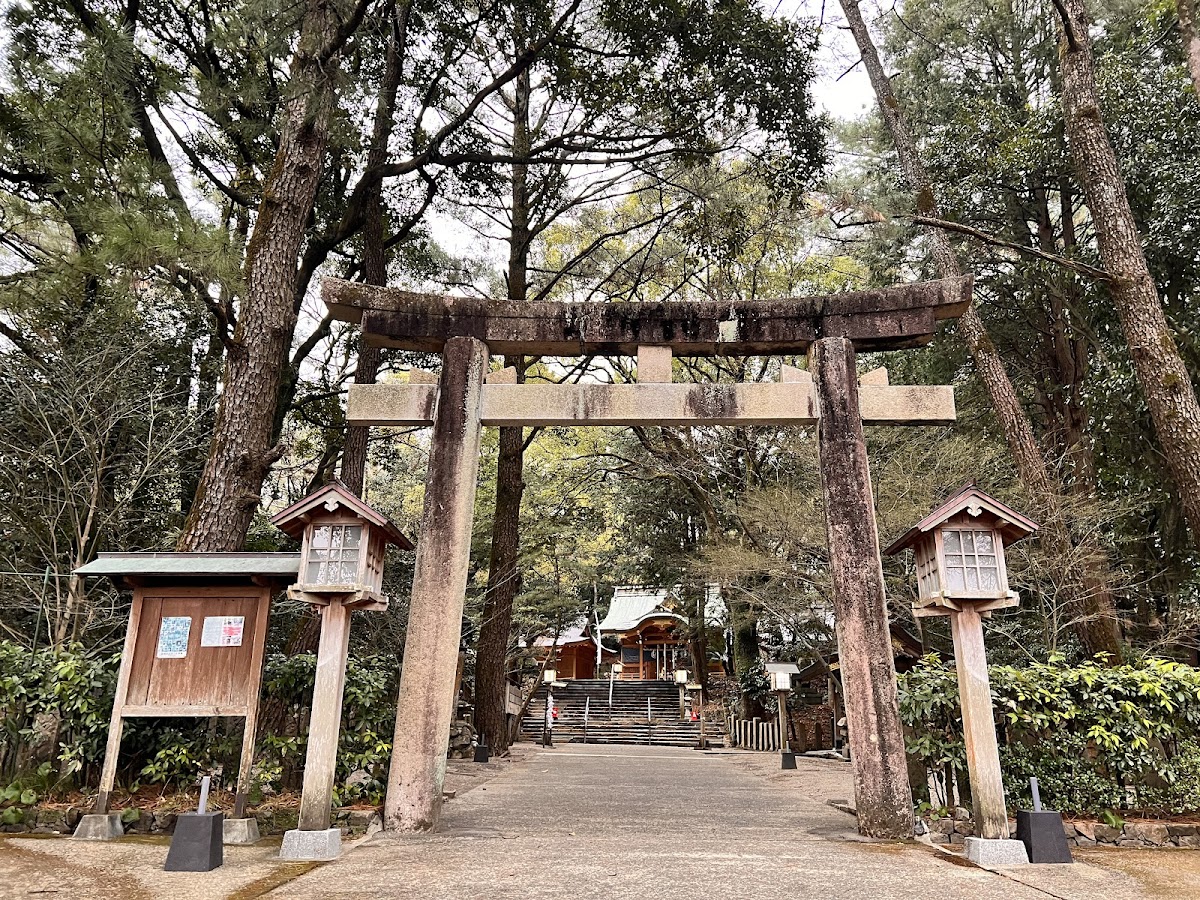
The entrance to Sumiyoshi Shrine is located at the edge of the Phoenix Natural Zoo parking lot. Passing through the torii gate, a tree-lined path leads towards the mountains, creating a tranquil atmosphere despite its urban location.
As you proceed along the path, you’ll feel yourself entering a sacred area, far removed from the hustle and bustle of everyday life. The stone steps aren’t particularly steep, but their construction evokes the solemnity of an ancient shrine.
Water Basin
Further along the path, you’ll find a water basin. Be sure to purify your hands and mouth here before praying. Since the three Sumiyoshi deities are gods of purification, this purification is especially important.
The correct procedure is as follows:
- Take the ladle with your right hand and purify your left hand.
- Switch the ladle to your left hand and purify your right hand.
- Switch the ladle back to your right hand, receive water in your left hand, and rinse your mouth.
- Purify your left hand once more.
- Hold the ladle upright, pour water over the handle, and return it to its original position.
Shrine Building
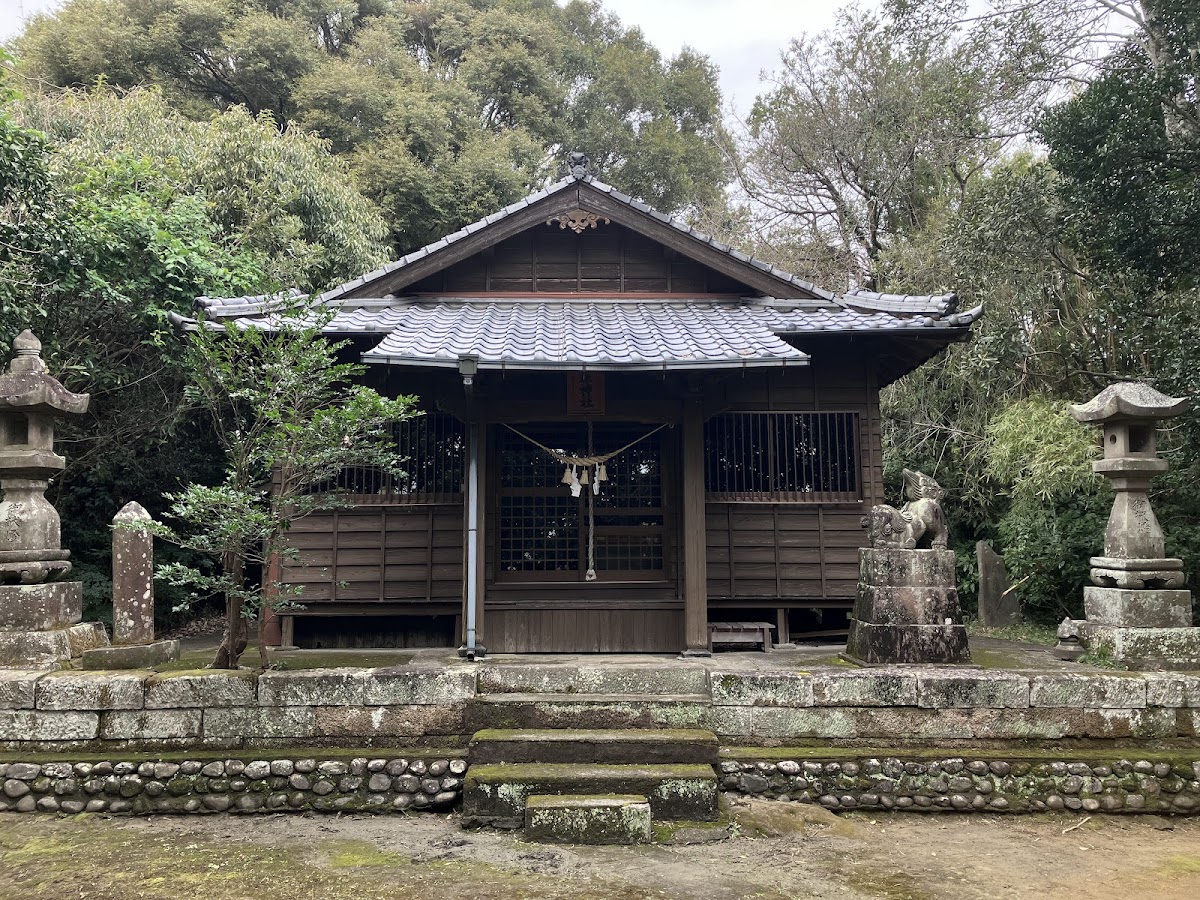
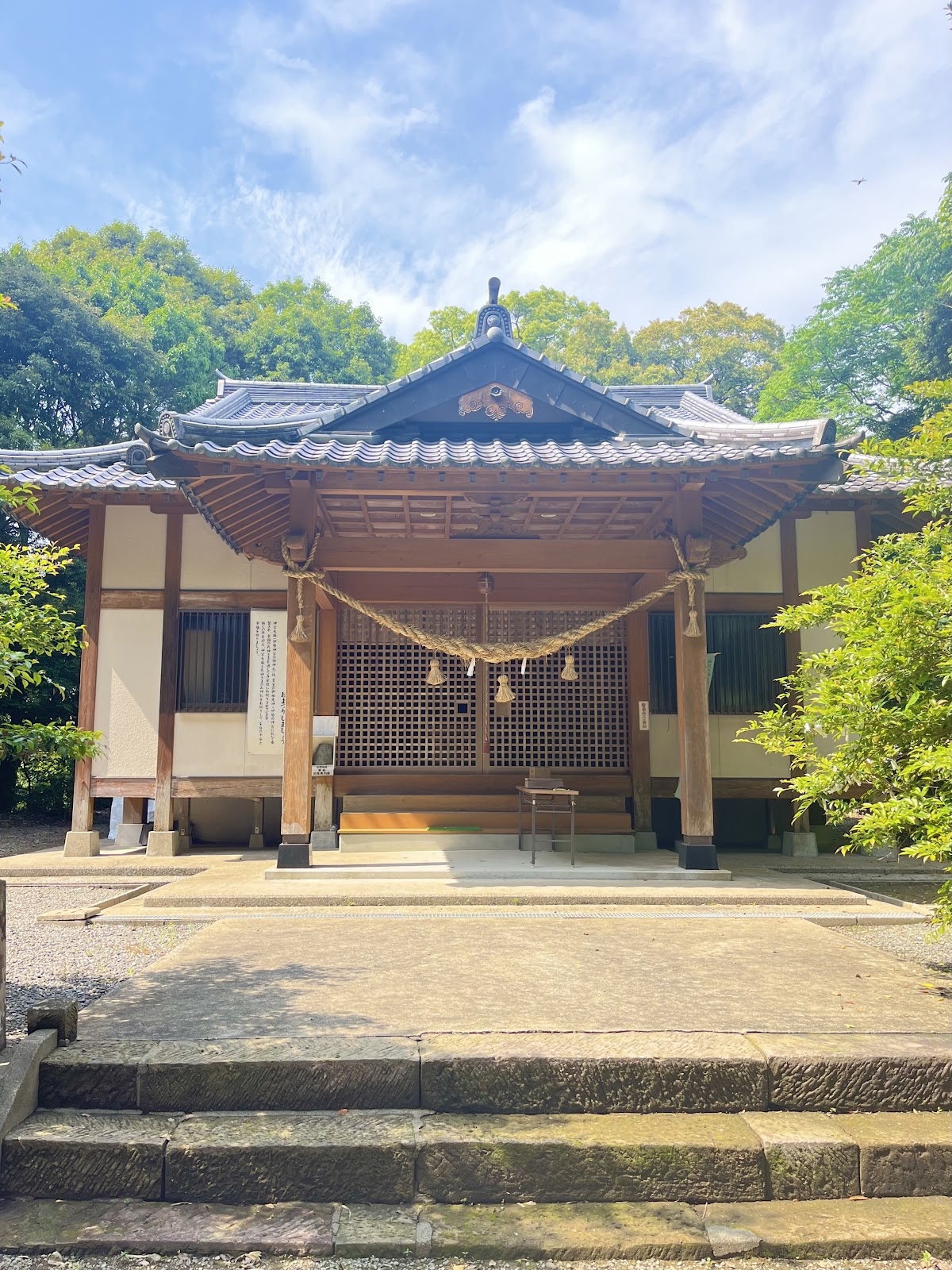
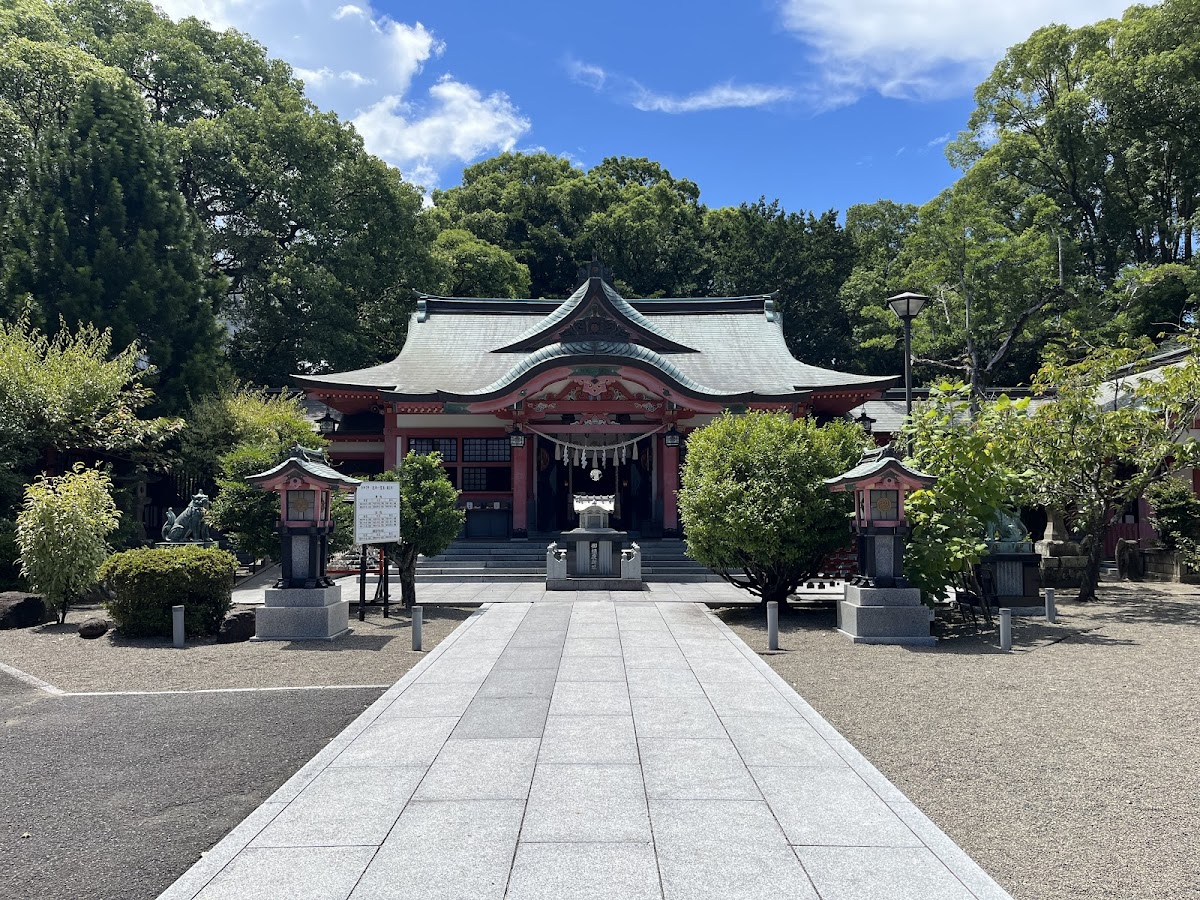
The shrine building is an architectural style befitting an ancient shrine. While the exact date of the current building’s construction is unclear, it is carefully maintained through regular repairs.
Standing before the worship hall, you can feel the spiritual energy of this shrine with its 2400-year history. When praying, please perform the ritual of two bows, two claps, and one bow respectfully.
The architectural style and decorations of the shrine building utilize traditional local techniques, showcasing the characteristics of Miyazaki shrine architecture.
Masago (Japanese Sand)
Within the shrine grounds, there is a special type of sand called “Masago.” This is sand purified with seawater during the annual “Hamashita” ritual performed by Shinto priests.
Hamashita is a ritual originating from the birth of the three Sumiyoshi deities in the sea. The priests go to the coast, purify the sand with seawater, and bring it back to the shrine. This sand is believed to possess purifying power, and worshippers can sprinkle it on their property or at their entrance to ward off evil.
This ritual is an important event that conveys the fact that Sumiyoshi Shrine is a shrine dedicated to the god of the sea.
Plum Garden
There is a plum garden on the shrine grounds, where you can enjoy the beautiful plum blossoms in early spring. During the plum blossom season, white and red flowers adorn the grounds, delighting the eyes of worshippers.
Plum trees have been planted in shrines and temples since ancient times, and their pure beauty and fragrance are considered fitting for sacred places. Visitors can enjoy the plum blossoms while praying during visits from February to March.
Shrine Office, Amulets, and Goshuin (Shrine Seals)
At the shrine office, you can receive various amulets and goshuin (shrine seals). Sumiyoshi Shrine offers a variety of amulets based on the divine virtues of the three Sumiyoshi deities, including those for safe voyages, protection from evil, and family safety.
The amulet for safe voyages is particularly popular among those working in sea-related industries. Also, items bearing the “Moto” (元) crest are special and appreciated by visitors as they are unique to the original shrine.
Goshuin can be obtained at the shrine office as proof of your visit. Sumiyoshi Shrine’s goshuin often feature the character “Moto” or a seal representing the three Sumiyoshi deities, and many visitors bring their own goshuin notebooks.
Basic Information about the Shrine Office
Address: 3082-1 Shioji, Miyazaki City, Miyazaki Prefecture
Phone: 0985-39-2835
When requesting a Goshuin (shrine stamp), it is customary to visit the shrine office after completing your prayers. Also, the shrine office may be unattended, so if you definitely want a Goshuin, it is recommended to call ahead to confirm.
Annual Events and Festivals
Main Annual Events
Sumiyoshi Shrine holds various Shinto rituals and festivals throughout the year.
New Year’s Day Festival (January 1st)
This festival welcomes the new year and prays for peace and prosperity throughout the year. It is bustling with many first-time visitors.
Setsubun Festival (around February 3rd)
This event involves scattering beans to ward off evil and invite good fortune.
Spring Grand Festival
This festival celebrates the arrival of spring and prays for a bountiful harvest and the safety of the community.
Hamashita Ritual
This ritual involves Shinto priests going to the coast and offering sand purified with seawater to the shrine. It is known as a special event unique to Sumiyoshi Shrine.
Autumn Grand Festival
This is an important festival to give thanks for the year’s harvest and pray for the prosperity of the community.
Great Purification Ceremony (June 30th & December 31st)
This ritual purifies the sins and impurities accumulated over the past six months, and may include activities such as passing through a ring of reeds.
Festival dates may change from year to year, so it is recommended that those wishing to participate check with the shrine in advance.
Access and Visiting Information
Location
Address: 3082-1 Shioji, Miyazaki City, Miyazaki Prefecture 880-0036
Phone: 0985-39-2835 (Shrine Office)
Transportation Access
Access by Train and Bus
- Approximately 15 minutes on foot from JR Nippo Main Line “Hyuga-Sumiyoshi Station”
- Approximately 40 minutes by bus from Miyako City to Miyazaki City Phoenix Zoo, get off at “Sumiyoshi Shrine Entrance” bus stop, approximately 5 minutes on foot
- Approximately 30-40 minutes by bus from Miyazaki Station
Access by Car
- Approximately 20 minutes by car from Miyazaki Station
- Approximately 30 minutes from Miyazaki IC on the Miyazaki Expressway
- Convenient to use the Hitotsuba Toll Road
Parking
The entrance to Sumiyoshi Shrine is adjacent to the Phoenix Zoo parking lot. There is parking space for visitors, but it can get crowded on zoo operating days.
Parking is free, but it is expected to be crowded during long holidays and the New Year’s pilgrimage season, so it is recommended to visit with plenty of time to spare.
Visiting Hours
While visiting the shrine grounds is generally free, the shrine office is open from approximately 9:00 AM to 5:00 PM. If you wish to receive a Goshuin (shrine stamp) or amulet, please visit during these hours.
Visiting in the quiet hours of early morning or evening will allow you to experience a more sacred atmosphere.
Estimated Visiting Time
If you take your time to stroll around the grounds and offer prayers, it will take approximately 30 minutes to 1 hour. Including photography and receiving a Goshuin, it is advisable to allow about 1 hour.
Nearby Tourist Attractions
Phoenix Zoo
Right next to Sumiyoshi Shrine is the Miyazaki City Phoenix Zoo. Its convenient location makes it easy to visit after your pilgrimage. The zoo features approximately 1,200 animals of about 100 species, mainly from Asia and Africa.
For families visiting the shrine, a one-day itinerary combining shrine visits and a visit to the zoo is also recommended.
Aoshima Island and Aoshima Shrine
Aoshima Island, a representative tourist destination of Miyazaki, is about a 15-minute drive away. Aoshima Shrine is famous as a shrine for matchmaking and boasts a charming tropical landscape.
A shrine pilgrimage visiting both Sumiyoshi Shrine and Aoshima Shrine is also a popular course.
Tourist Attractions in Miyazaki City
The central area of Miyazaki City has many attractions, including Miyazaki Jingu Shrine, Heiwadai Park, and the Miyazaki Prefectural Museum. You can enjoy sightseeing in Miyazaki City starting from Sumiyoshi Shrine.
Historical Episodes of Sumiyoshi Shrine
Sumiyoshi Village-Operated Human-Powered Railway
From 1914 (Taisho 3) to 1929 (Showa 4), the “Sumiyoshi Village-Operated Human-Powered Railway” operated as a trolley to transport worshippers. The railway connected Jirogabeppu Station (present-day Hyuga-Sumiyoshi Station) to Sumiyoshi Shrine, a distance of approximately 2 km, and was used by many worshippers.
This human-powered railway was a groundbreaking means of transportation at the time, extremely convenient for worshippers from distant areas. Although now discontinued, it is historical evidence of the deep faith that Sumiyoshi Shrine held among the local people.
Relationship with Osaka Sumiyoshi Taisha
Osaka’s Sumiyoshi Taisha is considered the head shrine of approximately 2,300 Sumiyoshi shrines nationwide, while Miyazaki City’s Sumiyoshi Shrine calls itself the “original shrine.” This is due to differences in founding dates and geographical factors, such as the birthplace of the enshrined deities.
Sumiyoshi Taisha is said to have been founded by Empress Jingu, the consort of the 14th Emperor Chuai, after receiving a divine oracle from the three Sumiyoshi deities, dating back to around the 3rd century. On the other hand, Miyazaki City’s Sumiyoshi Shrine is believed to date back to before the Common Era, giving it a much older history.
This relationship between “Motomiya” (original shrine) and “Sōhonsha” (head shrine) is an interesting example illustrating the complexity and regionality of Japanese Shinto beliefs.
The Sumiyoshi Three Gods at Fukuoka Shikaumi Shrine
Sumiyoshi Taisha in Osaka, Shikaumi Shrine in Fukuoka, and Sumiyoshi Shrine in Miyazaki City are all historically significant shrines that enshrine the Sumiyoshi Three Gods and are sometimes collectively referred to as the “Sumiyoshi Three Gods.”
While each shrine has a different history and characteristics, they are connected by the common belief in the Sumiyoshi Three Gods, demonstrating the spread of ancient maritime worship.
Manners and Etiquette for Visiting Shrines
Basic Worship Etiquette
There are manners to observe when visiting a shrine.
- When passing through the torii gate: Bow before entering the shrine grounds. Since the center of the path is considered the path of the gods, walk along the side.
- Purification at the water basin: As mentioned above, purify your hands and mouth.
- Worship at the Main Hall:
- Stand in front of the offering box.
- Quietly place your offering.
- Ring the bell if there is one.
- Bow twice (bowing deeply twice).
- Clap twice (clapping twice).
- Pray with sincerity.
- Bow once (bowing deeply once).
- When Leaving the Shrine Grounds: After passing through the torii gate, turn around and bow once.
Regarding Photography
Photography is generally permitted on the shrine grounds, but please note the following:
- Photography inside the shrine building may be prohibited.
- Be considerate of other worshippers.
- Use flash sparingly.
- Check whether photography is permitted during Shinto rituals or festivals.
Regarding Attire
Everyday clothing is acceptable for worship, but please avoid overly casual attire (such as beach wear). Remember that you are going to meet the gods, and aim for clean and presentable clothing.
For formal visits or prayers, a suit or formal attire is recommended.
Summary: The Value of Visiting Sumiyoshi Shrine
Located in Shioji, Miyazaki City, Miyazaki Prefecture, Sumiyoshi Shrine is an ancient shrine boasting a history of approximately 2400 years as the original shrine of all Sumiyoshi shrines nationwide. It is located near the birthplace of the three Sumiyoshi deities and continues to be revered as a deity of purification.
Along with Sumiyoshi Taisha in Osaka and Shikaumi Shrine in Fukuoka, it is renowned as one of the three Sumiyoshi deities and is known for its divine blessings of safe voyages, protection from evil, and business prosperity. The shrine grounds offer attractions such as sand gardens and plum orchards, allowing visitors to enjoy the beauty of each season.
Its convenient location next to the Phoenix Zoo is also a major draw, making it suitable for family visits. When visiting Miyazaki, be sure to visit this historic shrine and experience its long history and divine atmosphere.
Visiting the land of Hyuga, the setting of Japanese mythology, and reflecting on the birth of the three Sumiyoshi gods will surely be a memorable experience.