Susanoo Shrine (Gomen-cho, Nishinomiya City, Hyogo Prefecture) Complete Guide | History, Goshuin (Shrine Seal), and Access Information
Located at 2-1 Gomen-cho, Nishinomiya City, Hyogo Prefecture, Susanoo Shrine, also known as “Morigu no Miya,” is a historic shrine. Despite being situated in a quiet residential area near the border with Ashiya City, it is beloved by locals for its blessings of protection against misfortune and family safety. This article provides a detailed guide to Susanoo Shrine, including its history, enshrined deities, highlights within the grounds, goshuin information, and access methods.
Basic Information about Susanoo Shrine
Location: 2-1 Gomen-cho, Nishinomiya City, Hyogo Prefecture 662-0965
Phone: 0798-26-7609
Nearest Station: Approximately 7 minutes on foot from Koroen Station on the Hanshin Main Line
Parking: Available (small)
Visiting Hours: Grounds are freely accessible (please check the hours of the shrine office)
Susanoo Shrine, located in a residential area between Osaka and Kobe, maintains a tranquil atmosphere. Within its small grounds, in addition to the main shrine, there are 11 subsidiary shrines, reflecting a diverse faith in various deities.
History and Origins of Susanoo Shrine
Founding and the Origin of “Morigu no Miya”
Susanoo Shrine is said to have been founded during the Keicho era (1596-1615), and is believed to have been enshrined in this location since the early Edo period. It was formerly known as “Gozu Tenno Shrine.” Gozu Tenno is a deity from the syncretic period of Shinto-Buddhist beliefs, syncretized with Susanoo-no-Okami, and was widely worshipped as a god who wards off epidemics.
The alternative name “Morigu no Miya” is deeply connected to the history of this region. The area around Gomen-cho was once a transportation hub through which the Saigoku Kaido (Sanyo Road) passed. It is said that when daimyo processions passed through, they would rest here, and the villagers played a role in protecting the procession’s equipment, hence the name “Morigu” (守具), which later transformed into “Morigu.”
The Connection Between the Saigoku Kaido Road and the Shrine
During the Edo period, the Saigoku Kaido (Sanyo Road) was an important highway connecting Kyoto and Kyushu. Daimyo processions on their sankin-kotai (alternate attendance) journeys and many travelers passed through this road, and the area around Gomen-machi functioned as a post town. It is believed that Susanoo Shrine played an important role as a place to pray for safe travels.
The local villagers had the honorable role of managing the equipment during the rest stops of the daimyo processions, and this became part of the region’s identity, reflected in the shrine’s alternative name.
From Gozu Tenno Shrine to Susanoo Shrine
Due to the Meiji-era separation of Shinto and Buddhism, all Gozu Tenno shrines throughout Japan were renamed shrines dedicated to Susanoo-no-Mikoto. Susanoo Shrine also adopted its current name within this process, but the belief in protection against misfortune and disease has been passed down unchanged.
Deities and Benefits
Three deities are enshrined at Susanoo Shrine. ### Susanoo-no-Okami
Susanoo-no-Okami, the principal deity, is known in Japanese mythology as the heroic god who slayed the Yamata-no-Orochi (eight-headed serpent). As a guardian deity of purification, he is believed to offer the following benefits:
- Protection from Misfortune and Disaster: As the great god of purification from all misfortunes and disasters, he cleanses and purifies all calamities.
- Protection from Plague: Due to his syncretism with Gozu-Tenno, he protects against plagues and diseases.
- Safety for the Family: He protects the peace and safety of the family.
- Protection from Unfavorable Directions: He wards off the influence of unfavorable directions.
Amaterasu-Omikami
Amaterasu-Omikami, the supreme deity in Japanese mythology, is the sun goddess and offers the following benefits:
- Good Fortune and Prosperity: Brings light and opens up good luck
- Enhanced Vitality: Provides vitality with the energy of the sun
- National Peace and Security: Protects the peace of the country as the ancestral deity of the Imperial Family
Takeminakata-no-Okami
A god of martial prowess, also known as the enshrined deity of Suwa Grand Shrine.
- Long-lasting Military Fortune: Victory in competitions and contests
- Courage and Decisiveness: Grants the strength to face difficulties
- Improved Sports Skills: Improves skills in martial arts and sports
Highlights of the Shrine Grounds
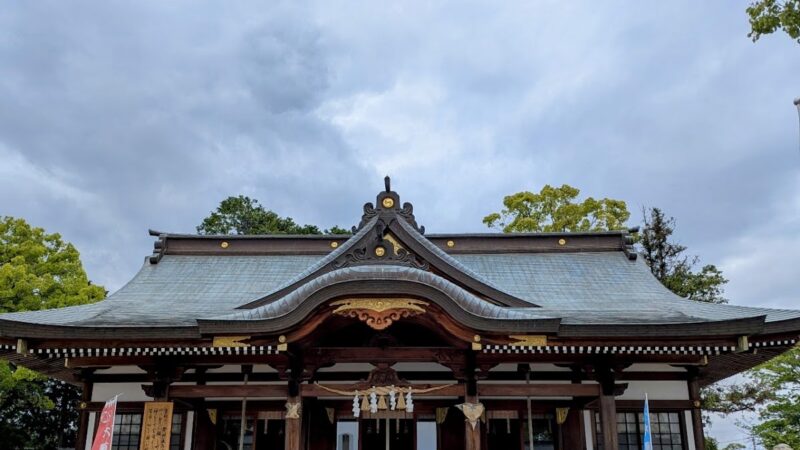
Main Hall and Worship Hall
The main hall of Susanoo Shrine is small but meticulously maintained. A pure atmosphere permeates the area in front of the worship hall, creating a peaceful environment for worship. Flowers are planted on the grounds, showing different expressions with each season. In particular, the scent of flowers drifts on the breeze in spring, making for a pleasant worship experience. ### Torii Gate
The torii gate at the entrance to the shrine grounds welcomes worshippers as the gateway to the sacred area. Despite being located in a residential area, passing through the torii gate evokes a sacred atmosphere, as if the air has changed.
11 Subsidiary Shrines
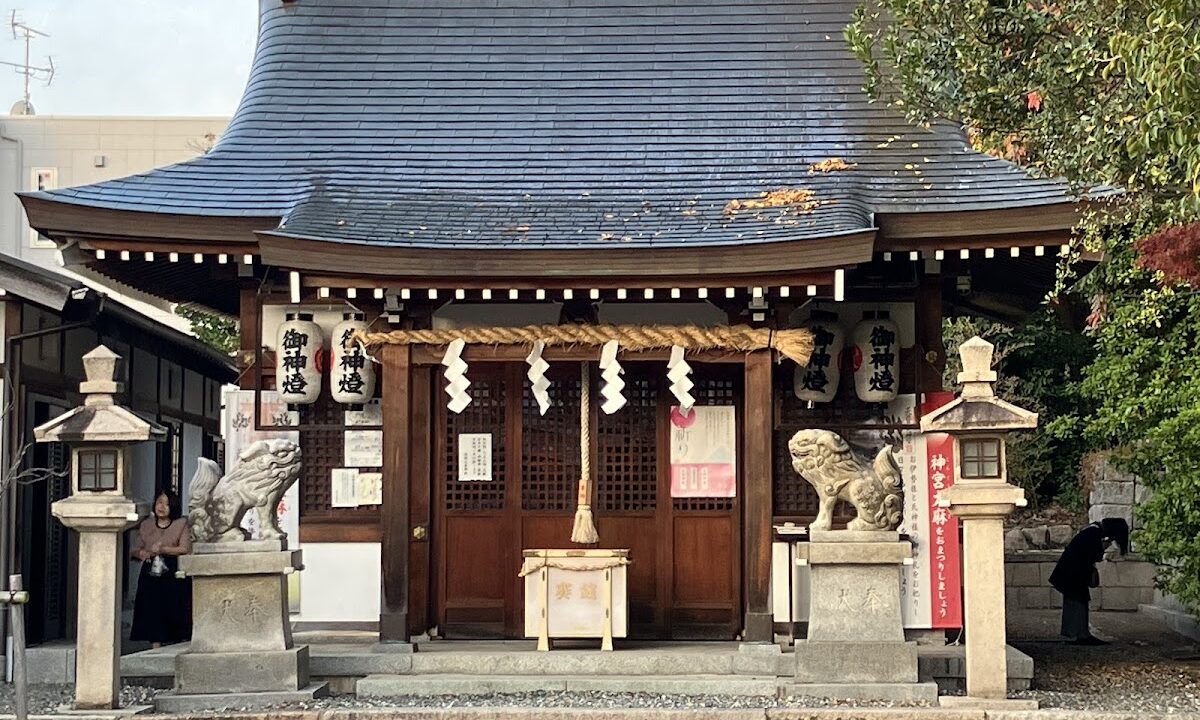
One of the distinctive features of Susanoo Shrine is the presence of 11 subsidiary shrines within its grounds. Here are some of the main ones:
Gyōja Shrine (En no Gyōja)
This shrine enshrines En no Gyōja, the founder of Shugendō (mountain asceticism). As the god of ascetic practice, it offers the following benefits:
- Achievement of Ascetic Practice: Success in spiritual discipline and self-training
- Healing from Illness: Miraculous healing power
- Good Fortune: Improvement of luck through spiritual power
Ōkuninushi Shrine
This shrine enshrines Ōkuninushi-no-Mikoto, the deity enshrined at Izumo Taisha Shrine.
- Matchmaking: Forging good relationships
- Business Prosperity: Success and prosperity in business
- Fullness and Good Fortune: Bringing happiness and abundance
A stone statue of Okuninushi-no-Mikoto is enshrined on the grounds, attracting the faith of worshippers.
Hachiman Shrine
Hachiman Shrine, dedicated to Emperor Ojin, is known as the god of military fortune and luck in competitions.
- Victory: Victory in various competitions
- Career Advancement: Social success
- Protection from Misfortune: Protection from disasters
Izanami Shrine
This shrine is dedicated to Izanami-no-Mikoto, the goddess of Japanese mythology.
- Safe Childbirth: For a safe delivery
- Conception: For being blessed with children
- Beauty: As the god of beauty, bestowing beauty
- Matchmaking: Forging good relationships
Other Subsidiary Shrines
Within the shrine grounds, there are other subsidiary shrines dedicated to various deities, such as Inari Shrine (for abundant harvests and business prosperity) and Tenmangu Shrine (for academic success), making it possible to fulfill a variety of wishes.
Shrine Office
The shrine office on the grounds also serves as the priest’s residence, and you can obtain Goshuin (shrine stamps) here. You will receive courteous service in a quiet environment.
Goshuin Information
Goshuin (shrine stamps) are available at Susanoo Shrine.
Location for receiving Goshuin (temple/shrine stamp): Shrine office within the grounds (also serves as the priest’s residence)
Offering Fee: Usually around 300-500 yen (subject to change)
Reception Hours: Since staff may be absent, it is recommended to call ahead to confirm.
The Goshuin will have the calligraphy of “Susanoo Shrine” and the shrine’s seal. Receiving a Goshuin in a quiet and peaceful atmosphere makes for a wonderful memento of your visit. The shrine grounds are filled with the fragrance of flowers, offering a special experience of receiving your Goshuin while appreciating the changing seasons.
Even if you do not have a Goshuincho (stamp book), pre-printed Goshuin may be available; please inquire at the shrine office.
Access Methods
Access by Train
Approximately 7 minutes on foot from Hanshin Main Line “Koroen Station”
- Exit the south exit of Koroen Station
- Head south towards National Route 43
- Proceed towards Gomen-cho
- The shrine is located in a residential area
Koroen Station is located in a residential area between Hanshin and Kobe, near Shukugawa. The route from the station to the shrine is flat, making it easily accessible on foot.
Other Nearest Stations
- Approximately 15 minutes on foot from JR Kobe Line “Sakura Shukugawa Station”
- Approximately 20 minutes on foot from Hankyu Kobe Line “Shukugawa Station”
Access by Car
Approximately 5 minutes from Hanshin Expressway Route 3 Kobe Line “Nishinomiya Exit”
Turn towards Gomen-cho from National Route 43. There is a small parking space at the shrine. However, caution is required when driving as you will be passing through narrow residential streets. Due to limited parking space, we recommend using public transportation whenever possible.
Nearby Parking
The shrine’s dedicated parking lot is small; if it’s full, please use nearby coin-operated parking lots. Several hourly parking lots are available around Kōroen Station.
Manners and Etiquette for Visiting a Shrine
Basic Etiquette for Visiting a Shrine
- Bow before passing through the torii gate: As a sign of respect before entering the sacred area.
- Purify yourself at the water basin: Purify your left hand, then your right hand, then your mouth.
- Walk along the edge of the path: The center is considered the path of the gods.
- Etiquette in front of the main hall: Two bows, two claps, one bow (two bows, two claps, one bow).
- Bow again at the torii gate when leaving: With gratitude.
Order of Visiting Subsidiary Shrines
At Susanoo Shrine, which has 11 subsidiary shrines, it is common to first visit the main hall, and then visit the subsidiary shrines of interest. By carefully visiting all the subsidiary shrines, you can receive various blessings.
Annual Events and Festivals
Susanoo Shrine holds various festivals throughout the year.
Main Annual Events
- New Year’s Day Festival: Praying for peace in the new year
- Setsubun Festival: Exorcism and bean-throwing ceremony
- Spring Grand Festival: Praying for a bountiful spring harvest
- Summer Purification Ceremony: Purifying oneself of the impurities accumulated over the past six months (June 30th)
- Autumn Grand Festival: Giving thanks for the autumn harvest
- Year-End Purification Ceremony: Purifying oneself of the impurities accumulated over the past year (December 31st)
Please contact the shrine directly for detailed dates.
Nearby Tourist Attractions
Shukugawa Park
Shukugawa Park, within walking distance of Susanoo Shrine, is known as a famous cherry blossom viewing spot. Approximately 1,660 cherry trees bloom in spring, and it has been selected as one of “Japan’s Top 100 Cherry Blossom Viewing Spots.” You can enjoy the changing seasons along with visiting the shrine.
Koroen Beach
This beach is located a few minutes’ walk south from Hanshin Koroen Station. Facing Osaka Bay, it’s a quiet coastline perfect for strolling and jogging. You can enjoy beautiful sunsets in the evening.
Nishinomiya City Otani Memorial Museum of Art
This is a leading art museum in Nishinomiya City, boasting a diverse collection of Japanese paintings, Western paintings, and contemporary art. It also features a beautiful Japanese garden, offering a culturally enriching experience.
Summary of the Charms of Susanoo Shrine
Susanoo Shrine (Morigu no Miya), located in the residential area of Gomen-cho, Nishinomiya City, is a shrine that conveys a rich history and faith to the present day. Since its founding during the Keicho era, it has been cherished by the local people as a god of protection against misfortune and disease.
The three deities enshrined here—Susanoo-no-Okami, Amaterasu-Omikami, and Takeminakata-no-Okami—along with the various gods enshrined in the 11 subsidiary shrines, respond to the diverse wishes of worshippers. The small shrine grounds are enveloped in silence, offering a precious space to forget the hustle and bustle of the city and find peace of mind.
The origins of “Morigu,” rooted in the history of the Saigoku Kaido road, the transition from Gozu Tenno Shrine to Susanoo Shrine, and the form of faith that has been passed down to the present day—all of these are condensed within this small shrine.
Despite its convenient location, just a 7-minute walk from Hanshin Koroen Station, it is relatively uncrowded, making it an attractive place for a peaceful visit. You can receive a Goshuin (shrine stamp) and learn about the shrine’s history and origins from the head priest.
For those praying for protection from evil, family safety, a desire to visit a historical shrine, or seeking a quiet environment to calm the mind, Susanoo Shrine is an ideal place to visit. Combined with a stroll through Shukugawa Park or a time at Koroen Beach, you can fully experience the charm of Nishinomiya City.
Susanoo Shrine is located at 2-1 Gomen-cho, Nishinomiya City, Hyogo Prefecture. Please come and experience its serene atmosphere and the weight of history for yourself. Susanoo-no-Mikoto, the guardian deity of purification, will surely hear your prayers.