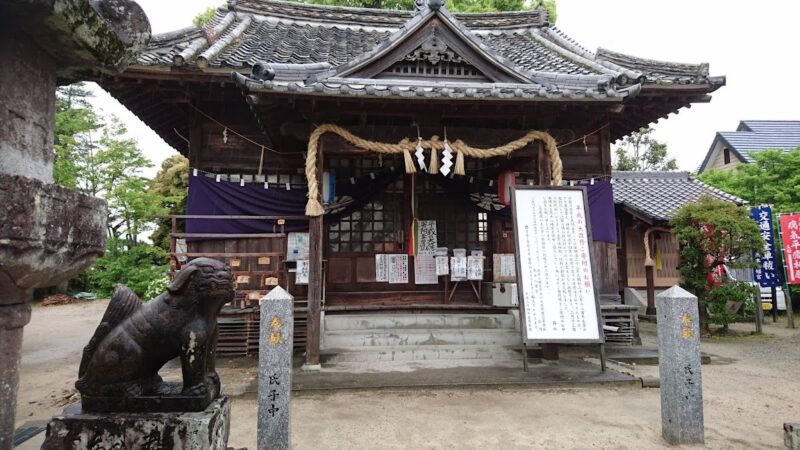
Takagi Hachimangu Shrine (Hachiman Shrine), Takagise Higashi, Saga City, Saga Prefecture – A Complete Guide to its History, Deities, and Annual Festivals
Takagi Hachimangu Shrine (Hachiman Shrine), located at 2-12-11 Takagise Higashi, Saga City, Saga Prefecture, is a historic shrine dating back to the Heian period. It is revered as the guardian deity of the region and continues to preserve traditional culture, such as the Takagi Hachiman Nejiri Furyu dance. This article comprehensively introduces information useful for visitors, including the history of Takagi Hachimangu Shrine, its enshrined deities, annual festivals, and access methods.
Basic Information about Takagi Hachimangu Shrine
Takagi Hachimangu Shrine is located in the Takagise district of Saga City, Saga Prefecture, and is affectionately known as “Takagi no Hachiman-san” by local residents. While its official name is Takagi Hachimangu Shrine, it is also commonly called Hachiman Shrine.
Location and Access Information
Address: 2-12-11 Takagise Higashi, Saga City, Saga Prefecture
Phone Number: 0952-30-9044
FAX: 0952-30-9615
Access Method:
- Approximately 15 minutes by car from JR Saga Station
- Approximately 20 minutes by car from Saga Yamato Interchange
- Approximately 5 minutes on foot from the “Takagise” bus stop (Saga City Bus)
Parking Information
The shrine has a parking lot for visitors. During busy periods such as New Year’s visits and annual festivals, you can also use nearby parking reservation services (such as akippa). Parking around Hachiman Shrine is relatively easy on weekdays, but early arrival is recommended during festivals.
Deities Enshrined – Hachiman Okami
Takagi Hachiman Shrine enshrines three deities known as Hachiman Okami. ### Emperor Ōjin
The 15th Emperor and the central deity of Hachiman. He has long been worshipped as the god of military fortune and victory. Emperor Ōjin is considered one of the oldest emperors with a high probability of having actually existed, and is credited with introducing continental culture and strengthening the nation.
Empress Jingū
The mother of Emperor Ōjin and known for the legend of her conquest of the Three Kingdoms of Korea. She is also revered as the goddess of safe childbirth and child-rearing. Empress Jingū possessed excellent political and military skills, and because she safely gave birth to Emperor Ōjin, many worshippers visit her shrine to pray for safe childbirth.
Emperor Nintoku
The 16th Emperor and son of Emperor Ōjin. He is known for his benevolent rule and the famous anecdote of “the people’s hearth.” Emperor Nintoku is believed to have been buried in the Daisenryo Kofun (Emperor Nintoku’s Mausoleum), the largest keyhole-shaped burial mound in Japan, located in the Mozu Kofun Group in Osaka.
These three deities are believed to possess a wide range of divine virtues, including military fortune, safe childbirth, child-rearing, national peace and security, and abundant harvests.
History – A History Continuing from the Heian Period
Multiple records remain regarding the founding of Takagi Hachimangu Shrine, attributing its deep history.
Circumstances of Founding
According to shrine records, during the reign of Emperor Konoe in the Heian period, in the Kyūan era (1145-1150), a warrior named Fujiwara Sadahisa, Governor of Takagi Echizen Province, descended to Takagi Manor and built Takagi Castle. Fujiwara Sadahisa, relying on divine intervention, raised a flag depicting the rising sun and enshrined Hachiman Daishin as the guardian deity of his castle. This is considered the origin of Takagi Hachimangu Shrine.
On the other hand, another record suggests that it was founded in 1186 during the reign of Emperor Go-Toba. In any case, it is undoubtedly a historical shrine founded sometime between the late Heian period and the early Kamakura period.
Relationship with the Takagi Family
Takagi Hachimangu Shrine has deep ties to the Takagi family, the family of its founder, Takagi Echizen-no-kami Fujiwara Sadahisa. The Takagi family crest, the “Twelve Sun Legs,” is still carefully preserved as a symbol of the shrine’s history.
The Takagi family flourished as a powerful samurai family in the region and played an important role in the subsequent history of Saga. The shrine developed not only as the tutelary deity of the Takagi family but also as a guardian deity for the entire region.
Connection with the Nabeshima Family
In the Edo period, the shrine’s ties with the Nabeshima family, the lords of the Saga domain, deepened. The Nabeshima family revered Takagi Hachimangu Shrine and prayed for the peace and prosperity of their domain and the happiness of their people. Records and offerings from this period are still carefully preserved as treasures of the shrine.
Nearby, Jōinji Temple also houses a cemetery associated with the Nabeshima family, indicating the importance of this area to the Nabeshima clan.
Shrine Treasures – Treasures that Tell the Story of History
Takagi Hachimangu Shrine houses numerous valuable treasures donated throughout its long history.
Ancient Documents and Shrine Records
Shrine records and ancient documents detailing the shrine’s history are essential resources for understanding Takagi Hachimangu Shrine. These documents meticulously record the circumstances of its founding, successive Shinto priests, donated items, and historical events in the region.
Donated Items
Swords, mirrors, and votive tablets donated by successive lords and parishioners are preserved. In particular, the donated items from the Nabeshima family during the Edo period are valuable testaments to the deep faith of the time.
Festival Equipment
The drums, flutes, and costumes used in the Takagi Hachiman Nejiri Furyu festival are also important cultural assets. These are carefully maintained as the physical foundation supporting the region’s intangible cultural heritage.
Annual Festivals – Seasonal Rituals
Takagi Hachiman Shrine holds various festivals throughout the year. Here are some important events that attract the faith of the local people.
New Year’s Day Festival (January 1st)
This festival celebrates the start of the new year. Many visitors come early on New Year’s Day to pray for good health and safety for their families throughout the year. Stalls line the shrine grounds, creating a lively New Year’s atmosphere.
Setsubun Festival (around February 3rd)
This traditional event is held the day before the beginning of spring. Beans are scattered to ward off evil spirits and invite good fortune. Many local children participate, creating a lively atmosphere.
Spring Grand Festival (April)
This is an important festival celebrating the arrival of spring. A procession of the portable shrine and offerings are held, making it a community-wide festival. Often coinciding with cherry blossom season, the shrine grounds are enveloped in a vibrant atmosphere.
Summer Purification Ceremony (June 30th)
This is a Shinto ritual to purify oneself of the impurities accumulated over the past six months and pray for good health and protection from illness for the remaining half of the year. A ritual of passing through a ring of reeds is performed, purifying the mind and body of worshippers.
Autumn Grand Festival (October)
This is one of the most important festivals of the year. Thanks are given for a bountiful harvest, and a grand procession of the portable shrine and offerings of performing arts are held. The Takagi Hachiman Nejiri Furyu dance is sometimes performed during this time.
Takagi Hachiman Nejiri Furyu
The Takagi Hachiman Nejiri Furyu is a traditional performing art representative of Takagi Hachiman Shrine. Designated as an Important Intangible Folk Cultural Property of Saga City on November 12, 2008.
Nejiri Furyu is a traditional dance performed while beating drums, featuring a unique “twisting” motion. The spirited and dynamic performance captivates viewers. It is preserved by a local preservation society, which actively works to pass on the techniques to younger generations.
Shichi-Go-San Festival (November)
During the Shichi-Go-San festival, which celebrates the growth of children, many families visit the shrine. Children in their finest attire fill the grounds, creating a heartwarming scene.
Year-End Purification Ceremony and New Year’s Eve Festival (December 31st)
As the year concludes, the Great Purification Ceremony is held. This important Shinto ritual cleanses away the impurities of the past year, allowing for a refreshing start to the new year. Many worshippers visit as the New Year’s Eve bell rings.
Guide to Takagi Hachimangu Shrine Grounds
Main Hall and Worship Hall
The majestic main hall and worship hall follow the traditional Hachiman style. The graceful curves of the roofs and the intricate carvings delight visitors.
Water Basin
A water basin is provided for purifying the body and mind before worship. Please purify your hands and mouth according to the proper etiquette before praying.
Shrine Office
The shrine office handles the issuance of Goshuin (shrine stamps), distribution of amulets, and registration for prayers. You can also receive a Goshuin as a memento of your visit.
Subsidiary Shrines
Several subsidiary shrines are enshrined around the main hall. Each has its own unique divine virtues, and many people visit them all.
Etiquette and Manners for Visiting a Shrine
Basic Etiquette for Visiting a Shrine
- Bow before passing through the torii gate.
- Avoid walking in the center of the path (the center is the path for the gods).
- Purify your body and mind at the water basin.
- Offer your donation in front of the main hall.
- Bow twice, clap twice, and bow once.
Receiving Prayers
You can receive various prayers, such as for protection against misfortune, safe childbirth, business prosperity, and traffic safety. It is recommended to contact the shrine office in advance to make a reservation.
Attractions Around Takagi Hachimangu Shrine
Jōinji Temple
Jōinji Temple, located near Takagi Hachimangu Shrine, is a temple associated with the Nabeshima family. The cemetery contains the graves of people related to the Nabeshima clan, making it ideal for a historical stroll.
Saga City Center
It takes about 15 minutes by car from Takagi Hachimangu Shrine to the center of Saga City. Saga boasts numerous facilities where you can experience Saga’s history and culture, including the Saga Castle Ruins, the Saga Prefectural Museum, and the Saga Prefectural Art Museum.
Yoshinogari Historical Park
Located about 30 minutes away by car, Yoshinogari Historical Park is the site of a large-scale Yayoi period moated settlement. It’s a popular tourist spot where you can experience life in ancient Japan.
The Charm of Takagi Hachimangu Shrine
A Faith Rooted in the Community
The greatest charm of Takagi Hachimangu Shrine lies in its deep connection with the community, which has continued since the Heian period. Since its founding, it has attracted the faith of people as the guardian deity of the Takagi area, and has walked hand in hand with the history of the region.
Inheritance of Traditional Culture
Another major characteristic of this shrine is its inheritance of the valuable intangible cultural asset, Takagi Hachiman Nejiri Furyu. Through traditional performing arts, the regional identity is passed down to the next generation.
Seasonal Beauty
The shrine grounds, with their ever-changing scenery throughout the seasons—cherry blossoms in spring, lush greenery in summer, vibrant autumn leaves, and a serene winter atmosphere—offer fresh discoveries with every visit.
Notes for Visitors
Dress Code
While there are no strict dress code regulations, it is advisable to dress appropriately for a sacred place. If receiving prayers, please dress appropriately and not too casually.
Photography
Photography is generally permitted within the shrine grounds, but restrictions may apply inside the main hall or during ceremonies. It is recommended to check before taking photos.
Pet Policy
Pet policies vary by shrine, so it is recommended to inquire in advance if you wish to bring your pet.
Contact Takagi Hachimangu Shrine
For details regarding visiting hours, prayer reservations, and festival schedules, please contact the shrine directly.
Telephone: 0952-30-9044 (Reception hours: 9:00 AM – 5:00 PM)
FAX: 0952-30-9615
You can also check the latest information on the official website.
Summary
Takagi Hachimangu Shrine (Hachiman Shrine), located at 2-12-11 Takagisehigashi, Saga City, Saga Prefecture, is a historical shrine with a history dating back to the Heian period. It enshrines Emperor Ojin, Empress Jingu, and Emperor Nintoku as its deities and is known for its wide range of divine blessings, including military fortune, safe childbirth, and national peace.
It is said to have been founded by Takagi Echizen-no-kami Fujiwara Sadahisa, and this shrine, with its deep ties to the Takagi and Nabeshima families, continues to attract unwavering faith as a guardian deity of the region. It also contributes to the preservation of traditional culture by inheriting the Takagi Hachiman Nejiri Furyu, a Saga City Important Intangible Folk Cultural Property.
Throughout the year, various festivals and ceremonies are held at Takagi Hachimangu Shrine, which is deeply rooted in the lives of the local people and will continue to convey the history and culture of Saga for many years to come. When you visit Saga, be sure to pay your respects at Takagi Hachimangu Shrine and experience its history and traditions.