Kannabi Shrine (Yamato-cho, Saga City, Saga Prefecture) Complete Guide | Sacred Camphor Tree, History, and Access Information
Kannabi Shrine, located in Kuchii, Yamato-cho, Saga City, Saga Prefecture, is a shrine known for its gigantic camphor tree, hundreds of years old, and its beautiful views. Situated on a small hill, it is also a popular spot for its spectacular views of Mount Unzen and Mount Tara on clear days. This article provides a detailed introduction to Kannabi Shrine, including its history, enshrined deities, highlights, and access information.
Basic Information on Kannabi Shrine
Location and Contact Information
Kannabi Shrine is located at 3651 Kuchii, Yamato-cho, Saga City, Saga Prefecture. It is conveniently located just north of the Saga Yamato Interchange, making it easily accessible by car. The surrounding area is a quiet residential area with a peaceful rural landscape.
Shrine Rank
Kannabi Shrine was formerly classified as a village shrine. Formerly located in Kuchii, Kasuga Village, Saga District, it played an important role as the center of local faith. Even today, it is carefully preserved by local parishioners, and various festivals are held throughout the year.
History and Origins of Kannabi Shrine
Origin of Founding
While the exact founding date of Kannabi Shrine is unclear, a record in the *Sandai Jitsuroku* (Chronicles of Three Reigns) dated January 11th, 870 (Jōgan 12), suggests it existed at least during the early Heian period. This historical record is important evidence that Kannabi Shrine is an ancient shrine with a history of over a thousand years.
The name “Kannabi” originates from “Kannabi,” meaning a sacred mountain or forest where gods descend. This name suggests that it has been revered as a sacred place where gods reside since ancient times.
Historical Changes
Since its founding in the Heian period, Kannabi Shrine has been revered as the guardian deity of the region. From the medieval to the early modern period, it played an important role as a place for praying for abundant harvests and protection from disease in the surrounding rural areas.
With the reform of the shrine system during the Meiji era, it was ranked as a village shrine, and its official position in the local community was clearly defined. Even as times changed from Showa to Heisei and Reiwa, it has been maintained by the fervent faith of the local residents and continues to this day.
About the Enshrined Deity
Amenokoyane-no-Mikoto
The main deity enshrined at Kannabi Shrine is Amenokoyane-no-Mikoto. Amenokoyane-no-Mikoto is a god who plays an important role in Japanese mythology, known as the god who recited prayers when Amaterasu-Omikami hid in the Heavenly Rock Cave. He is considered the ancestral god of the Nakatomi clan (later the Fujiwara clan) and is revered as the god who presides over learning, language, and rituals.
Amenokoyane-no-Mikoto is one of the principal deities of Kasuga Taisha Shrine, and this is thought to be deeply connected to the fact that Kannabi Shrine was located in “Kasuga Village.” By enshrining this deity, prayers have been offered for the prosperity of the region and the development of its culture.
Sugawara no Michizane
Enshrined alongside Amenokoyane-no-Mikoto is Sugawara no Michizane. Michizane, worshipped nationwide as the god of learning, became increasingly common after the Edo period, with the spread of terakoya (private temple) education, and his deities were enshrined in shrines throughout the country.
At Kannabi Shrine, Sugawara no Michizane is also enshrined with the hope of improving education in the region and the healthy growth of children. During exam season, many worshippers visit to pray for success, and the shrine attracts many people seeking academic achievement.
Highlights of Kannabi Shrine
The Giant Sacred Camphor Tree
The greatest highlight of Kannabi Shrine is the sacred camphor tree, which is designated as a natural monument of Saga City. Located on the north side of the shrine, this camphor tree boasts an overwhelming presence, visible from afar.
It stands approximately 30 meters tall, with a trunk circumference of about 8 meters, and is estimated to be several hundred years old. This giant tree, displaying different expressions in each of the four seasons, is a living history itself, having watched over the region for centuries. A sacred atmosphere permeates the area around the camphor tree, and many worshippers clasp their hands together in front of this sacred tree, receiving its power.
Camphor trees have been considered sacred trees since ancient times and have been cherished as sacred trees in shrines throughout the land. The camphor tree at Kannabi Shrine is no exception; it is affectionately called “Kusunoki-san” by the locals and has become a symbol of the region.
Panoramic View from the Shrine Grounds
Because Kannabi Shrine is built on a small hill, you can enjoy a magnificent view from the shrine grounds. On clear days, you can enjoy panoramic views of Mount Unzen in Nagasaki Prefecture and Mount Tara, located on the border between Saga and Nagasaki Prefectures.
Especially during the clear autumn and winter months, the mountain ridges are clearly visible, creating a beautiful, almost picturesque landscape. At sunrise and sunset, the light bathes the scenery in golden hues, enveloping it in a mystical atmosphere.
Due to its stunning views, Kannabi Shrine is a popular spot for photography enthusiasts and nature lovers. Visitors can spend time serenely admiring the scenery while offering prayers.
Atmosphere and Architecture of the Shrine Grounds
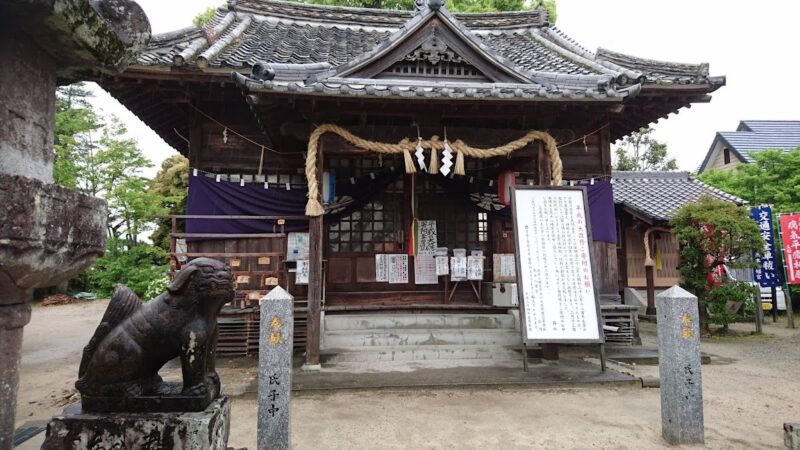
The grounds of Kannabi Shrine are small but neatly maintained. After climbing the stone steps and passing through the torii gate, the main hall comes into view. The main hall is built in a traditional shrine architectural style, exuding a calm and serene atmosphere with its warm wooden construction.
A purification fountain is also provided on the grounds, allowing visitors to cleanse their minds and bodies before praying. Furthermore, stone structures such as guardian lion-dogs and stone lanterns are placed throughout the grounds, maintaining the dignity of a Shinto shrine.
The shrine grounds, surrounded by nature that changes with the seasons, are beautiful with fresh greenery in spring, offer cool shade in summer, are adorned with colorful autumn leaves, and are enveloped in a tranquil atmosphere in winter. Visiting in each season allows you to enjoy the different facets of Kannabi Shrine.
How to Access Kannabi Shrine
Access by Car
The most convenient way to access Kannabi Shrine is by car. It is located approximately 1 kilometer north of the Nagasaki Expressway’s Saga Yamato Interchange, about a 3-minute drive. Its location right off the interchange makes it easily accessible for visitors from afar.
When using a car navigation system, search for “3651 Kuchi-i, Yamato-cho, Saga City” or “Kannabi Shrine.” There is parking space around the shrine, but the number of spaces is limited, so caution is advised during busy periods such as New Year’s Day.
Access by Public Transportation
If using public transportation, the bus is the most convenient option. The nearest bus stop is “Soza,” which is approximately a 4-minute walk (about 280 meters) from Kannabi Shrine.
From JR Saga Station, it takes about 1 hour and 17 minutes on foot (about 6.2 kilometers), so we recommend using a local bus or taxi from the station. A taxi from Saga city center takes approximately 15-20 minutes.
Transportation Information for the Surrounding Area
Kannabi Shrine is located in the central part of Saga Prefecture, making it easily accessible from various parts of Kyushu, including Fukuoka, Nagasaki, and Kumamoto Prefectures. It takes about 1 hour by car from Fukuoka City, about 1 hour and 30 minutes from Nagasaki City, and about 2 hours from Kumamoto City.
It is also conveniently located about 30 minutes by car from Saga Airport, making it easily accessible for visitors arriving by plane.
Tourist Attractions Around Kannabi Shrine
Highlights of Yamato-cho, Saga City
Yamato-cho in Saga City, where Kannabi Shrine is located, boasts several other attractive tourist spots.
The Site of the Hizen Provincial Government is the political center of ancient Hizen Province and a must-see for history buffs. Designated a national historical site, it retains foundations and cornerstones that show the layout of the buildings at the time.
Yamato Onsen is a day-trip hot spring facility beloved by locals. It’s a great place to relax and unwind after visiting Kannabi Shrine.
Tourist Attractions in Saga City
In the heart of Saga City is the Saga Castle Honmaru History Museum. This facility recreates the Honmaru Palace of Saga Castle, associated with the renowned Edo-period lord Nabeshima Naomasa, and offers a glimpse into Saga’s history and culture. Free admission is another attractive feature.
Saga Shrine is a shrine dedicated to Nabeshima Naomasa, the 10th lord of the Saga Domain, and Naohiro, the 11th lord, and is revered by the citizens of Saga. It is bustling with many worshippers during the New Year’s visit.
Furuyu Onsen and Kumanokawa Onsen are historic hot spring resorts located in the northern part of Saga City. They are characterized by their slippery water quality and are known as “beauty springs.”
Annual Events and Festivals of Kannabi Shrine
Grand Festival
Kannabi Shrine holds its annual Grand Festival every year. Local parishioners gather for this important Shinto ritual to pray for a bountiful harvest and the safety of the community. During the festival, Shinto priests recite prayers and offer sacred branches, creating a solemn atmosphere in which gratitude and prayers are offered to the gods.
New Year’s Visit
Many people, mainly local worshippers, visit the shrine for the New Year’s visit. The shrine grounds are bustling with people praying for happiness, health, and academic success in the new year. The number of visitors is especially high from New Year’s Day to the third day of the year.
Monthly Festival
The monthly festival, held regularly, is a time to offer daily gratitude to the gods and pray for peace in the community. Although a small-scale festival centered around local parishioners, it is an important event for maintaining the connection between the shrine and the community.
Manners and Etiquette for Visiting the Shrine
Basic Etiquette for Visiting the Shrine
When visiting Kannabi Shrine, please observe the following basic etiquette:
- Bow before passing through the torii gate: As a sign of respect before entering the sacred area, bow before the torii gate.
- Walk along the edge of the path: The center of the path is considered the path of the gods, so it is proper etiquette to walk along the edge.
- Purify yourself at the water basin: Purify your hands and mouth at the water basin. Hold the ladle in your right hand and wash your left hand, then switch to your left hand and wash your right hand, then switch back to your right hand, receive water in your left hand, and rinse your mouth.
- Two Bows, Two Claps, One Bow: In front of the main hall, bow deeply twice, clap your hands twice, silently recite your wish, and finally bow deeply once more.
Respect for the Sacred Tree
The giant camphor tree is considered sacred as the sacred tree of Kannabi Shrine. It is best to refrain from touching it and quietly offer your prayers from a short distance away. Photography is permitted, but please be considerate of other worshippers.
Benefits of Kannabi Shrine
Academic Success and Passing Exams
Because the shrine enshrines Sugawara no Michizane, it is believed to grant blessings for academic success and passing exams. During exam season, many students and their parents visit to pray for success.
Family Safety and Protection from Evil
Ame-no-Koyane-no-Mikoto is a deity who presides over rituals and is believed to grant blessings for family safety and protection from evil. Many worshippers visit to pray for the health and happiness of their families.
Abundant Harvest and Industrial Development
As a shrine located in a rural area, it has long been a place to pray for abundant harvests. Even today, it attracts the faith of people praying for the development of local industries and the prosperity of businesses.
Kannabi Shrine and the Shrine Culture of Saga
“Kannabi” Belief in Saga Prefecture
“Kannabi” (神奈び) is an ancient word meaning a sacred mountain or forest where a god descends. Besides Kannabi Shrine, there are many other places in Saga Prefecture where beliefs that worship sacred nature as the object of worship remain.
Ancient people believed that gods resided in particularly prominent mountains, large trees, and rocks, and worshipped them. It is thought that the camphor tree at Kannabi Shrine has also been revered for many years as an object of such nature worship.
Visiting Shrines in Saga Prefecture
Besides Kannabi Shrine, Saga Prefecture boasts numerous historical and venerable shrines.
Saga Shrine is located in the heart of Saga City and is a shrine dedicated to the lord of the Saga domain, attracting the faith of the local people.
Yutoku Inari Shrine is located in Kashima City and is a large shrine considered one of Japan’s three major Inari shrines. Its vermilion-lacquered gate and main hall are beautiful, and it attracts 3 million visitors annually.
Tajima Shrine is located in Karatsu City and is a shrine dedicated to the god of the sea, attracting the faith of those involved in the fishing industry.
Visiting these shrines allows you to gain a deeper understanding of Saga Prefecture’s rich shrine culture and history.
How to Enjoy Visiting Kannabi Shrine
Enjoying the Changing Seasons
Kannabi Shrine displays different beauty in each of the four seasons.
Spring: The fresh greenery is beautiful, and the young leaves of the camphor trees shine with a vibrant green. It’s a refreshing season that signals the arrival of spring.
Summer: The shrine grounds, covered in deep green, offer a pleasant coolness in the shade of the trees. The summer shrine, filled with the sound of cicadas, evokes a quintessential Japanese landscape.
Autumn: The surrounding trees change color, creating a beautiful autumn foliage. The contrast between the evergreen camphor trees and the surrounding autumn leaves is magnificent.
Winter: The air is clear, and the distant mountains are clearly visible. Visiting the shrine in this tranquil atmosphere brings peace to the mind.
Photo Spots
Kannabi Shrine is also a great spot for photography. The following points are especially recommended:
- The Sacred Camphor Tree: Photographing it from a low angle, looking up, conveys its immense size and power.
- View from the Shrine Grounds: On a clear day, you can take landscape photos with Mount Unzen and Mount Tara in the background.
- Torii Gate and Worship Hall: You can capture the beauty of traditional shrine architecture.
When taking photographs, please be considerate of other worshippers and remember that this is a sacred place.
Spending a Quiet Time
Kannabi Shrine is located in a quiet area slightly away from the city center, making it an ideal place to escape the hustle and bustle and find peace of mind. Sitting on a bench in the shrine grounds and slowly gazing at the camphor trees will help you forget the stresses of everyday life.
By meditating and taking deep breaths, and feeling the energy of nature, you can refresh your mind and body.
Dining and Gourmet Information Around Kannabi Shrine
Saga’s Local Cuisine
Enjoying delicious Saga cuisine before or after visiting Kannabi Shrine is also recommended.
Saga Beef is one of Japan’s leading brand-name wagyu beef. It is characterized by its fine marbling and tender texture, and can be enjoyed as steak or yakiniku (Japanese barbecue). There are many restaurants in Saga City that serve Saga beef.
Yobuko squid is a specialty of Yobuko-cho, Karatsu City, Saga Prefecture. The transparent, fresh, live squid sashimi is exquisite, offering a delightful crunchy texture.
Sicilian rice is a local specialty of Saga City. It’s a hearty dish consisting of warm rice topped with stir-fried meat and fresh vegetables, and drizzled with mayonnaise.
Nearby Cafes and Restaurants
Around Kannabi Shrine, there are restaurants and cafes serving dishes made with local ingredients. Stopping by after visiting the shrine and enjoying the flavors of Saga is one of the pleasures of your trip.
Summary: The Charm of Kannabi Shrine
Located in Yamato-cho, Saga City, Saga Prefecture, Kannabi Shrine is a venerable shrine with a history of over a thousand years. The enormous camphor trees, hundreds of years old, exude an overwhelming presence, allowing visitors to feel the power and sacredness of nature.
The view from the top of the small hill is magnificent, and on a clear day, it’s a spectacular spot where you can see Mount Unzen and Mount Tara in their entirety. The shrine enshrines Amenokoyane-no-Mikoto and Sugawara no Michizane, and is believed to bring blessings for academic success and family safety.
Despite its convenient location just off the Saga Yamato Interchange, Kannabi Shrine offers a quiet and peaceful atmosphere for worship. It’s a shrine you should definitely visit when you’re in Saga Prefecture.
Experience the charm of Kannabi Shrine, a blend of history, nature, and the faith of the local people, by visiting it yourself. You’re sure to have a special time that will refresh both your mind and body.