Takao-ji Temple (Katsuragi City, Nara Prefecture) Complete Guide | History, Important Cultural Properties, and Access Information
Located in Shinzaike, Katsuragi City, Nara Prefecture, Takao-ji Temple is an ancient temple said to have been founded by En no Gyoja. While once boasting such prosperity that it was called “Takao Senken” (Takao of a Thousand Houses), the temple has a history of losing most of its buildings to repeated fires. However, it continues to preserve valuable Buddhist statues from the Heian period. This article provides a detailed explanation of Takao-ji Temple’s history, cultural properties, access methods, and surrounding attractions.
History and Origin of Takao-ji Temple
Founded by En no Gyoja
Takao-ji Temple is said to have been founded in the late 7th century by En no Gyoja (En no Ozunu), known as the founder of Shugendo (mountain asceticism). En no Gyoja is a legendary figure who is said to have practiced asceticism mainly in the Katsuragi mountain range and founded many sacred sites. Takao-ji Temple is positioned as one of the important bases of Katsuragi Shugendo and is currently registered as a component cultural property of the Japan Heritage site “Katsuragi Shugendo.”
Located north of Taima-dera Temple, this site is believed to have been an important base for Shugendo practitioners during their mountain ascetic practices, and has attracted worshippers since ancient times. While the exact founding date of the temple is unknown, considering the period of En no Gyoja’s activities, it is presumed to have been established sometime between the Asuka and Nara periods.
The Flourishing “Takao Senken” During the Insei Period
Takao-dera Temple reached its peak during the late Heian period and early Kamakura period. According to temple tradition, it was an imperial prayer temple of Emperor Go-Shirakawa and his grandson, Emperor Go-Toba, and flourished greatly under the patronage of the imperial family. During this period, many halls and monks’ quarters were built around the temple, and it is said to have boasted such prosperity that it was called “Takao Senken” (Takao, a Thousand Houses).
The Insei period was a time when retired emperors held real power, and many temples expanded their influence. Takao-dera Temple also benefited from this era, reaching the height of its prosperity as a Shingon Buddhist temple. It was a major religious center where many monks devoted themselves to their training and where pilgrims flocked.
Decline and Destruction Due to a Great Fire
Takao-ji Temple, which once boasted great prosperity, was later struck by a great fire, and most of its buildings were destroyed. While the exact date is not recorded, this fire ended the prosperity that had earned it the nickname “Takao Senken” (Takao of a Thousand Houses). Furthermore, in 1999, the main hall was also destroyed by fire, and currently only the storage building and bell tower remain.
Despite repeated destruction by fire, the temple’s treasures, including important cultural property Buddhist statues, remain intact and are still carefully preserved. The temple grounds, where only the foundation stones of the former temple buildings remain, are enveloped in a quiet atmosphere that evokes the prosperity of yesteryear.
Changes in Sectarian Status
Takao-ji Temple is said to have once been a Shingon Buddhist temple, but in May 1880, it became a branch temple of the Jodo sect’s Honganji temple. Subsequently, it continues to operate as a Jodo Shinshu temple. This change in sect is thought to be a result of the anti-Buddhist movement and temple consolidation that followed the Meiji Restoration.
Important Cultural Properties of Takao-ji Temple
Wooden Standing Statue of Sho Kannon Bodhisattva
The Takao-ji Temple’s storage house a wooden standing statue of Sho Kannon Bodhisattva, believed to be from the Heian period. This statue is designated as a National Important Cultural Property and is one of Takao-ji Temple’s most valuable treasures.
Sho Kannon Bodhisattva is the basic form of Kannon Bodhisattva and is worshipped as a compassionate Buddha who relieves the suffering of all sentient beings. This statue, which conveys the elegant style of the Heian period, is a valuable document demonstrating the high level of Buddhist art at that time.
Wooden Seated Statue of Yakushi Nyorai
Another important cultural property is a wooden seated statue of Yakushi Nyorai, believed to be from the early Fujiwara period. Yakushi Nyorai (Medicine Buddha) is the principal deity of the Eastern Pure Land of Lapis Lazuli and has been widely worshipped as a Buddha who heals illness and suffering.
The early Fujiwara period refers to the period from the early to mid-Heian period, a crucial era in which Japanese Buddhist sculpture underwent unique development. This seated statue of Yakushi Nyorai is a valuable work that strongly retains the characteristics of that era and holds high value from an art historical perspective.
Statue of En no Gyoja
The storage facility also houses a statue of En no Gyoja. This statue, dedicated to the founder En no Gyoja, is an important cultural asset that conveys the deep connection with Katsuragi Shugendo. This statue, carved from the figure of En no Gyoja, revered as the founder of Shugendo, can be said to symbolize the historical identity of Takao-ji Temple.
Regarding Viewing
Advance reservations are required to view these valuable cultural assets. The storage facility is usually locked, and unauthorized viewing is not permitted. Those wishing to view the artifacts must contact the temple in advance to arrange a date and time. This reservation system is a measure to properly protect and manage valuable cultural properties.
Japan Heritage “Katsuragi Shugendo” and Takao-ji Temple
Historical Significance of Katsuragi Shugendo
Takao-ji Temple is registered as one of the constituent cultural properties of the Japan Heritage “Katsuragi Shugendo – The Birthplace of Shugendo, Protected and Passed Down Together with the Villagers,” which was certified in 2017.
Katsuragi Shugendo is the original form of Shugendo that unfolded in the Kongo-san and Katsuragi mountain range, and is considered the “birthplace of Shugendo” because En no Gyoja practiced asceticism in this area. Takao-ji Temple is one of its important bases and a valuable place that conveys the history of Katsuragi Shugendo to the present day.
Faith Protected Together with the Villagers
The story of the Japan Heritage includes the phrase “protected and passed down together with the villagers.” This indicates that Katsuragi Shugendo was not merely mountain worship, but a faith closely intertwined with the lives of the local people.
Takao-ji Temple has been protected by the local people, overcoming numerous fires and hardships to preserve important cultural artifacts to this day. This spirit of “working together with the villagers” is still carried on in the operation of Takao-ji Temple.
Highlights of the Temple Grounds
A Tranquil Space Nestled in a Grove
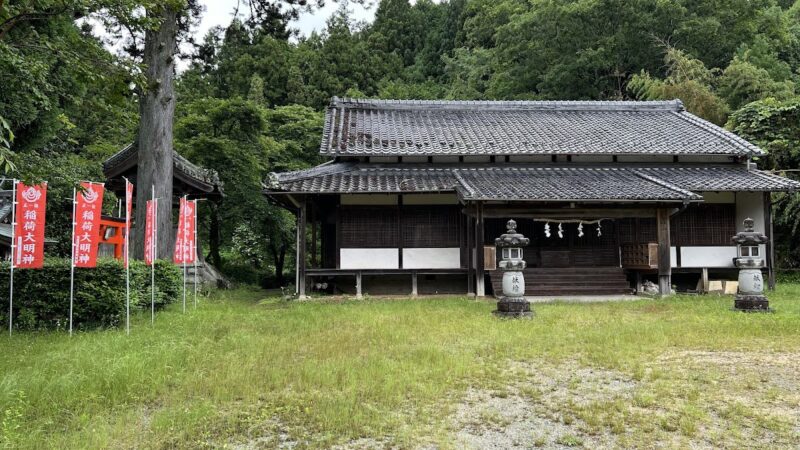
The current Takao-ji Temple is a very quiet and peaceful temple, with two small halls standing in a grove of trees. In contrast to the bustling “Takao Senken” of the past, the temple grounds are enveloped in silence, evoking a deep sense of spirituality in visitors.
Away from the hustle and bustle of the city, this place still strongly retains the atmosphere of a training ground for Shugendo (mountain asceticism), making it an ideal environment for peaceful worship.
Repository and Bell Tower
After the main hall burned down in 1999, only the repository and bell tower remain. The repository houses the aforementioned important cultural artifacts and is the most important building that tells the history of the temple.
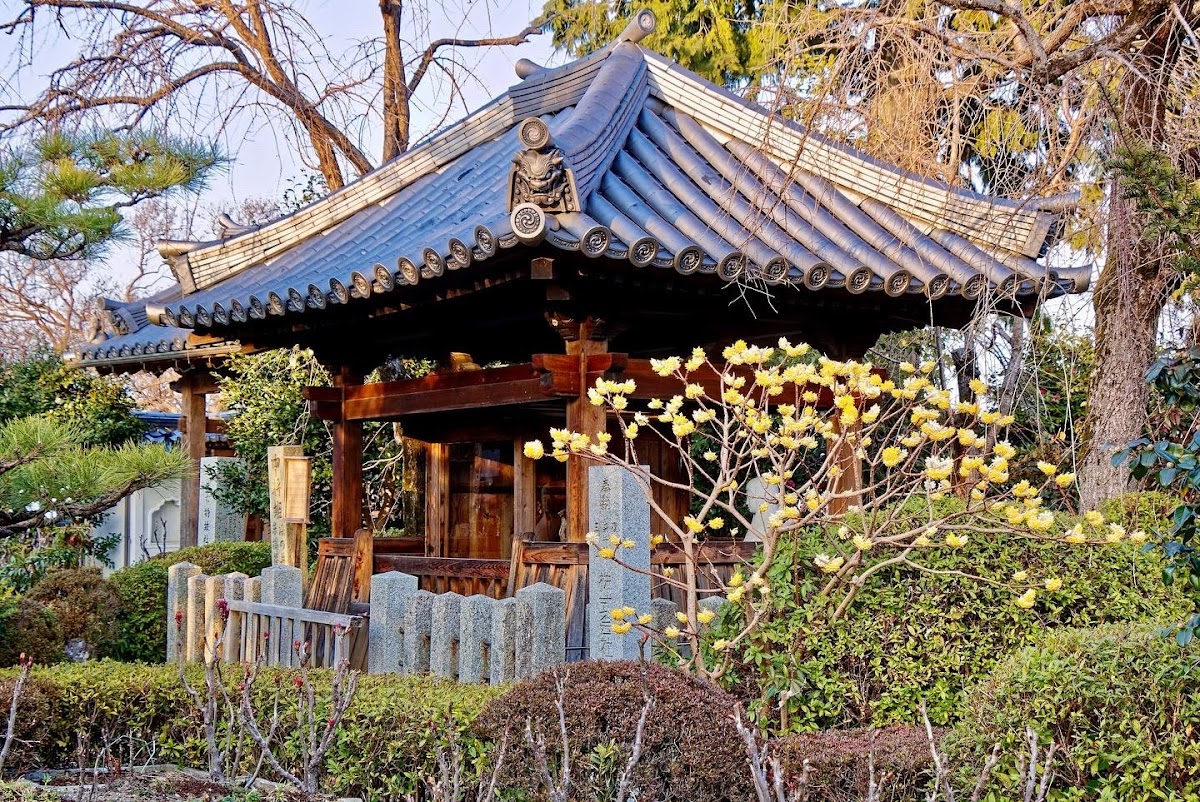
The bell tower, a symbol of the temple, still stands on the grounds, serving its role in telling time. These simple yet imposing buildings quietly convey the weight of Takao-ji Temple’s history.
Foundation Stones and Kannon Hall Ruins
Within the temple grounds, the foundation stones of the former temple complex remain, allowing us to imagine its former scale. In particular, the foundation stones of the Kannon Hall ruins are valuable relics that convey the atmosphere of the prosperous period when Takao was known as “Takao Senken” (Takao of a Thousand Houses).
By viewing these foundation stones, visitors can feel the flow of history and the transformation of the temple. This place, marked by a history of rise and fall, can be said to embody the Buddhist concept of impermanence.
Access Information
Access by Train
The nearest station to Takao-ji Temple is Taimadera Station on the Kintetsu Minami-Osaka Line. The temple is approximately a 20 to 30-minute walk from the station.
Route from Kintetsu Taimadera Station:
- Exit the station and head west.
- Pass Taimadera Temple and continue north.
- It is located just north of Taima Hospital.
Since access is on foot, we recommend wearing comfortable shoes. The route takes you through residential areas and rural landscapes, allowing you to enjoy the peaceful scenery of Nara during your visit.
Access by Car
Access by private car is possible, but we recommend checking parking availability in advance. If using a car navigation system, setting your destination to “Shinzaike, Katsuragi City, Nara Prefecture” or “Taima Hospital” is convenient.
Location
Address: 6 Shinzaike, Katsuragi City, Nara Prefecture 639-0272
Takaoji Temple is located in a quiet residential area. When visiting, please be considerate of the surrounding residents and pray quietly.
Nearby Tourist Attractions
Taima-dera Temple
Taima-dera Temple is the closest major tourist attraction to Takao-ji Temple. Known for the legend of Princess Chujo, this ancient temple is one of Nara Prefecture’s representative temples, possessing numerous cultural assets, including the national treasures East and West Pagodas.
Taima-dera Temple is located south of Takao-ji Temple and is within walking distance. Visiting both temples together will allow you to gain a deeper understanding of the Buddhist culture of the Katsuragi region.
Mount Katsuragi and Mount Kongo
The Katsuragi mountain range, the stage for Katsuragi Shugendo (mountain asceticism), is easily accessible. Combining this with hiking to Mount Katsuragi and Mount Kongo allows you to experience firsthand the mountains where En no Gyoja practiced asceticism.
Mount Katsuragi, in particular, can be reached by ropeway, and its summit offers a spectacular panoramic view of the Osaka Plain and the Kii Peninsula, making it a popular viewpoint.
Sekko-ji Temple
Sekko-ji Temple, famous for its peonies and tree peonies, is another highlight within Katsuragi City. Enjoy seasonal flowers while experiencing the Buddhist culture that has continued since ancient times.
Notes on Visiting
Reservation Required
Advance reservations are required to visit Takao-ji Temple. Especially if you wish to visit the treasure house, be sure to contact us in advance to arrange a date and time. Visiting without a reservation may result in not being able to view important cultural properties.
Visiting Etiquette
- Visit quietly and be considerate of other visitors and nearby residents.
- Obtain permission in advance before taking photographs.
- Maintain a particularly solemn attitude inside the treasure house.
- Always take your trash with you.
Dress Code
There are no specific dress code requirements, but please wear clean clothing appropriate for visiting a temple. Also, since access is on foot, comfortable shoes are recommended.
The Four Seasons of Takao-ji Temple
Spring at Takao-ji Temple
In spring, the surrounding groves of trees are enveloped in fresh greenery, allowing you to enjoy a refreshing atmosphere for your visit. Visiting in conjunction with the cherry blossoms at Taima-dera Temple is also recommended. ### Takao-ji Temple in Summer
The lush green grove of trees provides cool shade, easing the summer heat. Spending time in the tranquil temple grounds is truly special.
Takao-ji Temple in Autumn
During the autumn foliage season, the grove of trees turns a beautiful color, offering a picturesque landscape. Visiting the temple in the crisp autumn air will be a particularly memorable experience.
Takao-ji Temple in Winter
Enveloped in the silence of winter, Takao-ji Temple exudes an even more solemn atmosphere. It may be a season to feel the temple’s true essence as a place of Shugendo (mountain asceticism) training.
History and Culture of Katsuragi City
Katsuragi City, where Takao-ji Temple is located, is a region with a rich history dating back to ancient times. It was the base of the ancient Katsuragi clan and played an important role even before the establishment of the Yamato regime.
The Taima district, in particular, is a region where Buddhist culture flourished, with many temples scattered around, centered around Taima-dera Temple. Takao-ji Temple is one such important institution that has supported the region’s Buddhist culture.
Summary
Located in Shinzaike, Katsuragi City, Nara Prefecture, Takao-ji Temple is an important center of Katsuragi Shugendo, founded by En no Gyoja, and is an ancient temple that continues to protect valuable cultural properties from the Heian period. From its former prosperity, when it was known as “Takao Senken” (Takao of a Thousand Houses), to its current tranquil state after repeated fires, its history tells the story of the rise and fall of Japanese Buddhism.
As a cultural property of the Japanese Heritage site “Katsuragi Shugendo,” Takao-ji Temple conveys the history of the birthplace of Shugendo. This temple, accessible on foot from Kintetsu Taimadera Station, allows visitors to view nationally important cultural properties such as a wooden standing statue of Sho Kannon Bodhisattva and a wooden seated statue of Yakushi Nyorai from the Heian period, with prior reservation.
Visiting Takao-ji Temple in conjunction with other nearby tourist spots, including Taimadera Temple, will allow for a deeper understanding of the rich Buddhist culture and history of the Katsuragi region. The experience of encountering the atmosphere of a temple with over a thousand years of history, nestled in a tranquil grove of trees, is sure to leave a deep impression on the hearts of visitors.