Complete Guide to Takuzōsu Inari Shrine | The Legend of the Fox God and the History of Jigen-in Temple, Dating Back to the Edo Period
Nestled in a quiet residential area of Koishikawa, Bunkyo-ku, Tokyo, Takuzōsu Inari Shrine is a rare Inari shrine in Japan that enshrines a “fox god who studied Buddhism.” For approximately 400 years, since the Genna era, it has attracted the faith of people as the guardian deity of Dentsu-in Temple and the local community.
This article will provide a detailed explanation of the history, legends, blessings, and worship methods of Takuzōsu Inari Shrine, as well as its affiliated temple, Jigen-in.
What is Takuzōsu Inari Shrine? | Basic Information and Overview
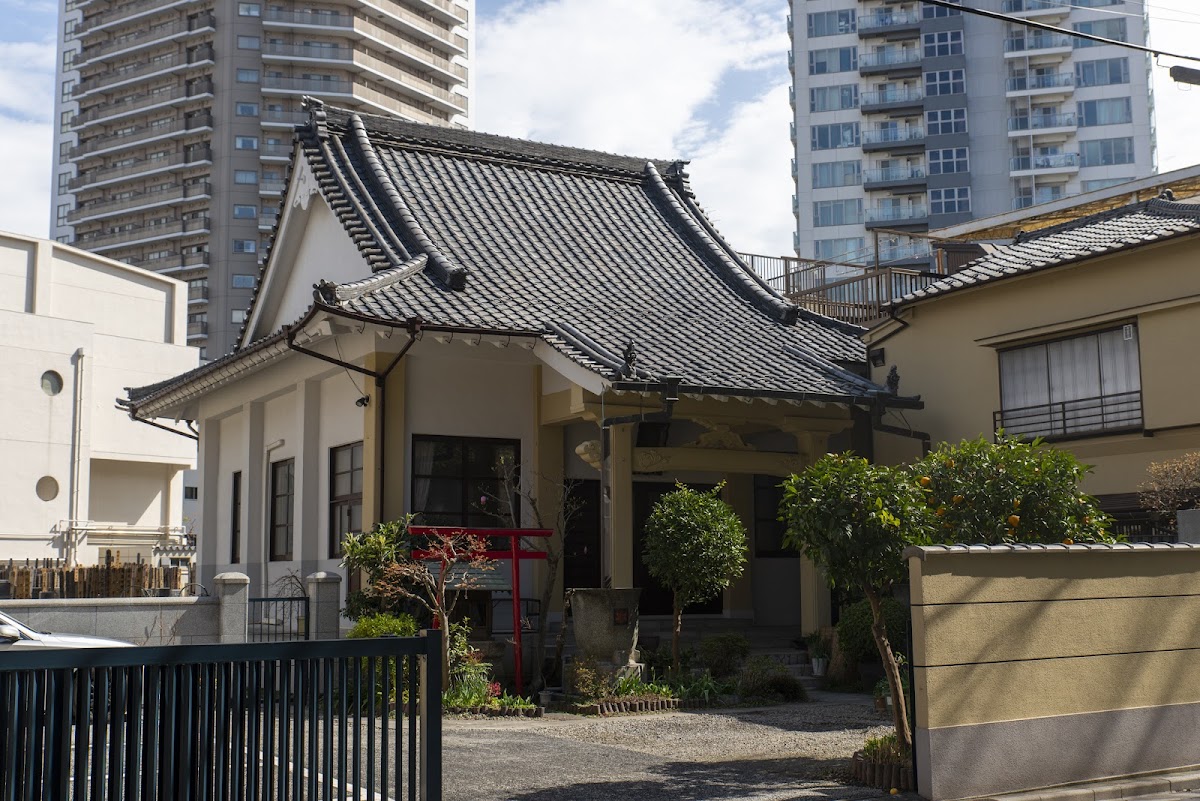
Takuzōsu Inari Shrine is an Inari shrine located in Koishikawa 3-chome, Bunkyo-ku, Tokyo. Its official name is “Takuzōsu Inari Daimyōjin.” It is managed by Jigen-in Temple, a Jōdo-shū Buddhist temple, and has the extremely rare form of a Jōdo-shū temple that also enshrines an Inari god.
Basic Data
- Location: 3-17-12 Koishikawa, Bunkyo-ku, Tokyo
- Sect: Jodo-shu (Bettō-ji Temple: Jigen-in)
- Founded: Genna 6 (1620)
- Deity Enshrined: Sawazōji Inari Daimyōjin
- Principal Image: Sawazōji Eleven-faced Kannon Bodhisattva
- Access: 10-minute walk from Korakuen Station (Tokyo Metro Marunouchi Line/Namboku Line), 8-minute walk from Kasuga Station (Toei Mita Line/Oedo Line)
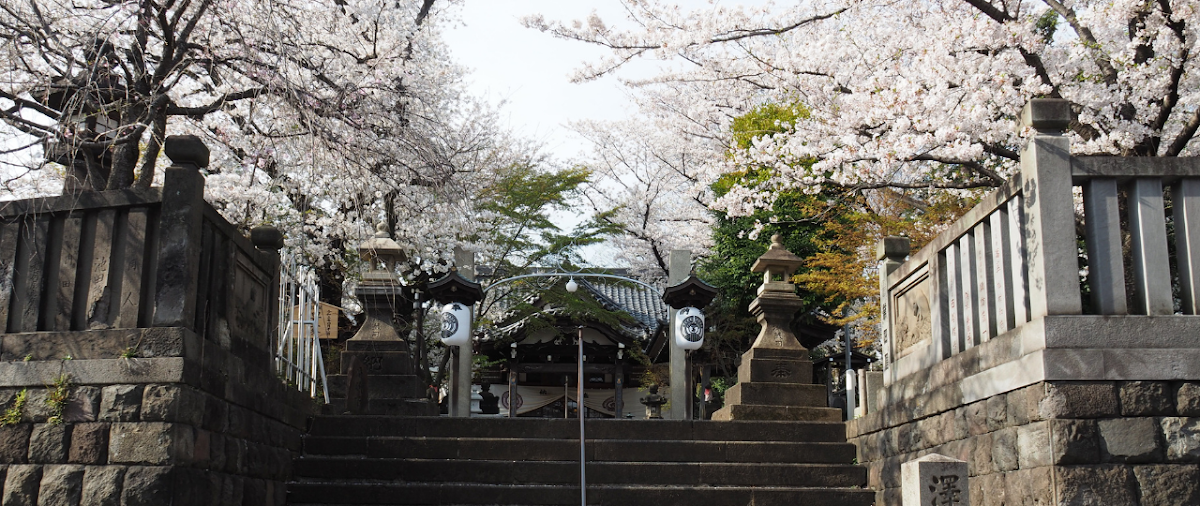
The temple grounds are surrounded by a sacred grove, making it a valuable space that retains the atmosphere of the Edo period despite being in the heart of the city.
Origin and History of Sawazōji Inari | Deep Relationship with Dentsu-in Temple
The history of Sawazōji Inari is inseparable from that of Dentsu-in Temple, a famous temple associated with the Tokugawa family. The temple’s founding is linked to a mysterious event in the early Edo period.
Dentsu-in Temple and the Eighteen Danrin of Kanto
Dentu-in Temple is a renowned Jodo sect temple known as the family temple of Oda-no-kata (Dentu-in-dono), the mother of Tokugawa Ieyasu. During the Edo period, it served as one of the “Eighteen Danrin of Kanto,” a center of learning where outstanding monks gathered from all over the country. Danrin are educational institutions for studying Buddhist doctrines and scholarship, and Dentsu-in flourished as a center of Jodo sect learning.
Founded in the Genna Era
Sawazoji Inari Shrine was established in Genna 6 (1620). The first restorer of Dentsu-in Temple, Shoyo Kakuzan Shonin, enshrined the Sawazoji Eleven-Faced Kannon Bodhisattva at its current location, and at the same time, Jigen-in Temple was founded as its affiliated temple.
Jigen-in, as a sub-temple of Dentsu-in, was given the role of managing and performing rituals for Sawazoji Inari, and has continued to fulfill this role for over 400 years.
The Miraculous Signs of Sawazoji as Told in the “Origin Story” | The Tale of the Fox God Disguised as a Monk
The most distinctive feature of Sawazoji Inari is the mysterious legend surrounding its founding. This story has been passed down to the present day as the “Sawazoji Inari Origin Story.”
An Outstanding Monk Appears in the Dormitory
In 1618 (Genna 4), a monk entered the dormitory of Dentsu-in. He introduced himself as Sawazoji and requested to study the teachings of the Jodo sect.
Sawazoji was an exceptionally talented scholar, quickly understanding even complex Buddhist doctrines, and mastering the profound teachings of the Jodo sect in just three years. His talent astonished the other trainee monks. ### A Confession in the Dormitory Head’s Dream
One night, Sawazouji appeared in the dormitory head’s dream. He confessed the following:
“In truth, I am Inari Daimyojin, enshrined within Chiyoda Castle. I have long harbored a desire to study Buddhism, and have been training at this dormitory in human form. My long-held wish has finally been granted, and now it is time for me to return to my original divine form. However, I am deeply grateful for the lessons I received at Dentsu-in Temple, and I wish to repay this debt by protecting this temple for a long time to come.”
After saying this, Sawazouji disappeared into the dawn clouds.
Establishment of the Inari Shrine
The next morning, the dormitory head awoke from his dream and visited Sawazouji’s room, but he was nowhere to be found. When he reported this mysterious event to the head priest of Dentsu-in Temple, the priest praised Sawazouji’s virtue and sincere attitude towards learning, and decided to establish the Sawazouji Inari Shrine on the temple grounds. Thus, in 1620 (Genna 6), Sawazoji Inari Daimyojin was officially enshrined.
The Origin of Sawazoji: Invitation to Chiyoda Castle by Ota Dokan
The history of Sawazoji Inari is actually even older than that of Dentsuin Temple, dating back to the Muromachi period.
Chiyoda Castle and Ota Dokan
Ota Dokan (1432-1486) was a samurai of the late Muromachi period, known as the builder of Edo Castle (Chiyoda Castle). A renowned general skilled in both military and literary arts, Dokan invited Inari as the guardian deity of the castle. This Inari deity is believed to be the same deity later known as Sawazoji.
From Edo Castle to Dentsu-in Temple
The Inari deity, originally enshrined at Chiyoda Castle, remained within Edo Castle for much of its history. However, according to legend, during the Genna era (1615-1624), it appeared in human form at Dentsu-in Temple to study Buddhism.
This legend has led to Sawazoji Inari being revered not merely as a local guardian deity, but as a historically significant deity with deep ties to Edo Castle and, by extension, the Tokugawa family.
The History and Role of the Betto-ji Temple, Jigen-in
The existence of Jigen-in Temple, its betto-ji temple, is indispensable when discussing Sawazoji Inari.
The Founding of Jigen-in Temple
Jigen-in Temple, formally known as “Jodo-shu Muryozan Jigen-in,” was founded in 1620 (Genna 6) as a sub-temple of Dentsu-in Temple. Its founder was Shoyo Kakuzan Shonin, the first restorer of Dentsu-in Temple.
A sub-temple is a small temple built within or around the grounds of a larger temple, and it is responsible for a specific role. In the case of Jigen-in, it was given the role of the betto-ji (administrative temple) of Sawazoji Inari, meaning it was responsible for managing the shrine and performing rituals.
The Betto-ji System and Shinto-Buddhist Syncretism
The betto-ji system is a system in which Buddhist temples manage shrines and perform rituals based on the syncretic beliefs of Shinto and Buddhism. This was a widely seen form throughout Japan until the Meiji-era separation of Shinto and Buddhism.
The relationship between Sawazoji Inari and Jigen-in continued even after the Meiji-era separation of Shinto and Buddhism, and Jigen-in still manages the Inari shrine today. The form of a Jodo-shu temple enshrining Inari is extremely rare nationwide, and it preserves a valuable tradition of Shinto-Buddhist syncretism.
Principal Image: Sawazoji Eleven-Faced Kannon Bodhisattva
The principal image of Jigen-in is the “Sawazoji Eleven-Faced Kannon Bodhisattva.” This Kannon statue is considered the honji-butsu (the original form of the god) of Sawazoji Inari Daimyojin, and Inari-sama and Kannon Bodhisattva are worshipped as one entity.
This honji suijaku thought (the idea that gods are temporary manifestations of Buddhas to save sentient beings) is a typical example of Shinto-Buddhist syncretism.
The Deep Connection Between Sawazoji and Soba | A Tradition of Offerings That Continues Today
Sawazoji Inari has an interesting legend related to soba noodles.
The Monk Who Visited a Soba Shop Every Day
Sawazoji, who was training at the Dentsu-in temple’s dormitory, is said to have visited a nearby soba shop almost every day. It’s a very human anecdote that he enjoyed eating soba noodles while diligently pursuing his studies.
Daily Offerings from Mansei
Near the entrance to Dentsu-in temple is a long-established soba restaurant called “Mansei.” This restaurant is a renowned establishment dating back to the Edo period, and is said to be a descendant of the soba restaurant that Sawazouji frequented.
Even today, Mansho continues the tradition of offering freshly boiled soba noodles to Sawazouji Inari Shrine every day. This tradition has been preserved for hundreds of years, and it is a valuable custom that conveys the deep connection between Sawazouji and soba noodles.
As a Soba-Loving Fox God
The approachable image of a “soba-loving fox god” is one of the major characteristics of Sawazouji Inari Shrine. While revered as a god of learning, the shrine has also been worshipped as a familiar and approachable presence, largely influenced by these soba-related anecdotes.
Highlights of the Shrine Grounds | The Sacred Cave and Inari Statues
There are several noteworthy sights within the grounds of Sawazouji Inari Shrine.
The Sacred Cave
Within the grounds is a cave-like shrine called “Reikutsu Oana” (Sacred Cave). This is considered a sacred place for the Inari god and has been an object of worship since ancient times.
During the Edo period, such “Oana-sama” (sacred caves) were widely revered as places of great spiritual power, attracting many worshippers. The sacred cave at Sawazoji Inari Shrine is also an important place of worship with a mystical atmosphere.
Numerous Inari Statues
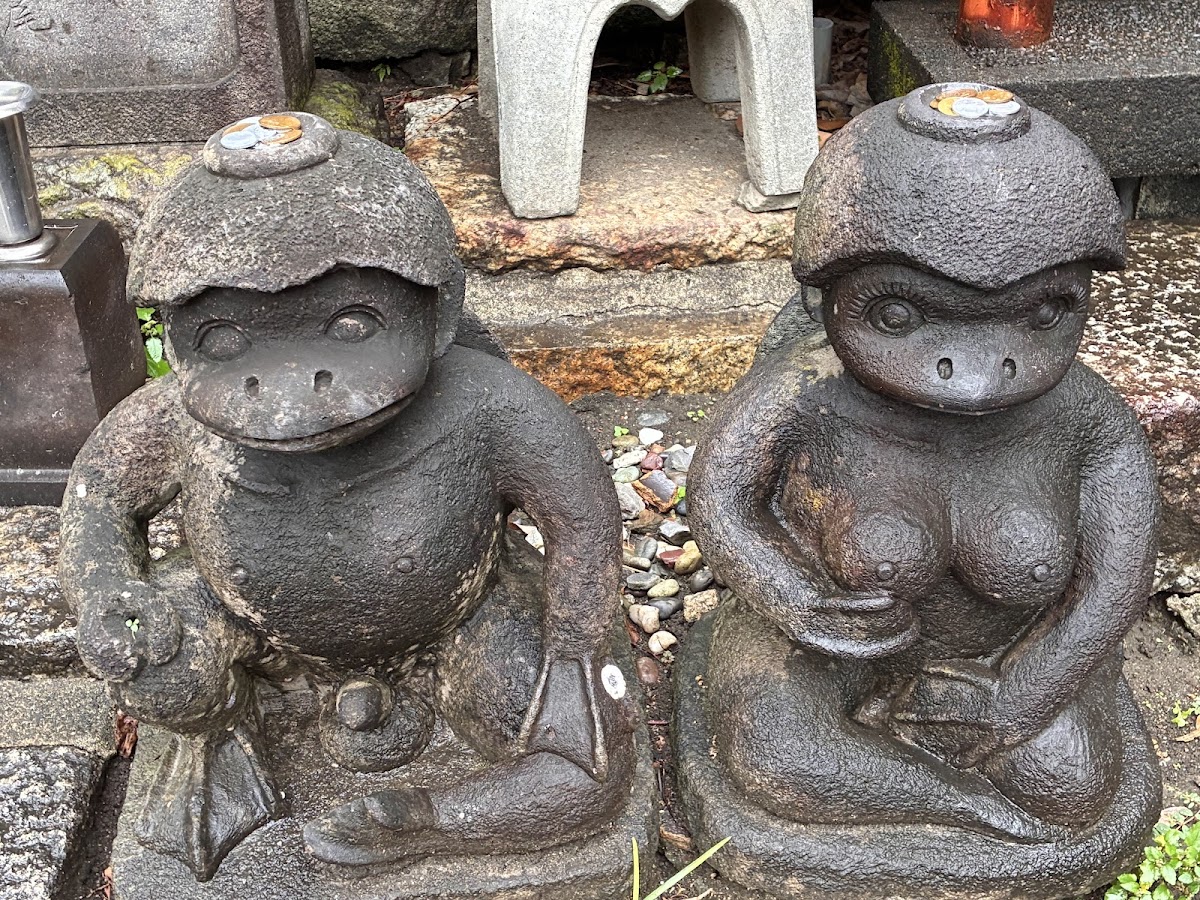
Many Inari statues are enshrined within the shrine grounds. Not all of these statues were originally dedicated to Sawazoji Inari Shrine.
Many Inari statues that lost their shrines due to urban redevelopment and other factors have been enshrined here. Sawazoji Inari Shrine also serves as a haven for these “gods who have lost their homes,” making it a compassionate place of worship.
Guardian Grove
The shrine grounds are surrounded by a lush forest, forming a guardian grove. Having escaped destruction during World War II, this grove, despite being in the heart of the city, retains the atmosphere of the Edo period, making it a valuable green space.
Koishikawa is located on a slope where the Musashino Plateau descends towards Kanda, possessing a unique topography where hillside and downtown areas coexist. This topography, combined with the surrounding landscape, creates a tranquil and sacred atmosphere within the shrine grounds.
Benefits and Faith of Sawazoji Inari Shrine
Sawazoji Inari Shrine has been revered for its various blessings.
Academic Success and Passing Exams
Due to the legend that Sawazoji was an outstanding scholar-monk who mastered the profound teachings of Jodo Buddhism in just three years, the shrine is believed to grant blessings for academic success and passing exams. It is particularly revered by students and those dedicated to their studies, attracting many visitors.
Business Prosperity and Abundant Harvest
The shrine is also popular for its blessings of business prosperity and abundant harvests, which are the original benefits of Inari. Records show that it was particularly revered by merchants in the Nihonbashi and Kanda areas, and farmers in the Itabashi and Nerima areas, since the Edo period.
As the Guardian Deity of Dentsu-in Temple
Sawazoji Inari Shrine serves as the guardian deity of Dentsu-in Temple, protecting both the temple and the surrounding community. It is also revered as the local tutelary shrine, attracting a constant stream of worshippers praying for peace and prosperity in the region.
Protection from Evil and Good Fortune
The spiritual power of the Inari deity is believed to offer protection from evil and good fortune. Many people visit the shrine during life’s turning points and difficult times.
The Land of Koishikawa | A Town Loved by Literary Figures
Koishikawa, where Sawazoji Inari Shrine is located, has been a beloved place for many cultural figures since the Edo period.
Footprints of Literary Masters
Records remain of many of Japan’s leading literary figures, such as Natsume Soseki, Ishikawa Takuboku, Kikuchi Kan, Higuchi Ichiyo, Nagai Kafu, Hayashi Fumiko, and Shiga Naoya, having lived or strolled through the area.
Kenji Miyazawa and the poet Akahiko Shimaki also resided in Koishikawa. It is known that the family of Rohan Koda, Aya Koda, and Tama Aoki lived next to Sawazoji Inari Shrine.
Playwright Fumiko Enchi, philosopher Tetsujiro Inoue, and writer Hiroshi Noma also had former residences in the same neighborhood as Sawazoji Inari Shrine.
Matsuo Basho and Sawazoji Inari Shrine
Records show that approximately 330 years ago, while working on the construction of the Kanda Aqueduct, Matsuo Basho composed a haiku upon seeing the sacred grove of Sawazoji Inari Shrine. It is a historical place visited by the great haiku poet of the Edo period.
Temple District Centered Around Dentsuin Temple
Koishikawa, centered around Dentsuin Temple, which has ties to the Tokugawa family, is a temple district with many shrines and temples. Sawazoji Inari Shrine occupies a corner of this area, making it a valuable area where one can experience the atmosphere of the Edo period despite being in the heart of the city. ## Visitor Information | Access and Points to Note
For those planning a visit to Sawazoji Inari Shrine, we provide access information and points to note.
Access Methods
Access by Train
- Approximately 10 minutes on foot from Korakuen Station (Tokyo Metro Marunouchi Line/Namboku Line)
- Approximately 8 minutes on foot from Kasuga Station (Toei Mita Line/Oedo Line)
- Approximately 12 minutes on foot from Iidabashi Station (Tokyo Metro Yurakucho Line/Namboku Line, Toei Oedo Line)
Access by Bus
- Approximately 3 minutes on foot from the Dentsuin-mae bus stop (Toei Bus)
Located in a convenient central Tokyo area, it is accessible from multiple train lines.
Visiting Hours
The shrine grounds are generally open during the day. However, the reception hours for the shrine office may be limited, so it is recommended to check in advance if you wish to obtain a Goshuin (shrine stamp) or amulet.
Manners for Visiting
Due to its unique form as an Inari shrine located within the grounds of a Jodo sect temple, it possesses elements of both a Shinto shrine and a Buddhist temple. Please follow general shrine visiting etiquette and visit with reverence.
Annual Events
Sawazoji Inari Shrine holds traditional Inari shrine festivals, including the Hatsuumasai (First Horse Day Festival). It is particularly bustling with many visitors during the Hatsuumasai period.
Goshuin (Shrine Seals) and Souvenirs
At Sawazoji Inari Shrine, you can receive a goshuin as a memento of your visit.
Goshuin (Shrine Seals)
Goshuin are available at the Jigen-in temple office. The goshuin, with its calligraphy and red seal of “Sawazoji Inari,” is a precious memento of your visit. Please bring your goshuincho (seal book) with you.
Amulets and Souvenirs
Amulets are available for various blessings, such as academic success, business prosperity, and protection from evil. In particular, amulets for academic success are popular with students taking exams and their families.
Nearby Attractions | Dentsuin Temple and Koishikawa Walk
When visiting Sawazoji Inari Shrine, we recommend also visiting the surrounding attractions.
Dentsuin Temple
Located a few minutes’ walk from Sawazoji Inari Shrine, Dentsuin Temple is a renowned temple known as the family temple of Oda-no-kata, the mother of Tokugawa Ieyasu. As a temple associated with the Tokugawa family, it houses many historically valuable buildings and tombs.
Koishikawa Korakuen Garden
Koishikawa Korakuen Garden, built as the garden of the Mito Tokugawa family, is a Japanese garden designated as a National Special Historic Site and Special Place of Scenic Beauty. You can enjoy the beautiful scenery of each season.
Temples and Shrines in Bunkyo Ward
Besides Sawazoji Inari Shrine, there are many other historical temples and shrines around Koishikawa. Bunkyo Ward is a culturally rich area, often called “Fumi no Miyako” (City of Literature), and is an ideal area for visiting temples and shrines.
Summary | The Charm of Sawazoji Inari Shrine
Sawazoji Inari Shrine is an Inari shrine with a unique origin story: a fox deity who studied Buddhism. Its story, beginning with Ota Dokan’s enshrinement at Chiyoda Castle, and continuing through training at Dentsu-in Temple during the Genna era before being enshrined as a guardian deity, is a valuable cultural heritage that conveys the tradition of syncretism of Shinto and Buddhism and the history of Edo.
While worshipped as a god of learning and business prosperity, Sawazoji Inari also has a relatable anecdote: a love of soba noodles. Together with its affiliated temple, Jigen-in, it has a history of over 400 years, continuing to provide a tranquil place of worship amidst the hustle and bustle of the city center.
Sawazoji Inari Shrine, located in Koishikawa, a place beloved by literary giants, offers a serene atmosphere for worshippers to experience the charm of the Edo period. Its history, legends, and the continuing faith it embodies today are sure to deeply move visitors.
For students praying for academic success, merchants praying for business prosperity, and anyone interested in history and culture, Sawazoji Inari is a special place well worth visiting.