Ten’eki Shrine (Kokurakita Ward & Kokuraminami Ward, Kitakyushu City, Fukuoka Prefecture) Complete Guide | Thorough Explanation of Deities, Goshuin (Shrine Seals), Access, and Highlights
There are several “Ten’eki Shrines” in Kitakyushu City, Fukuoka Prefecture, each an important shrine that conveys the history and beliefs of the region. This article provides detailed information useful for visiting the Ten’eki Shrines located in Kokurakita Ward and Kokuraminami Ward, including the deities enshrined, history, goshuin (shrine seals), highlights of the grounds, and access methods.
What is a Ten’eki Shrine? Origin of the Name and Historical Background
Ten’eki Shrines are shrines established in various locations to pray for the eradication of epidemics. The name “Ten’eki” means protection from epidemics and disasters that fall from the heavens, and since ancient times, they have been cherished as places of worship protecting people’s health and peace.
There are several Ten’eki Shrines in Kitakyushu City, each with its own unique history and regional characteristics. Especially from the Edo period to the Meiji period, many of these shrines were founded and maintained by local residents during epidemics, and they have functioned as spiritual pillars of the local community.
Belief in the Extermination of Epidemics and Susanoo-no-Mikoto
Many Ten’eki Shrines enshrine Susanoo-no-Mikoto, known as the god who exterminates epidemics. In Japanese mythology, Susanoo-no-Mikoto is a heroic god who defeated the Yamata no Orochi (eight-headed serpent), and his powerful divine authority has been believed to ward off disasters.
List and Locations of Ten’eki Shrines in Kitakyushu City
The following are some of the main Ten’eki Shrines in Kitakyushu City. Each is located in a different area and attracts the faith of local residents.
Ten’eki Shrine (Kitagata, Kokura Minami Ward)
Location: 1-7-11 Kitagata, Kokura Minami Ward, Kitakyushu City, Fukuoka Prefecture
Located about 5-6 minutes on foot from Kitagata Station, this shrine is easily accessible. Quietly nestled in a residential area, it is cherished as the local guardian deity.
Ten’eki Shrine (Shimojono, Kokura Minami Ward) Toishiyama Ten’eki Shrine
Location: 2-13-2 Shimojono, Kokura Minami Ward, Kitakyushu City, Fukuoka Prefecture
This historical shrine is located in the core area of the Toishiyama Kofun Cluster. Ruins from the Kofun period are scattered around, indicating that this area has been important since ancient times. It has a spacious grounds and parking area, making it easily accessible for worshippers.
Ten’eki Shrine (Shindoji, Kokura Minami Ward)
Location: Near Shindoji, Kokura Minami Ward, Kitakyushu City, Fukuoka Prefecture
This small shrine is quietly nestled among rice paddies and houses. A stream flows nearby, preserving the charm of a former rural landscape. It is a hidden gem of a shrine, offering a peaceful atmosphere and a sense of tranquility to visitors.
Ten’eki Shrine (Kamitozu, Kokurakita Ward)
Location: 1-8 Kamitozu, Kokurakita Ward, Kitakyushu City, Fukuoka Prefecture
Ten’eki Shrine, located in Kokurakita Ward, is an officially registered shrine with the Fukuoka Prefectural Shrine Association.
Deities and Divine Virtues
The main deity enshrined at Ten’eki Shrine is Susanoo-no-Mikoto. Susanoo-no-Mikoto is believed to possess the following divine virtues:
Protection from Epidemics and Misfortune
The most important divine virtue is protection from epidemics. Since ancient times, it has been believed that praying to Susanoo-no-Mikoto would ward off disease. Even today, visitors come to pray for good health and recovery from illness.
Protection from Disaster and Good Fortune
Susanoo-no-Mikoto, possessing powerful divine authority, is believed to have the power to protect people from all kinds of disasters. The shrine offers a wide range of divine blessings, including traffic safety, family safety, and business prosperity.
Matchmaking and Marital Harmony
Susanoo-no-Mikoto is also the god who married Kushinada-hime-no-Mikoto, and is therefore believed to grant blessings for successful relationships and marital harmony.
Highlights and Features of the Shrine Grounds
Each Ten’eki Shrine has its own unique highlights.
Main Hall and Worship Hall
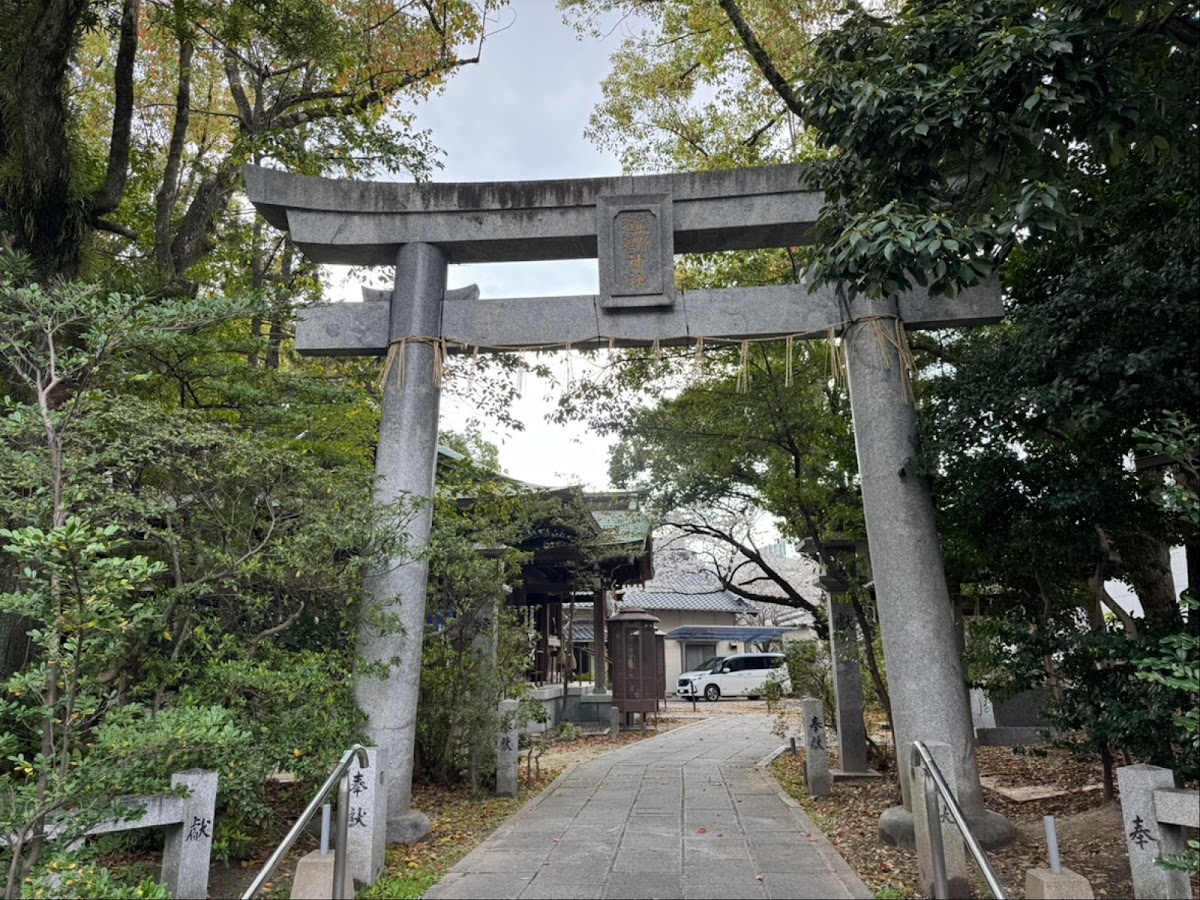
Each shrine maintains traditional shrine architecture, with wooden main halls and worship halls welcoming visitors. Toishiyama Ten’eki Shrine, in particular, boasts spacious grounds, allowing for a relaxed and peaceful visit.
Sacred Trees
Some shrines have ancient sacred trees within their grounds. Ginkgo trees, in particular, display beautiful yellow foliage in autumn, further enhancing the sacred atmosphere of the shrine. It is believed that gods reside in these sacred trees, and there is a belief that touching them will grant divine blessings.
Komainu (Guardian Dogs)
The komainu, positioned as guardians of the shrine, possess a dignified appearance that reflects its age. A pair of A-gyo (open-mouthed) and Un-gyo (closed-mouthed) komainu stand together, warding off evil spirits and protecting the sacred grounds.
Temizuya (Water Basin)
A temizuya is also provided for purifying the body and mind before worship. The stone water basin has a dignified, historical feel, allowing visitors to carefully cleanse their hands and mouths before praying.
Subsidiary Shrines and Stone Monuments
Some shrines have small subsidiary shrines and stone monuments in addition to the main hall. These are preserved as valuable cultural assets that tell the story of the region’s history and the evolution of its beliefs.
Goshuin (Shrine Seal) Information
Regarding the issuance of goshuin at Ten’eki Shrine, the policy varies depending on the shrine.
Regarding the Issuance of Goshuin
Small shrines may not have resident priests, and therefore may not offer goshuin. If you wish to receive a Goshuin (temple/shrine stamp), it is recommended that you contact the Fukuoka Prefectural Shrine Association or the relevant shrine in advance.
Some visitors have reported receiving Goshuin, but there may be limitations on the date and conditions. If you are bringing a Goshuin book, it is advisable to check the availability of a Goshuin office before planning your visit.
The Significance of Goshuin
Goshuin are not merely commemorative stamps; they are sacred items bestowed by shrines as proof of your visit. When receiving a Goshuin, it is important to first complete your prayers respectfully and then receive it with gratitude.
Access and Parking Information
Detailed access information for each Ten’eki Shrine is provided below.
Access to Ten’eki Shrine (Kitagata, Kokura Minami Ward)
Access by Train:
- Approximately 5-6 minutes on foot (approx. 400-500m) from Kitakyushu Monorail “Kitagata Station”
- Approximately 11 minutes on foot (approx. 850m) from “Keibajo-mae Station”
Access by Car:
- Approximately 10 minutes from Kitakyushu Urban Expressway “Adachi IC”
- Advance confirmation of parking space is recommended
Access to Ten’eki Shrine (Shimojono, Toishiyama, Kokura Minami Ward)
Access by Train:
- Approximately 10 minutes by car from JR Nippo Main Line “Shimosone Station”
- Approximately 15 minutes by car from Kitakyushu Monorail “Tokuriki Kodan-mae Station”
Access by Car:
- Approximately 15 minutes from Kitakyushu Urban Expressway “Yamaji IC”
- Parking available (the shrine grounds are spacious)
Access to Ten’eki Shrine (Shindoji, Kokura Minami-ku)
Convenient access by car:
- Located in a residential area of Shindoji
- Access by public transport is inconvenient, so visiting by car is recommended.
Access to Ten’eki Shrine (Kamitozu, Kokura Kita-ku)
Access by train:
- Approximately 20 minutes on foot from JR Kagoshima Main Line “Minami Kokura Station”
- Approximately 5 minutes on foot from Nishitetsu Bus “Kamitozu” bus stop
Access by car:
- Approximately 15 minutes from Kitakyushu Urban Expressway “Kurosaki IC”
Etiquette and Manners for Visiting Shrines
By observing basic etiquette when visiting a shrine, you can have a more heartfelt visit.
How to Pass Through a Torii Gate
A torii gate is the boundary separating the sacred area from the secular world. Before passing through the torii gate, bow to show respect for entering the sacred area. The center of the approach to a shrine is considered the path for the gods, so it is considered polite to walk along the sides.
Proper Ritual for Washing Hands
- Hold the ladle in your right hand and wash your left hand.
- Switch the ladle to your left hand and wash your right hand.
- Hold the ladle in your right hand again, receive water in your left hand, and rinse your mouth.
- Wash your left hand once more.
- Hold the ladle upright, let the water flow down the handle, and return it to its original place.
Proper Ritual for Worshiping at the Main Hall
- Bow slightly before the offering box.
- Gently place your offering (do not throw it in).
- If there is a bell, ring it.
- Perform the two bows, two claps, one bow ritual.
- Bow deeply twice.
- Clap your hands twice at chest height.
- Pray with all your heart.
- Finally, bow deeply once.
Annual Events and Festivals
At Ten’eki Shrine, annual events based on local traditions are held.
Annual Festival
Each shrine holds an annual festival where local residents gather to offer thanks to the gods. The dates of the festivals vary by shrine, so it’s recommended to check in advance if you wish to participate.
New Year’s Visit
At the start of the new year, worshippers visit the shrine for their first shrine visit of the year, praying for health and happiness throughout the year. Despite being a small shrine, it’s an essential spot for local residents to visit for their first shrine visit of the year.
Summer Purification Ceremony (Nagoshi no Harae)
Held from the end of June to the beginning of July, the Summer Purification Ceremony is a Shinto ritual to purify oneself of the impurities accumulated over the past six months and pray for good health and protection from illness for the remaining half of the year. Some shrines also hold a ritual involving passing through a ring of reeds.
Shrines to Visit Alongside Nearby Tourist Attractions
After visiting Ten’eki Shrine, consider visiting some of the nearby tourist attractions.
Itozu no Mori Park
Located near Ten’eki Shrine in Kokurakita Ward, this zoo is a popular spot for families. You can interact with animals in a rich natural environment.
Kokura Castle
Kokura Castle, a representative tourist attraction of Kitakyushu City, boasts magnificent views from its keep and is a must-see spot for history buffs.
Shinozaki Hachiman Shrine
This ancient shrine, located in Shinozaki, Kokura Kita Ward, is often visited in conjunction with Ten’eki Shrine. Its impressive shrine buildings and the atmosphere of its grounds are its main attractions.
Toishiyama Kofun Cluster
Numerous ancient burial mounds are scattered around Toishiyama Ten’eki Shrine, allowing visitors to experience the romance of ancient history. This area is perfect for enjoying a historical stroll.
The Charm and Significance of Visiting Ten’eki Shrine
Ten’eki Shrine is a community-oriented shrine with a quiet and peaceful atmosphere, unlike large, well-known shrines. Its charm lies in the following points:
A Faith Rooted in the Community
This shrine has been protected by local residents for generations and functions as a spiritual pillar of the community. It is a precious place where you can escape the hustle and bustle of a big city and offer prayers in peace.
Historical Value
This shrine was born from the earnest wish to ward off disease, and it holds cultural value as a cultural asset that conveys the faith and lifestyle of the people of that time.
Harmony with Nature
The shrine grounds are surrounded by nature, allowing visitors to experience the beauty of the four seasons. In particular, the Ten’eki Shrine in Shindoji stands amidst a rural landscape, evoking a sense of Japan’s original scenery.
Peace of Mind
Taking time to quietly contemplate the deities, away from the stresses of modern society, brings peace of mind. As a deity that wards off disease, it continues to attract worshippers praying for good health.
Shrine Pilgrimage in the Kitakyushu Area
The Kitakyushu area, including the Ten’eki Shrine, is dotted with many historical shrines.
Major Shrines in Kitakyushu City
- Yasaka Shrine: Located in the heart of Kokurakita Ward, known as a shrine of Gion faith.
- Wakame Shrine: Situated in a scenic spot overlooking the Kanmon Strait, it has a unique faith that incorporates the ebb and flow of the tides into its rituals.
- Adachiyama Myoken-gu: A sacred site of Myoken faith located on Mount Adachi in Kokurakita Ward.
- Kifune Shrine: Multiple shrines located in Kokuraminami Ward, worshipped as the god of water.
Recommendation for Shrine Pilgrimage
Visiting multiple shrines (“shrine pilgrimage”) allows for a deeper understanding and appreciation by learning about the unique characteristics and history of each shrine. A trip to experience Kitakyushu’s history and culture while enjoying collecting Goshuin (shrine stamps) is highly recommended.
Precautions When Visiting
Here are some points to note when visiting Ten’eki Shrine.
Attire and Items to Bring
- Please wear clean clothing appropriate for visiting a shrine.
- Insect repellent spray is useful during the summer months.
- If you wish to receive a Goshuin (shrine stamp), please bring your Goshuincho (stamp book).
Photography Etiquette
- Photography is generally permitted on the shrine grounds, but please refrain from taking photos inside the main hall or during Shinto rituals.
- Please be considerate of other worshippers.
- When posting on social media, please be mindful of expressions that do not detract from the sacredness of the shrine.
Considerations Unique to Small Shrines
- Since there may not be a resident Shinto priest, please check the emergency contact information.
- Cleaning and maintenance of the shrine grounds may be carried out by local volunteers. Please visit with gratitude.
- Please take your trash with you and keep the shrine grounds clean.
Contact Information for Ten’eki Shrine
For detailed information about Ten’eki Shrine, including Goshuin issuance and festival dates, please contact the following:
Fukuoka Prefecture Shrine Association, Kitakyushu Branch
- Provides comprehensive information about shrines in Kitakyushu City.
- Provides contact information and festival dates for each shrine.
Local Shrine Representatives
- In some areas, shrine representatives are responsible for managing the shrine.
- You may be able to get contact information by asking local residents.
Summary: Find Peace of Mind at Ten’eki Shrine
Ten’eki Shrine in Kitakyushu City, Fukuoka Prefecture, is a historical shrine born from prayers for the eradication of epidemics. Multiple shrines are located in Kokurakita and Kokuraminami wards, each carefully preserved as a center of local faith.
With Susanoo-no-Mikoto as its enshrined deity, it continues to receive many people’s wishes for health, protection from evil, and warding off disasters. The quiet and peaceful grounds are an ideal place for visitors seeking peace of mind.
Ten’eki Shrine possesses a simple charm rooted in the local community, unlike large-scale tourist shrines. When you visit Kitakyushu, be sure to stop by. The time spent praying to the gods who ward off disease and wishing for good health will surely be a memorable experience.
Please check the access methods, goshuin (temple/shrine stamp) information, and visiting etiquette for each shrine in advance to enjoy a fulfilling visit. We hope that Ten’eki Shrine will bring peace to your heart.