Ameyorozu Shrine (Tottori Prefecture) Complete Guide: History, Deities, Access, and Visiting Information
Ameyorozu Shrine, located in Tenjinbara, Kawara-cho, Tottori City, Tottori Prefecture, is a historically significant shrine founded in 1312. It was established by inviting the deity from Ise Grand Shrine and has served as a center of local faith for over 700 years. This article provides a detailed overview of Ameyorozu Shrine, including its history, enshrined deities, highlights within the grounds, and visiting information.
History and Origins of Ameyorozu Shrine
Founding History
Ameyorozu Shrine was founded in November 1312 by Shinkinari, a local powerful figure. It is said that Shin Kisei deeply revered the Ise Grand Shrine and enshrined it within the grounds of his former tutelary shrine, Kumano Gongen (the current shrine grounds).
From its inception, the shrine enjoyed deep local devotion and flourished as a place of worship for many. However, records indicate that it gradually declined after the downfall of the Shin family.
Development during the Edo Period
During the Edo period, the shrine received land grants of 3 sho 3 go from the former feudal lord and received protection from the domain. During this time, it was known as “Taishingu” or “Amaterasu Omikami-gu” and functioned as an important place of worship for the region.
Changes and Renaming during the Meiji Era
In the early Meiji period, the shrine underwent significant changes with the establishment of the shrine system. The shrine merged the several subsidiary shrines within its grounds: Saigu Daimyojin (enshrining Yamato-hime no Mikoto, Shinagatsuhiko no Mikoto, Shinagatsuhime no Mikoto, Ninigi no Mikoto, and Konohanasakuya-hime no Mikoto), Kojin-gu (enshrining Susanoo no Mikoto), and Kumano Yakushi (enshrining Sukunahikona no Kami), along with the Inari Daimyojin (enshrining Ukanomitama no Mikoto, Wakumusubi no Mikoto, and Ukemochi no Mikoto), a subsidiary shrine within the village.
This merger led to the shrine being renamed “Tenman Shrine,” after the local place name, which became its current name. The name “Tenman” is believed to have been chosen to signify a shrine that enshrines many deities.
About the Enshrined Deities
As a result of the merger, Tenman Shrine enshrines many deities.
Main Deity
Amaterasu Omikami
The main deity of Ise Grand Shrine and the supreme deity in Japanese mythology. A deified representation of the sun, she is revered as the ancestral deity of the Imperial Family.
Enshrined Deities
Yamato Hime no Mikoto
An imperial princess who served as Amaterasu Omikami’s representative and contributed greatly to the founding of Ise Grand Shrine.
Shinagatsuhiko no Mikoto and Shinagatsuhime no Mikoto
Known as gods of wind, they preside over bountiful harvests and safe voyages.
Ninigi no Mikoto
The grandson of Amaterasu Omikami and the protagonist of the Tenson Kōrin (descent of the heavenly grandchild) myth. One of the ancestral deities of the Imperial Family.
Konohanasakuya-hime no Mikoto
The consort of Ninigi-no-Mikoto. Worshipped as the goddess of safe childbirth and child-rearing.
Susanoo no Mikoto
The younger brother of Amaterasu-Omikami. Widely worshipped as the god of protection against misfortune and disaster.
Sukunahikona no Kami
The god of medicine, hot springs, and sake brewing. Known as a god who worked with Okuninushi-no-Mikoto in nation-building.
Ukanomitama no Mikoto, Wakumusubi no Mikoto, Ukemochi no Mikoto
The gods who preside over grains and food. Believed to bring blessings of abundant harvests and business prosperity.
Highlights of the Shrine Grounds
Main Hall and Worship Hall
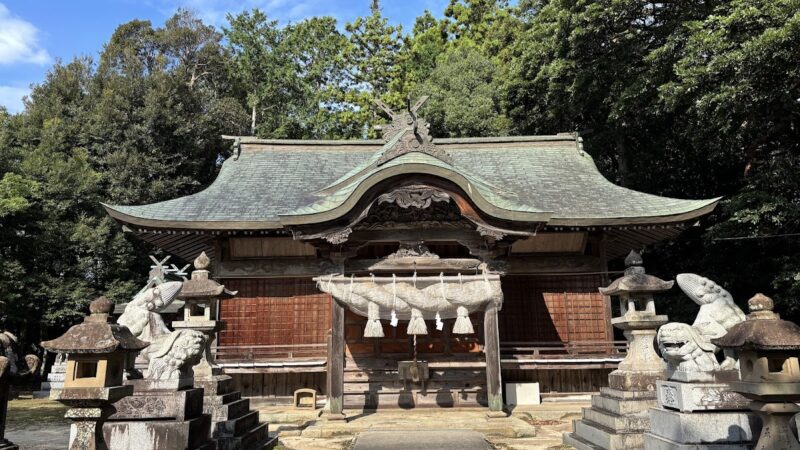
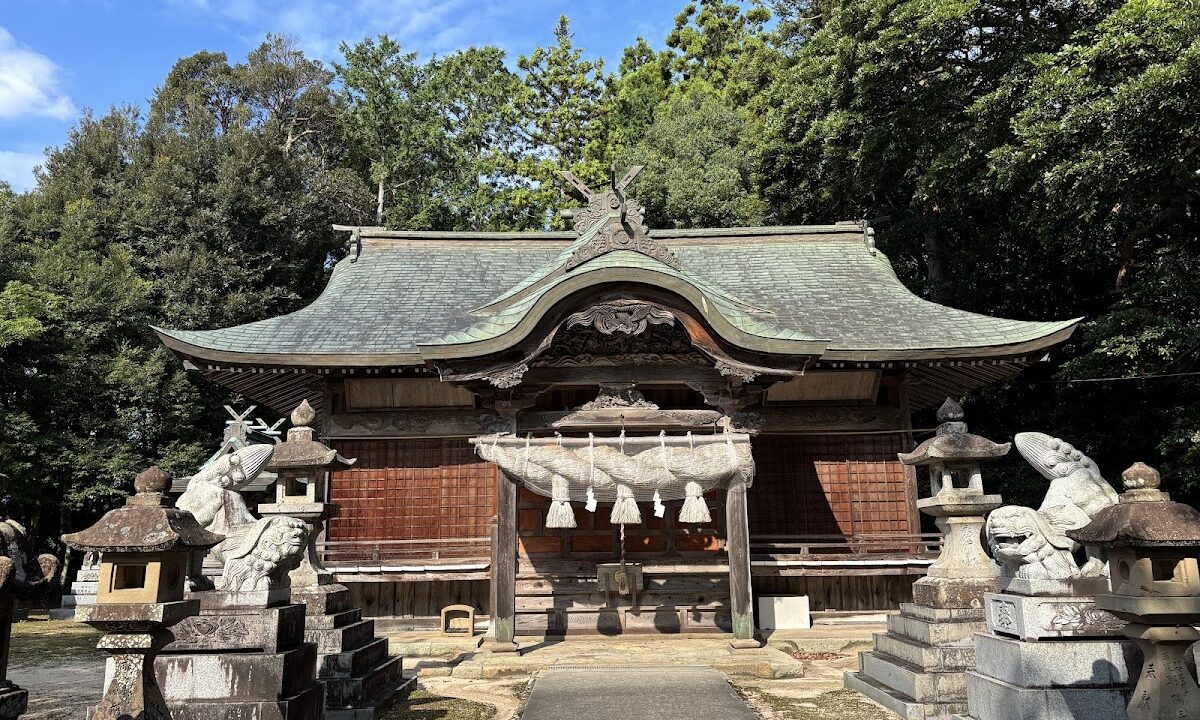
The main hall of Tenman Shrine is a valuable structure that preserves traditional shrine architecture. The worship hall welcomes daily worshippers and is the center of local festivals and events.
Atmosphere of the Shrine Grounds
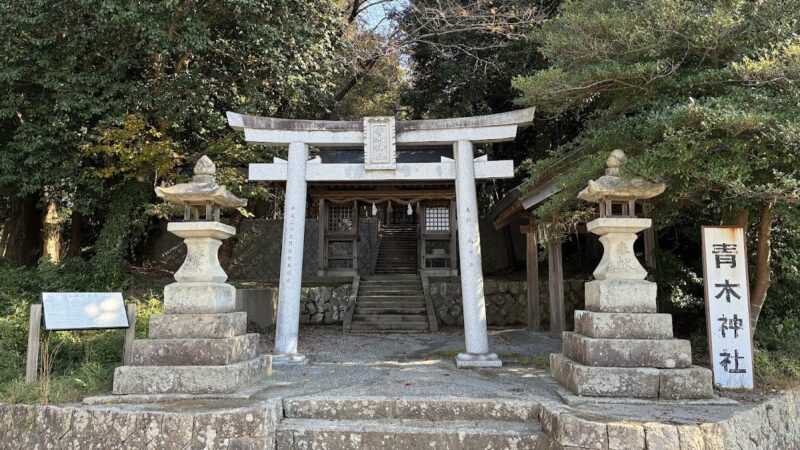
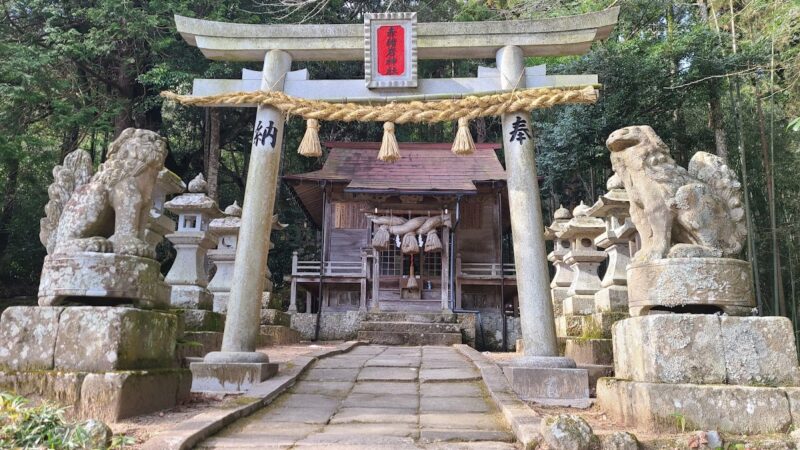
Located in a quiet area of Kawaramachi, Tottori City, the shrine grounds are enveloped in a tranquil atmosphere. A solemn atmosphere, reflecting ancient faith, permeates the grounds, offering peace of mind to worshippers.
History of the Former Shrine Site
The current shrine grounds were originally the site where Kumano Gongen was enshrined. This historical background has shaped the multi-layered form of faith at Tenman Shrine.
Benefits and Faith
Because Tenman Shrine enshrines many deities, it is believed that worshippers can receive various blessings.
Main Benefits
- Family Safety and Prosperity of Parishioners: As Amaterasu Omikami is the principal deity, the shrine offers peace and prosperity to families.
- Abundant Harvests and Business Prosperity: The enshrinement of Inari (the fox deity) promotes agricultural and commercial development.
- Protection from Misfortune and Disaster: The divine virtue of Susanoo-no-Mikoto provides protection from calamities.
- Safe Childbirth and Child-Rearing: The blessing of Konohanasakuya-hime provides safe childbirth and the healthy growth of children.
- Healing from Illness: The blessing of Sukunahikona-no-Kami as the god of medicine.
Connection to the Community
Tenman Shrine has long been revered by local residents as the tutelary shrine of Kawara-cho, Tottori City. Various festivals and events are held throughout the year, playing a central role in the local community.
Annual Events and Festivals
Tenman Shrine holds traditional Shinto annual events.
Main Annual Events
New Year’s Day Festival (January 1st)
A festival to welcome the new year and pray for peace and prosperity throughout the year. Many worshippers visit for their first shrine visit of the year.
Spring Grand Festival
An important festival to pray for a bountiful harvest as spring arrives.
Autumn Grand Festival
A festival to express gratitude for the harvest. It is a traditional local event that has been passed down through generations.
Monthly Festival
A festival held regularly each month to pray for the well-being of parishioners and worshippers.
Access Information
Location
Address: Tenjinbara, Kawara-cho, Tottori City, Tottori Prefecture
Transportation Access
By Car
- Approximately 5 minutes from Kawara IC on the Tottori Expressway
- Approximately 20 minutes from central Tottori City via National Route 53
- Parking: Parking available for visitors on the shrine grounds
By Public Transportation
- Approximately 15 minutes on foot from Kawara Station on the JR Inbi Line
- Accessible by local bus from Tottori City (bound for Kawara)
Visiting Hours
The shrine grounds are generally open for free worship. The shrine office is only open during the daytime, so it is recommended to check in advance if you wish to obtain a Goshuin (shrine stamp) or amulet.
Connections to Other Shrines in Tottori Prefecture
Tenman Shrine is one of the shrines belonging to the Tottori Prefectural Shrine Association. Tottori Prefecture has many historical shrines, each preserving local faith and culture.
Major Shrines in the Tottori Region
Ube Shrine (Tottori City)
Known as the Ichinomiya (first-ranked shrine) of Inaba Province, this ancient shrine enshrines Takenouchi no Sukune no Mikoto. It is famous for its blessings of financial fortune and business prosperity.
Hakuto Shrine (Tottori City)
This shrine is the setting for the myth of “The White Rabbit of Inaba.” Many worshippers visit for its blessings of matchmaking.
Meinuma Shrine (Tottori City)
A rare shrine situated on an island in Lake Koyama. It is worshipped as the god of water.
Tottori Prefecture’s Entire Shrine Network
Within Tottori Prefecture, there are many shrines in various regions, including Tottori City, Yonago City, Kurayoshi City, Sakaiminato City, and towns such as Wakasa, Chizu, Misasa, Yurihama, Kotoura, Daisen, Nanbu, Hino, and Nichinan. Each shrine preserves the history and traditions of its region, passing on the spirit of Shinto to the present day.
Manners and Etiquette for Visiting a Shrine
When visiting a shrine, it is important to observe basic etiquette.
Basic Procedure for Visiting a Shrine
- Bow before passing through the torii gate: Show respect before entering the sacred area.
- Purify yourself at the water basin: Purify your left hand, right hand, and mouth in that order, and finally your left hand.
- Walk along the edge of the path: The center is considered the path for the gods.
- Etiquette at the main hall: Two bows, two claps, and one bow are the basics.
- Quietly offer your donation: Do not throw it in; offer it quietly.
Photography
Photography is generally permitted on the shrine grounds, but it is considered good manners to refrain from taking pictures inside the main hall or during Shinto rituals. If you are unsure, please check with the shrine office.
Cultural Value of Tenman Shrine
Position in Local History
Tenman Shrine is an indispensable part of the history of Kawaramachi, Tottori City. This shrine holds historical value as a valuable example of the faith of the local powerful family, the Susumu clan, and the spread of Ise faith to the provinces.
Historical Significance of Shrine Consolidation
Tenman Shrine, formed by the Meiji-era policy of consolidating multiple shrines, is an example of religious policy during Japan’s modernization. However, the faith in each deity continues to be passed down, and the shrine continues to welcome worshippers seeking diverse blessings.
Relationship with the Local Community
Even today, Tenman Shrine functions as a place to deepen the bonds of residents through local festivals and annual events. The way the local community is centered around the shrine can be considered a valuable cultural heritage that conveys the traditional social structure of Japan to the present day.
Surrounding Tourist Information
Charms of Kawaramachi, Tottori City
Kawaramachi, Tottori City, where Tenman Shrine is located, is a naturally rich area along the Chiyo River. A peaceful rural landscape unfolds, allowing visitors to enjoy the beauty of each season.
Nearby Tourist Attractions
Tottori Sand Dunes
A representative tourist spot in Tottori City. Located approximately 30 minutes by car from Tenman Shrine.
Tottori Castle Ruins
Castle ruins that tell the history from the Sengoku period to the Edo period. Remains of a mountain castle built on Hisamatsu Mountain still exist.
Inaba Manyo Historical Museum
A facility where you can learn about the Manyoshu (an ancient collection of Japanese poetry) and the history of Inaba Province. You can experience ancient culture.
Gourmet Information
Tottori Prefecture is blessed with both seafood and mountain produce. You can enjoy local specialties such as Matsuba crab, tofu chikuwa (fish cake), and 20th Century pears.
Goshuin (Shrine Seals) and Amulets
About Goshuin
Tenman Shrine offers Goshuin. Many visitors receive them as a memento of their visit and to deepen their connection with the shrine.
If you wish to receive a Goshuin, it is recommended to visit during the shrine office’s operating hours. Bring your Goshuincho (stamp book) and make your request respectfully.
Amulets and Souvenirs
Tenman Shrine offers a variety of amulets and souvenirs. You can receive amulets tailored to your wishes, such as family safety, traffic safety, and academic success.
Points to Note When Visiting Tenman Shrine
Recommended Time to Visit
Spring (March-May)
The shrine grounds are beautifully adorned with cherry blossoms. The Spring Grand Festival offers a special atmosphere.
Autumn (September-November)
The harvest season coincides with the Autumn Grand Festival. It’s also a beautiful time for autumn foliage.
New Year (January)
The shrine is bustling with many visitors during the New Year’s visit period. Visiting in the refreshing air of the New Year is a special experience.
Time Required
Allow approximately 20-30 minutes for a visit to the shrine grounds. We recommend taking your time to stroll through the shrine grounds and offer quiet prayers.
Attire and Belongings
While no special attire is required for visiting the shrine, clean and understated clothing is preferable. In summer, be sure to wear a hat or use a parasol; in winter, dress warmly.
The Future and Preservation Activities of Tenman Shrine
Protection as a Cultural Property
Tenman Shrine is a valuable cultural heritage site with a history of over 700 years. Preservation activities, including the maintenance of the buildings and the continuation of festival ceremonies, are ongoing by local residents and shrine officials.
Passing on to the Next Generation
With the declining birthrate and aging population, passing on traditional festival ceremonies and shrine culture to the next generation is a crucial issue. Tenman Shrine is also working to pass on its culture through educational activities for younger generations and collaboration with the local community.
Utilization as a Tourism Resource
As a historical shrine, it also serves as a local tourism resource. Efforts are expected to attract many tourists as part of shrine pilgrimages and historical explorations in Tottori Prefecture.
Summary: The Charm of Tenman Shrine
Tenman Shrine has been a center of faith in Kawara-cho, Tottori City, for over 700 years since its founding in 1312. Beginning with the enshrinement of deities from Ise Grand Shrine, and undergoing a consolidation during the Meiji era, it has evolved into a shrine that enshrines many deities.
With Amaterasu Omikami as its principal deity, and enshrining a diverse array of other gods such as Yamato Hime no Mikoto, Susanoo no Mikoto, and Sukunahikona no Kami, it offers various blessings, including family safety, abundant harvests, protection from evil, safe childbirth, and recovery from illness.
The tranquil grounds offer a place to escape the hustle and bustle of everyday life and find peace of mind. It is a shrine well worth visiting, offering a chance to experience the history and culture of the region. When visiting Tottori Prefecture, be sure to visit Tenman Shrine and experience its deep history and faith.
Tenman Shrine, rooted in the Kawaramachi area of Tottori City, continues to pass on Japanese Shinto culture to the present day. Its existence tells the story of the region’s history and teaches us, who live in the modern age, the importance of tradition. Through a visit to the shrine, you can feel the richness of Japan’s spiritual culture.