About Tofuku-ji Temple
Tofuku-ji Temple is the head temple of the Tofuku-ji branch of the Rinzai school of Zen Buddhism, located in Higashiyama Ward, Kyoto City. Founded in 1236 (Kachō 2) by Regent Kujō Michiie, it is a renowned temple ranked fourth among the Five Great Zen Temples of Kyoto. Its name, “Tofuku-ji,” was derived from one character each from Nara’s Tōdai-ji and Kōfuku-ji temples.
The temple grounds cover approximately 200,000 square meters, boasting one of the largest temple complexes in Kyoto. Especially during the autumn foliage season, approximately 2,000 maple trees adorn the grounds, making it a popular spot for viewing autumn leaves in Kyoto, attracting many visitors from both Japan and abroad.
History and Origin
At the time of its founding, Kujō Michiie spent 19 years completing the magnificent temple complex. The founding priest was Shōichi Kokushi (Enni Ben’en), who spread the teachings of Zen Buddhism after returning from Song China. During the Muromachi period, it received the patronage of the Ashikaga shogunate and held an important position within the Kyoto Gozan system.
Points of Interest and Highlights
Tsutenkyo Bridge
The biggest highlight of Tofuku-ji Temple is the wooden bridge, “Tsutenkyo,” spanning the “Sengyokukan” gorge. From this bridge, approximately 27 meters long, you can enjoy a panoramic view of the sea of autumn leaves below.
- Autumn Foliage Season: Best viewing is from mid-November to early December
- Photography Prohibited: To alleviate congestion, photography is prohibited on Tsutenkyo Bridge during the autumn foliage season.
- Admission Fee: Tsutenkyo Bridge and Kaisando Hall: 600 yen (may change to 1,000 yen in autumn)
Hojo Garden (National Scenic Spot)
This is a dry landscape garden created in 1939 by Shigemori Mirei, a leading landscape architect of the Showa era. On all four sides of the Hojo (abbot’s quarters) are gardens of different styles, known as the “Eight Aspects Garden.”
South Garden: A garden expressing the “Horai Shinsen (immortal being) philosophy” with large stones and white sand. It features a powerful composition with four immortal islands.
West Garden: A modern garden design featuring a checkerboard pattern created by trimmed azaleas and sand patterns, known as “Ida Ichimatsu.”
North Garden: Characterized by a “small checkerboard pattern” created with moss and paving stones. A beautiful garden with the green of Polytrichum commune.
East Garden: The “Big Dipper Garden,” with cylindrical stone pillars arranged in the shape of the Big Dipper. The most abstract expression of the garden.
Admission Fee: Hojo Garden 500 yen
Sanmon (National Treasure)
Rebuilt in 1425 during the Muromachi period, it is the oldest and largest two-story gate among existing Zen temple gates in Japan. The imposing structure, standing approximately 22 meters tall, is breathtaking and designated a National Treasure. Inside, a crowned Shakyamuni Buddha statue and sixteen Arhat statues are enshrined.
Main Hall (Buddha Hall)
Rebuilt in 1934 after a fire in the Meiji era, the main hall houses a 15-meter-tall seated statue of Shakyamuni Buddha. A dragon painting by Domoto Insho adorns the ceiling.
Zen Hall/Toilet (Important Cultural Property)
This is a valuable building that preserves the Zen Buddhist architecture of the Kamakura period. In particular, the Toilet (Tosu/toilet) is designated an Important Cultural Property as the oldest existing Zen Buddhist style toilet.
Benefits and Goshuin (Temple Seals)
Main Benefits
- Academic Achievement: The merit of the learning received by the founder, Shoichi Kokushi, in Song Dynasty China.
- Fulfillment of Wishes: The spiritual strength of a Zen training ground.
- Protection from Evil: Dispelling worldly desires by passing through the main gate.
- Health and Longevity: The pure air of the temple grounds and the teachings of Zen.
Goshuin (Temple Seals)
Goshuin can be obtained at multiple locations, including the main hall, Tsutenkyo Bridge, and sub-temples. The “Tsutenkyo Maple Leaf” goshuin is particularly popular. Goshuin notebooks with original Tofuku-ji designs are also available for purchase.
Access and Visiting Information
Access by Train
- JR Nara Line: Get off at “Tofukuji Station,” approximately 10 minutes on foot.
- Keihan Main Line: Get off at “Tofukuji Station,” approximately 10 minutes on foot.
- From Kyoto Station: One stop on the JR Nara Line, approximately 2 minutes.
Access by Bus
- Get off at the “Tofukuji” bus stop (Kyoto City Bus), approximately 4 minutes on foot.
- However, during the autumn foliage season, roads become congested, so using the train is strongly recommended.
Access by Car
- Approximately 15 minutes from the “Kyoto Minami IC” on the Meishin Expressway.
- Parking: Free parking available during normal periods (approximately 30 cars).
- Note: Parking is closed during the autumn foliage season (late October to early December). Please use public transportation.
Visiting Hours and Admission Fees
Visiting Hours
- April to October: 9:00 AM to 4:00 PM (Gates close at 4:30 PM)
- November to the first Sunday of December: 8:30 AM to 4:00 PM (Gates close at 4:30 PM)
- First Sunday of December to March: 9:00 AM to 3:30 PM (Gates close at 4:00 PM)
Admission Fees
- Main Hall Garden (Hojo): 500 yen
- Tsutenkyo Bridge and Kaisando Hall: 600 yen (Fees may vary during the autumn foliage season)
- Combined Admission Ticket: 1,000 yen
- Elementary and Junior High School Students: 300 yen each
Notes for Visitors
- Crowds during the Autumn Foliage Season: It gets very crowded from mid- to late November. Early morning visits right after opening are recommended.
- Photography Restrictions: Photography is prohibited on Tsutenkyo Bridge during the autumn foliage season.
- Attire: The temple grounds are large and include slopes, so comfortable walking shoes are recommended.
- Estimated Time Required: Allow approximately 1.5 to 2 hours for a thorough visit.
Nearby Attractions
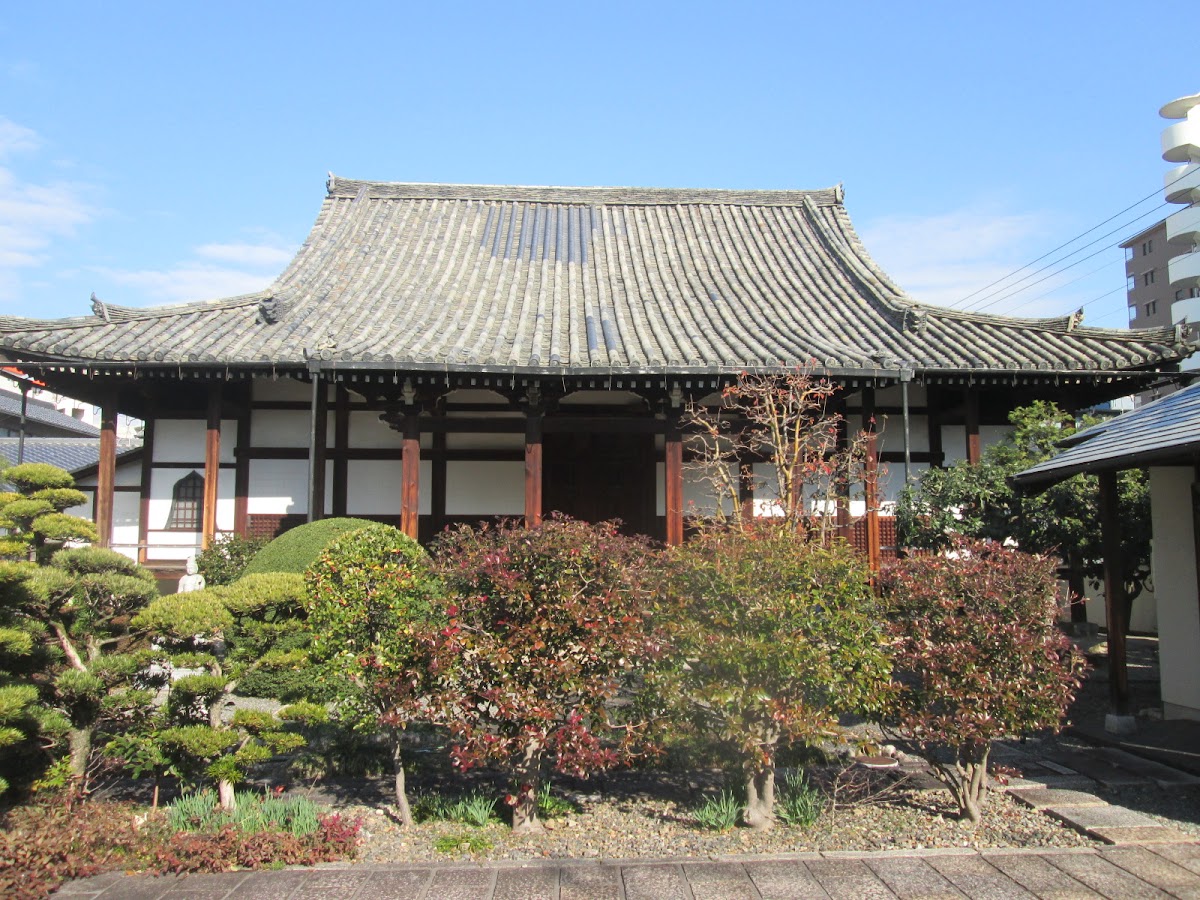
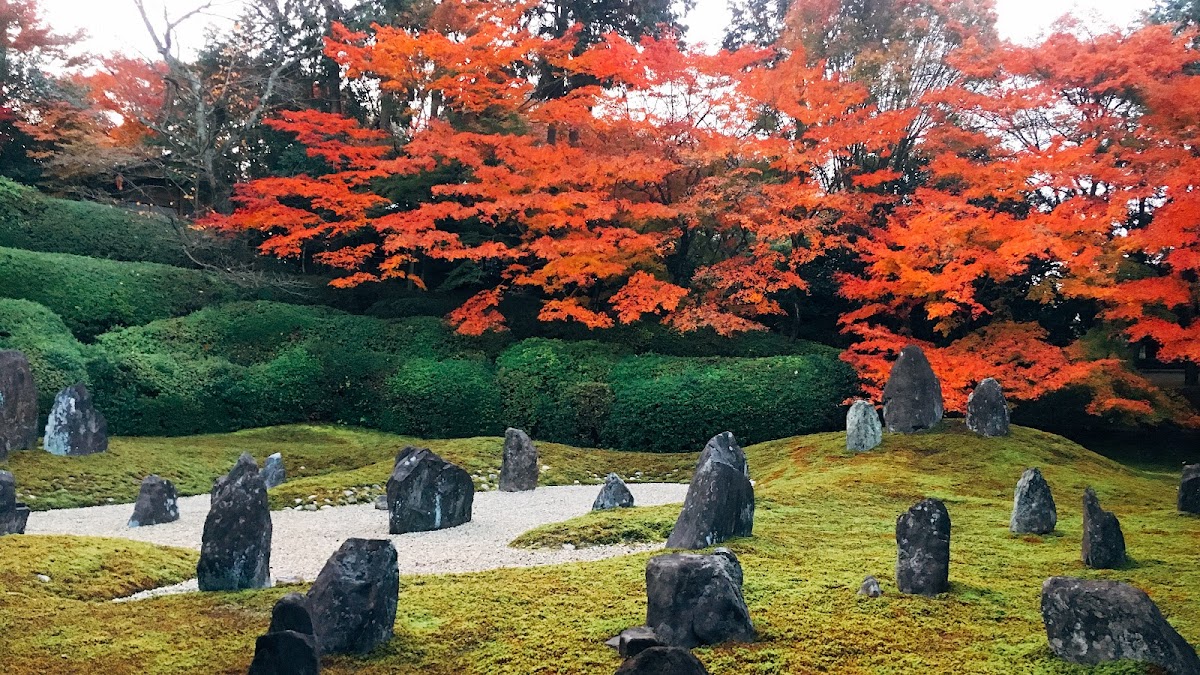
There are 25 sub-temples around Tofuku-ji Temple, including Komyoin, Shorinji, and Fundain, which are usually open to the public. Komyoin’s garden, known as the “Rainbow Moss Temple,” is particularly popular as a hidden gem to avoid the crowds at Tofuku-ji’s main hall.
Summary
Tofuku-ji Temple is a representative Zen temple of Kyoto, offering historical buildings, beautiful gardens, and breathtaking autumn foliage views. The view from Tsutenkyo Bridge is a must-see at least once in a lifetime. Early morning visits or visits during the fresh green season are recommended to avoid crowds. It’s easily accessible from Kyoto Station, so be sure to visit during your Kyoto sightseeing trip.