What is Komyoin Temple? A Complete Guide to its History, Highlights, and Access [Kyoto’s Hidden Gem]
Komyoin Temple is a sub-temple of Tofuku-ji Temple, located in Higashiyama Ward, Kyoto City. Known for its dry landscape garden, “Hashintei,” designed by Shigemori Mirei, a leading landscape architect of the Showa era, and also called the “Rainbow Moss Temple,” it has recently gained attention as a renowned temple with a beautiful garden.
History and Origin of Komyoin Temple
Founding and First Abbot
Komyoin Temple was founded in 1391 (Meitoku 2) during the Nanboku-cho period. The first abbot was Zen Master Kinzan Myosho, a high-ranking priest who served as the 54th head priest of Tofuku-ji Temple. Initially called “Komyoan,” it was later renamed “Komyoin.”
Positioning as a Sub-temple of Tofuku-ji Temple
Tofuku-ji Temple has 25 sub-temples, but Komyoin is known for maintaining a particularly tranquil atmosphere. While Tofuku-ji Temple, the main temple, is bustling with tourists, Komyoin has been loved by locals and discerning tourists alike as a relatively peaceful “hidden gem” for worship.
Successive Chief Priests and the Temple’s Transformation
Throughout the Edo period, Komyoin was maintained as an important sub-temple of Tofuku-ji Temple. Despite the impact of the anti-Buddhist movement after the Meiji Restoration, it continued to function as a temple, and in the Showa era, a major renovation of the garden resulted in its current appearance.
The Famous Garden “Hashin-tei” Designed by Shigemori Mirei
Features and Charm of Hashin-tei Garden
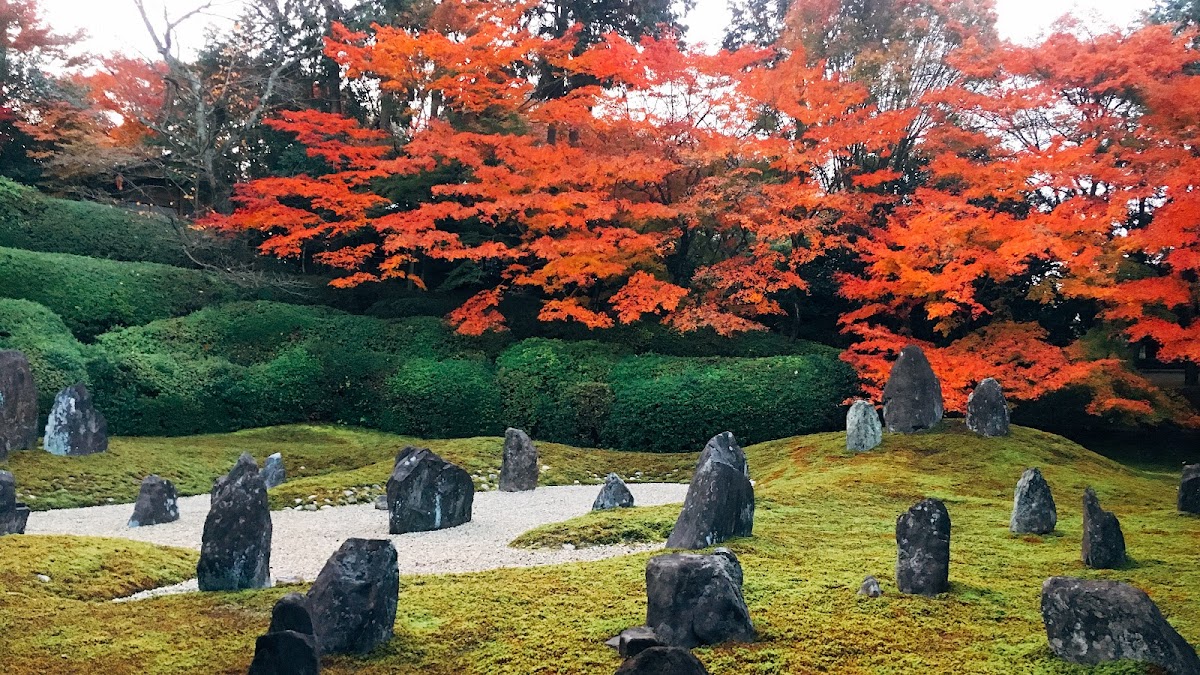
The greatest highlight of Komyoin is the “Hashin-tei” garden, designed in 1939 (Showa 14) by Shigemori Mirei, a leading landscape architect of the Showa era. This dry landscape garden, spread across approximately 300 tsubo (about 990 square meters), expresses the Zen worldview through white sand, moss, and skillfully arranged stones.
The name “Hashin-tei” (波心庭) originates from the Zen teaching of “calming the mind, which is as swayed as waves.” The entire garden represents a large ocean, with the stone arrangements symbolizing islands and the ripples in the white sand symbolizing the flow of water.
Shigemori Mirei’s Garden Design Philosophy
Shigemori Mirei (1896-1975) was a garden researcher and landscape architect who worked primarily in Kyoto. While researching gardens throughout Japan, he also created unique gardens that blended traditional Japanese garden techniques with modern sensibilities. Hashin-tei is one of Shigemori Mirei’s early masterpieces and is highly regarded as a work that clearly expresses his garden design philosophy.
The Beauty of the Garden in Each Season
Hashin-tei displays different expressions with each season.
Spring: The fresh green moss shines with a vibrant green, creating a landscape full of vitality. Azaleas and rhododendrons add vibrant colors.
Summer: This is the most beautiful season, with the contrast between the deep green moss and white sand. The cool shade and tranquility make you forget the hustle and bustle of the city.
Autumn: Less crowded than Tofuku-ji Temple, known for its autumn foliage, this is a hidden gem where you can enjoy the leaves at your leisure. Trees dyed in red and yellow add color to the garden.
Winter: The snow-covered Hashin-tei garden is exceptionally beautiful. White sand and snow blend together, creating a monochrome, Zen-like world.
The Reason for Being Called the “Rainbow Moss Temple”
Komyoin Temple is also known by the nickname “Rainbow Moss Temple.” This comes from the fact that the beautiful moss covering the entire garden displays various colors depending on the light. In particular, the moss illuminated by the morning or evening sun takes on rainbow-like colors from green to golden, creating a fantastical landscape.
Main Hall and Buddhist Statues
Architectural Style of the Main Hall
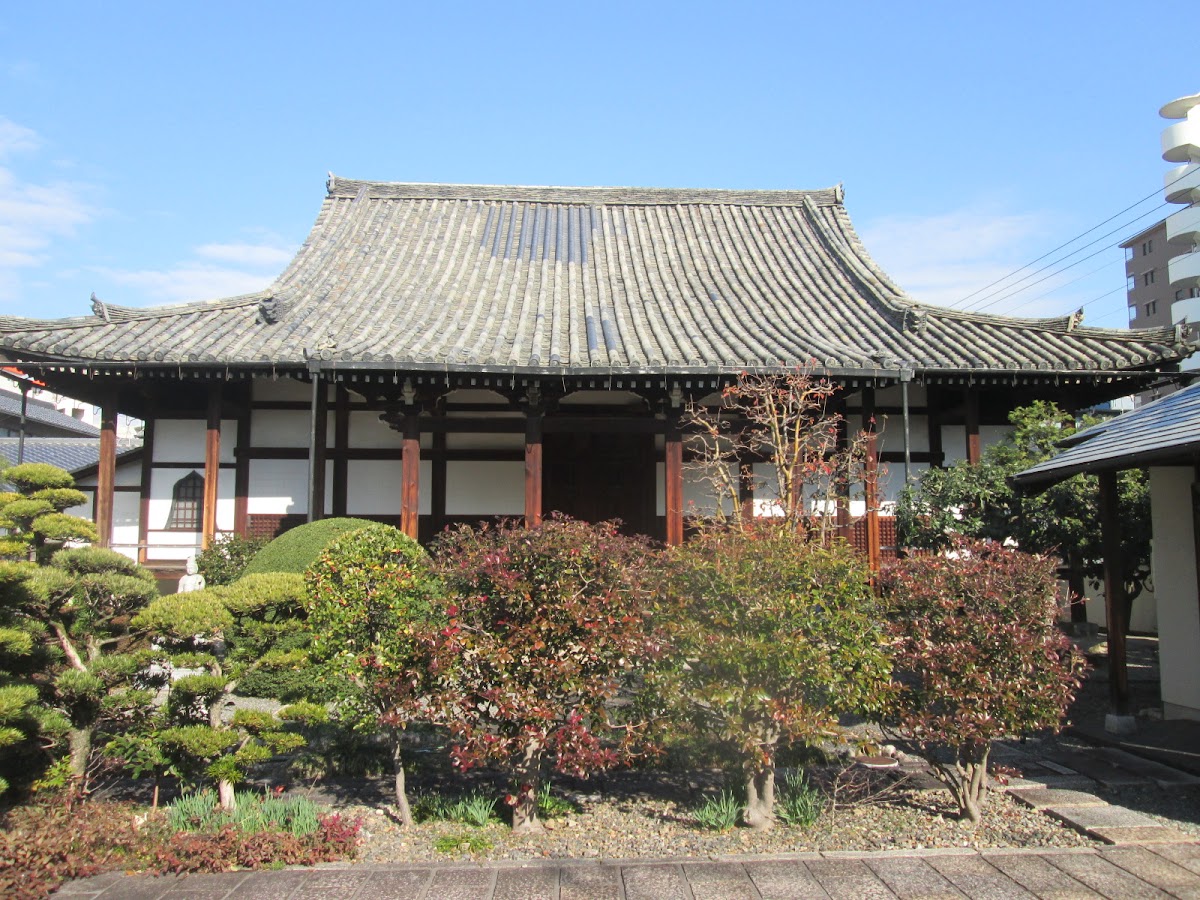
The main hall of Komyoin Temple is a typical example of Zen Buddhist architecture. Its simple yet dignified appearance embodies the spirit of Zen. From the main hall, one can enjoy a panoramic view of the Hashin Garden, and one can sit in the tatami room and quietly admire the garden.
Principal Image and Enshrined Buddha
The main hall enshrines a statue of Shakyamuni Buddha as its principal image. A statue of the temple’s founder, Zen Master Kinzan Myocho, is also enshrined, conveying the temple’s history to the present day.
Tea Room and Zen Space
Tea Room “Ragetsuan”
Komyoin Temple has a tea room called “Ragetsuan.” From this tea room, one can also enjoy a view of the Hashin Garden, creating a luxurious space where one can enjoy both the tea ceremony and garden appreciation simultaneously.
Zen Meditation Experience and Training
Komyoin Temple accepts Zen meditation experiences by prior reservation. Zen meditation in a tranquil environment offers a precious opportunity to escape the hustle and bustle of everyday life and confront oneself.
Komyoin Temple as a Famous Autumn Foliage Spot
Differences from Tofuku-ji Temple
Tofuku-ji Temple is known as one of Kyoto’s premier autumn foliage spots and is crowded with tourists in the fall. On the other hand, Komyoin Temple, a sub-temple, is relatively less well-known, making it a popular hidden gem for enjoying the autumn leaves while avoiding the crowds.
Best Time to See Autumn Leaves
The best time to see the autumn leaves at Komyoin Temple is usually from mid-November to early December. The autumn leaves adorning the Hashin-tei Garden create a beautiful contrast with the white sand and green moss, making it an excellent photo spot.
Tips for Photographing Autumn Leaves
When photographing the autumn leaves in the Hashin-tei Garden, an angle that captures the entire garden from the veranda of the main hall is recommended. Also, photographing in the soft morning light beautifully highlights the green of the moss and the red of the autumn leaves.
Visiting Information
Visiting Hours and Admission Fees
Visiting Hours: 9:00 AM – 4:00 PM (may vary depending on the season)
Admission Fee: Adults 300 yen, Junior and Senior High School Students 200 yen, Elementary School Students and younger free
Closed Days: Irregular closures (may be closed due to events, etc.)
*Visiting hours and admission fees may change, so please check official information before visiting.
Notes for Visitors
- Please refrain from loud conversations to maintain tranquility.
- Entry into the garden is prohibited.
- Photography is permitted, but prior confirmation is required for the use of tripods.
- Eating and drinking are prohibited inside the main hall.
Access Information
Access by Train
JR Nara Line: Get off at “Tofukuji Station,” approximately 15 minutes on foot.
Keihan Railway: Get off at “Toba-kaido Station,” approximately 10 minutes on foot.
The most common route from Tofukuji Station to Komyoin Temple is through the grounds of Tofukuji Temple. You can enjoy sightseeing of the temple buildings along the way.
Access by Bus
City Bus: Get off at “Tofukuji” bus stop, approximately 10 minutes on foot.
From Kyoto Station, City Bus Route 208 is convenient. However, during the autumn foliage season, roads become congested, so using the train is recommended.
Access by Car and Parking
Komyoin Temple does not have its own parking lot. We recommend using the paid parking lots around Tofuku-ji Temple or accessing it by public transport. Especially during the autumn foliage season, the surrounding roads become extremely congested, so visiting by train is a wise choice.
Nearby Tourist Attractions
Tofuku-ji Temple Main Hall Garden
If you visit Komyoin Temple, be sure to also visit Tofuku-ji Temple, the head temple. The Tofuku-ji Temple Main Hall Garden, designed by Shigemori Mirei, is a famous garden known as the “Eight Aspects Garden.”
Sennyu-ji Temple
Sennyu-ji Temple, located about a 20-minute walk from Komyoin Temple, is a temple with deep ties to the Imperial family, known as a “Midera” (Imperial Temple). Its beautiful garden and collection of important cultural property Buddhist statues are highlights.
Fushimi Inari Taisha Shrine
Fushimi Inari Taisha Shrine, located a few stops away on the Keihan Railway, is a representative tourist attraction of Kyoto, famous for its thousands of torii gates. Many tourists visit it in conjunction with Komyoin Temple.
Tips for Enjoying the Charms of Komyoin Temple to the Fullest
Weekday Early Mornings are Recommended
The best time to experience the tranquil atmosphere of Komyoin Temple is right after it opens on weekdays. You can sometimes enjoy the garden almost entirely to yourself in the refreshing morning air.
Take Your Time to Appreciate
The Hashin-tei Garden is one whose true value can only be appreciated by taking your time to observe it carefully. Take at least 30 minutes, sit in the tatami room, and quietly contemplate the garden.
Visit Throughout the Seasons
Komyoin Temple has a different beauty in each of the four seasons, not just during the autumn foliage season. By visiting in each season—the fresh green of spring, the deep green of summer, the autumn leaves, and the snowy landscape of winter—you can enjoy the diverse expressions of the garden.
Komyoin Temple and Zen Culture
The Meaning of a Dry Landscape Garden
A dry landscape garden is a unique Japanese garden style that expresses natural scenery using stones and sand without water. The ripples in the white sand of the Hashin-tei garden symbolize the flow of water and waves, while the stone arrangement represents mountains and islands. This embodies the Zen concept of “Mu” (emptiness), the idea of finding essence in formless things.
Garden Appreciation and Meditation
Viewing a dry landscape garden can be considered a form of meditation. By immersing oneself in the garden’s tranquil beauty and calming the mind, one can be freed from the distractions of daily life and approach a Zen state of mind.
Annual Events at Komyoin Temple
Spring Special Viewing
In spring, coinciding with the beautiful season of fresh greenery, special viewings are sometimes held. These offer opportunities to see the normally closed tea room and listen to Dharma talks by monks.
Autumn Nighttime Special Viewing
During the autumn foliage season, special nighttime viewings are sometimes held. The illuminated Hashin-tei garden presents a completely different, fantastical beauty compared to the daytime, offering a special experience.
Summary: Komyoin Temple is a Hidden Treasure of Kyoto
Komyoin Temple, despite being a sub-temple of Tofuku-ji Temple, is a precious place where you can escape the crowds and quietly immerse yourself in the world of Zen. The Hashin-tei garden, designed by Mirei Shigemori, is a masterpiece that encapsulates the beauty of Japanese gardens and is worth visiting throughout the four seasons.
While Kyoto has numerous temples, places like Komyoin, where you can slowly appreciate a garden in a tranquil atmosphere, are limited. This small sub-temple, also known as the “Rainbow Moss Temple,” continues to deeply impress visitors as a hidden treasure of Kyoto.
When you visit Kyoto, be sure to stop by Komyoin Temple. It will be an unforgettable experience to encounter the beauty of a Japanese garden and the spirit of Zen in a quiet space away from the hustle and bustle.