Tokugenji Temple (Uda City, Nara Prefecture) Complete Guide | History and Highlights of the Family Temple Associated with Oda Nobunaga’s Second Son
Nestled in the quiet mountains of Ouda, Uda City, Nara Prefecture, Tokugenji Temple is a Zen temple of the Rinzai sect, Daitokuji school, known as the family temple of the Oda family of the Uda Matsuyama Domain, whose first lord was Oda Nobukatsu, the second son of Oda Nobunaga. Founded in 1628 during the early Edo period, this temple is adorned with seasonal flowers and is beloved by history buffs and visitors seeking tranquility. This article provides a detailed explanation of Tokugenji Temple, from its historical background to its highlights and access methods.
History and Origin of Tokugenji Temple
The Oda Family of the Uda Matsuyama Domain and the Founding of Tokugenji Temple
Tokugenji Temple’s official name is “Chōsenzan Tokugenji,” and it is a Zen temple belonging to the Rinzai sect, Daitokuji school. In 1628 (Kanei 5), Tokugenji Temple was built by Oda Takanaga, the second lord of the Uda-Matsuyama Domain, to commemorate his father, Oda Nobukatsu, the first lord of the domain. The founding priest was Zen Master Bukkaisoto, and the principal image is a seated statue of Shakyamuni Buddha.
Oda Nobukatsu was born the second son of Oda Nobunaga and led a turbulent life as a samurai. After the Honnoji Incident, he clashed with Toyotomi Hideyoshi, but later served Tokugawa Ieyasu. In 1608 (Keicho 13), he was granted 50,000 koku in Uda District of Yamato Province and Kanra District of Kozuke Province, becoming the first lord of the Uda-Matsuyama Domain. Nobukatsu died in 1615 (Genna 1) at the age of 73, and 13 years later, his son Takanaga built Tokugenji Temple as his family temple.
The Family Temple Where Four Generations of the Oda Family Rest
Tokugenji Temple houses the tombs of four generations of the Oda family, lords of the Uda-Matsuyama Domain. The five-tiered stupas of the first lord, Oda Nobuo; the second lord, Oda Takanaga; the third lord, Oda Nagayori; and the fourth lord, Oda Nobutake, are erected in the mountains. These stupas are valuable historical sites that convey the history of the Oda family to the present day.
However, due to recent typhoon damage, the mountain path leading to the stupas has collapsed and is currently closed. Those wishing to visit are advised to check the latest information beforehand.
A Branch Temple of the Rinzai Zen Daitokuji School
Tokugenji Temple is a branch temple of the Rinzai Zen Daitokuji school, with Daitokuji Temple in Kyoto as its head temple. The Rinzai school is a branch of Zen Buddhism, introduced to Japan by Eisai during the Kamakura period. The Daitokuji school has deep ties to the tea ceremony and is known for being the place where many tea masters, including Sen no Rikyu, practiced Zen meditation. Tokugenji Temple also inherits this Zen tradition, and its tranquil grounds are enveloped in a dignified atmosphere characteristic of a Zen temple.
Highlights and Charms of Tokugenji Temple
Main Hall and Seated Statue of Shakyamuni Buddha
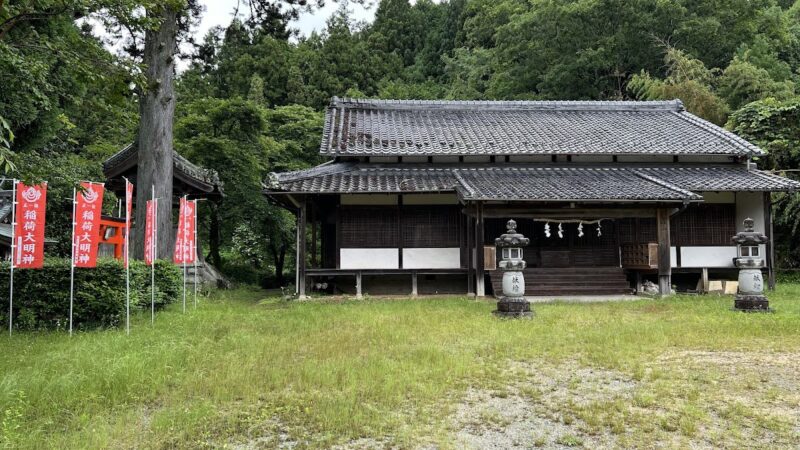
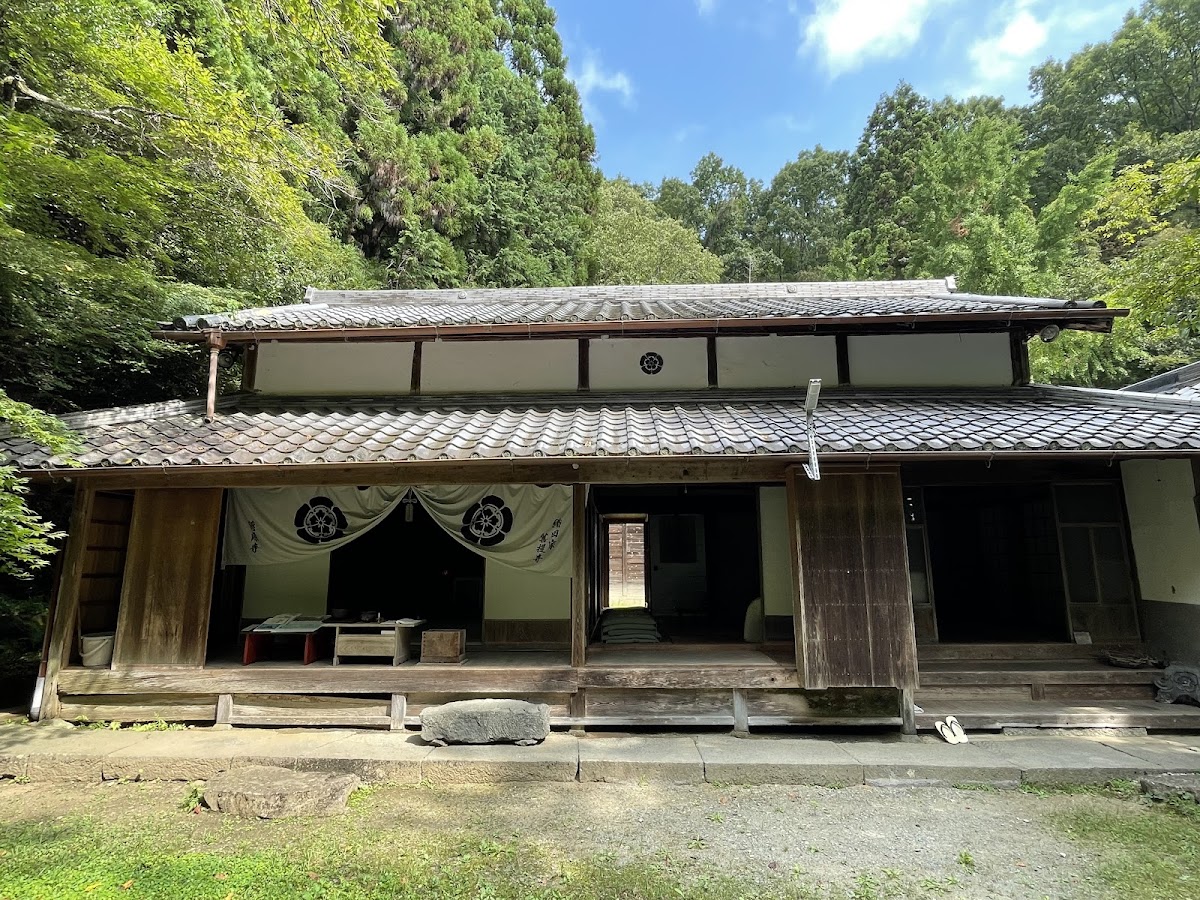
The main hall of Tokugenji Temple houses the principal image, a seated statue of Shakyamuni Buddha. The main hall, simple yet majestic in the style of a Zen temple, offers visitors a quiet time for prayer. It is recommended to check in advance regarding viewing the interior of the main hall.
Seasonal Flowers and the Natural Beauty of the Temple Grounds
One of the great charms of Tokugenji Temple is the flowers that can be enjoyed throughout the four seasons. In spring, cherry blossoms adorn the grounds; in early summer, the fresh greenery is beautiful; and in autumn, the autumn leaves create a magnificent landscape. The tranquil atmosphere of winter is also exceptional, showing different expressions throughout the year.
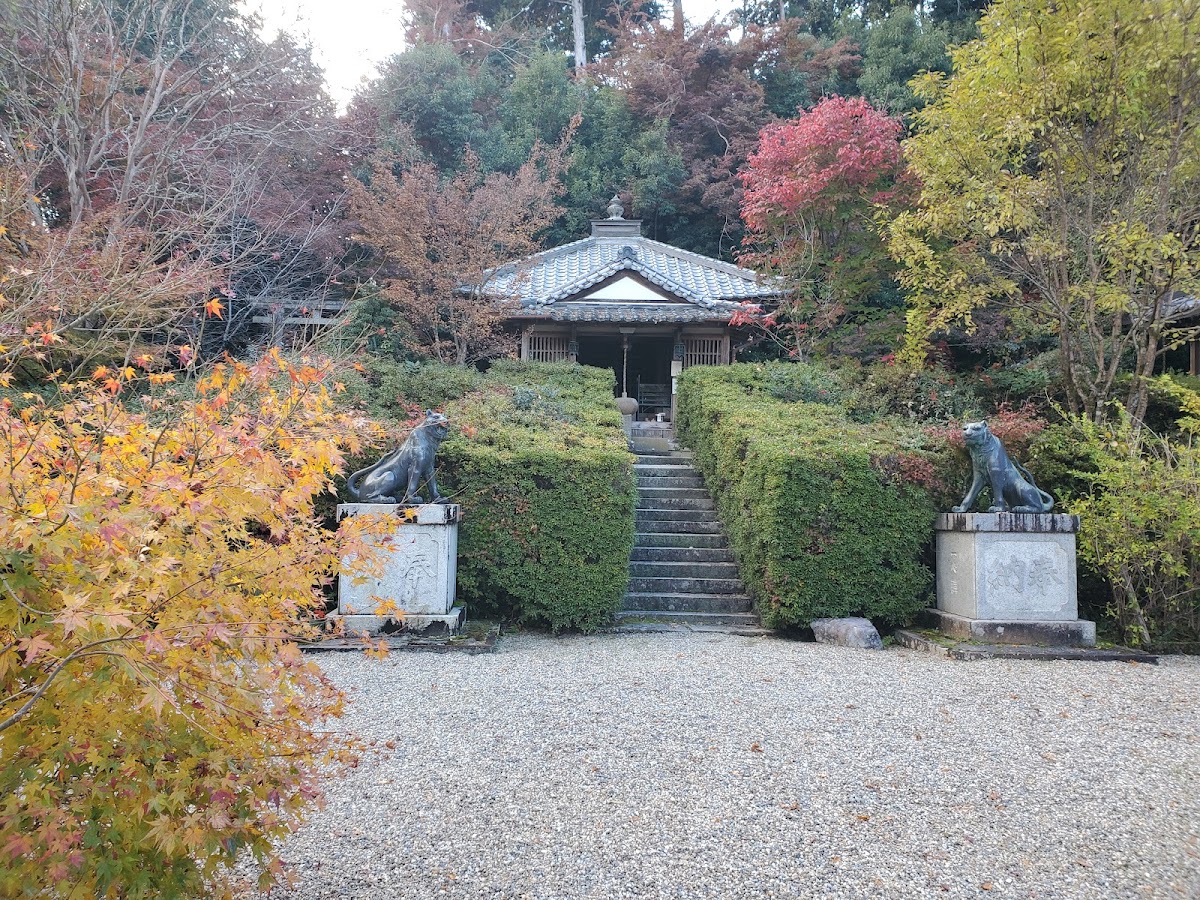
In particular, the temple gardens are meticulously maintained and possess a calm beauty characteristic of a Zen temple. The gardens, with their harmonious arrangement of stones and plants, provide visitors with peace of mind. For flower lovers and photography enthusiasts, this is a place worth visiting in every season.
Oda Family Mausoleum and Historical Value
The most important historical site at Tokugenji Temple is the mausoleum of the four generations of the Oda family. The five-tiered pagoda, which tells the history of the Oda family of the Uda-Matsuyama Domain, starting with Nobuo, the second son of Oda Nobunaga, is a valuable cultural asset that conveys the transition from the Sengoku period to the Edo period.
The garden in front of the mausoleum is also beautifully maintained, allowing visitors to spend time leisurely while feeling the historical atmosphere. It’s a must-see spot for history buffs interested in Oda Nobunaga and the Sengoku period.
The Atmosphere of a Tranquil Zen Temple
Located in the mountains of Uda City, Tokugenji Temple is a simple Zen temple that hasn’t been commercialized for tourism. Therefore, you can enjoy worship and strolling in a quiet environment away from the hustle and bustle. It’s an ideal place for those who want to forget the noise of the city, calm their minds, and experience the spirit of Zen.
Walking through the temple grounds, you’ll find yourself in a tranquil atmosphere where only the chirping of birds and the sound of the wind can be heard. This tranquility may be considered the greatest charm of Tokugenji Temple.
Basic Information about Tokugenji Temple
Location and Contact Information
Address: 830 Iwamuro, Ouda-ku, Uda City, Nara Prefecture 633-2164
Sect: Rinzai Zen, Daitokuji School
Mountain Name: Chōsenzan
Principal Image: Seated statue of Shakyamuni Buddha
Founder: Zen Master Butsukai Sotō
Established: Kan’ei 5 (1628)
Visiting Information
Admission Fee: Free
Visiting Hours: Daytime (Advance confirmation recommended)
Holidays: None in particular (However, subject to change due to events, etc.)
Notes: The mountain path leading to the Gorinto pagoda is currently closed due to typhoon damage. Please check the latest information in advance.
How to Access Tokugenji Temple
Access by Public Transportation
By Train and Bus:
- Get off at Kintetsu Osaka Line “Haibara Station”
- Take the Nara Kotsu Bus bound for “Ouda” (approx. 14 minutes)
- Get off at “Nishiyama” bus stop or “Gojukken” bus stop
- Approximately 10 minutes on foot (approx. 5 minutes on foot from Gojukken bus stop)
Distance from Nearest Station:
- Approximately 5.2 km from Kintetsu Osaka Line “Haibara Station” (approx. 1 hour 4 minutes on foot)
- Approximately 4.4 km from Kintetsu Osaka Line “Hase-dera Station” (approx. 56 minutes on foot)
Access by Car
Parking: Use the Ouda Sports Ground parking lot (approx. 10 minutes on foot from the parking lot)
Access from Major Roads:
- Approximately 30 minutes from Meihan National Highway “Hari IC” via National Route 369
- Approximately 50 minutes from the Koriyama Interchange on the Nishi-Meihan Expressway via National Routes 24, 169, and 370.
When visiting in combination with other tourist destinations in Nara Prefecture, using a rental car or other automobile is convenient. However, since there is a possibility of snow in winter, it is recommended to check the weather forecast before visiting.
Nearby Tourist Spots
Uda Matsuyama Townscape
The Ouda district of Uda City, where Tokugenji Temple is located, was formerly a castle town called Uda Matsuyama, and its townscape retains the atmosphere of the Edo period. It has been designated as an Important Preservation District for Groups of Traditional Buildings, and you can enjoy the charming scenery of old merchant houses and townhouses lining the streets. When visiting Tokugenji Temple, be sure to also enjoy strolling through the townscape.
Uda Matsuyama Castle Ruins
The Uda Matsuyama Castle Ruins, the site of the residence of the Uda Matsuyama Domain, are located on a mountaintop at an altitude of approximately 473m. Currently, remnants such as stone walls remain, and the mountaintop offers a magnificent view of the Uda Basin. This is a recommended spot for history buffs and hiking enthusiasts.
Murō-ji Temple
Located about 20 minutes by car from Tokugen-ji Temple, Murō-ji Temple is an ancient Shingon Buddhist temple known as the “Women’s Kōya.” It boasts many valuable cultural assets, including the national treasure five-story pagoda and the main hall, and is particularly famous for the beauty of its rhododendrons in spring and autumn foliage. As one of Nara Prefecture’s representative temples, it attracts many tourists.
Ōno-ji Temple
Ōno-ji Temple, famous for its Miroku Buddha carved into the rock face on the opposite bank of the Murō River, is also located about 15 minutes by car from Tokugen-ji Temple. In spring, the 300-year-old Koito weeping cherry tree blooms magnificently, attracting many cherry blossom viewers.
The Charms and Local Products of Uda City
Uda, the Village of Medicinal Herbs
Uda City has long been known as a production area for medicinal herbs and has a history as a “town of medicine.” During the Edo period, the shogunate established a medicinal herb garden there, and many medicinal herbs are still cultivated there today. When visiting Uda City, be sure to check out the local products and souvenirs made with medicinal herbs.
Ouda Onsen (Hot Spring)
Uda City is home to Ouda Onsen, a hot spring where you can relax and unwind after sightseeing. A relaxing soak in the hot springs after visiting Tokugenji Temple is a recommended plan.
Local Products of Uda
Uda City is also famous as a production area for Yoshino kudzu, and you can enjoy kudzu dishes such as kudzu mochi and kudzu noodles. It is also a production area for Yamato tea, so you can enjoy delicious tea. There are many restaurants serving dishes made with local ingredients, making it a region where you can enjoy gourmet food.
Recommended Time and Time Required for Visiting Tokugenji Temple
Recommended Time to Visit
Spring (Late March to April): The temple grounds are beautifully adorned with cherry blossoms. Since cherry blossoms can also be enjoyed in the town of Uda-Matsuyama, a stroll through the area is recommended.
Early Summer (May to June): The fresh greenery is beautiful, and the weather is pleasant for a visit. There are relatively few tourists, making it a quiet time to visit.
Autumn (November): The temple grounds are dyed in red and yellow during the autumn foliage season. The entire city of Uda is a famous spot for autumn leaves, making it ideal to visit in conjunction with sightseeing in the surrounding area.
Winter (December to February): There are fewer tourists, making it the best time to experience the tranquil atmosphere of a Zen temple. Tokugenji Temple in a snowy landscape is also picturesque.
Time Required for Visit
Allow approximately 30 minutes to 1 hour to visit the grounds of Tokugenji Temple. If you plan to stroll through the gardens and enjoy taking photographs at a leisurely pace, we recommend allocating at least an hour. Combining this with a visit to the surrounding town of Uda-Matsuyama makes for a half-day sightseeing plan.
Notes and Manners for Visiting the Temple
Basic Manners for Visiting the Temple
Tokugenji Temple is still a functioning place of worship. Please observe the following manners when visiting:
- Please be quiet within the temple grounds and refrain from loud conversations.
- Please obtain permission in advance before taking photographs inside the main hall or other buildings.
- Please take all your trash with you.
- Please do not damage the plants in the garden or take away stones or other objects.
- Please respect the tranquil atmosphere of the Zen temple.
Safety Precautions
As mentioned above, the mountain path to the Oda family cemetery is currently closed. Please be sure to follow all “No Entry” signs and warnings. Also, the stone steps and mountain paths within the temple grounds can be slippery, so we recommend wearing comfortable shoes.
The Relationship Between Tokugenji Temple and Oda Nobunaga
The Life of Oda Nobuo and the Uda-Matsuyama Domain
Oda Nobuo, who was deeply involved in the founding of Tokugenji Temple, was born in 1558 as the second son of Oda Nobunaga. His childhood name was Chasenmaru, and he later became the adopted son of Kitabatake Tomonori, taking the name Kitabatake Nobuo. However, after the Honnoji Incident, he reverted to the Oda surname.
After the Honnoji Incident, Nobuo opposed Toyotomi Hideyoshi and formed an alliance with Tokugawa Ieyasu at the Battle of Komaki-Nagakute, but ultimately surrendered to Hideyoshi. He sided with the Eastern Army at the Battle of Sekigahara, and after the war, Tokugawa Ieyasu granted him 50,000 koku in Uda District of Yamato Province and Kanra District of Kozuke Province, establishing the Uda-Matsuyama Domain.
Nobuo died in 1615 at the age of 73, but his son, Takanaga, later built Tokugenji Temple as his family temple. As the family temple of the Oda family, descendants of Oda Nobunaga, Tokugenji Temple holds historical significance.
Historical Connections Between the Oda Family and Uda
The relationship between the Oda family and Uda extends beyond mere rule as feudal lords. Uda has long been known as a production area for medicinal herbs and was a region highly valued by the Edo shogunate. Under the rule of the Oda family, Uda Matsuyama was developed as a castle town, and commerce and culture flourished.
The townscape of Uda Matsuyama, which remains today, is a historical landscape that has continued since the time of the Oda family, and together with Tokugenji Temple, it is a valuable cultural heritage that conveys the history of Uda to the present day.
Summary: Rediscovering the Charm of Tokugenji Temple
Tokugenji Temple in Uda City, Nara Prefecture, has a history of approximately 400 years, dating back to the early Edo period, as the family temple of the Oda clan of the Uda-Matsuyama Domain, founded by Oda Nobuo, the second son of Oda Nobunaga. As a Zen temple of the Rinzai sect’s Daitokuji branch, it is a precious temple where visitors can enjoy a tranquil atmosphere and the beauty of nature throughout the seasons.
The historical value of being the burial place of four generations of the Oda family, the beautifully maintained gardens, and the simple charm of a place not commercialized for tourism, all captivate visitors to Tokugenji Temple. As a place to spend quiet and peaceful time, different from the famous tourist spots of Nara Prefecture, it is a recommended spot not only for history buffs but also for many people seeking peace of mind.
When you visit Uda City, be sure to visit Tokugenji Temple and experience the history of the Oda family and the tranquil atmosphere of a Zen temple. Visiting it in conjunction with the surrounding townscape of Uda-Matsuyama and other tourist spots such as Muroji Temple will allow you to discover a new charm of Nara Prefecture.