Tokuseiji Temple: A Complete Guide to the History and Characteristics of Jodo, Shingon, and Tendai Sect Temples Scattered Across Japan
There are several temples throughout Japan that bear the name “Tokuseiji.” Each belongs to a different sect and possesses its own unique history and cultural assets. This article provides detailed explanations of Tokuseiji temples in various locations, including Hofu City in Yamaguchi Prefecture, Bunkyo Ward in Tokyo, Kazo City, Soka City, and Fujimino City in Saitama Prefecture, and Nagasaki Prefecture.
Tokuseiji Temple (Jodo Sect) in Hofu City, Yamaguchi Prefecture
History and Origin
Located in Migita, Hofu City, Yamaguchi Prefecture, Tokuseiji Temple has a long history rooted in the local community as a Jodo sect temple. Founded in 1536 (Tenbun 5), it was initially called “Saiunji Temple.” The founder is said to be Abbot Jakuyo Zenmu.
The temple’s name was changed to “Tokuseiji Temple” in 1626 (Kanei 3). The year after Lord Mori Yamashiro-no-kami Mototomo entered Migita, his wife, Matsuzaki-no-kata, passed away and was buried at Saiunji Temple. Following this, during the time of the third abbot, Shin’yo Ryōkei, the temple was rebuilt as a family temple, and its name was changed to Tokuseiji Temple.
Temple Information
- Sect: Jōdo-shū (Pure Land Buddhism)
- Mountain Name: Chōeizan
- Temple Name: Shigejuin
- Location: Kami-Migita, Hōfu City, Yamaguchi Prefecture
- Founded: Tenbun 5 (1536)
- Name Change: Kan’ei 3 (1626)
Cultural Properties and Highlights
Tokuseiji Temple in Hōfu City houses valuable Buddhist statues, including a statue of Amida Buddha. Due to its deep connection with the Mori family, the temple possesses historically valuable burial grounds and is an important temple that tells the story of the region’s history.
Access and Parking
Located in the Migita district of Hofu City, the temple has ample parking. Its convenient location makes it easily accessible for local parishioners and visitors.
Tokusei-ji Temple (Jodo Sect) in Bunkyo Ward, Tokyo
Founding and History
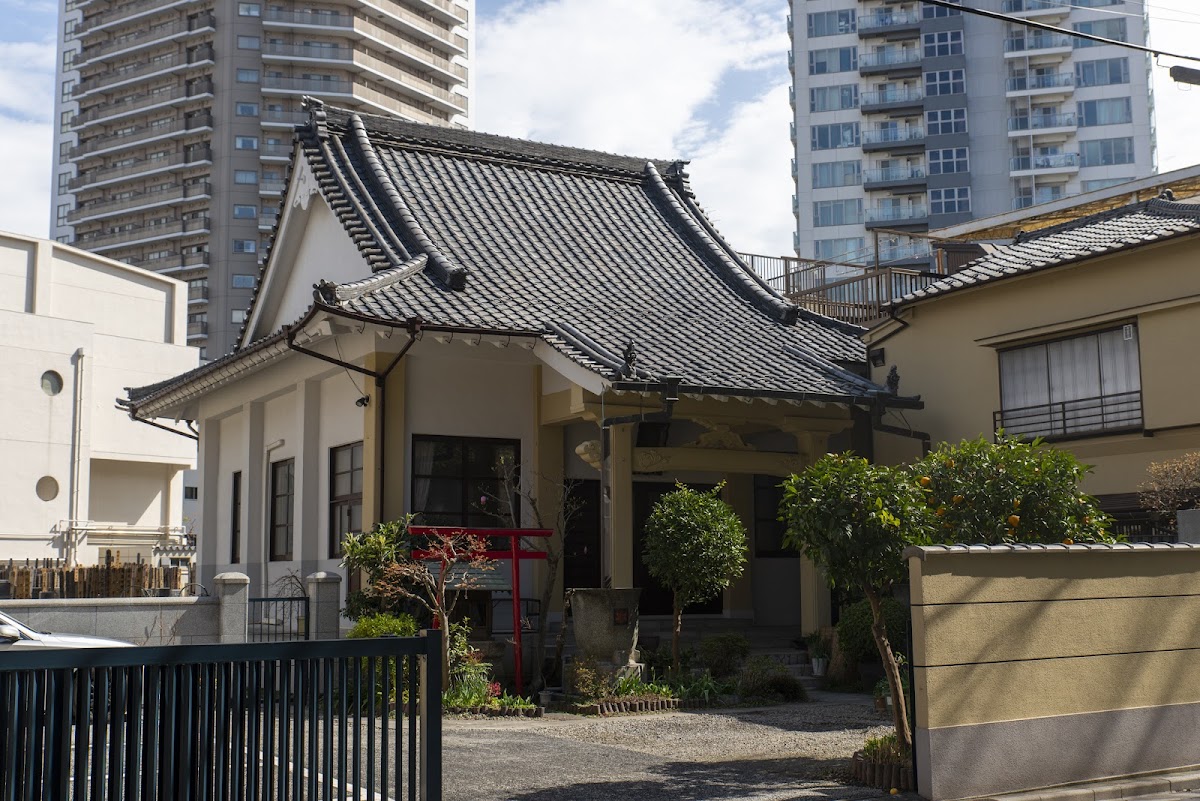
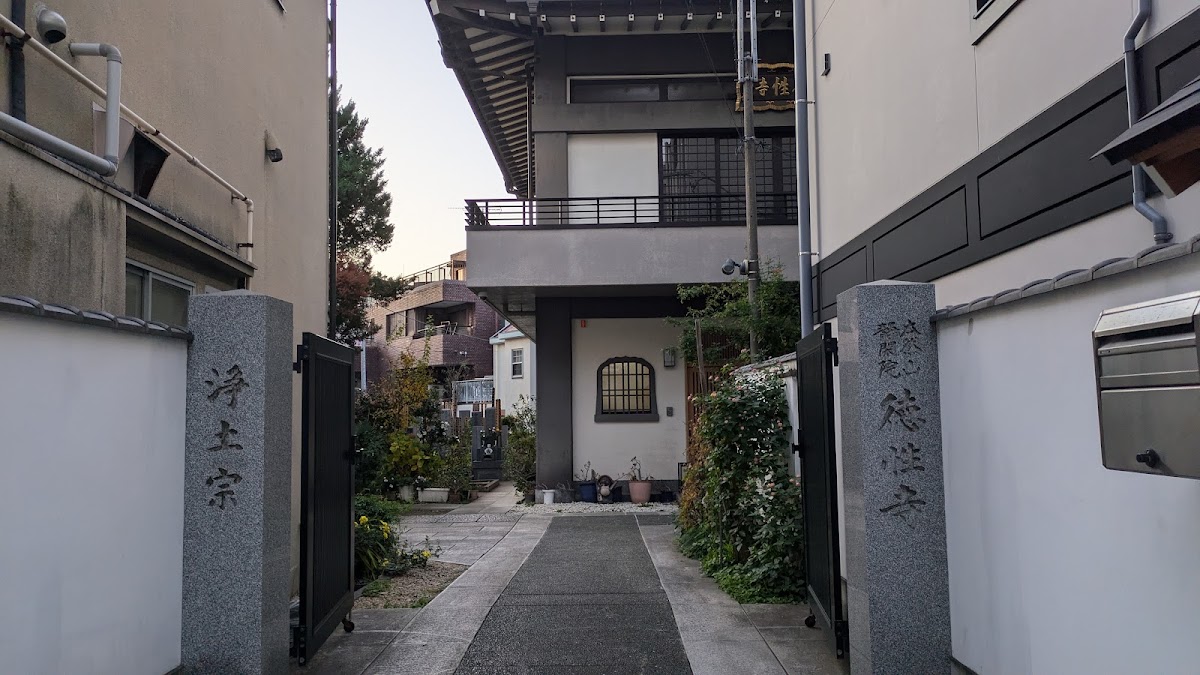
Tokusei-ji Temple, located in Bunkyo Ward, Tokyo, is a Jodo sect temple founded in 1616 by Zenrensha Kakuyo. It is known as a historical temple dating back to the early Edo period.
The Great Fire of Meireki and Relocation
Originally, Tokusei-ji Temple was located on Yushima Tsumakoi-zaka. However, the Great Fire of Meireki in 1657 forced it to relocate to its current location. The Great Fire of Meireki was a major disaster that destroyed most of Edo, and many temples experienced relocation as a result.
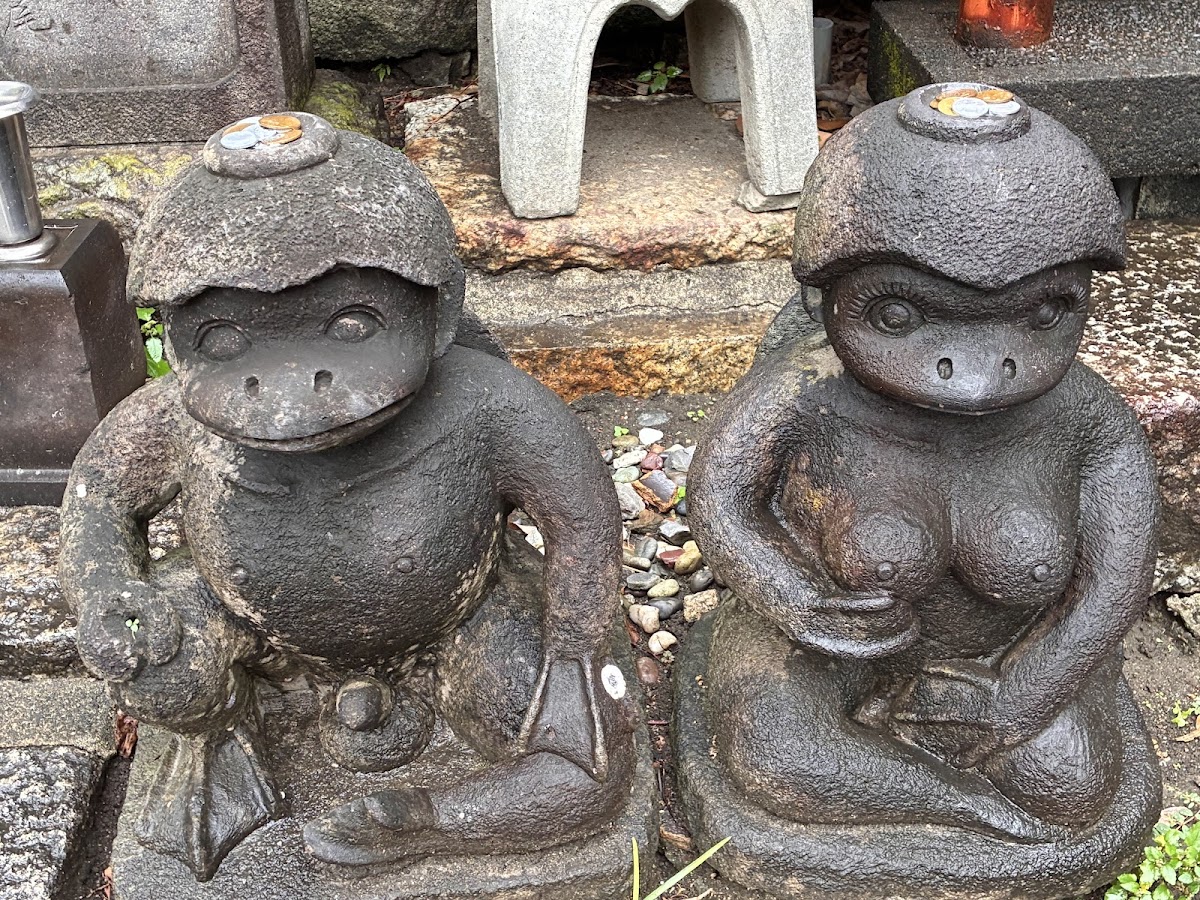
Hooyaki Jizo (Cheek-Burning Jizo)
The most famous feature of Tokusei-ji Temple in Bunkyo Ward is the “Hooyaki Jizo” (Cheek-Burning Jizo). This Jizo has an interesting legend associated with it, attracting local devotion. The Hooyaki Jizo has been an object of folk worship since the Edo period, and many worshippers still visit it today.
Cemetery and Cultural Properties
Despite being located in the heart of Tokyo’s Bunkyo Ward, the temple maintains a historical cemetery. Tombstones from the Edo period remain, providing valuable resources for studying the culture and society of that time.
Access
Located in the heart of Bunkyo Ward, Tokyo, it boasts excellent access from the nearest station. Despite being in the city center, it maintains a quiet environment, making it suitable for worship.
Tokusei-ji Temple (Shingon-shu Buzan-ha) in Kazo City, Saitama Prefecture
Sect and Characteristics
Tokusei-ji Temple, located in Kazo City, Saitama Prefecture, belongs to the Shingon-shu Buzan-ha sect. The exact founding date is unknown, but important historical sites remain within the temple grounds.
Tomb of Koyama Tomomasa
The most noteworthy feature of Tokusei-ji Temple in Kazo City is the “Tomb of Koyama Tomomasa,” designated as a historical site by Kazo City. Koyama Tomomasa was a samurai known as a retainer who served Minamoto no Yoritomo and was active in the early Kamakura period. The existence of this tomb suggests that Tokusei-ji Temple existed at least by the Kamakura period.
Historical Value
As a temple associated with a Kamakura period samurai, Tokusei-ji Temple in Kazo City occupies an important position in local history research. As a temple of the Shingon-shu Buzan sect, it continues to preserve the tradition of esoteric Buddhism.
Tokusei-ji Temple (Jodo Sect) in Soka City, Saitama Prefecture
Founding Legend
Located in Niisato-cho, Soka City, Saitama Prefecture, Tokusei-ji Temple is a Jodo sect temple. The exact founding date is unknown, but one theory suggests it was established as a retirement temple for Gensho, the head priest of Zentoji Temple in Kawaguchi City (who was also the founder of Zentoji Temple).
Temple Information
- Sect: Jodo-shu (Pure Land Buddhism)
- Location: 691 Niisato-cho, Soka City, Saitama Prefecture
- Nearest Station: Minumadai Shinsui-koen Station, Toneri Station
Memorial Services and Interment
Tokuseiji Temple in Soka City offers general funerals and memorial services, as well as interment services in its columbarium. Nearby cemeteries include Memorial Garden Niisato and Sai no Miyako Memorial Park, making it a central hub for memorial services in the region.
Access Information
The temple is within walking distance of Minumadai Shinsui-koen Station and Toneri Station, making it easily accessible from the Tokyo metropolitan area. Parking is available, allowing visitors to come by car.
Tokusei-ji Temple (Tendai Sect), Fujimino City, Saitama Prefecture
As a Tendai Sect Temple
Tokusei-ji Temple, located in Oi, Fujimino City, is a temple belonging to the Tendai sect. Its official name is Tendai-shu Tenryuzan Honjoin Tokusei-ji, and it is positioned as a branch temple of Kanjoin Temple in Furuya, Kawagoe City.
Founding and History
According to tradition, it was founded approximately 450 years ago during the Muromachi period by the monk Shuzan Risshi. Based on the doctrines of the Tendai sect, it has attracted the faith of the local community.
The Great Fire of the Meiji Era
On January 16, 1881 (Meiji 14), a great fire broke out in Oi-machi, destroying the main hall, living quarters, and other buildings of Tokusei-ji Temple. Because the records from that time were lost in this fire, many details of its history prior to that point remain unknown.
As a Funeral Hall
Tokuseiji Temple in Fujimino City is still used as a funeral hall. Solemn funerals are held there according to Tendai sect rituals, and it functions as a place for local people to bid farewell to their loved ones.
Tokuseiji Temple in Nagasaki Prefecture (Nichiren Sect)
As a Nichiren Sect Temple
Tokuseiji Temple, belonging to the Nichiren sect, exists in Nagasaki Prefecture. It was founded on March 10, 1645 (Shoho 2) by Tokuseiin Nichikai.
History of Relocation
Initially located in Konishi, Yamato Village, Sanbu District, Chiba Prefecture, it was relocated to Yamada Village (present-day Azuma Town) in 1899 (Meiji 32) by Honkoin (Baba) Nichichi. Furthermore, it was moved to its current location in 1929 (Showa 4), and the main hall and priest’s quarters were constructed.
Features
This temple conducts religious services and ceremonies based on the doctrines of the Nichiren sect, giving it distinct sectarian characteristics compared to other Tokusei-ji temples.
Similarities and Differences Among Tokusei-ji Temples
Common Characteristics
The following are common characteristics among Tokusei-ji temples throughout Japan:
- Ancient History: Many were founded during the Muromachi period or early Edo period.
- Strong Connections to the Community: Each has functioned as a local family temple.
- Reconstruction from Disaster: Many temples have a history of being rebuilt after experiencing disasters such as fires.
- Maintenance of Cemeteries: Historic cemeteries are maintained, serving as places for ancestral worship.
Differences by Sect
Each Tokusei-ji temple belongs to a different sect and has its own unique characteristics:
- Jodo-shu (Hofu City, Bunkyo Ward, Soka City): Amida Buddha is the principal deity, and practice centers on chanting the Buddha’s name.
- Shingon-shu Buzan-ha (Kazo City): Practice and rituals based on the doctrines of Esoteric Buddhism.
- Tendai-shu (Fujimino City): Comprehensive Buddhism with the Lotus Sutra as its fundamental scripture
- Nichiren Buddhism (Nagasaki Prefecture): A faith based on chanting the title of the Lotus Sutra
Events and Memorial Services at Tokusei-ji Temple
Annual Events
Each Tokusei-ji temple holds annual events according to its sect. Jodo-shu temples hold spring and autumn equinox services, Obon memorial services, and the December body-wiping ceremony. Shingon-shu temples feature Goma rituals, while Tendai-shu temples are characterized by the Lotus Sutra repentance ceremony.
Funerals and Memorial Services
Even today, Tokusei-ji temples play an important role as venues for funerals and memorial services for their parishioners. Memorial services are held from the seventh day to the forty-ninth day, the first anniversary, and the third anniversary.
About Memorial Services and Interment
Many Tokusei-ji temples have columbariums and perpetual memorial graves, offering memorial services that meet modern needs. In particular, Tokuseiji temples in urban areas are developing columbarium facilities to address the shortage of burial plots.
Visiting and Inquiries
Manners for Visiting
When visiting Tokuseiji temple, please observe the following basic manners:
- Bow at the temple gate before entering the grounds.
- Join your hands in prayer before the main hall.
- Maintain silence and avoid disturbing other visitors.
- Obtain permission before taking photographs.
- Follow the parking lot rules.
How to Inquire
Inquiries to each Tokuseiji temple are generally made by telephone or in person. It is recommended to contact them in advance for consultations regarding memorial services, funerals, burial plots, and columbarium arrangements.
Cultural Properties and Sightseeing Around Tokuseiji Temple
Around Hofu City
Around Tokuseiji temple in Hofu City, Yamaguchi Prefecture, there are numerous historical tourist spots, including Hofu Tenmangu Shrine and the Mori Clan Garden. The Migita area is known as a place associated with the Mori family and is suitable for historical walks.
Around Bunkyo Ward
Around Tokuseiji Temple in Bunkyo Ward, Tokyo, there are many cultural facilities and historical sites, including Yushima Tenjin Shrine, the University of Tokyo, and Nezu Shrine. Bunkyo Ward is known as “Bunnokyo” (the city of literature), and is a region where history and culture thrive.
Various Locations in Saitama Prefecture
Around each Tokuseiji Temple in Saitama Prefecture, there are historical sites, shrines, and temples that tell the story of the region’s history. Nearby are the ruins of Kisai Castle in Kazo City, Soka Matsubara in Soka City, and the traditional storehouse district of Kawagoe in Fujimino City.
The Role of Tokuseiji Temple in Modern Times
Center of Local Communities
Even in modern times, Tokuseiji Temple functions as the spiritual center of local communities. It also plays a social role, such as fostering community connections through the danka (parishioner) system and intergenerational exchange through annual events.
Protection of Cultural Properties
Each Tokuseiji Temple also plays a role in protecting and preserving cultural properties such as valuable Buddhist statues, ancient documents, and gravestones. Temples, especially those possessing designated cultural properties, strive to preserve these cultural assets while maintaining a balance between appropriate management and public access.
As a Place of Spiritual Support
Even in today’s society where religious affiliation is declining, Tokuseiji Temple remains a place of spiritual support for people during life’s milestones and difficult times. It functions not only as a place for funerals and memorial services, but also as a place for life counseling and emotional support.
Summary
Temples bearing the name “Tokuseiji” are scattered throughout Japan, each cultivating its own unique history and culture. While belonging to different sects such as Jodo-shu, Shingon-shu Buzan-ha, Tendai-shu, and Nichiren-shu, they play important roles as centers of local faith and as guardians of cultural properties.
Tokuseiji Temple in Hofu City, Yamaguchi Prefecture, has a deep connection with the Mori family; Tokuseiji Temple in Bunkyo Ward, Tokyo, houses the Hooyaki Jizo statue; and Tokuseiji Temple in Kazo City, Saitama Prefecture, contains the tomb of Koyama Tomomasa. Each temple has its own distinctive history and cultural assets. Visiting these temples will deepen your understanding of Japanese Buddhist history and local history.
Those wishing to visit the temples are advised to check the location and access information of each temple and to visit while observing appropriate etiquette. A quiet time spent at the historic Tokuseiji Temple is sure to teach us something important for those of us living in the modern age.