Tozenji Temple (Ena City, Gifu Prefecture) Complete Guide | History, Highlights, and Access Information
Tozenji Temple, located in Oi-cho, Ena City, Gifu Prefecture, is a historic temple belonging to the Obaku school of Zen Buddhism. Its principal image is the Eleven-Faced Thousand-Armed Kannon Bodhisattva, and it welcomes many worshippers as the first stop on the Ena Thirty-Three Kannon Pilgrimage. Its mountain name is Enichizan. Rebuilt in the early Edo period, this temple has been a center of regional Buddhist culture, attracting worshippers for over 350 years.
Basic Information about Tozenji Temple
Location: 354 Oi-cho, Ena City, Gifu Prefecture
Sect: Obaku-shu (Obaku School)
Mountain Name: Enjitsuzan
Principal Image: Eleven-faced Thousand-armed Kannon Bodhisattva
Pilgrimage Site: First of the Ena Thirty-Three Kannon Pilgrimage Sites
Founder: Tsugen Zentoku
First Abbot: Sekiun Dōnyo
Founded: Enpō 1 (1673)
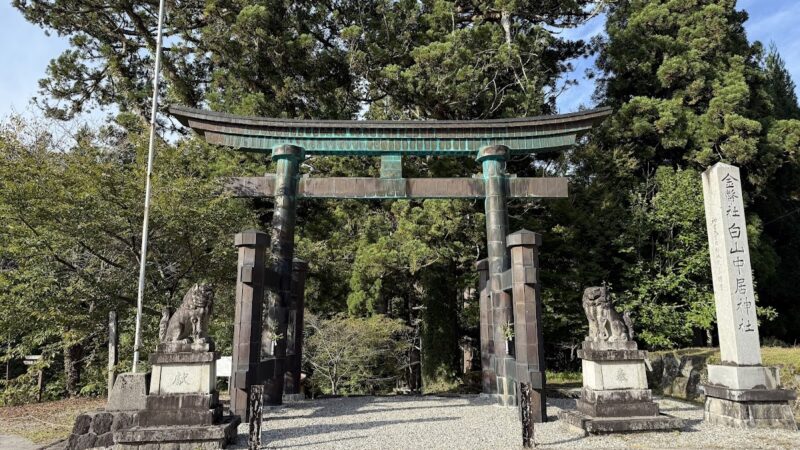
Tozenji Temple is located in Oi-cho, in the heart of Ena City, and is easily accessible from JR Ena Station. The surrounding area is dotted with historical cultural assets such as Takenami Shrine, making it an important spot for historical walks in Ena City.
History of Tozenji Temple
Circumstances of Founding and Relocation from Owari Province
The history of Tozenji Temple dates back to Enpō 1 (1673). The founder, Tsūgen Zentoku, rebuilt Tōzen-ji Temple, which had fallen into disrepair in Shidami Village, Owari Province (present-day Moriyama Ward, Nagoya City, Aichi Prefecture), by relocating it to the grounds of Takenami Shrine.
During this period, with the Edo Shogunate entering a stable phase, temples were being restored and rebuilt throughout the country. Tsūgen Zentoku aspired to revive the dilapidated Tōzen-ji Temple and chose the Ena area. The relationship with Takenami Shrine reflects the syncretic culture of Shinto and Buddhism at the time, and the coexistence of temples and shrines is characteristic of religious culture in the Edo period.
Introduction of the Ōbaku School and Sekiun Dōnyo
For the reconstruction, Tsūgen Zentoku invited Sekiun Dōnyo from Manpuku-ji Temple, the head temple of the Ōbaku school in Uji City, Kyoto Prefecture, to be the founding abbot. The Ōbaku school of Zen Buddhism is a relatively new school, founded in 1654 during the early Edo period by Ingen Ryūki, who came from China. It is known for its strong influence from the Zen style of the Ming Dynasty in China.
By welcoming Sekiun Dōnyo as its founding abbot, Tōzenji Temple played a crucial role in establishing the teachings and culture of the Ōbaku school in the Ena region. The Ōbaku school introduced Chinese elements to Japanese Buddhism, including architectural styles, Buddhist statue styles, and ritual practices, bringing a fresh perspective to the Buddhist world of the Edo period.
Role as the First Temple of the Ena Thirty-Three Kannon Pilgrimage
Tōzenji Temple serves as the first temple of the Ena Thirty-Three Kannon Pilgrimage, marking the starting point of the region’s pilgrimage culture. Pilgrimages to Kannon temples are a traditional Japanese form of faith dating back to the Heian period. While the Saigoku Thirty-Three Kannon Pilgrimage and the Bandō Thirty-Three Kannon Pilgrimage are well-known, unique Kannon pilgrimage sites have also been formed in various regions.
The Ena Thirty-Three Kannon Pilgrimage is a pilgrimage route that visits temples dedicated to Kannon Bodhisattva scattered throughout the Ena region. Tozenji Temple, the first temple on the pilgrimage, plays a vital role as the first temple pilgrims visit, praying for a safe journey. Its benevolent principal image, the Eleven-Faced Thousand-Armed Kannon Bodhisattva, attracts the faith of many worshippers.
Changes from the Edo Period to the Present
Since its founding in 1673 (Enpo 1), Tozenji Temple has developed as the center of Buddhist culture in the Ena region. Throughout the Edo period, it served as a place of faith for the local people, deeply connected to the community through funerals, memorial services, and annual events.
Despite the impact of the anti-Buddhist movement and the separation of Shinto and Buddhism during the Meiji era, Tozenji Temple survived and continued to protect the local faith. Its relationship with Takenami Shrine also changed due to the separation of Shinto and Buddhism, but the two still exist in close proximity, forming part of Ena City’s historical landscape.
Throughout the Showa, Heisei, and Reiwa eras, Tozenji Temple has adapted to modern forms of faith while preserving its traditions. Its value as a designated cultural property of Ena City has been recognized, and it is protected as a regional historical heritage site.
Temple Treasures and Cultural Properties
Principal Image: Eleven-Faced Thousand-Armed Kannon Bodhisattva
The most important treasure of Tozenji Temple is its principal image, the Eleven-Faced Thousand-Armed Kannon Bodhisattva. Kannon Bodhisattva is widely worshipped as a compassionate Buddha, and the Eleven-Faced Thousand-Armed Kannon, in particular, is a transformed Kannon said to have eleven faces watching over all directions and a thousand arms to save all sentient beings.
The “thousand arms” of the Thousand-Armed Kannon actually symbolize infinite salvation power, expressing Kannon Bodhisattva’s compassion to save all suffering people. The eleven faces signify seeing in all directions and not overlooking the suffering of sentient beings.
The principal image of Tozenji Temple, as the first temple on the Ena Thirty-Three Kannon Pilgrimage, is a center of faith for pilgrims and local people, and many visitors offer prayers there.
Obaku-style Architecture and Buddhist Artifacts
As an Obaku-style temple, Tozenji Temple exhibits architectural styles and Buddhist artifacts unique to the Obaku sect. The Obaku sect retains strong influences from the style of Chinese Ming Dynasty Zen Buddhism, incorporating Chinese elements into its architecture, Buddhist statues, and artifacts.
A distinctive feature of the Obaku sect is its unique layout of the main hall, roof shape, and decorative style, giving it a different atmosphere from traditional Japanese Zen temples such as the Rinzai and Soto sects. Furthermore, some of the Buddhist artifacts and temple bells used in rituals also exhibit a style unique to the Obaku sect.
City-Designated Cultural Properties
Tozenji Temple possesses temple treasures designated as cultural properties by Ena City. These cultural properties are important resources for understanding the region’s history and Buddhist culture, and are appropriately preserved and managed.
City-designated cultural properties are those recognized by the local government as possessing historical and cultural value, and they demonstrate the historical value of Tozenji Temple. These cultural properties are sometimes opened to the public on special occasions and are carefully preserved as part of the region’s cultural heritage.
About the Obaku School
Establishment and Characteristics of the Obaku School
The Obaku school is a branch of Zen Buddhism founded in 1654 during the early Edo period by Ingen Ryuki, who came to Japan from Fujian Province, China. It is considered one of the three major Zen schools in Japan, after the Rinzai and Soto schools.
The name Obaku originates from Manpuku-ji Temple on Mount Huangbo in Fujian Province, China. Ingen was invited to Japan at the age of 63 and founded Manpuku-ji Temple in Uji City, Kyoto Prefecture. The Obaku school has transmitted the Zen style of the Ming Dynasty in China, and Chinese elements remain strongly present in its rituals, manners, and architectural style.
The Teachings and Practices of the Obaku School
The Obaku school, while emphasizing seated meditation (zazen) as a Zen school, also incorporates the practice of nembutsu (recitation of Amida Buddha’s name), a unique characteristic known as “Zen-Jyo-Shu” (simultaneous Zen and Pure Land Buddhism). This combines Zen practice with the nembutsu of Pure Land Buddhism, a feature rarely seen in other Zen schools.
Furthermore, Obaku rituals include the Chinese style of chanting called Bonbai, which has a distinctive tone. Dining etiquette is also Chinese in style, and they have introduced the “Fucha Ryori” style of vegetarian cuisine.
The Influence of the Obaku School on Japanese Culture
The Obaku school had a significant influence not only on Buddhism but also on Japanese culture in general. The “ingen bean,” said to have been introduced by Ingen, derives its name from him, and many other plants, such as watermelon, lotus root, and moso bamboo, are believed to have been brought to Japan by Obaku monks.
Furthermore, monks of the Ōbaku school left a significant mark in artistic fields such as calligraphy, painting, and seal carving. In particular, the three most famous calligraphers of the Ōbaku school—Ingen, Mokuan Shōtō, and Sokuhi Ruyi—brought a fresh perspective to the history of Japanese calligraphy.
About the Ena Thirty-Three Kannon Pilgrimage
Significance of the Kannon Pilgrimage
The Kannon pilgrimage is a traditional Japanese form of faith, involving visiting temples dedicated to Kannon Bodhisattva in sequence. Kannon Bodhisattva, also known as “Kannon Bosatsu,” is widely worshipped as a compassionate Buddha who hears the cries of suffering beings and offers salvation.
The number thirty-three is based on the teaching of the “Universal Gate Chapter of Kannon Bodhisattva” in the Lotus Sutra, which states that Kannon Bodhisattva transforms into thirty-three forms to save sentient beings. It is believed that by visiting the thirty-three sacred sites, one can encounter all forms of Kannon Bodhisattva and accumulate merit.
Characteristics of the Ena Thirty-Three Kannon Pilgrimage
The Ena Thirty-Three Kannon Pilgrimage is a pilgrimage route that visits temples dedicated to Kannon Bodhisattva scattered throughout the area centered around Ena City. Reflecting the local faith and history, each temple has its own unique history and characteristics.
Starting at Tozenji Temple, the first temple on the pilgrimage, pilgrims can experience the local history, culture, and nature by visiting various temples within Ena City. While pilgrimages are sometimes undertaken on foot, nowadays many utilize automobiles, and are enjoyed in various styles, from day trips to multi-day journeys.
The Role of Tozenji Temple as the First Temple
The first temple, the starting point of the pilgrimage, holds special significance for the entire journey. Tozenji Temple welcomes many pilgrims, providing a place to pray for a safe journey ahead and to compose oneself.
At the first temple, pilgrims can purchase goshuincho (stamp books) and nokyocho (sutra copying books), and learn about pilgrimage etiquette. Tozenji Temple serves as the starting point for the Ena Thirty-Three Kannon Pilgrimage, warmly welcoming pilgrims.
Highlights of Tozenji Temple
Main Hall and Grounds
Tozenji Temple’s main hall is a magnificent building incorporating the architectural style of the Obaku school of Zen Buddhism. Inside, the principal image, the Eleven-Faced Thousand-Armed Kannon Bodhisattva, is enshrined, allowing visitors to worship in a serene atmosphere.
The temple grounds are well-maintained, allowing visitors to experience the beauty of nature throughout the seasons. Cherry blossoms in spring, lush greenery in summer, vibrant autumn leaves, and tranquility in winter—each season presents a different face. It’s a space where you can find peace of mind while strolling through the grounds.
Historical Connection with Takenami Shrine
When Tozenji Temple was rebuilt, it was relocated to the grounds of Takenami Shrine. Although independent since the separation of Shinto and Buddhism, the two are close together and form part of the historical landscape of Ena City.
Takenami Shrine is also a historical shrine, and visiting it together with Tozenji Temple allows you to experience the history of Shinto-Buddhist syncretism and the evolution of Japanese religious culture. Visiting both will give you a deeper understanding of Ena City’s history.
Annual Events and Memorial Services
Tozenji Temple holds various Buddhist events and memorial services throughout the year. These include the New Year’s visit, the spring and autumn equinox services, and the Obon memorial service, providing opportunities for local people to gather.
These events play an important role in learning Buddhist teachings, honoring ancestors, and maintaining the local community. By participating in these events, visitors can experience Buddhist culture and find peace of mind.
Access Information
Access by Public Transportation
By Train
- Get off at Ena Station on the JR Chuo Main Line, approximately 15 minutes on foot.
- Ena Station is accessible from both Nagoya and Nakatsugawa/Shiojiri.
- Approximately 1 hour from Nagoya Station to Ena Station on the JR Chuo Main Line.
By Bus
- You may be able to use the Ena City Community Bus from Ena Station.
- For details, please contact Ena City Hall or the Ena City Tourism Association.
Access by Car
By Expressway
- Approximately 10 minutes from Ena IC on the Chuo Expressway.
- Approximately 3 hours and 30 minutes from Tokyo.
- Approximately 1 hour from Nagoya.
Parking
- There are parking spaces around the temple, but it is recommended to check details in advance.
- There is also a parking lot for Takenami Shrine nearby.
Nearby Tourist Attractions
When visiting Tozenji Temple, we recommend also visiting other tourist attractions in Ena City.
Ena Gorge
A representative scenic spot in Ena City, this artificial lake was created by the Oi Dam, which dammed the Kiso River. Visitors can enjoy the beautiful scenery of strangely shaped rocks and cliffs, and cruises on sightseeing boats are also popular.
Iwamura Castle Ruins
The ruins of Iwamura Castle, one of Japan’s three greatest mountain castles. Located on a mountaintop at an altitude of 717m, the stone walls remain remarkably well-preserved. The castle town has also been designated an Important Preservation District for Groups of Traditional Buildings, preserving the townscape of the Edo period.
Akechi Railway
The popular Akechi Railway, a local line, connects Ena Station to Akechi Station. The train journey through the peaceful rural landscape allows passengers to enjoy the scenery of each season.
Etiquette and Manners for Visiting Temples
Basic Etiquette for Visiting Temples
When visiting temples, please observe the following basic etiquette.
- Bow at the Temple Gate: When entering the temple, bow at the temple gate before entering the grounds.
- Purification at the Water Basin: If there is a water basin, purify your hands and mouth.
- Worship at the Main Hall: Join your hands in prayer before the main hall, bow, offer your donation, and then join your hands again in prayer.
- Respectful Respect: Be quiet on the temple grounds and avoid disturbing other worshippers.
- Photography: Refrain from taking photos in areas where photography is prohibited, and take photos with consideration even in areas where photography is permitted.
About Goshuin (Temple Seals)
At Tozenji Temple, you can receive a Goshuin as proof of your visit (please check the hours and conditions in advance). A Goshuin is not merely a commemorative stamp, but proof of your visit and a way to forge a connection with Buddha.
When receiving a Goshuin, please note the following points.
- Always visit the shrine before receiving the stamp.
- Prepare a Goshuincho (stamp book) (avoid using other notebooks, etc.).
- Prepare an offering (usually around 300 yen).
- Request using polite language.
- Wait quietly while the stamp is being written.
Advice for Pilgrims
Advice for those undertaking the Ena Thirty-Three Kannon Pilgrimage.
- Plan: Decide in advance whether to complete the entire route in one go or in several stages.
- Clothing: Choose comfortable clothing and shoes for walking. Seasonal precautions are also necessary.
- Items to bring: Prepare a Goshuincho (stamp book), Nokyocho (pilgrimage stamp book), map, drinking water, rain gear, etc.
- Time allocation: Plan with ample time, considering the time spent at each temple.
- Manners: Observe the customs of each temple and remember to be considerate of the local people.
History and Culture of Ena City
Overview of Ena City
Ena City is located in the southeastern part of Gifu Prefecture, bordering Nagano Prefecture, and is a mountainous city. In 2004, Ena City and five towns and villages in Ena District merged to form the current Ena City. With a population of approximately 50,000, it is a region where rich nature and historical and cultural assets harmonize.
The city’s name originates from Mount Ena (elevation 2,191m). Mount Ena is one of Japan’s 100 Famous Mountains and has been an object of worship since ancient times. The Kiso River flows through the city, forming scenic spots such as Enakyo Gorge.
History of Ena City
The Ena region has a long history, with Jomon period ruins having been discovered. In ancient times, the Tōsandō road passed through the area, and it developed as a transportation hub. In the Middle Ages, Iwamura Castle was built, and it flourished as a castle town.
During the Edo period, the Nakasendō road was developed, and Ōi-juku developed as a post town. Tōzen-ji Temple was founded during this period and played an important role as a center of the region’s Buddhist culture.
After the Meiji era, sericulture and forestry flourished, and modernization progressed. Currently, tourism is also an important industry, with Ena Gorge, the ruins of Iwamura Castle, and the Akechi Railway being utilized as tourist resources.
Temple Culture of Ena City
Besides Tōzen-ji Temple, Ena City has many other temples, each conveying the history and culture of the region. In addition to the temples that make up the Ena Thirty-Three Kannon Pilgrimage, there are temples in each area that are closely connected to the local community as family temples.
These temples are important not only for their religious roles, such as funerals and memorial services, but also as repositories of cultural artifacts that convey the history of the region. Valuable cultural assets, such as Buddhist statues, paintings, and ancient documents, are preserved in each temple.
Significance of Visiting Tozenji Temple
Touching History
Visiting Tozenji Temple means directly experiencing its history, which dates back to the early Edo period. Since its founding in 1673, this temple has attracted the faith of the local community for over 350 years, witnessing the changing times.
Another attraction of Tozenji Temple is the opportunity to experience the culture of the Obaku sect, a new Buddhist sect introduced during the Edo period. The Obaku style, which strongly retains the Zen style of the Ming Dynasty in China, has a unique atmosphere different from traditional Japanese Buddhist temples.
Finding Peace of Mind
The time spent finding peace of mind in a quiet temple, away from the hustle and bustle of modern society, is precious. The grounds of Tozenji Temple, surrounded by nature in all four seasons, offer visitors a tranquil space that provides peace of mind. By joining your hands in prayer before the principal image, the Eleven-Faced Thousand-Armed Kannon Bodhisattva, you can connect with compassion and gain an opportunity to reflect on your daily life. Kannon Bodhisattva is worshipped as “the Buddha who hears the cries of suffering and provides salvation,” and is a presence that resonates with the hearts of worshippers.
Understanding Local Culture
Visiting Tozenji Temple also leads to an understanding of the local culture of Ena City. Temples are not merely religious facilities; they have been deeply intertwined with people’s lives as the heart of the community.
As the first temple on the Ena Thirty-Three Kannon Pilgrimage, Tozenji Temple is the starting point of the region’s pilgrimage culture. Pilgrimage culture is an expression of the faith and culture shared by the people of the region, and experiencing it deepens one’s understanding of the area.
References
The following materials are helpful regarding Tozenji Temple and its related history and culture.
Ena City History and Local History Materials
The city history and local history compiled by Ena City contain detailed descriptions of the history of temples within the city, including Tozenji Temple. Available for viewing at Ena City Library and Ena City Board of Education.
Obaku Zen Sect Related Literature
Numerous research books have been published on the history and culture of the Obaku Zen sect, including Manpuku-ji Temple. These can deepen your understanding of the characteristics, teachings, and cultural influence of the Obaku Zen sect.
Kannon Worship and Pilgrimage Related Literature
Many studies have been conducted on Kannon worship and pilgrimage from the perspectives of Buddhist studies and folklore. These documents can provide a deeper understanding of the significance of the Ena Thirty-Three Kannon Pilgrimage.
Gifu Prefecture and Ena City Tourism Materials
Tourism brochures and websites published by the Gifu Prefecture Tourism Federation and the Ena City Tourism Association contain tourist information, including information on Tozen-ji Temple. These are useful for checking the latest visiting and access information.
Summary
Tozen-ji Temple, located in Oi-cho, Ena City, Gifu Prefecture, is an Obaku Zen temple founded in 1673 (Enpo 1). Tozenji Temple, with its principal image being the Eleven-Faced Thousand-Armed Kannon Bodhisattva, has been the first temple on the Ena Thirty-Three Kannon Pilgrimage for over 350 years, attracting the faith of the local community.
Tozenji Temple boasts many points of interest, including its history of relocation and reconstruction from Owari Province, the unique culture of the Obaku sect, and its role as a Kannon pilgrimage site. It is a temple that offers a valuable opportunity to calm the mind in its tranquil grounds, to connect with history, and to understand local culture.
When visiting Ena City, be sure to visit Tozenji Temple. Combining a visit with other tourist spots such as Enakyo Gorge and Iwamura Castle Ruins will allow you to experience Ena City’s nature, history, and culture comprehensively. Its convenient location within walking distance of JR Ena Station also makes it easily accessible.
For pilgrims, Tozenji Temple holds special significance as the starting point of the Ena Thirty-Three Kannon Pilgrimage. Through worship at the first temple, one can pray for a safe pilgrimage and forge a connection with Kannon Bodhisattva.
In modern society, temples play an important role as places of spiritual solace. By visiting Tozenji Temple, you can escape the hustle and bustle of everyday life and spend a quiet time reflecting on yourself.