Tsubaki Shrine (Hirauchi Town, Higashitsugaru District, Aomori Prefecture) Complete Guide: The Natural Monument Tsubakiyama Mountain and the Sad Legend
Located on the Natsudomari Peninsula in Hirauchi Town, Higashitsugaru District, Aomori Prefecture, Tsubaki Shrine is a historic shrine situated on Tsubakiyama Mountain, a nationally designated natural monument. Known for its spectacular views overlooking Mutsu Bay and as a habitat for wild camellias nearing their northernmost limit, this area is still steeped in a sad yet beautiful legend.
History and Origins of Tsubaki Shrine
Founding and Changes
The history of Tsubaki Shrine is ancient, dating back to the beginning of the Bunji era (around 1185). Initially, it existed as a shrine dedicated to the legends surrounding Tsubakiyama Mountain. During the Tensho era (1573-1593), it was known as Tsubakizaki Daimyojin and attracted the faith of the local community.
The shrine’s official founding is said to be April 3, 1698 (Genroku 11), and it was later renamed “Tsubaki Shrine” in 1855 (Ansei 2). It is a historic shrine that has protected this land for over 400 years.
Deities Enshrined
The following deities are enshrined at Tsubaki Shrine:
- Sarutahiko-no-Okami: Known as the god of opening paths, a god who guides people on their life’s journey.
- Ame-no-Uzume-no-Mikoto: A goddess worshipped as the god of performing arts and marital harmony.
These two deities are considered a married couple and are believed to bring blessings for successful relationships, opening paths, and traffic safety.
Location and Topography of Tsubakiyama
Location on the Natsudomari Peninsula
Tsubakiyama is located in Kominatogoe, Higashitazawa, Hiranai-machi, Higashitsugaru-gun, Aomori Prefecture, and spreads out on the eastern side of the Natsudomari Peninsula, which juts out into Mutsu Bay. This peninsula is a scenic area located approximately 30 km east of Aomori City and northeast of the center of Hiranai-machi.
The Natsudomari Peninsula occupies an important geographical position separating Mutsu Bay and the Pacific Ocean, and has long been known as a key point for maritime traffic. Tsubaki Shrine is situated on the eastern slope of this peninsula, overlooking the magnificent Mutsu Bay.
Topographical Characteristics
The Tsubakiyama area forms a steep coastal terrace, located at an altitude of approximately 100 to 150 meters above sea level. Despite the harsh environment with strong winds blowing in from the sea, this topography has fostered unique vegetation.
The eastern side of the Natsudomari Peninsula, with its rocky coastline, is a scenic spot known for its powerful waves and has been selected as one of “Japan’s Top 100 Beaches.” From the area around Tsubaki Shrine, on clear days, you can see the Shimokita and Tsugaru Peninsulas, making it a popular spot for its spectacular views.
About Tsubakiyama, a Nationally Designated Natural Monument
History of Designation as a Natural Monument
Tsubakiyama was designated a national natural monument on March 7, 1923 (Taisho 12). Its designated name is “Northernmost Limit of Camellia Habitat on the Natsudomari Peninsula,” and it is considered a scientifically very important site as the northernmost natural habitat of the Japanese camellia in Japan.
Habitat of the Japanese Camellia
Tsubakiyama is home to over 3,000 Japanese camellia trees, and its scale and density are the largest in the Tohoku region. The Japanese camellia (Camellia japonica) is an evergreen tree that naturally prefers warm climates, but in this region, it thrives while enduring the harsh winter cold.
Characteristics of the Japanese Camellia:
- Tree height: Approximately 3-10m
- Flowering period: Late April to mid-May (late blooming in this region)
- Flower color: Vivid crimson
- Leaves: Glossy, dark green evergreen leaves
Due to the influence of sea breezes, the camellia trees grow low and spread horizontally, creating a unique landscape. This adaptation to the harsh winter environment is a precious natural beauty not seen in other regions.
Vegetation and Ecosystem of Tsubakiyama
Tsubakiyama is home to the following plants, primarily Japanese camellias:
- Machilus thunbergii
- Morus australis
- Elderberry
- Japanese lacquer tree
- Various ferns
These plant communities form a valuable ecosystem where northern and southern flora coexist, making them an important subject of botanical research.
A Sad Legend of Tsubakiyama
The Legend of Otama
At Tsubaki Shrine, a sad legend remains that tells the origin of the abundance of camellias in this area.
Summary of the Legend:
Long ago, a beautiful girl named Otama lived in this area. Otama fell in love with a young man from the village, but due to differences in social status and family circumstances, their relationship was not accepted by those around them.
In despair, Otama threw herself off a cliff on Tsubakiyama, her heart filled with longing for the man she loved. It is said that after Otama threw herself to her death, beautiful camellia flowers began to bloom, and eventually the entire mountain became covered in camellias.
The crimson camellia flowers are considered a symbol of Otama’s pure love and sorrow, and they still touch the hearts of visitors today.
Otama’s Grave and Memorial
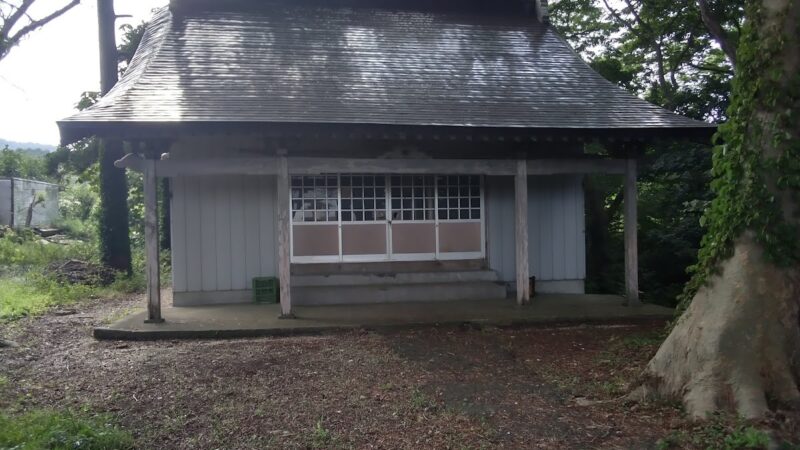
Within the grounds of Tsubaki Shrine, there is a small shrine called “Otama’s Grave” that commemorates this legend. An information board detailing the legend is also installed, conveying the history and story of this place to visitors.
Local people still remember Otama and hold memorial services during the camellia blooming season. This legend is not merely an old folktale, but is carefully preserved as an integral part of the region’s cultural identity.
Various Theories about the Formation of Tsubakiyama
Besides legend, several theories exist regarding the formation of Tsubakiyama:
- Natural Generation Theory: Wild camellias that migrated north during a warm period were left behind due to subsequent climate change and survived by adapting to the unique environment.
- Artificial Planting Theory: Ancient ascetic monks and Shinto priests planted camellias as objects of worship.
- Ocean Current Transmission Theory: Camellia seeds were carried by the Tsushima Current to this area, where they germinated and proliferated.
While the natural generation theory is considered the most plausible academically, the mystique of this place lies in the intersection of legend and scientific explanation.
Highlights of Tsubaki Shrine
Characteristics of the Shrine Grounds
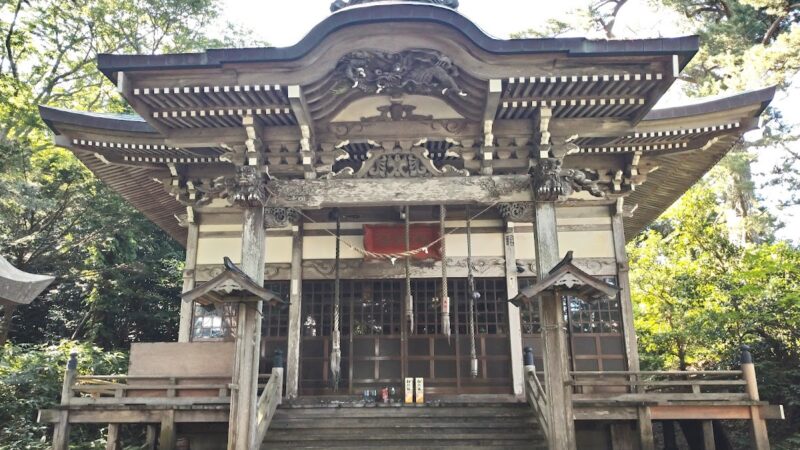
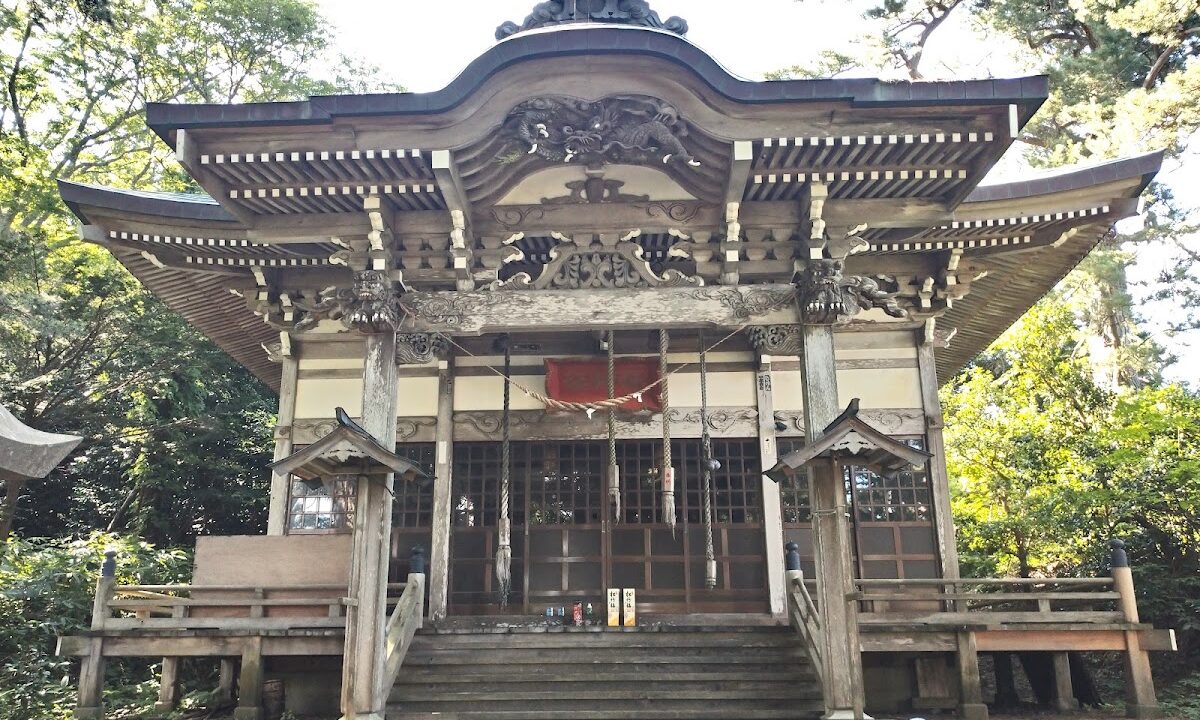
The grounds of Tsubaki Shrine are a tranquil space integrated with nature. The shrine buildings, though simple, possess a dignified presence, reflecting their long history of enduring wind and snow.
Main Highlights:
- Main Shrine: A shrine building that retains traditional Shinto architectural style.
- Torii Gate: The vermilion torii gate facing the sea is a popular photo spot.
- Otama’s Grave (Shrine): A small shrine dedicated to the protagonist of the legend.
- Information Board/Monument: Detailed explanation of the history and legend of Tsubakiyama.
- Observation Spot: A scenic viewpoint offering a panoramic view of Mutsu Bay.
Best Time to See and Enjoy Camellias
The camellias on Tsubakiyama bloom later than in other parts of Honshu, with the best time to see them being from late April to mid-May. During this time, the vibrant crimson flowers bloom all at once from among the dark green leaves, beautifully coloring the entire mountain.
Recommended Time to Visit:
- Camellia Blooming Season (Late April to Mid-May): The most spectacular time.
- Fresh Green Season (Late May to June): The lush green camellia leaves are beautiful.
- Autumn Foliage Season (Late October to Early November): The contrast with the surrounding broadleaf trees is magnificent.
- Winter (December to March): The contrast between the evergreen camellias and the snowy landscape is fantastic.
One of Japan’s Top 100 Beaches
The coastline around Tsubaki Shrine has been selected as one of “Japan’s Top 100 Beaches,” boasting a beautiful coastline and crystal-clear waters. The scenery, a tapestry of waves crashing against rugged reefs and the lush green camellias in the background, captivates visitors.
A promenade is also maintained along the coast, allowing visitors to enjoy a stroll while feeling the sea breeze. Especially at sunset, the setting sun over Mutsu Bay paints the sea golden, creating a magical scene.
Access Information
Location
Address: 039-3301 Higashitazawa, Hiranai-machi, Higashitsugaru-gun, Aomori Prefecture
Access by Car
From Aomori City:
- Head south on National Route 4, then turn onto National Route 279 (Natsudomari Peninsula Road)
- Travel time: Approximately 40-50 minutes
- Parking: Several parking spaces available near the shrine (free)
From Hachinohe:
- Head north on National Route 4, then turn onto National Route 279 in Hiranai-machi
- Travel time: Approximately 1 hour 30 minutes
Points to Note When Setting Your Car Navigation System:
- Search for “Tsubaki Shrine Hiranai-machi” or “Tsubakiyama”
- If entering the address: Higashitazawa, Hiranai-machi, Higashitsugaru-gun, Aomori Prefecture
Access by Public Transportation
Nearest Station: Aomori Railway “Kominato Station”
- From Kominato Station to Tsubaki Shrine: Approximately 8km
- By taxi from the station: Approximately 15 minutes (Estimated fare: 2,500-3,000 yen)
- By local bus: Limited number of buses, so check the timetable in advance.
Notes:
- Access by public transport is infrequent, so renting a car is recommended.
- If using a taxi, you will need to consider arranging your return trip.
Nearby Tourist Facilities
When visiting Tsubaki Shrine, we recommend also visiting the following nearby facilities:
- Natsudomari Peninsula Loop Road: A scenic drive (approximately 30km)
- Oshima Island: A small island floating at the tip of the Natsudomari Peninsula (observation spot)
- Hirauchi Town Historical and Folk Museum: A facility where you can learn about the history and culture of the region
- Asadokoro Coast: Enjoy swimming and camping
- Hotate Hiroba: A roadside station where you can enjoy scallop dishes, a specialty of Hirauchi Town.
Manners and Precautions for Visiting the Shrine
Etiquette for Visiting the Shrine
When visiting Tsubaki Shrine, please observe basic shrine visiting manners:
- Bow before passing through the torii gate.
- Purify your body and mind at the water basin (if available).
- Avoid walking in the center of the approach to the shrine.
- Bow twice, clap twice, and bow once in front of the main hall.
- Offer your prayers quietly.
Points to Note When Visiting
- Nature Conservation: As this is a designated natural monument area, collecting or damaging plants is strictly prohibited.
- Take Your Trash Home: To protect the natural environment, be sure to take all your trash with you.
- No Open Fires: Smoking and the use of fire are prohibited to prevent forest fires.
- Weather Preparedness: The sea breeze is strong, so don’t forget to take precautions against the cold and wind.
- Caution: Watch your step: Due to steep slopes and rocky areas, please wear comfortable walking shoes.
- Winter Visit: Road conditions may deteriorate due to snow and ice.
The Four Seasons of Tsubaki Shrine
Spring (April-May)
The most spectacular season, with the camellias in bloom. The entire mountain is dyed crimson, attracting many tourists and photography enthusiasts. The contrast with the fresh green leaves is also beautiful, making it a time to feel the vitality of nature.
Summer (June-August)
A beautiful season with the contrast between the deep green Tsubakiyama mountain and the sparkling blue Mutsu Bay. The sea breeze is pleasant, making it an ideal summer retreat. Around the summer solstice, you can enjoy the sea view for a long time, from sunrise to sunset.
Autumn (September-November)
The surrounding deciduous trees change color, creating a magnificent contrast with the evergreen camellias. The air is clear, making it an excellent season for panoramic views of distant mountains.
Winter (December to March)
Tsubakiyama, covered in snow, is enveloped in a fantastical atmosphere. The evergreen camellia leaves contrast beautifully with the white snow, creating a tranquil winter landscape. However, visits may be difficult due to heavy snowfall and icy roads.
Tsubaki Shrine and Local Culture
Local Beliefs and Festivals
Tsubaki Shrine has long been an object of worship for the people of Hirauchi Town. It is especially revered by those involved in fishing as a god of maritime safety, and the custom of visiting the shrine before setting out to sea remains.
Local festivals are held throughout the year, and the spring grand festival, in particular, attracts many worshippers. It also plays an important role in strengthening the bonds of the local community.
Conservation and Succession
To protect Tsubakiyama, a natural monument, local residents, the government, and research institutions cooperate in conservation activities. Regular surveys, environmental maintenance, and the eradication of invasive species are carried out, and efforts continue to pass on this valuable natural heritage to future generations.
Local elementary schools incorporate nature studies of Tsubakiyama into their curriculum, providing children with opportunities to learn about the region’s treasures.
Photography Tips
Tsubaki Shrine and Tsubakiyama are attractive subjects for photography enthusiasts:
Recommended shooting spots:
- Collaboration of Torii Gate and Sea: The contrast between the vermilion torii gate and the blue sea
- Close-up of Camellia Flowers: The texture of dew-covered petals
- Panoramic View from the Observation Deck: Wide-angle shot overlooking Mutsu Bay
- Scene at Sunset: The silhouette of camellias against the golden sea
- Otama’s Grave and Camellias: An emotional composition evoking the legend
Precautions when Shooting:
- When using a tripod, be considerate of other worshippers.
- As this is a designated natural monument area, do not touch or step on the plants.
- Be careful of equipment falling in strong winds.
Summary: The Charm of Tsubaki Shrine
Tsubaki Shrine is a special place where the beauty of nature and human history intersect. The Tsubakiyama Mountain, a nationally designated natural monument, the poignant and beautiful legend of Otama, and the breathtaking views overlooking Mutsu Bay—all these elements harmonize to deeply move visitors.
Tsubaki Shrine possesses multifaceted charm, not only for its high academic value as a habitat of wild camellias near their northernmost limit, but also as a center of local faith and culture, and a valuable tourist resource. It’s a hidden gem that you should definitely visit when you’re in Aomori Prefecture.
While the scenery is especially beautiful during the spring camellia blooming season, Tsubakiyama Mountain reveals different faces in each of the four seasons, offering new discoveries with every visit. Experience for yourself the unique world where history and nature, legend and reality intertwine.