Tsushima Shrine (Shimosuwa-machi, Suwa-gun, Nagano Prefecture) Complete Guide | Deities, Access, and Goshuin Information
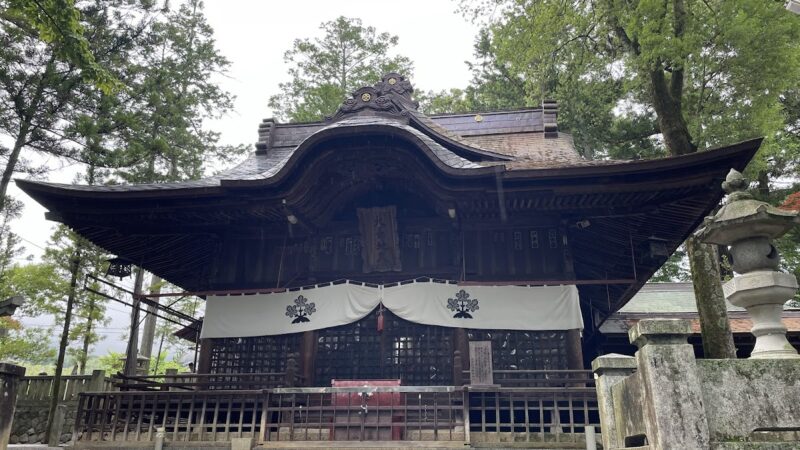
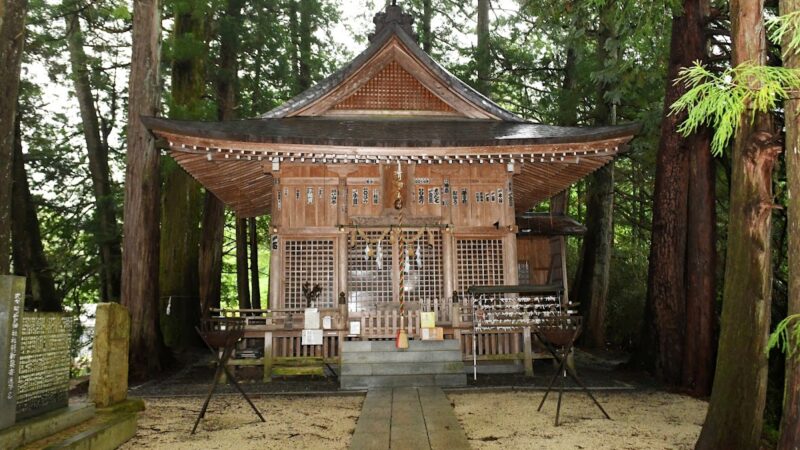
Tsushima Shrine, located in Shimosuwa-machi, Suwa-gun, Nagano Prefecture, is a historical shrine that has garnered the faith of the local community. This article provides detailed information useful for those considering visiting Tsushima Shrine, from basic information to the deities enshrined, access methods, and Goshuin information.
Basic Information about Tsushima Shrine
Tsushima Shrine is located in Tsushima, Shimosuwa-machi, Suwa-gun, Nagano Prefecture, and has long been revered by local residents.
Location and Postal Code
Address: 9305 Tsushima, Shimosuwa-machi, Suwa-gun, Nagano Prefecture
Postal Code: 〒393-0000
Corporate Number: 1100005007954
Shimosuwa-machi is located on the northeastern shore of Lake Suwa and has a history as a post town where the Nakasendo and Koshu Kaido roads intersected. Tsushima Shrine stands quietly in a corner of this historic town.
Characteristics of the Shrine
As its name suggests, Tsushima Shrine is believed to be a shrine of the Tsushima Shrine lineage, with its head shrine in Tsushima City, Aichi Prefecture. Tsushima faith spread throughout Japan as a deity for protection against disease and misfortune, and Tsushima Shrines and Tenno Shrines were built in various locations.
About the Deity
The deity enshrined at Tsushima Shrine is believed to be Takehayasusano-no-Mikoto, similar to other Tsushima Shrines.
About Takehayasusano-no-Mikoto
Takehayasusano-no-Mikoto is a deity who plays an important role in Japanese mythology and is believed to possess the following divine virtues:
- Protection from Evil and Disease: The most representative divine virtue
- Family Safety: Protecting the peace of the family
- Business Prosperity: Helping the development of businesses
- Matchmaking: The power to create good relationships
- Protection of Agriculture: Bringing abundant harvests
While Susanoo-no-Mikoto has a fierce character, he is also worshipped as a powerful deity who wards off disasters, as seen in the myth of slaying Yamata no Orochi.
History of Tsushima Faith
Tsushima faith spread throughout Japan from the Heian period to the Middle Ages. Especially during epidemics, many people turned to the divine power of Susanoo-no-Mikoto, and Tsushima Shrines and Gozu Tenno Shrines were built in various locations. It is presumed that the Tsushima Shrine in Shimosuwa Town was also founded amidst this spread of faith.
Access and Transportation Information
Detailed information on how to access Tsushima Shrine is provided below.
Nearest Station and Line
JR Chuo Main Line, Shimosuwa Station is the nearest station.
- Walking distance from Shimosuwa Station: Approximately 4 minutes (approximately 323m)
- Walking distance from Shimosuwa Station-guchi bus stop: Approximately 2 minutes (approximately 104m)
Shimosuwa Station is a station where the limited express “Azusa” also stops, making it easily accessible from both Tokyo and Nagano. The shrine is very close to the station and within easy walking distance.
Access by Train
From Tokyo:
- Approximately 2 hours 30 minutes from Shinjuku Station on the JR Chuo Main Line Limited Express “Azusa,” alighting at Shimosuwa Station.
- Approximately 3 hours 30 minutes if using local trains via Kofu Station.
From Nagoya:
- Approximately 2 hours from Nagoya Station on the JR Chuo Main Line Limited Express “Shinano” to Shiojiri Station, then approximately 20 minutes by local train from Shiojiri Station.
From Nagano:
- Approximately 1 hour 30 minutes from Nagano Station on the JR Shinonoi Line and Chuo Main Line.
Access by Car
Using the Chuo Expressway:
- Approximately 10 minutes from Suwa IC.
- Approximately 15 minutes from Okaya IC.
Shimosuwa Town is easily accessible from interchanges on the Chuo Expressway, making it convenient for visiting by car. However, it is recommended to check parking information around the shrine in advance.
Check on a Map
Tsushima Shrine is located south of Shimosuwa Station, in a residential area. Nearby are other famous shrines such as Suwa Taisha Shimosha Harumiya and Akimiya, making it a good place to visit as part of a shrine pilgrimage in the Suwa region. You can check the exact location by searching “Tsushima Shrine Shimosuwa-cho” on a map app.
Goshuin (Shrine Seal) Information
Many people collect goshuin as a memento of their shrine visits. Here is information regarding the goshuin at Tsushima Shrine.
Regarding the Issuance of Goshuin
Since Tsushima Shrine is a relatively small shrine, it is necessary to check whether they are always issuing goshuin. Generally, the following situations may occur at shrines in these areas:
- No resident priest: The priest may also serve at a nearby shrine, so prior contact is necessary.
- Only issued during festivals: Goshuin (shrine seals) are only issued during festivals held a few times a year.
- Pre-printed seals available: The shrine may have pre-printed goshuin available.
If you wish to receive a goshuin, it is recommended that you contact the Shimosuwa Town Shrine Association or nearby shrines in advance.
Etiquette when receiving a goshuin
A goshuin is proof of your visit, not a stamp rally. Please observe the following etiquette:
- Complete your prayers first before receiving your Goshuin (temple/shrine stamp).
- Prepare a Goshuincho (stamp book) (avoid notebooks or colored paper).
- Prepare a donation (approximately 300-500 yen).
- Remember to express your gratitude to the Shinto priest.
History and Origins of Tsushima Shrine
Background of its Founding
The exact founding date of Tsushima Shrine is unknown, but it is believed to be deeply connected to the history of Shimosuwa Town. Shimosuwa developed as a transportation hub where the Nakasendo and Koshu Kaido roads intersected, and many travelers passed through.
It is presumed that Tsushima Shrine was established to pray for the health and safety of travelers and local residents before the Edo period, when epidemics were common. Since Tsushima faith was widely worshipped by ordinary people, especially as a god that wards off epidemics, it was natural that it would be enshrined in Shimosuwa, a post town.
Connection with the Community
Tsushima Shrine is believed to have been an integral part of the lives of the residents as the local guardian deity. It played a central role in the community through annual events and festivals.
Festivals and Annual Events
Tsushima Shrine is believed to have held traditional annual shrine events. Below are some of the main festivals of Tsushima Shrine.
Main Festivals
Annual Grand Festival (Summer): At Tsushima Shrine in Aichi Prefecture, the head shrine of Tsushima Shrines, the grand “Owari Tsushima Tenno Festival” is held in July. It is highly likely that the Tsushima Shrine in Shimosuwa Town also holds its annual grand festival in the summer. This is an important festival for praying for protection against disease and misfortune.
New Year’s Day Festival (January 1st): This festival welcomes the new year and prays for peace and prosperity throughout the year. Many worshippers visit for their first shrine visit of the year.
Spring and Autumn Grand Festivals: These festivals, held in spring and autumn, pray for a bountiful harvest and the safety of the community.
For specific festival dates, we recommend checking the latest information.
Nearby Tourist Attractions
When visiting Tsushima Shrine, consider exploring other tourist spots in Shimosuwa Town.
Suwa Grand Shrine Shimosha Harumiya and Akimiya
Within walking distance of Tsushima Shrine are the Shimosha Harumiya and Akimiya shrines of Suwa Grand Shrine, the Ichinomiya (first-ranked shrine) of Shinano Province.
Suwa Grand Shrine Shimosha Akimiya: Approximately a 10-minute walk from Shimosuwa Station. The imposing shrine buildings and massive shimenawa (sacred rope) are impressive. The Kagura-den (sacred dance hall) at Akimiya is a must-see.
Suwa Grand Shrine Shimosha Harumiya: Approximately a 15-minute walk from Akimiya. Located along the Nakasendo Road, it exudes a tranquil atmosphere.
Lake Suwa
Shimosuwa Town is located on the northeastern shore of Lake Suwa. It offers seasonal attractions such as lakeside strolls, pleasure boat rides, and the winter phenomenon known as “Omiwatari” (a natural ice crossing).
Shimosuwa Onsen (Hot Springs)
Shimosuwa is also known as a hot spring resort. Public baths and day-trip bathing facilities are scattered throughout the area, allowing you to relax and unwind after visiting a shrine.
Exploring the Nakasendo Post Town
Shimosuwa-juku flourished as one of the 69 post towns on the Nakasendo highway. A stroll through the area, where historical streetscapes remain, allows you to experience the atmosphere of the Edo period.
Points and Manners for Shrine Visits
Shrine Visit Etiquette
We will introduce the basic etiquette for visiting a shrine.
- Bow before passing through the torii gate.
- Purify yourself at the water basin: Left hand → Right hand → Mouth → Handle of left hand
- Walk along the edge of the path: The center is the path of the gods.
- Etiquette in front of the main hall: Two bows, two claps, one bow
Attire
No special attire is required, but it is desirable to wear clothing that reflects the sacred nature of the place. Avoid revealing clothing and sandals.
Photography Etiquette
Photography is generally permitted on the shrine grounds, but please note the following:
- Photography inside the main hall is often prohibited.
- Be considerate of other worshippers.
- Avoid using tripods.
- Avoid flash photography.
Other Tsushima Shrines in Nagano Prefecture
Besides Shimosuwa Town, there are several other Tsushima Shrines in Nagano Prefecture.
Tsushima Shrine (Kojimada, Matsushiro-machi, Nagano City)
Location: 3345-1 Kojimada, Matsushiro-machi, Nagano City, Nagano Prefecture
Postal Code: 〒381-1213
This Tsushima Shrine is located in the Matsushiro area, which is associated with the Sanada clan.
Tsushima Shrine (Shimauchi, Matsumoto City)
Location: 6070 Hachimanbara, Shimauchi, Matsumoto City, Nagano Prefecture
Postal Code: 〒399-8251
Located approximately 31 minutes on foot from Shimauchi Station on the JR Oito Line.
Tsushima Shrine (Kiso-machi, Kiso-gun)
Location: 6015-3 Fukushima, Kiso-machi, Kiso-gun, Nagano Prefecture
This Tsushima Shrine is located in the Kiso region and is connected to the history of Kiso-Fukushima.
These Tsushima Shrines are also worshipped in their respective regions as deities of protection against misfortune and disease.
About Shimosuwa Town
Regional Characteristics
Shimosuwa Town is a town with a population of approximately 20,000, located in a scenic area facing Lake Suwa. Situated at an altitude of approximately 800 meters, it enjoys a climate with cool summers and harsh winters.
History and Culture
- Post Town on the Nakasendo Road: During the Edo period, it welcomed many travelers as Shimosuwa-juku.
- Center of Suwa Faith: The Shimosha (lower shrine) of Suwa Grand Shrine is located here.
- Hot Spring Culture: High-quality hot springs gush forth, and the town developed as a therapeutic hot spring resort.
- History of Silk Reeling Industry: The town prospered from the silk reeling industry during the Meiji era.
Accessibility
Located almost midway between Tokyo and Nagoya, it boasts excellent access from both metropolitan areas. It is also a popular tourist destination, attracting many visitors throughout the year.
Best Time to Visit
Spring (March-May)
The area around Lake Suwa is beautifully colored during cherry blossom season. The climate is mild and suitable for visiting the shrine.
Summer (June-August)
Due to its high altitude, it remains relatively cool even in mid-summer. This is the time when the annual festival is most likely to be held.
Autumn (September-November)
This is the season for beautiful autumn foliage. It’s recommended to visit in conjunction with other autumn foliage spots around Lake Suwa.
Winter (December-February)
Although it’s bitterly cold, there’s a chance to witness the mystical natural phenomenon of “Omiwatari” on Lake Suwa. The shrine is bustling with many visitors during the New Year’s pilgrimage period.
Frequently Asked Questions
Who is the enshrined deity at Tsushima Shrine?
It is believed that the enshrined deity is Takehayasusano-no-Mikoto. Susanoo-no-Mikoto is known for his divine virtues of warding off evil, eradicating disease, and ensuring family safety.
Is there parking?
Due to the size of the shrine, there may not be a dedicated parking lot. We recommend using public transportation, but if you are coming by car, you will need to use nearby paid parking lots or parking lots around Shimosuwa Station.
Can I get a Goshuin (temple/shrine stamp)?
We recommend checking in advance regarding the issuance of Goshuin. Because it is a small shrine, they may not always be available.
Are there any restrictions on visiting hours?
Like most shrines, you are free to enter the grounds during the daytime. However, please refrain from visiting early in the morning or late at night.
Is it crowded during the New Year holidays?
While the number of visitors increases during the New Year’s period (January 1st to 3rd), it is not expected to be as crowded as Suwa Grand Shrine.
Summary
Tsushima Shrine, located in Shimosuwa-machi, Suwa-gun, Nagano Prefecture, is a shrine dedicated to Takehaya Susanoo-no-Mikoto, known for his divine power to ward off evil and disease. Located just a 4-minute walk from Shimosuwa Station, this shrine is easily accessible in conjunction with visits to Suwa Grand Shrine (Shimosha) and Lake Suwa.
Shimosuwa Town is a historic area that flourished as a post town on the Nakasendo road, and boasts numerous attractions such as hot springs and historic streetscapes. Why not take this opportunity to fully experience the charm of Shimosuwa Town while visiting Tsushima Shrine?
When visiting, please observe proper shrine etiquette and pray quietly and sincerely. We recommend checking in advance for the latest information on Goshuin (shrine stamps) and festivals.
Enjoy a peaceful moment at Tsushima Shrine, surrounded by the rich nature and history of Nagano Prefecture.