Complete Guide to Uga-Kifune Shrine (Yoshitomi-cho, Chikujo-gun, Fukuoka Prefecture) | The End of the Utsunomiya Clan and the Legend of Tsuruhime
Uga-Kifune Shrine, nestled along the Yamakuni River in Yoshitomi-cho, Chikujo-gun, Fukuoka Prefecture, is more than just a local shrine. It is a historically significant place where the tragedies of the Sengoku period, the appeasement of spirits in the Edo period, and deeply rooted local beliefs intersect. This article provides a detailed explanation of everything related to this shrine, from its origins to the tragedy of the Utsunomiya Shizufusa clan, the legend of Tsuruhime, and the Daigo-kyo Ichiji Ichiishito pagoda.
What is Uga-Kifune Shrine? | Basic Information and Overview
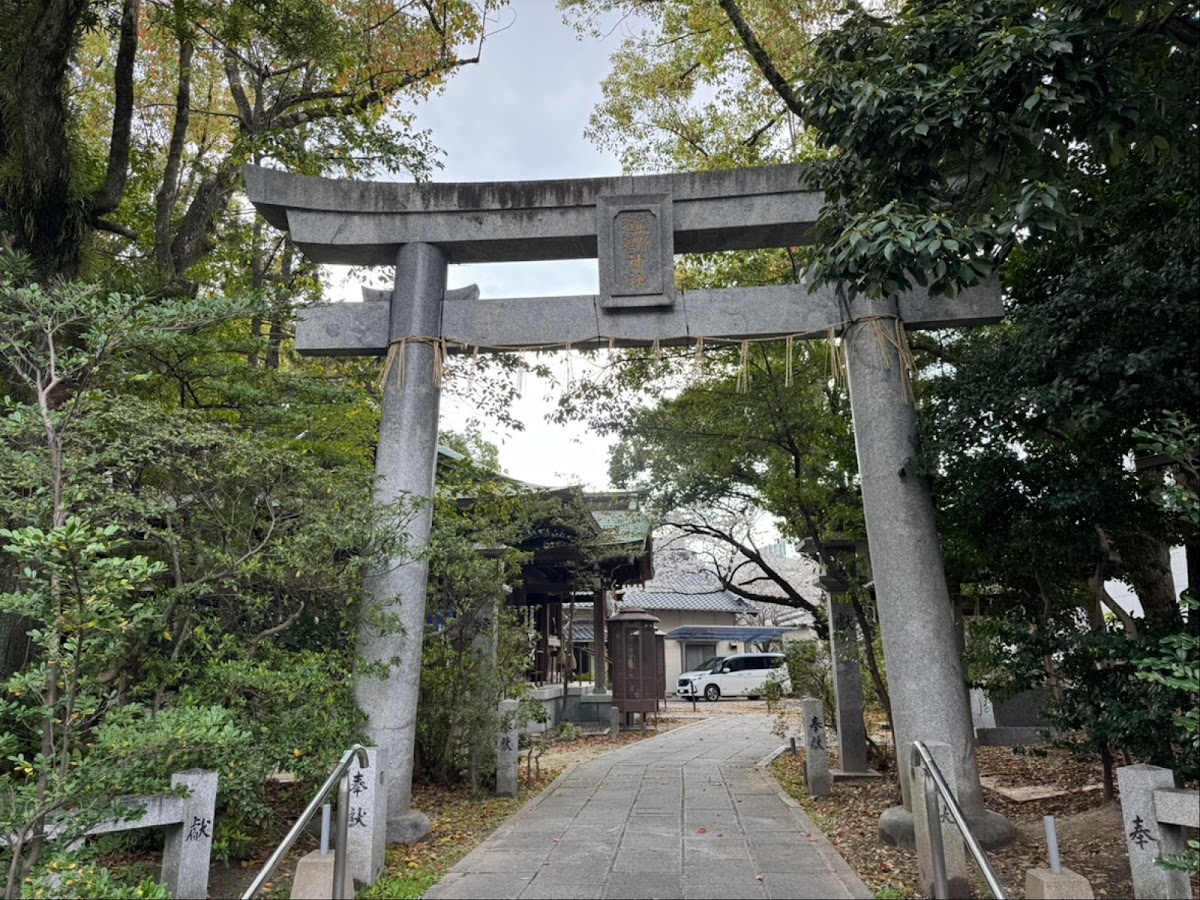
Uga-Kifune Shrine is located at 16 Koinumaru, Yoshitomi-cho, Chikujo-gun, Fukuoka Prefecture. Its official name is “Uga-Kifune Shrine,” but its origins lie in the merger of two shrines. Originally existing as Uga Shrine, it was merged with Kifune Shrine during the Meiji era, becoming the current Uga-Kifune Shrine.
Location and Access
Address: 16 Koinumaru, Yoshitomi-machi, Chikujo-gun, Fukuoka Prefecture 871-0802
Nearest Station: Approximately 6 minutes on foot from Yoshitomi Station on the JR Nippo Main Line
Surrounding Environment: Located near the mouth of the Yamakuni River, on the border with Nakatsu City, Oita Prefecture, and approximately 20 minutes on foot from Nakatsu Castle. It is about 200 meters towards the sea from the Yoshitomi Post Office, and was once a key transportation hub where ferry boats operated.
Shrine Features
Uga Kifune Shrine is an indispensable place when discussing the history of Buzen Province. It attracts attention from history enthusiasts and researchers as a historical site that conveys the tragedy of the Utsunomiya Shizufusa family that occurred at the end of the Sengoku period, and as the site where the Daigo Sutra One-Character One-Stone Pagoda, erected by the lord of Nakatsu Domain during the Edo period, remains.
The History of the Site as the End of the Utsunomiya Shigefusa Family
Understanding Uga-Kifune Shrine, the tragedy of the Utsunomiya Shigefusa family (also known as Shiroi Shigefusa) is unavoidable. This place is the historical stage where the Utsunomiya clan, a powerful local lord of Buzen Province, met its end.
About Utsunomiya Shigefusa
Utsunomiya Shigefusa was a local lord of Buzen Province, based in Shiroi Valley (present-day Koge-machi, Chikujo-gun, Fukuoka Prefecture). Therefore, he is also known as “Shiroi Shigefusa.” The Utsunomiya clan was a prominent family that maintained its power in Buzen Province for many years.
Toyotomi Hideyoshi’s Conquest of Kyushu and the Utsunomiya Clan
In 1587, Toyotomi Hideyoshi conquered Kyushu. Hideyoshi demanded territorial changes or submission from the various daimyo of Kyushu, but Utsunomiya Shigefusa refused. Shizufusa maintained his stance of refusing to obey Hideyoshi’s orders in order to protect his own territory.
This refusal created conflict with Kuroda Yoshitaka (Kanbei, Josui) and his son Kuroda Nagamasa, who were newly stationed in Buzen Province. The Kuroda clan was entrusted with governing Buzen Province from Nakatsu Castle, but the resistance of the Utsunomiya clan became a major obstacle.
The Assassination at Nakatsu Castle
In 1588, Kuroda Nagamasa invited Utsunomiya Shizufusa to Nakatsu Castle and, under the guise of making peace, assassinated him. This incident, known as the “Nakatsu Castle Incident,” is recorded in history as a classic example of a conspiracy during the Sengoku period.
Not only Shizufusa, but many of his retainers were also killed at Nakatsu Castle. Following this assassination, Shiroitani, the Utsunomiya clan’s stronghold, was attacked by the Kuroda army, and the family suffered a devastating blow.
The Tragedy of Chiyohime (Tsuruhime) and Her Ladies-in-Waiting
Utsunomiya Shizufusa had a daughter named Chiyohime (also known as Tsuruhime). After her father, Shizufusa, was murdered at Nakatsu Castle, Chiyohime and her 13 ladies-in-waiting were captured.
They were executed by crucifixion at Senbonmatsugawara along the Yamakuni River (near the present-day Uga-Kifune Shrine). This brutal execution of the princess, said to be only a little over ten years old, and her ladies-in-waiting who tried to protect her, left deep sorrow and terror in the region.
The Legend of Tsuruhime and the Appearance of the Great Serpent
At the heart of the faith of Uga-Kifune Shrine lies a mysterious legend surrounding Tsuruhime.
The Appearance of the Giant Serpent in the Genroku Era
Approximately 100 years after Chiyohime and her ladies-in-waiting were executed, during the Genroku era (1688-1704), a legend remains of a giant serpent appearing from a mound near the execution site.
The villagers believed this serpent to be an incarnation of Tsuruhime, who met a tragic end, or perhaps the vengeful spirit of Tsuruhime in disguise. The appearance of the serpent, seen as a sign of an unsettled soul, instilled fear in the people and renewed their sorrow for Tsuruhime.
The Founding of Uga Shrine
The enshrinement of this giant serpent as Ugajin marked the beginning of Uga Shrine. Ugajin is originally known as a deity with the body of a snake and the head of a human, and is considered a god that brings abundant harvests and wealth.
The worship of Tsuruhime’s spirit as Ugajin, thereby appeasing her vengeful spirit and simultaneously revering her as a guardian deity of the region, formed the foundation of Ugajinja Shrine.
Merger with Kifune Shrine
During the Meiji era, as part of the shrine consolidation policy, Ugajinja Shrine was merged with the nearby Kifune Shrine. Kifune Shrine is a shrine dedicated to water deities, with Kyoto’s Kifune Shrine as its head shrine, and there are approximately 450 such shrines throughout Japan.
Due to its location along the Yamakuni River, it had an affinity with water deity worship, and the two shrines were merged to become “Uga-Kifune Shrine.” As a result, it remains a shrine that combines the two characteristics of appeasing Tsuruhime’s spirit and water deity worship.
Historical Value of the Daigo-kyo Ichiji Ichisekito (One Character, One Stone Pagoda)
Within the grounds of Uga-Kifune Shrine remains a historically extremely important stone structure: the “Daigo-kyo Ichiji Ichisekito.”
Erected by Okudaira Masataka
This stone pagoda was erected in July of Bunka 9 (1812) by Okudaira Masataka, the fifth lord of the Nakatsu Domain. The Okudaira family was a daimyo family that ruled the Nakatsu Domain throughout the Edo period. Masataka is known as a wise ruler who loved learning and dedicated himself to promoting culture within his domain.
What is a One-Character, One-Stone Pagoda?
A One-Character, One-Stone Pagoda is a memorial tower built on top of small stones into which each character of a Buddhist scripture has been inscribed and buried. The Daigo Sutra is another name for the Lotus Sutra, and this stone pagoda is believed to be an offering of the entire Lotus Sutra in the form of one character per stone.
The act of transcribing scriptures is one of the Buddhist practices for accumulating merit, and the One-Character, One-Stone format, in particular, was considered the highest level of offering, requiring immense effort and time.
The Significance of the Memorial Service for the Utsunomiya Family
The purpose of erecting this stone monument was to hold a memorial service for the Utsunomiya family, including the Utsunomiya family. For the Okudaira family, who ruled the Nakatsu domain from the early Edo period after the Kuroda family left Nakatsu, the assassination by the previous Kuroda family was an event that could not be ignored in the history of their territory.
The fact that the feudal lord himself performed a memorial service for the Utsunomiya family in the 9th year of the Bunka era, more than 200 years after its construction, has the following significance:
- Historical Reconciliation: An attempt to indirectly apologize for the actions of the Kuroda clan and heal the historical wounds of the region.
- Harmony with the People: A political consideration that took into account the feelings of local residents who admired the Utsunomiya clan.
- Buddhist Merit: A religious act demonstrating the virtue of the feudal lord and praying for peace and tranquility within the domain.
Current Status and Preservation of the Stone Pagoda
The Daigo Sutra One-Character One-Stone Pagoda still remains on the grounds of Uga-Kifune Shrine and is a valuable cultural asset, a testament to Edo period stonework techniques and faith. Although some parts are weathered, it is carefully preserved by the local people.
History of the Sankin-kōtai System and Ferry Boats
The location of Uga-Kifune Shrine also held significant importance in the history of transportation during the Edo period.
The Yamakuni River Ferry Crossing
The Yamakuni River flows along the border between Fukuoka and Oita prefectures, and during the Edo period, it was an important boundary separating Buzen and Bungo provinces. Near Uga-Kifune Shrine, there was a ferry landing, functioning as a vital transportation hub connecting both banks.
Sankin-kōtai and Shrine Visits
The lord of the Nakatsu Domain used this ferry crossing during his sankin-kōtai (alternate attendance) journeys. According to tradition, the lord would visit Uga-Kifune Shrine before and after crossing the river to pray for safe travels.
This custom is thought to have included not only religious devotion but also political considerations, such as appeasing the spirits of the Utsunomiya family. The Okudaira clan, in particular, placed great importance on memorial services for the Utsunomiya family, as seen in the aforementioned construction of the Daigo-kyo Ichiji Ichiseki-to (one-character, one-stone pagoda).
Changes Since the Modern Era
Although the ferry service was abolished after the construction of bridges during the Meiji era, Uga-Kifune Shrine continues to exist as a place that conveys the history of the region and as a place of worship. While the traces of the former ferry crossing have disappeared, the existence of the shrine conveys the state of transportation in those days.
Highlights and Visitor Guide
This section provides a detailed introduction to the highlights of Uga-Kifune Shrine.
Main Hall and Stone Shrines
The shrine’s main hall, though not large in scale, is a sacred space that attracts the faith of the local community. Several stone shrines are located within the grounds, each dedicated to a different object of worship.
The stone shrine dedicated to Uga-jin is particularly important and is cherished by the local people as a place to comfort the spirit of Tsuruhime.
Observation Points of the Daigo-kyo Ichiji Ichiseki-to (One Character, One Stone Pagoda)
The Daigo-kyo Ichiji Ichiseki-to within the shrine grounds is a valuable cultural asset that demonstrates the stone carving techniques of the late Edo period. By observing the tower’s shape, carvings, and inscriptions, one can gain insight into the level of faith and technology of the time.
The inscription, dated “July, Bunka 9” (1802), and the possible inscription of Okudaira Masataka’s name, make this a must-see for history enthusiasts.
Landscape of the Yamakuni River
The Yamakuni River, flowing near the shrine, marks the border between Buzen and Bungo provinces and is historically and geographically significant. Viewing the river from the shrine allows one to imagine the former ferry crossing and the people who traveled along it during the sankin-kotai (alternate attendance) system.
Connections to Surrounding Historical Sites
Within walking distance of Uga-Kifune Shrine are the following historical sites:
- Nakatsu Castle: A castle built by Kuroda Yoshitaka and his son Nagamasa. The site of the assassination of Utsunomiya Shizufusa
- Senbonmatsugawara Ruins: The place (estimated location) where Tsuruhime and 13 ladies-in-waiting were executed
- Shiroitani area: The area where the Utsunomiya clan’s base was located
By visiting these locations together, you can gain a deeper understanding of the history of the Utsunomiya clan.
Historical Background of the Utsunomiya Clan
To gain a deeper understanding of the meaning of Uga-Kifune Shrine, let’s take a closer look at the historical background of the Utsunomiya clan.
The Utsunomiya Clan’s Position in Buzen Province
The Utsunomiya clan was a branch of a prominent family based in Shimotsuke Province (present-day Tochigi Prefecture), and settled in Buzen Province during the Nanboku-cho period. They expanded their power centered around Shiroitani, and during the Sengoku period, they were influential local lords in Buzen Province.
The Situation of the Sengoku Period
During the Sengoku period, Buzen Province was in a complex political situation, surrounded by powerful forces such as the Otomo, Mori, and Ryuzoji clans. The Utsunomiya clan maintained their independence amidst these forces, continuing to protect their territory.
Toyotomi Hideyoshi’s Conquest of Kyushu
Toyotomi Hideyoshi’s conquest of Kyushu in 1587 (Tensho 15) drastically altered the political landscape of Kyushu. Hideyoshi demanded that the various daimyo of Kyushu reorganize their territories and submit to him.
Many daimyo complied, but Utsunomiya Shizufusa refused Hideyoshi’s order to protect his own territory. This decision would determine the fate of his family.
The Kuroda Clan’s Entry into Buzen Province
Hideyoshi stationed Kuroda Yoshitaka (Kanbei) in Buzen Province and granted him 120,000 koku in Nakatsu. The Kuroda clan’s mission was to pacify Buzen Province, and the Utsunomiya clan’s resistance was their greatest obstacle.
Kuroda Nagamasa, following his father Yoshitaka’s orders, confronted Utsunomiya Shizufusa. However, judging that victory in a direct battle would be difficult, he opted for a solution through stratagem.
Details of the Assassination
In 1588 (Tensho 16), Kuroda Nagamasa invited Utsunomiya Shizufusa to Nakatsu Castle. Ostensibly, the meeting was for peace negotiations, but in reality, it was an assassination trap.
Shizufusa visited Nakatsu Castle with his retainers, but was ambushed and killed by Kuroda’s army lying in wait inside the castle. This assassination eliminated the core of the Utsunomiya clan’s resistance.
Annihilation of the Family
After Shizufusa’s death, Kuroda’s army attacked the Utsunomiya clan’s stronghold in Shiroitani. Many of Shizufusa’s sons and family members were killed in battle, effectively annihilating the Utsunomiya clan.
The remaining women and children were also mercilessly executed, including Tsuruhime and 13 of her ladies-in-waiting. This thorough extermination is thought to have served as a warning to other rebellious forces.
Local Traditions and Beliefs
Uga-Kifune Shrine possesses not only historical facts but also a layered array of local traditions and beliefs.
The Legend of Tsuruhime’s Vengeful Spirit
After the execution of Tsuruhime and her ladies-in-waiting, various strange phenomena occurred in this region. Unexplained illnesses, crop failures, and fires followed, leading people to believe these were caused by Tsuruhime’s vengeful spirit.
Many stories remain of misfortunes befalling those connected to the Kuroda clan and those involved in the execution, spreading fear of the vengeful spirit throughout the region.
The Formation of the Giant Serpent Worship
The legend of the giant serpent’s appearance during the Genroku era was interpreted as Tsuruhime’s vengeful spirit manifesting in a different form. However, the serpent was not merely an object of fear; by being enshrined as Ugajin, it transformed into a guardian deity.
This transformation demonstrates a traditional Japanese belief pattern of appeasing vengeful spirits and transforming them into guardian deities. Just as Sugawara no Michizane became Tenjin-sama, Tsuruhime also became Ugajin, a guardian deity of the region.
Integration with Water Deity Worship
Through the joint enshrinement with Kifune Shrine, elements of water deity worship were added. Given its location along the Yamakuni River, prayers for flood control, fishing, and the safety of agricultural water were also important.
The fusion of Tsuruhime’s appeasement and water deity worship made Uga-Kifune Shrine a multi-layered place of worship.
Continuing Faith Today
Even today, local people cherish Uga-Kifune Shrine, regularly visiting and cleaning it. Remembering the historical tragedy and continuing to comfort the spirits of Tsuruhime and her ladies-in-waiting has become part of the region’s identity.
Points to Note and Manners When Visiting
When visiting Uga-Kifune Shrine, please note the following:
Basic Manners for Worship
Uga-Kifune Shrine is a place of worship for the region and a place of remembrance that conveys a tragic history. Please observe the following manners when visiting the shrine:
- Be quiet: Act quietly within the shrine grounds and avoid disturbing other visitors.
- Photography: Even when permitted, take photos with respect.
- Keep the grounds clean: Take your trash with you and do not litter the grounds.
- Respect for stone structures: Do not touch or climb on cultural artifacts such as the Daigokyo Ichiji Ichisekito (One Character One Stone Pagoda).
Notes on Access
- Parking: We recommend checking in advance whether there is a dedicated parking lot.
- Public Transportation: The shrine is accessible on foot from JR Yoshitomi Station, but please check the timetable as trains may be infrequent.
- Surrounding Environment: As it is close to a residential area, please be considerate of noise levels.
Best Time to Visit
Uga Kifune Shrine is open year-round, but the following times are especially recommended:
- Spring: The cherry blossom season and the scenery along the Yamakuni River are beautiful.
- Autumn: Autumn foliage season, ideal weather for historical walks
- Festival Days: If there are local festivals, you may be able to witness traditional events.
Nearby Tourist Spots and Historical Walks
When visiting Uga-Kifune Shrine, exploring the surrounding historical sites will give you a deeper understanding of the history of Buzen Province.
Nakatsu Castle (Nakatsu City, Oita Prefecture)
Nakatsu Castle, located about a 20-minute walk away, was built by Kuroda Yoshitaka and his son Nagamasa. It is the site where Utsunomiya Shizufusa was assassinated and is an essential historical site for understanding the history of Uga-Kifune Shrine.
Currently, the keep has been reconstructed, and materials related to the Kuroda and Okudaira clans are displayed inside the castle. There is also an explanation of the relationship with the Utsunomiya clan, allowing you to grasp the overall picture of history.
Shiroitani (Koge Town, Chikujo District, Fukuoka Prefecture)
Shiroitani, the former base of the Utsunomiya clan, is about a 30-minute drive from Uga-Kifune Shrine. The ruins of Shiroi-no-ue Castle and other historical sites related to the Utsunomiya clan remain, allowing visitors to experience firsthand the history of the family’s rise and fall.
Historical Walks in Yoshitomi Town
Yoshitomi Town is dotted with other historical temples, shrines, and sites. The town’s historical museum offers exhibits on local history and materials related to the Utsunomiya clan.
Scenic Spots Along the Yamakuni River
Beautiful natural scenery unfolds along the Yamakuni River, allowing visitors to enjoy both historical walks and nature appreciation. The area near the river mouth, in particular, retains landscapes reminiscent of the former ferry crossing.
Historical Lessons Told by Uga-Kifune Shrine
The existence of Uga-Kifune Shrine holds a deeper meaning than mere tourist attraction or object of historical curiosity.
Intrigue and Sacrifice in the Sengoku Period
The assassination of Utsunomiya Shizufusa and the destruction of his family illustrate the brutal reality of the Sengoku period. The fact that women and children were mercilessly executed for political purposes conveys the horrors and inhumanity of war to the present day.
Spirit of Remembrance and Reconciliation
On the other hand, the construction of the Daigo Sutra One-Character One-Stone Pagoda by the Okudaira clan during the Edo period can be appreciated as an act of acknowledging past mistakes and commemorating the victims. This spirit of mourning the dead beyond animosity demonstrates an important aspect of Japanese culture.
Local Memory and Legacy
Even after more than 400 years, the fact that local people continue to protect Uga-Kifune Shrine and pass down the story of Tsuruhime demonstrates the importance of preserving historical memory.
History is not merely a past event; it is a part of our identity as we live in the present and a lesson for the future. Uga-Kifune Shrine continues to exist as a living testament to this.
A Wish for Peace
The tragedy of Tsuruhime and her ladies-in-waiting symbolizes the sorrow brought about by war and power struggles. Visiting this shrine is an opportunity to reaffirm the preciousness of peace and renew one’s resolve not to repeat the same mistakes.
Summary | Historical Significance of Uga-Kifune Shrine
Uga-Kifune Shrine in Yoshitomi-cho, Chikujo-gun, Fukuoka Prefecture, is an extremely important historical site where the tragedies of the Sengoku period, the appeasement of spirits in the Edo period, and the faith that continues to this day intersect.
The end of the Utsunomiya Shizufusa family, the execution of Tsuruhime and her 13 ladies-in-waiting, the legend of the giant snake, the construction of the Daigo Sutra single-character stone pagoda—these historical events are not merely stories of the past, but valuable messages that convey to the present day the folly and dignity of humanity, the tragedy of war, and the importance of peace.
Although it is a small shrine along the Yamakuni River, its historical and cultural value is immeasurable. Visiting Uga-Kifune Shrine will be a valuable opportunity to learn about Japanese history, connect with the thoughts of our ancestors, and reflect on our way of life in the present.
For history buffs and all those who wish for peace, Uga-Kifune Shrine is a place worth visiting. Standing on the banks of the Yamakuni River today, Uga-Kifune Shrine is a precious historical site where you can spend time quietly putting your hands together in prayer, wishing for the repose of Princess Tsuruhime and her ladies-in-waiting, and taking to heart the lessons of history.