Complete Guide to Unhoji Temple (Gifu Prefecture): History, Highlights, and Access Information
Located in Gifu Prefecture, Unhoji Temple is a temple that embodies deep history and culture within its tranquil setting. This article provides detailed information useful for those considering a visit, from the temple’s historical background and architectural features to seasonal highlights, visiting information, and access methods.
About Unhoji Temple
Unhoji Temple is a Buddhist temple located in Gifu Prefecture, with a long history as a center of local faith. Nestled in a peaceful environment, this temple is beloved not only by local residents but also by visitors interested in history and Buddhist culture.
The temple’s name, “Unho,” is believed to embody the meaning of spreading teachings as pure and fragrant as clouds, and true to its name, it is known as a temple with a calm and pure atmosphere.
History of Unhoji Temple
Origin of Founding
Records of Unhoji Temple’s founding are based on local historical documents and temple traditions. Like many local temples, Unhoji Temple is believed to have been established with the support of influential local figures and devout believers.
While there are various theories regarding its founding date, it is generally believed that its current form was established sometime between the medieval and early modern periods. Despite the turmoil of the Sengoku period and the changes in religious policies during the Edo period, it has continued to uphold its traditions, supported by the faith of the local people.
Historical Changes
Unhoji Temple has undergone several reconstructions and restorations throughout its long history. In particular, during the Sengoku period, this region was affected by war, and it is presumed that this impacted the temple’s architecture.
In the Edo period, under the Tokugawa shogunate’s temple registration system, it came to serve as a local parishioner temple. It is believed that the basic layout of the main hall and temple grounds was established during this period.
During the anti-Buddhist movement of the Meiji era, many temples faced difficulties, but Unhoji Temple was able to overcome this period with the support of local residents.
Sect and Principal Image
Affiliated Sect
Unbōji Temple is believed to belong to one of the major sects of Japanese Buddhism. Many temples of the Shinshu, Sōtō, and Rinzai sects exist in Gifu Prefecture, and religious activities are conducted according to the teachings of each sect.
Each sect has its own unique doctrines, methods of practice, and ritual forms, and Unbōji Temple also conducts religious services and events in accordance with the traditions of its sect.
Principal Image and Faith
The principal image, which is central to a temple, represents the core of the temple’s faith. It is presumed that the principal image of Unbōji Temple is one of the Buddhist statues commonly enshrined in Japanese temples, such as Amida Buddha, Shakyamuni Buddha, or Kannon Bodhisattva.
The principal image is enshrined on the altar in the main hall and is the object of worship during daily services and religious ceremonies. Worshippers clasp their hands together before the principal image and pray for peace of mind and the fulfillment of their wishes.
Highlights of the Temple Grounds
Main Hall
The main hall of Unhoji Temple is the central building of the temple. Its structure incorporates traditional Japanese architectural styles, allowing visitors to experience the beauty and solemnity of wooden architecture.
The main image of Buddha is enshrined inside the main hall, and the decorations and carvings of the inner sanctuary embody the skill and faith of the craftsmen. The spacious tatami-floored area is designed to accommodate many worshippers during religious services and sermons.
Temple Gate
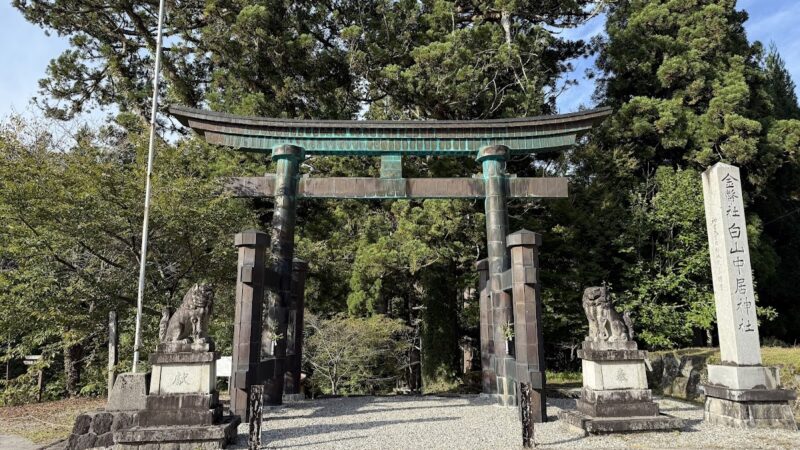
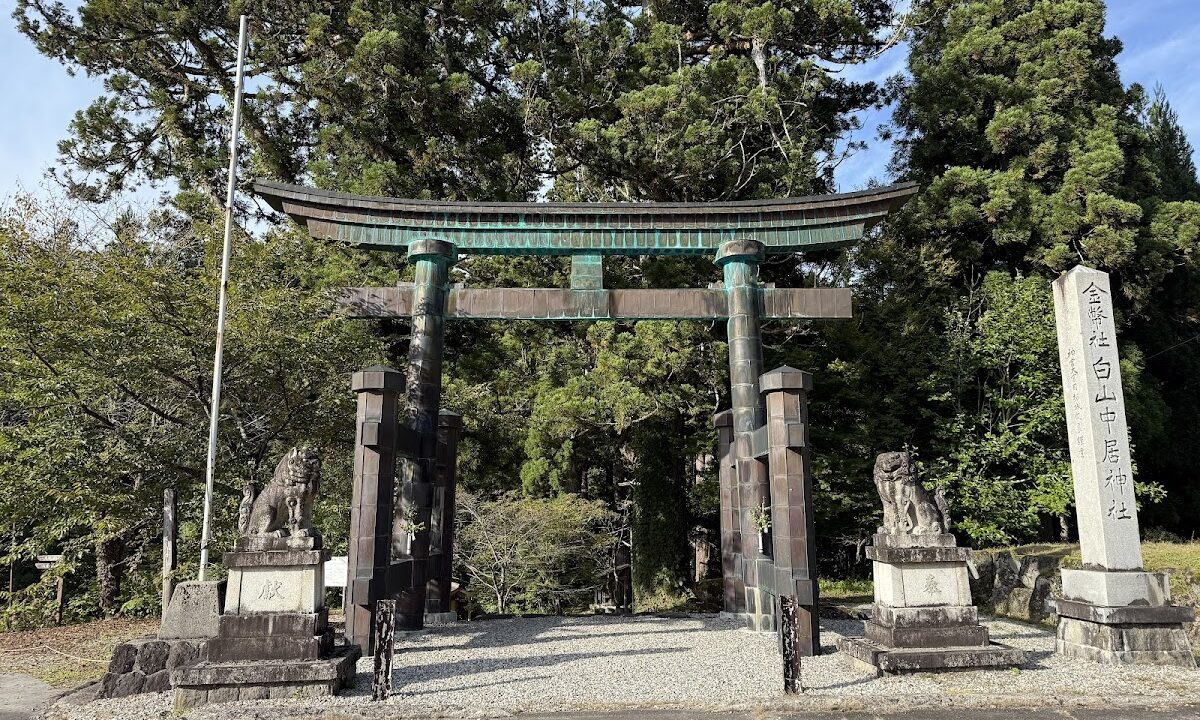
The temple gate, which serves as the entrance to the temple, is a symbolic structure that separates the secular world from the sacred realm. The temple gate of Unhoji Temple also plays a role in quietly welcoming visitors.
Passing through the temple gate allows one to leave the hustle and bustle of everyday life and prepare to approach worship with a calm mind.
Gardens and Natural Environment
The grounds of Unhoji Temple are surrounded by a natural environment that displays different expressions with each season. The well-maintained gardens and trees planted within the temple grounds delight visitors with their beauty throughout the seasons.
Especially during the cherry blossom season in spring, the fresh greenery, and the autumn foliage season, visitors can enjoy a beautiful landscape where nature and temple architecture harmonize.
Stone Monuments and Stone Buddhas
Within the temple grounds, you may find stone monuments commemorating the achievements of successive head priests, as well as stone Buddhas that are objects of worship. These are valuable historical materials that tell the story of the temple, so be sure to take a look when you visit.
Seasonal Charms
Spring at Unhoji Temple
In spring, the cherry blossoms in the temple grounds bloom, and the temple is adorned with pale pink flowers. The fresh green leaves also begin to sprout, giving a sense of the arrival of a season full of vitality.
During the spring equinox, many parishioners and worshippers visit to pay respects to their ancestors, and the temple grounds become lively.
Summer at Unhoji Temple
In summer, Unhoji Temple becomes a quiet space enveloped in deep greenery. Amidst the sound of cicadas, you can find peace and tranquility in the shade of the trees while offering your prayers.
During the Obon season, memorial services are held to welcome the spirits of ancestors, and many people visit the temple to pay their respects at the graves.
Autumn at Unhoji Temple
Autumn is the season of autumn leaves. The trees in the temple grounds turn red and yellow, creating a beautiful contrast with the temple architecture. The autumn leaves viewed in the crisp autumn air leave a deep impression.
A memorial service is also held during the autumn equinox, providing an opportunity to express gratitude to ancestors at the change of seasons.
Winter at Unhoji Temple
In winter, Unhoji Temple is enveloped in a solemn atmosphere of silence. If it snows, the temple grounds transform into a world of white, offering a fantastical and unusual view.
During the New Year period, events such as the ringing of the temple bell on New Year’s Eve and the first shrine visit of the year are held.
Annual Events and Memorial Services
Main Annual Events
Unbōji Temple holds various Buddhist events and memorial services throughout the year. The main events include:
- Shushōe: The first memorial service of the new year, praying for peace throughout the year.
- Spring Equinox Service: Ancestor memorial service held around the spring equinox.
- Hanamatsuri: A celebration of the birth of Buddha (around April 8th).
- Urabon-e: Ancestor memorial service held during the Obon period.
- Autumn Equinox Service: A service expressing gratitude to ancestors, centered around the autumn equinox.
- New Year’s Eve Bell: The bell is rung on New Year’s Eve to dispel the 108 worldly desires.
Special Memorial Services
The temple may also hold special memorial services unique to the temple, such as the founding anniversary service or the auspicious days of specific Buddhas. These events play an important role in preserving local culture and traditions.
Goshuin Information
About Goshuin
At Unhoji Temple, it may be possible to receive a goshuin as proof of your visit. A goshuin is a stamp inscribed with the temple’s name, the name of the principal deity, and the date of visit, along with the temple’s seal.
Collecting goshuin has become increasingly popular in recent years, and it’s one of the joys of visiting temples. However, it’s important to remember that a goshuin is proof of your visit, not a stamp rally, and to receive it with respect.
Points to Note When Receiving a Goshuin (Temple Stamp)
When receiving a Goshuin, please note the following:
- First, complete your prayers at the main hall before receiving the Goshuin.
- Prepare a Goshuincho (avoid using a regular notebook).
- Prepare the offering fee (typically 300-500 yen).
- If the head priest or temple staff are absent, do not insist.
- Remember to use polite language and express gratitude.
Manners and Etiquette for Visiting a Temple
Basic Manners for Visiting a Temple
When visiting a temple, please observe the following basic manners:
- Dress Code: Avoid overly revealing clothing and aim for clean, understated attire.
- Bow at the Temple Gate: Bow before passing through the temple gate to compose yourself.
- Quietness: Do not speak loudly on the temple grounds and remain quiet.
- Photography: Please refrain from taking photos in areas where photography is prohibited, such as inside the main hall.
- Smoking and Eating: Please avoid smoking and eating outside of designated areas.
Etiquette for Visiting the Temple
The proper etiquette for visiting the main hall is as follows:
- Stand up straight in front of the main hall.
- Quietly place your offering in the offering box.
- If there is a bell or gong, ring it.
- Clasp your hands together and bow.
- Express your wishes and gratitude silently.
- Clasp your hands together again and bow.
- Quietly leave.
Manners for Visiting the Cemetery
If a cemetery is located next to the temple, it is important to show respect by bowing when passing other families’ graves. Also, when pouring water on gravestones, be careful not to splash water around.
Access Information
Location
Unbōji Temple is located in Gifu Prefecture. Before visiting, it is recommended to check the exact address and confirm the location using a map app.
Access by Public Transportation
You can access the temple by bus or taxi from major stations in Gifu Prefecture. The distance and travel time from the nearest station vary depending on the specific location of the temple.
When using public transportation, please note the following:
- Check the timetable in advance, as bus services may be infrequent.
- Check the time of the last bus and allow ample time for your visit.
- If using a taxi, consider making arrangements for your return trip.
Access by Car
If accessing by private car, you will arrive via local roads from the nearest highway interchange. You can receive route guidance by entering the temple name or address into your car’s navigation system.
Parking
Some temples have parking lots for visitors. However, the size is often limited, so it is recommended to arrive early or consider using public transportation, especially during events.
When using the parking lot, please park correctly in the designated area so as not to inconvenience other visitors.
Nearby Tourist Attractions
Temples and Shrines in Gifu Prefecture
When visiting Unhoji Temple, you can also visit other temples and shrines in Gifu Prefecture. Gifu Prefecture has many historical temples and shrines, each with its own unique charm.
Nature and Scenic Spots
Gifu Prefecture is blessed with abundant nature. There are likely to be spots where you can enjoy beautiful natural scenery around Unhoji Temple. Depending on the season, you can enjoy a trip that combines nature walks with temple visits.
Historical and Cultural Facilities
Gifu Prefecture has many facilities where you can learn about the region’s history and culture, such as historical museums and local history museums. Visiting these facilities would be a good way to gain a deeper understanding of the historical background of Unhoji Temple.
Precautions When Visiting
Visiting Hours
Temples generally have visiting hours. While it’s usually from early morning to evening, this may vary depending on the season and the temple’s circumstances. Especially if you wish to view the interior of the main hall, it is recommended to check in advance. ### Event and Ceremony Schedule
During major ceremonies and events, general worship may be restricted. Those wishing to worship in peace are advised to avoid event days or contact the temple in advance.
Weather Impact
During rain or snow, the temple grounds may become slippery. Please choose appropriate footwear and take safety precautions when visiting.
Contact Information
For detailed information regarding worship or requests for special viewings, it is recommended to contact the temple in advance. When calling, please consider the temple’s business hours and avoid calling early in the morning or late at night.
The Charm of Unhoji Temple
A Space of Tranquility and Peace
The greatest charm of Unhoji Temple lies in its tranquil environment, far removed from the hustle and bustle of everyday life. Stepping onto the temple grounds, one’s mind naturally settles, allowing for a time of introspection.
In modern society, such a tranquil space is precious. Unhoji Temple is an ideal place for those seeking a mental reset and spiritual rejuvenation. ### A Faith Rooted in the Community
Unhoji Temple has served as a center of faith for local residents throughout its long history. Through the danka (parishioner) system, it also plays a role in strengthening community ties.
Deep involvement in local festivals and events, and its contribution to the preservation of traditional culture, is another important aspect of Unhoji Temple.
Harmony of Architecture and Nature
The harmonious blend of traditional Japanese architecture and the surrounding natural environment is one of Unhoji Temple’s greatest attractions. The contrast between the changing seasons and the unchanging temple architecture offers new discoveries with each visit.
Voices of Visitors
Seeking Peace of Mind
Many visitors find peace of mind in the tranquil atmosphere of Unhoji Temple. It is appreciated for providing a respite from daily stress and allowing time for self-reflection.
Beauty of the Seasons
Many visitors repeatedly return to enjoy the beauty of nature throughout the seasons. Especially during cherry blossom and autumn foliage seasons, many people express their awe at the scenery created by the interplay of nature and the temple.
Interest in History
For those interested in local history and Buddhist culture, Unhoji Temple serves as a place of learning. It offers an opportunity to rediscover the value of Japan’s cultural heritage through the temple’s history, architectural style, and Buddhist statues.
Unhoji Temple and the Local Community
Center of Local Culture
Unhoji Temple is more than just a religious facility; it also plays a central role in local culture. It serves as an important base for recording local history and passing on traditions to future generations.
Community Gathering Place
The temple also functions as a gathering place for local residents. Through religious services and events, intergenerational exchanges are fostered, strengthening community bonds.
Protection of Cultural Properties
Unhoji Temple also plays a role in protecting and managing cultural properties such as buildings, Buddhist statues, and ancient documents. These cultural properties are valuable materials that tell the story of the region and are a legacy that should be preserved for future generations.
Summary
Unbōji Temple, located in Gifu Prefecture, is a historic temple that has played a central role in the region’s faith and culture. Its tranquil grounds, traditional architecture, and the beauty of nature throughout the seasons bring peace of mind and spiritual fulfillment to visitors.
When visiting, it is important to observe basic manners and show respect. Even when receiving a temple stamp (Goshuin), remember that it is proof of your visit, not a stamp rally, and approach it with gratitude.
Unbōji Temple offers a precious time to escape the hustle and bustle of everyday life and reflect on oneself. If you have the opportunity to visit Gifu Prefecture, please do visit. It will be a wonderful experience to connect with history and tradition and find inner peace.
Unbōji Temple has a different charm in each season, and you will discover something new every time you visit. From the cherry blossoms of spring, the fresh greenery of summer, the autumn leaves, to the tranquility of winter, you can enjoy the diverse expressions of the temple by visiting in each season.
Unbōji Temple has a different charm in each season, and you will discover something new with every visit. Finally, remember that temples are places of worship and an integral part of the lives of the local people. Therefore, strive to visit with quiet and respectful conduct. Doing so will allow you to have a deeper spiritual experience.