Complete Guide to Usa Hachiman Shrine (Otsu City, Shiga Prefecture) | History, Deities, and the Charm of the Night Festival of Mushi Hachiman
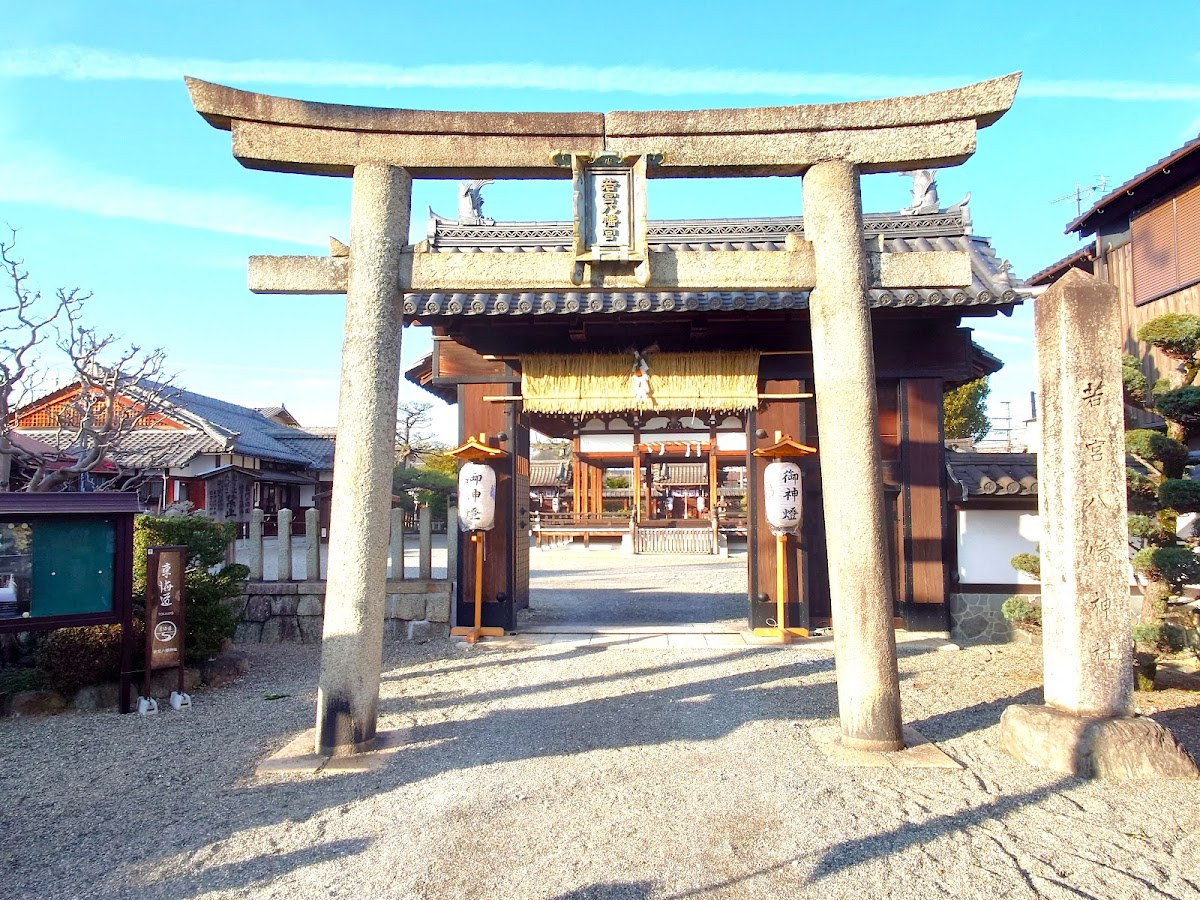
Usa Hachiman Shrine (Usa Hachiman-gu), located in Nishikiori, Otsu City, Shiga Prefecture, is a historically significant shrine founded in 1065 by Minamoto no Yoriyoshi. Affectionately known as “Mushi Hachiman,” it is deeply revered by local people as the guardian deity of children. Situated on the slopes of Mount Usa, this shrine is a venerable sacred site where the Hachiman deity was invited from Usa Jingu Shrine in Buzen Province, and it remains an important place of worship in Otsu City, attracting many visitors.
Table of Contents
- Overview of Usa Hachiman Shrine
- Deities and Divine Virtues
- History of Founding and the Legend of Minamoto no Yoriyoshi
- Highlights of the Shrine Grounds
- Subsidiary Shrines and Minor Shrines
- Annual Festivals and Night Festivals
- Access and Visiting Information
- Frequently Asked Questions (FAQ)
Overview of Usa Hachiman Shrine
Usa Hachiman Shrine is a shrine located at 1-15 Nishikiori, Otsu City, Shiga Prefecture. Its official name is “Usa Hachimangu,” but it is known locally by the more familiar name “Mushi Hachiman.” The “Mushi” in “Mushi” is said to have been derived from its efficacy in curing children’s colic (kan no mushi), and it has long been worshipped as a shrine for praying for successful child-rearing.
The shrine is located on the mountainside of Mt. Usa, approximately 200 meters above sea level, through which the Nishi-Otsu Bypass tunnel passes, and is enveloped in a sacred atmosphere. At the foot of the mountain lies Omi Jingu Shrine, founded in 1940, but Usa Hachiman Shrine is an ancient shrine that has watched over the region for approximately 900 years longer.
Located west of Omi Jingu Shrine, across National Route 161, and with its main hall situated at the top of a mountain path, the shrine exudes a tranquility and solemnity truly befitting a sacred place.
Deities and Divine Virtues
Main Deity: Emperor Ojin (Hachiman Okami)
The main deity of Usa Hachiman Shrine is Emperor Ojin. Emperor Ojin was the 15th Emperor of Japan and is worshipped as Hachiman Okami at Hachiman shrines throughout Japan. He was deeply revered by the samurai class as a god of military fortune and victory, and is also worshipped as a god of industry, education, and culture.
Divine Virtues
Usa Hachiman Shrine is believed to offer the following divine virtues:
- Protection of Children’s Health: As its name “Mushi Hachiman” (meaning “insect Hachiman”) suggests, prayers are offered for protection against childhood illnesses and for the healthy growth of children.
- Long-lasting Military Fortune and Victory: Since Minamoto no Yoriyoshi prayed here for victory in the Former Nine Years’ War, it is believed to bring good fortune in competitions and contests.
- Protection from Misfortune and Good Fortune: Protection from calamities through the powerful protection of Hachiman-sama.
- Family Safety: Peace and prosperity for the family.
- Academic Achievement: Improvement in academics from the perspective of Hachiman-sama as a god of culture.
Doves as Divine Messengers
The divine messengers of Hachiman-sama are doves. Blue dove figurines (earth doves) are lined up on both sides of the main hall, symbolizing a deep connection with Hachiman-sama as sacred doves. Sacred doves also play an important role in the founding legend, and dove motifs can be seen throughout the shrine grounds.
History of the Shrine’s Founding and the Legend of Minamoto no Yoriyoshi
Founded in the First Year of the Jiryaku Era (1065)
The founding of Usa Hachiman Shrine dates back to August 15, the first year of the Jiryaku Era (1065). The founder was Minamoto no Yoriyoshi, a military commander of the mid-Heian period. Yoriyoshi is known for his achievements as the leader of the Minamoto clan in suppressing the Former Nine Years’ War (1051-1062) that occurred in the Tohoku region.
The Former Nine Years’ War and Nishikiori Village, Omi Province
After suppressing the Former Nine Years’ War, Minamoto no Yoriyoshi established his residence in Nishikiori Village, Omi Province (present-day Nishikiori area, Otsu City). This location, close to Kyoto and facing Lake Biwa, was a strategic point and is thought to have been chosen as a base for the Minamoto clan.
The Legend of the Divine Dove’s Oracle
A legend remains that when Yoriyoshi was planning to establish a Hachiman shrine, a divine dove appeared and guided him to the site where the present-day Usa Hachiman Shrine stands. Guided by this divine dove, the sacred site of the Usa Mountain slopes was chosen, and the Hachiman deity was invited from Usa Jingu Shrine in Buzen Province (present-day Oita Prefecture).
Usa Jingu Shrine is the head shrine of approximately 44,000 Hachiman shrines nationwide, and the fact that the deity was directly invited from there speaks to the high status of this shrine.
The Naming of Usa Mountain
Interestingly, the mountain itself came to be called “Usa Mountain” after the shrine was established. Usually, the place name comes first, and then the shrine name is given, but in the case of Usa Hachiman Shrine, the mountain’s name was determined after the shrine existed, which is an extremely rare example. This can be said to demonstrate the great spiritual power and influence of the shrine.
History of Faith and Protection
Since its founding, Usa Hachiman Shrine has been revered as the tutelary deity of the Minamoto clan, and during the Kamakura period, it received fervent devotion from samurai of the Kamakura Shogunate, including Minamoto no Yoritomo. Even through the Muromachi and Sengoku periods, the faith in the shrine as a guardian deity of the region never ceased, and during the Edo period, the belief in it as “Mushi Hachiman,” the guardian deity of children, spread among the common people.
Highlights of the Shrine Grounds
Main Hall
The main hall is built in the Ikkensha Nagare-zukuri architectural style. Its neat structure, with a frontage of one bay and a depth of one bay, is distinctive for its use of the Nagare-zukuri style rather than the Hachiman-zukuri style. The roof is covered with cypress bark or copper plates, and the beautiful vermilion-painted shrine stands out against the green of the mountains, creating a solemn atmosphere.
Blue earthen doves are placed on either side of the main hall, a testament to the continued faith in doves, the divine messengers of Hachiman. ### Worship Hall
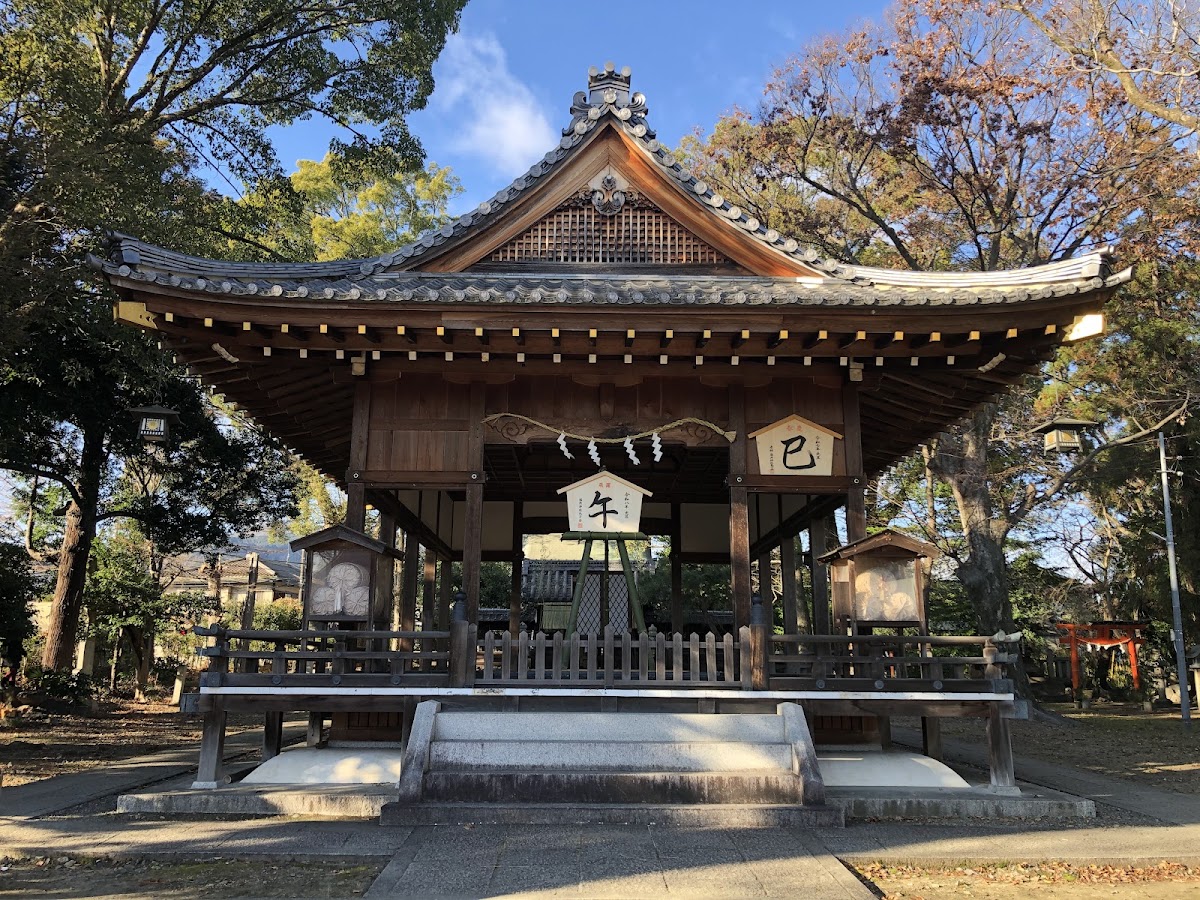
The worship hall is a magnificent building with a hip-and-gable roof, measuring two bays wide and two bays deep. Standing before the worship hall, one is enveloped in a sacred atmosphere surrounded by mountains, warmly welcoming visitors. Inside, votive offerings and ema (votive tablets) are displayed, reflecting the long history of faith.
Middle Gate and Corridor
The middle gate and corridor connecting the main shrine and the worship hall are important structures that preserve the traditional style of shrine architecture. The space enclosed by the corridor acts as a boundary separating the secular world from the sacred realm, further enhancing the sacred atmosphere.
Ema Hall
Within the shrine grounds is the Ema Hall, where ema (votive tablets) offered since ancient times are preserved. These ema embody the wishes of people from the Edo period to modern times, making them valuable historical documents. Many ema pray for the health of children, in particular, reflecting the deep faith in this shrine as “Mushi Hachiman” (a shrine dedicated to the protection of children).
Water Basin
As you proceed along the approach to the shrine, you will find a water basin where pure water springs forth. It is customary to purify your body and mind here before praying. The water used in this water basin, sourced from the mountain spring, is particularly refreshing and ideal for preparing your mind before praying.
Mikoshi Storage
Within the shrine grounds is a mikoshi storage building, where the mikoshi (portable shrines) used in the annual night festival are carefully stored. These two mikoshi are historically valuable and present a magnificent sight as they descend the mountain during the festival.
Shrine Office
The shrine office provides goshuin (stamped seals). In recent years, pre-printed goshuin have also been available, and visitors can obtain them from a drawer case located near the entrance to the main hall. An electronic goshuin system has also been introduced, accommodating modern worship styles.
Subsidiary Shrines
Several subsidiary shrines are enshrined within and around the grounds of Usa Hachiman Shrine. These shrines, along with the main shrine, are important institutions that support the local faith.
Each subsidiary shrine has a different divine virtue, and it is believed that visiting them in conjunction with the main shrine will grant a wider range of blessings. We recommend that you stroll through the shrine grounds and offer heartfelt prayers to these smaller shrines as well.
Annual Festivals and Night Festival
Grand Festival (Night Festival)
The most important festival at Usa Hachiman Shrine is the Grand Festival, commonly known as the “Night Festival,” held annually from the night of September 14th to the 15th. This festival is a traditional event that has continued since the shrine’s founding in the Heian period and is an important cultural heritage of Otsu City.
Highlights of the Night Festival
Portable Shrine Procession: Around 8 PM on the 14th, two portable shrines descend the mountain path from the shrine, located at an altitude of 200 meters, guided only by the light of torches. The most distinctive feature of this procession is that the shrines do not descend all at once, but repeatedly ascend and descend the mountain path. This tradition symbolizes the gods watching over the entire region, and the sight of the mystical torchlight illuminating the mountain path is truly awe-inspiring, like something out of a Heian-era picture scroll.
Torchlight Procession: Parishioners accompanying the portable shrine form a procession, carrying torches and illuminating the mountain path at night. The sight of the shrine moving amidst the flickering flames is mystical and captivates many spectators.
Return Procession: On the following day, the 15th, the portable shrine returns to the shrine, bringing the festival to a quiet close.
Other Annual Festivals
- New Year’s Day Festival (January 1st): Celebrating the New Year and praying for peace throughout the year
- Spring Festival: A festival celebrating the arrival of spring
- Shichi-Go-San Ceremony (November): Giving thanks for children’s growth and praying for their future health
- Great Purification Ceremony (June & December): A Shinto ritual to cleanse away the sins and impurities accumulated over the past six months
Various festivals are held throughout the year, deeply intertwined with the lives of the local people.
Access and Visiting Information
Location
1-15 Nishikiori, Otsu City, Shiga Prefecture 520-0027
Access by Train
- Approximately 15 minutes on foot from JR Kosei Line “Omi-Jingu-mae Station”
- Approximately 15 minutes on foot from Keihan Ishiyama-Sakamoto Line “Omi-Jingu-mae Station”
From both stations, head west along National Route 161, and from the west side of Omi Jingu Shrine, head towards Usayama. Since you will be climbing a mountain path, we recommend wearing comfortable shoes.
Access by Car
- Approximately 15 minutes from Meishin Expressway “Kyoto East IC”
- Along National Route 161 (Nishi-Otsu Bypass), from near Omi Jingu Shrine towards Usayama
Parking is limited, so using public transportation is recommended during major festivals.
Visiting Hours
6:00 AM – 9:00 PM
While you can generally visit the shrine grounds freely, there may be limited hours for services such as receiving Goshuin (shrine stamps) at the shrine office.
Points to Note When Visiting
- Climbing the Mountain Path: As the shrine is located on a mountainside, some hiking is required. Those who are not confident in their physical fitness are advised to climb slowly and carefully.
- Attire: Comfortable clothing and walking shoes are essential as you will be walking on mountain paths. Particular caution is needed in rainy weather, as the paths can become slippery.
- Season: The shrine grounds, surrounded by nature, offer beautiful scenery throughout the seasons, with fresh greenery in spring and vibrant autumn foliage.
- Goshuin: While pre-printed Goshuin are often available, it is recommended to check in advance if you wish to receive one specifically.
- Enjoying the Tranquility: Compared to Omi Jingu Shrine, there are fewer visitors, making it a hidden gem for peaceful worship. You can visit the shrine in a peaceful and tranquil setting amidst the mountain’s silence.
Nearby Tourist Attractions
- Omi Jingu Shrine: A shrine dedicated to Emperor Tenji, located within walking distance. Famous as a sacred site for karuta (Japanese card game).
- Mii-dera Temple (Onjo-ji Temple): The head temple of the Tendai Jimon sect, approximately 10 minutes by car.
- Lake Biwa Canal: A waterway of high value as a modern civil engineering heritage site.
- Biwako Otsu Hall: A cultural facility utilizing the former Lake Biwa Hotel.
Frequently Asked Questions (FAQ)
Q1: Which is the official name, Usa Hachiman Shrine or Usa Hachimangu?
A1: The official name is “Usa Hachimangu,” but “Usa Hachiman Shrine” is also widely used. Locally, it is affectionately known as “Mushi Hachiman” or “Mushi Hachimangu.” Neither name is incorrect.
Q2: What is the origin of the name “Mushi Hachiman”?
A2: It came to be called “Mushi Hachiman” because it is believed to have the power to cure children’s “kan no mushi” (a type of tantrum). “Kan no mushi” is an old term referring to a state where children cry for no reason, cry at night, or have tantrums. It has been believed that visiting this shrine will ensure children grow up healthy.
Q3: Can I get a Goshuin (shrine stamp)?
A3: Yes, you can get a Goshuin. Even if the shrine office is closed, pre-printed Goshuin are sometimes available near the entrance to the main hall. An electronic Goshuin system is also available.
Q4: Can anyone watch the night festival?
A4: Yes, the night festival, held from the evening of September 14th to the 15th, is open to the public. The sight of the portable shrine ascending and descending the mountain path in the light of torches is truly magical and a sight to behold. However, since it is a mountain path at night, please take sufficient precautions for your safety.
Q5: How long does it take to visit the shrine?
A5: It takes about 10-15 minutes to walk from the foot of the mountain to the shrine, and about 15-20 minutes to pray within the grounds. If you want to stroll around the grounds at a leisurely pace, we recommend allocating about an hour in total. Since you will be climbing a mountain path, please adjust the time according to your physical condition.
Q6: Is there parking available?
A6: Parking space is limited. Especially during events such as the annual festival, congestion is expected, so we recommend using public transportation. It is within walking distance from Omi-Jingu-mae Station, so access by train is convenient.
Q7: I would like to pray for my child’s health. Are there any special prayers?
A7: Praying for children’s health is one of the main divine blessings of Usa Hachiman Shrine. While regular visits offer blessings, if you wish to request special prayers, it is recommended to inquire with the shrine in advance. Many families visit during the Shichi-Go-San (7-5-3) festival season.
Q8: Is Usayama a hiking trail?
A8: Usayama is a low mountain with an elevation of 336 meters and is maintained as a hiking trail. There is a route that goes via Usa Hachiman Shrine to the summit, from which you can enjoy a panoramic view of Lake Biwa and Otsu city. However, if your purpose is to visit the shrine, you do not need to go to the summit.
Q9: Is there any relationship between Usayama and Omi Jingu Shrine?
A9: Geographically, they are close, but they are separate shrines with different founding dates and enshrined deities. Usa Hachiman Shrine was founded in 1065 and enshrines Emperor Ojin, while Omi Jingu Shrine was founded in 1940 and enshrines Emperor Tenji. Many people visit both shrines together, and each has its own unique charm.
Q10: Who was Minamoto no Yoriyoshi?
A10: Minamoto no Yoriyoshi (988-1075) was a military commander of the mid-Heian period and the leader of the Kawachi Minamoto clan. He is known for his achievements in pacifying the Abe clan, a powerful family in Tohoku, during the Former Nine Years’ War, and is considered a figure who laid the foundation for the later samurai government of the Minamoto clan. He holds an important position in the lineage of the Minamoto clan, continuing through his son Minamoto no Yoshiie and his descendant Minamoto no Yoritomo. Usa Hachiman Shrine is a shrine founded by Yoriyoshi to express his gratitude for his victory.
Summary
Usa Hachiman Shrine (Mushi Hachiman) is a historical shrine located on Mt. Usa in Otsu City, Shiga Prefecture, founded in 1065. It began when Minamoto no Yoriyoshi invited the Hachiman deity from Usa Shrine in Buzen Province, and has since attracted the faith of local people for approximately 1000 years.
This shrine, dedicated to Emperor Ōjin, is particularly revered as a guardian deity of children’s health and is affectionately known as “Mushi Hachiman.” Located on a mountainside, the grounds are enveloped in a sacred atmosphere, showcasing the beauty of traditional shrine architecture with its one-bay nagare-zukuri style main hall and hip-and-gable roofed worship hall.
The night festival, held annually from the evening of September 14th to the 15th, is a fantastical event where a portable shrine is paraded along the mountain path illuminated by torches. It’s a precious traditional event that has continued since the Heian period.
Despite its convenient location within walking distance of Ōmi-Jingūmae Station, it’s a hidden gem where visitors can quietly worship, making it popular with history buffs and those who enjoy visiting shrines. When sightseeing in Ōtsu on the shores of Lake Biwa, why not extend your trip and pay a visit? The long history dating back to its founding by Minamoto no Yoriyoshi, and the sacred space surrounded by mountain nature, will surely provide visitors with deep emotion and peace of mind.