Complete Guide to Wakamiya Hachiman Shrine (Nishihonaka, Makioka-cho, Yamanashi City, Yamanashi Prefecture)
Wakamiya Hachiman Shrine, located at 418 Nishihonaka, Makioka-cho, Yamanashi City, Yamanashi Prefecture, is a shrine that has long been cherished by the local community. This article comprehensively introduces information useful for those considering visiting the shrine, including its history, enshrined deities, features of the grounds, and access methods.
Basic Information on Wakamiya Hachiman Shrine
Wakamiya Hachiman Shrine is located in the Nishihonaka district of Makioka-cho, in the northern part of Yamanashi City, and is officially registered as a religious corporation belonging to the Association of Shinto Shrines. It is also listed in the Yamanashi Prefecture Religious Corporation Register and has functioned as a center of faith in the region.
Location and Jurisdiction
- Location: 418 Nishihonaka, Makioka-cho, Yamanashi City, Yamanashi Prefecture
- Affiliation: Association of Shinto Shrines
- Jurisdiction: Yamanashi Prefecture Shrine Association
Makioka-cho is located in the northern part of Yamanashi City and is a region surrounded by abundant nature. The Nishihonaka district is a settlement centered on agriculture, and Wakamiya Hachiman Shrine is cherished as a spiritual center for the local residents.
History and Origins of Wakamiya Hachiman Shrine
What is Wakamiya Hachiman Shrine?
The name “Wakamiya Hachiman Shrine” or “Wakamiya Hachiman Jinja” is a shrine name found throughout Japan. “Wakamiya” means “the young shrine of Hachiman Shrine,” and refers to a shrine that branched off from the Hachiman faith, which was revered as the guardian deity of samurai families.
Many Wakamiya Hachiman Shrines were established by inviting deities from powerful Hachiman shrines such as Usa Jingu, Iwashimizu Hachimangu, and Tsurugaoka Hachimangu, and generally enshrine Emperor Nintoku (Ōsazaki no Mikoto), the son of Emperor Ōjin (who is considered Hachiman), as the main deity.
Hachiman Faith in Makioka-cho, Yamanashi City
Yaman Prefecture is known as Kai Province and has a history of being ruled by samurai families, including the Takeda clan. Hachiman worship was widely prevalent as the guardian deity of samurai families, and Hachiman shrines were built throughout the prefecture.
Wakamiya Hachiman Shrine in Nishihonaka, Makioka-cho, is also thought to have been founded as part of this tradition of Hachiman worship. Along with the development of the region and the advancement of agriculture, it has functioned as a place to pray for abundant harvests and peace in the community.
Connection with the Local Community
Wakamiya Hachiman Shrine has been cherished by local residents across generations as the tutelary deity of the Nishihonaka district. It plays a role in deepening community bonds through annual events such as the spring and autumn festivals and the first shrine visit of the year.
Deities and Divine Virtues
Main Deity: Emperor Nintoku (Ōsasagi-no-Mikoto)
Following the general pattern of Wakamiya Hachiman shrines, the main deity of Wakamiya Hachiman Shrine is most likely Emperor Nintoku (Ōsasagi-no-Mikoto). Emperor Nintoku was the 16th emperor and is a symbol of benevolent rule, known for the anecdote of the smoke rising from the hearths of the people.
Divine Virtues of Hachiman
The divine virtues of Hachiman are diverse:
- Long-lasting military fortune and good fortune in competition: Due to his role as the guardian deity of samurai families
- National peace and protection of the region: Protecting the peace of the land and local communities
- Abundant harvest: Praying for agricultural development and a bountiful harvest
- Protection from evil and good fortune: Warding off disasters and inviting good fortune
- Prosperity of descendants: The health of the family and the prosperity of descendants
As the local guardian deity, he is worshipped as a watchful presence for all aspects of the daily lives of the people of the Nishihonaka district.
Features and Highlights of the Shrine Grounds
Direct Worship at the Main Hall
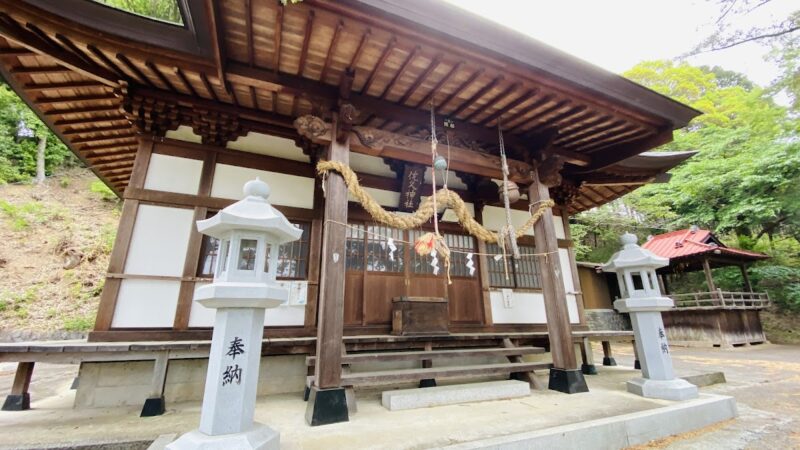
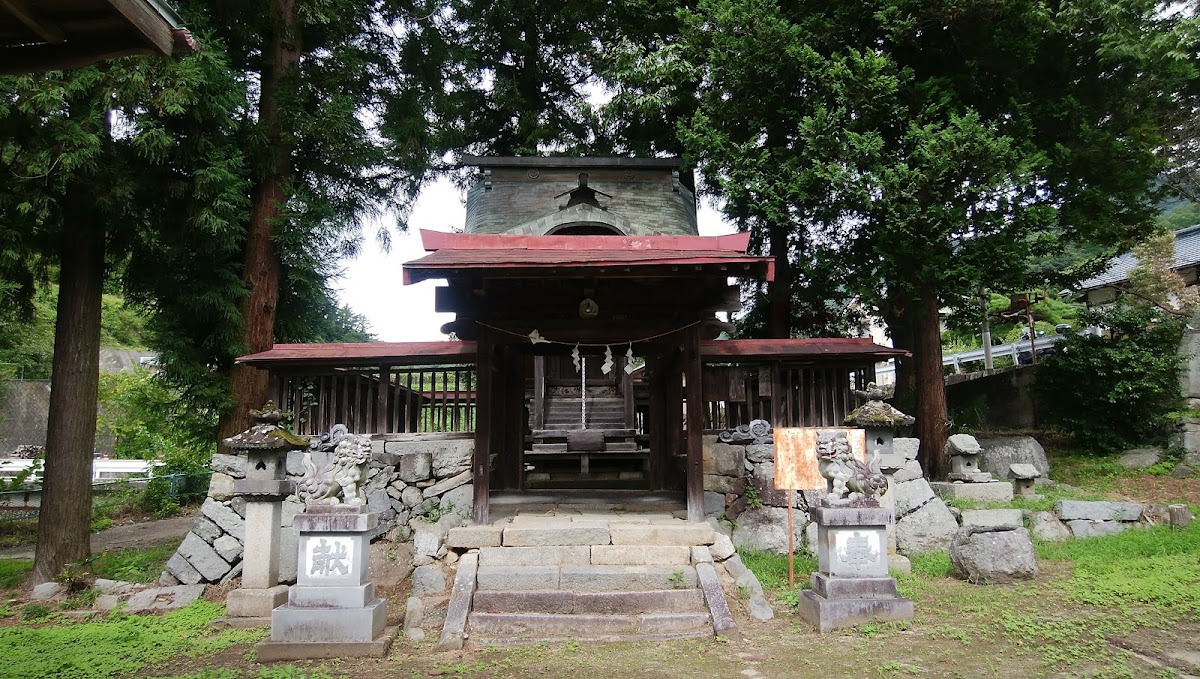
A distinctive feature of Wakamiya Hachiman Shrine is the absence of a worship hall, with worshippers directly visiting the main hall. This style, often seen in smaller shrines, creates an intimate atmosphere, allowing worshippers to feel closer to the deities.
Main Shrine Architecture
The main shrine maintains the traditional style of shrine architecture and possesses valuable cultural heritage, conveying the history of the region. The dignified style of the wooden architecture, harmonizing with the surrounding natural environment, creates a beautiful landscape.
Atmosphere of the Shrine Grounds
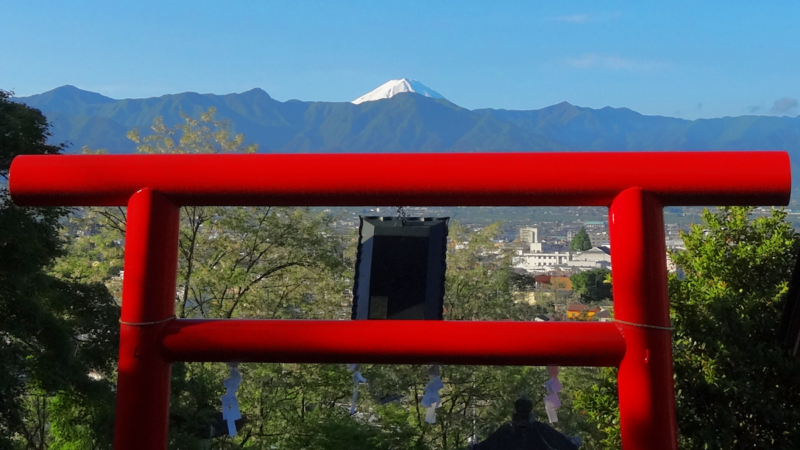
Located in the naturally rich environment of Makioka-cho, Wakamiya Hachiman Shrine is enveloped in a tranquil and peaceful atmosphere. Because it is far removed from the hustle and bustle of urban areas, it provides an environment conducive to peaceful worship.
Etiquette and Manners for Visiting a Shrine
Basic Etiquette for Visiting a Shrine
Let’s review the basic etiquette for visiting a shrine:
- Bow before passing through the torii gate: A sign of respect when entering the sacred area.
- Walk along the edge of the path: The center is the path for the gods.
- Purify yourself at the water basin (if available): Left hand → Right hand → Mouth → Left hand
- Worship in front of the main shrine: Two bows, two claps, one bow
- Bow upon leaving: Turn around and bow after passing through the torii gate.
Points to Note When Worshipping Directly at the Main Shrine
When worshipping directly at the main shrine without a separate worship hall, you are closer to the gods. Worship with reverence and respect.
Access Information
Location
Address: 418 Nishihonaka, Makioka-cho, Yamanashi City, Yamanashi Prefecture 404-0004
Access by Car
Makioka-cho is located in a mountainous area, so access by car is convenient:
- Chuo Expressway: Approximately 30-40 minutes from Katsunuma IC or Ichinomiya-Misaka IC
- National Route 140: Head north from Yamanashi city center towards Makioka
*Please enter the address into your car navigation system or search for “Nishihonaka, Makioka-cho, Yamanashi City”.
Access by Public Transportation
For public transportation:
- JR Chuo Main Line: Yamanashi-shi Station or Shioyama Station are the nearest stations
- Bus: Use Yamanashi City Bus or buses bound for Nishizawa Valley
*Since the number of buses is limited, it is recommended to check the timetable in advance. Please also consider using a taxi.
Parking
As this is a small shrine, it is recommended to check in advance whether there is a dedicated parking lot. Please be considerate of the neighbors when visiting.
Nearby Tourist Attractions
Nishizawa Gorge
Nishizawa Gorge, a representative tourist attraction of Makioka Town, is a hiking course where you can enjoy the beautiful gorge scenery, including the Nanatsugama Godan Falls, which has been selected as one of Japan’s Top 100 Waterfalls. Visiting it in conjunction with a visit to Wakamiya Hachiman Shrine is also recommended.
Fuefukigawa Fruit Park
Facing Yamanashi city center, there is Fuefukigawa Fruit Park, where you can enjoy an observation deck with a panoramic view of the Kofu Basin and seasonal fruit picking.
Mount Kentoku
Mount Kentoku, popular with mountain climbing enthusiasts, is also located in the Makioka Town area and is a sacred mountain with a history of mountain worship.
Annual Events and Festivals
Grand Festival
Many shrines hold grand festivals in spring and autumn. Local residents gather, and there may be portable shrine processions and dedication ceremonies.
First Shrine Visit of the Year
At the start of the new year, local people visit the shrine for their first shrine visit of the year to pray for safety and happiness throughout the year.
Other Events
There may be other annual events based on local traditions. Please check with the Yamanashi Prefectural Shrine Association or local information for details.
Relationship with the Yamanashi Prefectural Shrine Association
Wakamiya Hachiman Shrine belongs to the Yamanashi Prefectural Shrine Association and is under the umbrella of the Association of Shinto Shrines. The Yamanashi Prefectural Shrine Association is an organization that encompasses shrines in the prefecture and is responsible for the operation of shrines, the training of Shinto priests, and the promotion of Shinto culture.
For detailed information about the shrine or to request prayers, you can also inquire through the Yamanashi Prefectural Shrine Association.
Precautions When Visiting the Shrine
Dress Code and Manners
- Please wear clean and understated clothing.
- It is best to avoid revealing clothing.
- Please maintain silence and be considerate of other visitors.
Photography
- Photography is generally permitted within the shrine grounds, but it may be prohibited inside the main hall, etc.
- Please be considerate of the privacy of other visitors.
- Remember that this is a sacred place and take photographs with respect.
Consideration for the Natural Environment
- Please take all your trash with you.
- Please be careful not to harm the plants and animals on the shrine grounds.
- To maintain a peaceful environment, please refrain from loud conversations.
History and Culture of Makioka Town
Origins of Makioka Town
Makioka Town existed as an independent town until its merger with Yamanashi City in 2005. As the character “Maki” (牧) suggests, it was a region where livestock farming and agriculture flourished from ancient times.
Local Specialties
- Fruit Cultivation: Fruit cultivation, including grapes and peaches, is thriving.
- Highland Vegetables: Vegetable cultivation taking advantage of the cool climate.
- Forestry: Forestry utilizing abundant forest resources.
Culture and Tradition
This region retains a strong tradition of culture and folk beliefs unique to mountainous areas, and Wakamiya Hachiman Shrine plays a part in this.
The Significance of Hachiman Faith and the Modern Era
From Samurai Society to Popular Belief
Originally, Hachiman worship was revered as the guardian deity of the samurai class, but over time, it spread widely among the common people, strengthening its character as an agricultural deity and a guardian deity of the region.
The Role of Shrines in the Modern Era
In the modern era, shrines play diverse roles beyond mere religious facilities, serving as centers of local communities, preserving cultural heritage, and providing places of peace and tranquility. Wakamiya Hachiman Shrine is believed to play a similar role in the Nishihonaka district.
Benefits and Prayers from Visiting the Shrine
What You Can Pray for at Hachiman Shrine
- Family Safety: Health and peace for all family members
- Business Prosperity: Development and success of business
- Academic Achievement: Improvement of studies and passing exams
- Traffic Safety: Protection from traffic accidents
- Healing from Illness: Recovery from illness and prayer for good health
- Matchmaking: For a good match
About Prayers
If you wish to have a formal prayer performed, you may need to contact the shrine in advance. We recommend contacting the Yamanashi Prefectural Shrine Association.
Coexistence with the Community and the Future
Depopulation and Shrine Maintenance
The problem of depopulation, which many mountainous areas face, is also affecting the maintenance and management of shrines. As the local population ages, passing on faith to younger generations is a challenge.
Contribution to Regional Revitalization
On the other hand, shrines, as the core of a region’s identity, also hold potential for regional revitalization and as a tourist resource. A balance between the preservation of traditional culture and modern utilization is required.
Visit Records and Social Media
About Goshuin (Shrine Seals)
In the case of small shrines, there may not be a resident priest, making it difficult to obtain a Goshuin. If you wish to receive a Goshuin, it is recommended to check in advance.
Information Sharing on Social Media
In recent years, the culture of sharing records of shrine visits on social media has spread. Information about Wakamiya Hachiman Shrine is also shared on shrine visit record apps such as Omairi. By recording memories of your visit and sharing information with other visitors, you can spread the charm of the shrine.
Summary
Wakamiya Hachiman Shrine, located in Nishihonaka, Makioka-cho, Yamanashi City, Yamanashi Prefecture, is a historical shrine deeply rooted in the community. The style of worship at this shrine, which lacks a separate worship hall and allows worshippers to directly pray to the deities, offers a close and intimate atmosphere.
When visiting Makioka Town, surrounded by abundant nature, be sure to visit Wakamiya Hachiman Shrine and experience the region’s history and faith. Combining a visit with other tourist spots such as Nishizawa Gorge will allow you to experience the charm of Yamanashi even more deeply.
Taking time to calm your mind in the tranquil shrine grounds and express your daily gratitude and prayers to the deities will surely bring you a precious sense of peace in today’s society.