What is Hojuin? A Complete Guide from Tokugawa Iemitsu’s Concubine to Temples Across Japan
Searching for “Hojuin” yields a variety of information, from historical figures of the Edo period to temples throughout Japan. This article provides detailed information about Hojuin, known as a concubine of Tokugawa Iemitsu, as well as the Hojuin temples located in various places such as Sakura City, Chiba Prefecture, Yokohama City, Kanagawa Prefecture, Warabi City, Saitama Prefecture, and Nishitokyo City, Tokyo.
Hojuin (Concubine of Tokugawa Iemitsu) – A Woman Who Adorned the History of the Edo Shogunate
Life and Career
Hojuin (1621 – January 1, 1653) was a concubine of Tokugawa Iemitsu, the third shogun of the Edo shogunate, and the birth mother of Tokugawa Ietsuna, the fourth shogun, playing a significant role in the history of the Edo period.
Her name in her youth was “Oran,” and as a concubine, she was known as “O-Raku no Kata.” Born in 1621 (Genna 7), she passed away at the young age of 32 on December 2, 1653 (January 1, 1653).
Relationship with Tokugawa Iemitsu
Hōjuin entered the Ōoku (women’s quarters of Edo Castle) as a concubine of Tokugawa Iemitsu and gave birth to Ietsuna, born in 1651 (Keian 4). Ietsuna later became the fourth shogun of the Edo shogunate, giving Hōjuin the important position of being the shogun’s mother.
Iemitsu, a grandson of Tokugawa Ieyasu, had many concubines, but the fact that Ietsuna, born to Hōjuin, inherited the shogunate as the legitimate heir speaks to her high status within the Ōoku.
Personality and Evaluation
While historical records concerning Hōjuin are limited, there is no doubt that she played an important role in the Ōoku as the shogun’s mother. Although her tenure was short, spanning the Keian and Shōō periods, she is remembered as a figure who occupies an important place in the history of the Edo shogunate. Unfortunately, Ietsuna passed away when he was still a child, so he was unable to witness his son’s reign as shogun.
Hoju-in Temple (Sakura City, Chiba Prefecture) – A Rinzai Zen Temple with a 670-year history
Temple Overview and History
Located in Kamiza, Sakura City, Chiba Prefecture, Hoju-in Temple is a temple belonging to the Myoshin-ji branch of the Rinzai sect, boasting a history of approximately 670 years. Founded in 1353 (Bunwa 2), it has attracted the faith of local people throughout its long history.
Highlights of the Temple Grounds
The grounds of Hoju-in Temple are rich in nature, allowing visitors to enjoy the changing scenery of the four seasons. Particularly famous is the camellia tree, designated as a cultural property (natural monument) by Sakura City. This camellia tree is ancient and known for its magnificent blossoms.
The temple grounds are open to everyone and are a popular walking route for locals. This temple functions as a community-oriented temple where people can find peace of mind amidst nature.
Zen Teachings and Practice
At Hoju-in Temple, we cherish the teachings of Zen and regularly hold practical activities such as Zen meditation sessions and sutra copying sessions. Through these activities, we provide opportunities to regain the inner tranquility that modern people often lose.
About Zen Meditation Sessions
In our Zen meditation sessions, we provide careful instruction so that even beginners can participate. You can learn the basics of Zen, such as breathing techniques and posture, and acquire methods for calming your mind in daily life.
Features of Sutra Copying Sessions
At Hoju-in Temple’s sutra copying sessions, skill level in calligraphy is not a concern. By carefully copying each stroke, you can naturally calm your mind and enhance your concentration. Through sutra copying, you can have time to release yourself from the stresses of modern society.
Access and Visiting Information
Located at 1041 Kamiza, Sakura City, the temple attracts many visitors not only from the local area but also from far away. The temple grounds are freely accessible, making it an easy place to visit.
Hoju-in Temple (Kanazawa Ward, Yokohama City, Kanagawa Prefecture) – An Ancient Temple Preserving Heian Period Buddhist Statues
Historical Value
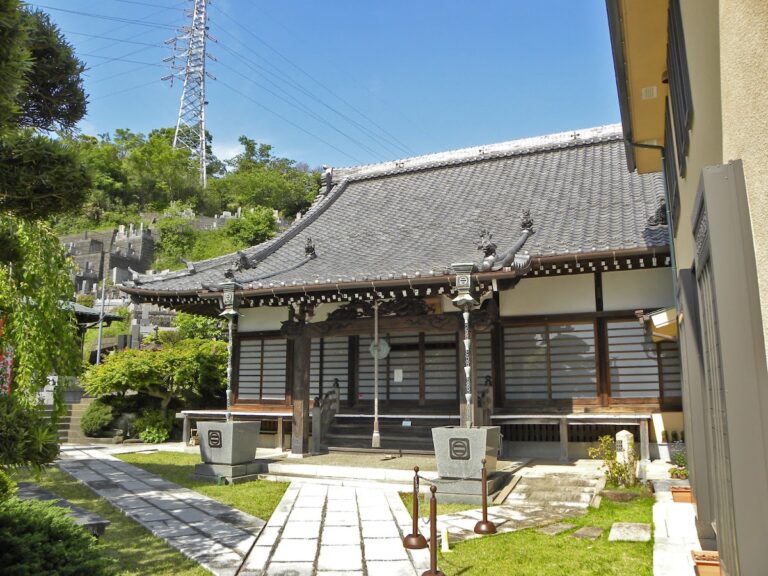
Located in Kanazawa Ward, Yokohama City, Hoju-in Temple is a historically significant temple dating back to the Heian period. Its most distinctive feature is the Amida Triad statue enshrined in the Amida Hall adjacent to the main hall.
Discovery of the Amida Triad Statues
During dismantling and repair work in 1991, numerous artifacts were discovered inside the heads of the triad statues. This discovery revealed that these statues were the principal images of Jofuku-ji Temple, built in 1147 at the foot of the cliff just below Hoju-in Temple.
This discovery holds significant importance in the study of Buddhist history in Yokohama City and provides valuable information for understanding the state of Buddhist art in the late Heian period.
Cultural Value
The Amida Triad statues retain many characteristics of late Heian period Buddhist sculpture, demonstrating the high level of skill of the sculptors of that time. Protected as a cultural property of Yokohama City, it is a valuable historical heritage of the region.
Visiting and Sightseeing
As one of the tourist spots in the Yokohama Kanazawa area, it attracts many worshippers and history enthusiasts. A quiet visit to the Amida Hall offers a precious moment to forget the hustle and bustle of the city.
Hoju-in Temple (Warabi City, Saitama Prefecture) – A Rinzai Zen Kenchoji School Temple with a history dating back to the Kamakura period
Founding and History
Hoju-in Temple, located in Warabi City, Saitama Prefecture, is a Rinzai Zen Kenchoji School temple. While there are various theories regarding its founding date, it is believed to have been founded by Masamune Hirotomo.
According to the “Shinpen Musashi Fudoki-ko” (New Compilation of the Topography of Musashi Province), Hirotomo’s death year is listed as 1332 (Shokei 1), suggesting its founding at the end of the Kamakura period. As an ancient temple with a history of nearly 700 years, it has been a center of faith in the region.
Characteristics of the Kenchoji School of Rinzai Zen Buddhism
The Kenchoji School is a branch of the Rinzai Zen sect, with Kenchoji Temple in Kamakura as its head temple, and is a sect with strong ties to the samurai class. Hojuin Temple in Warabi City also inherits this tradition and cherishes the teachings of Zen.
Connections with the Community
Throughout its long history, Hojuin Temple has been deeply connected to the local community of Warabi City. As a family temple in the region, it has watched over the history of many families.
Hojuin Temple (Nishitokyo City, Tokyo) – A Temple of the Chizan School of Shingon Buddhism
Temple Overview
Hojuin Temple, located in Izumi-cho, Nishitokyo City, Tokyo, is a temple belonging to the Chizan School of Shingon Buddhism, and its formal name is Jikozan Yakuoji Temple. It is said to have been founded in the old Kamijuku area by Genku Hoin (died in 1711).
History of Relocation
Hōjuin Temple was originally located elsewhere, but relocated to its current location in 1931 (Showa 6). This relocation is thought to have been due to urban development and improvements in transportation networks at the time.
Characteristics of the Shingon-shu Chizan-ha School
The Shingon-shu Chizan-ha school is known as a sect of Shingon Buddhism that places particular emphasis on scholarship. With Chishakuin Temple in Kyoto as its head temple, it is a large sect with approximately 3,000 temples nationwide.
Current Activities
Hōjuin Temple functions as an important religious facility in the community of Nishitokyo City. Through memorial services, ceremonies, and various Buddhist rituals, it provides spiritual support to the local people.
Other Hōjuin Temples
Hōjuin Temple in Yamanashi City, Yamanashi Prefecture
In Yamanashi City, Yamanashi Prefecture, there is a Hōjuin Temple that houses a wooden standing statue of Amida Buddha. According to the “Kai no Kuni Shi” (History of Kai Province), it was a branch temple of the Tendai sect’s Isshaku Jōhatsuganji Temple in Sagami Province. However, it is currently uninhabited, and only the hall housing the main statue remains.
This standing Amida Buddha statue is designated as a city cultural property and is carefully preserved by the local people.
Hōjuin Temple of the Jōdo Sect
There are also Hōjuin temples belonging to the Jōdo sect throughout Japan. They are registered on Jōdo sect temple search websites and are active as temples that spread the teachings of Nembutsu (recitation of Amida Buddha’s name).
Points to Note When Visiting Hojuin Temple
Temple Etiquette
When visiting Hojuin Temple, please observe the following basic temple etiquette:
- Dress Code: Avoid revealing clothing and aim for clean and presentable attire.
- Photography: Photography is often permitted on the temple grounds, but prior confirmation is necessary for photographing the interior of the main hall or Buddha statues.
- Quietness: Please be quiet on the temple grounds and be considerate of other visitors.
- Offerings: There are no set amounts, but it is important to offer your prayers with sincerity.
Participation in Zen Meditation and Sutra Copying Sessions
Temples such as Hojuin Temple in Sakura City hold Zen meditation and sutra copying sessions, and beginners are welcome to participate. Advance reservations may be required, so it is recommended to check before visiting.
About Goshuin (Temple Seals)
Many Hojuin temples offer Goshuin (temple seals). Bring your Goshuincho (seal book) and politely request one. Remember that the Goshuin (temple stamp) is proof of your visit, not a stamp rally.
Origin and Meaning of the Name Hojuin
The name “Hojuin” originates from the Buddhist term “Hoju” (宝樹). Hoju refers to a tree made of jewels said to grow in the Pure Land, symbolizing the ideal world of Buddhism.
“In” (院) was originally a title used for temples where members of the imperial family or nobility resided after becoming monks or abbots, or in their posthumous Buddhist names. In the case of Hojuin, a concubine of Tokugawa Iemitsu, the naming follows this tradition.
When “Hojuin” is used as a temple name, it signifies a place that protects and transmits the treasures of Buddhist teachings, or a place like a Pure Land that provides peace to people.
Hojuin and Local Culture
Connection to Local History
Hojuin temples in various regions are deeply connected to the history of their respective areas. Hojuin Temple in Sakura City boasts a history of 670 years, while Hojuin Temple in Warabi City has a history of approximately 700 years, both having witnessed the changing landscape of their respective regions.
Protection of Cultural Properties
Each Hojuin Temple preserves valuable cultural properties, such as the camellias in Sakura City, the Amida Triad in Yokohama City, and the standing Amida Buddha statue in Yamanashi City. These are not merely historical relics, but an integral part of the identity of the local people.
Role in Modern Times
In modern society, temples like Hojuin fulfill roles beyond mere religious institutions. They serve diverse functions as places of solace, centers of local communities, cultural property preservation facilities, and places for learning history.
Learning about Japanese History and Culture through Hojuin Temple
Edo Period Ooku Culture
The existence of Hojuin, a concubine of Tokugawa Iemitsu, is crucial for understanding the Ooku culture of the Edo period. In the Ooku, where the most important role was to produce a successor to the shogun, Hojuin, as the mother of Ietsuna, held a special position.
Characteristics of Various Buddhist Sects
Hojuin temples throughout Japan belong to various sects, including the Rinzai Myoshinji and Kenchoji branches, the Shingon Chizan branch, and the Jodo sect. Through these temples, you can learn about the diversity of Japanese Buddhism.
Discovering Local History
By tracing the history of Hojuin temples in various regions, you can learn about the history of those areas. From the temple’s founding date, the origin of its principal image, and its connection to the community, you can discover local history not found in textbooks.
Summary: Diversity and Commonalities of Hojuin Temples
The name “Hojuin” encompasses a diverse range of entities, from historical figures of the Edo period to temples throughout Japan. However, what they all have in common is their significant role in Japanese history and culture.
Hojuin, a concubine of Tokugawa Iemitsu, is remembered as an important woman in the history of the Edo shogunate. Meanwhile, Hojuin temples throughout Japan have attracted the faith of local people for hundreds of years, preserving valuable cultural assets.
Even in modern times, these Hojuin temples teach us many things: the weight of history, the power of faith, the importance of local community, and the need for inner peace. By visiting a Hojuin temple and experiencing its history, we can rediscover Japan’s rich cultural heritage.
Why not visit a Hojuin temple near you, such as those in Sakura City, Chiba Prefecture; Yokohama City, Kanagawa Prefecture; Warabi City, Saitama Prefecture; or Nishitokyo City, Tokyo? You can experience the charm of Hojuin in various ways, such as participating in Zen meditation sessions or sutra copying sessions, enjoying the nature on the temple grounds, or viewing valuable cultural artifacts.
The “treasure of Buddhism” embodied in the name Hojuin continues to provide us with peace and learning, just as it always has.