What is Kanno-ji Temple? A Comprehensive Explanation of Kanno-ji Temples Across Japan
There are several temples named “Kanno-ji” throughout Japan. Each belongs to a different sect and possesses its own unique history and cultural assets. This article provides a detailed explanation of the major Kanno-ji temples, including their history, sect, cultural assets, and access.
Table of Contents
- Kanno-ji Temple (Setagaya Ward) – A Historic Jodo Sect Temple
- Kanno Zen Temple (Izumi City, Kagoshima Prefecture) – An Ancient Temple Associated with the Shimazu Family
- Kanno-ji Temple (Toshima Ward) – History of Religious Sect Reforms in the Edo Period
- Kanno-ji Temple (Edogawa Ward) – The Temple with the Oldest Temple Bell in the Ward
- Other Kanno-ji Temples (Sakai City, Kobe City)
- Origin and Buddhist Meaning of the Name Kanno-ji Temple
- Summary of Access Information for Each Kanno-ji Temple
Kanno-ji Temple (Setagaya Ward) – A Historic Jodo Sect Temple
History and Founding
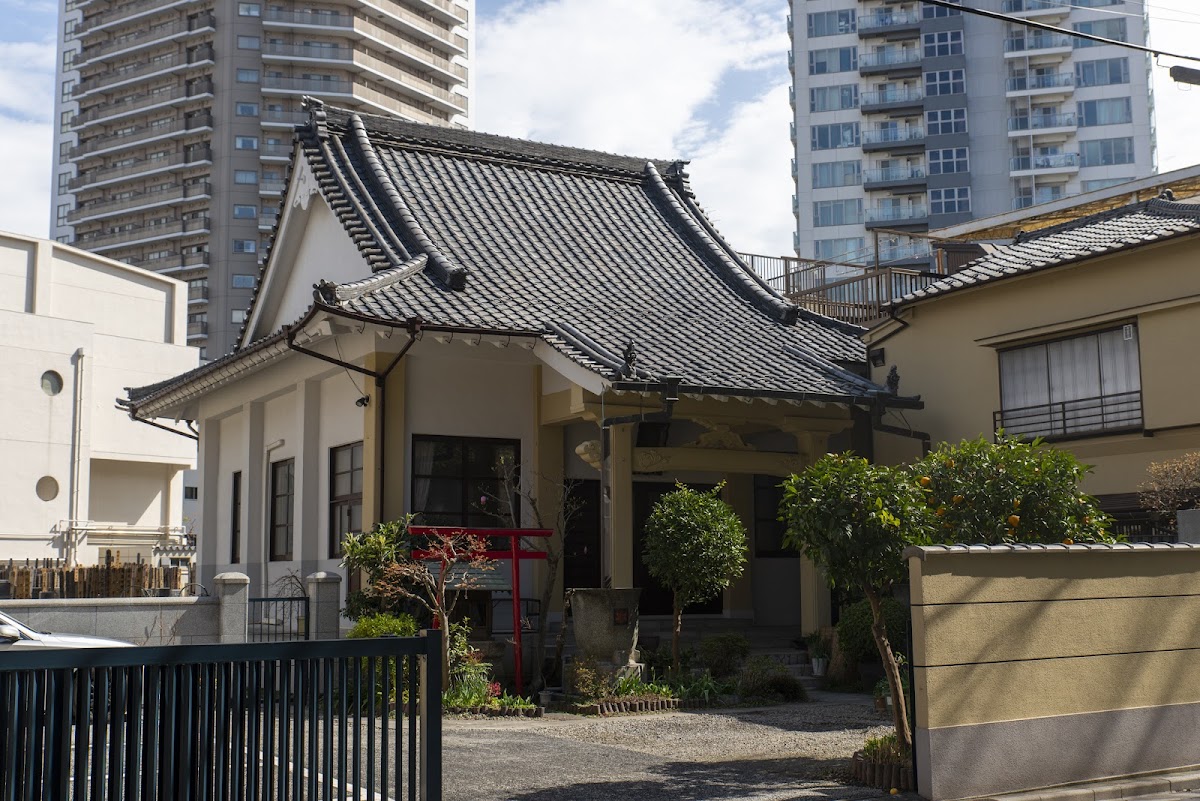
Kanno-ji Temple, located at 4-30-1 Kamiuma, Setagaya Ward, Tokyo, is a temple belonging to the Jodo Sect. It was founded in the early Edo period by Seikun-ni.
Seikun-ni served as a lady-in-waiting to Tokugawa Hidetada, the second shogun of the Edo shogunate. She was given a separate palace in Ushijima (present-day Sumida Ward, Tokyo), where she founded a temple. This is the origin of Kanno-ji Temple in Setagaya Ward.
Later, the temple moved to its current location in Kamiuma, Setagaya Ward, and continues to serve as a place of worship for the local community to this day.
Characteristics of Kanno-ji Temple in Modern Times
Kanno-ji Temple in Setagaya Ward is known as a temple that meets the needs of modern urban dwellers. The temple has the following features:
- Memorial Service for Stillborn Children: We respectfully perform memorial services for stillborn children.
- Perpetual Memorial Service: Perpetual memorial service service for those without heirs.
- Pet Memorial Service: We also accept memorial services for pets that were members of the family.
- Quiet Environment: Despite being in the city center, it has a quiet and peaceful atmosphere.
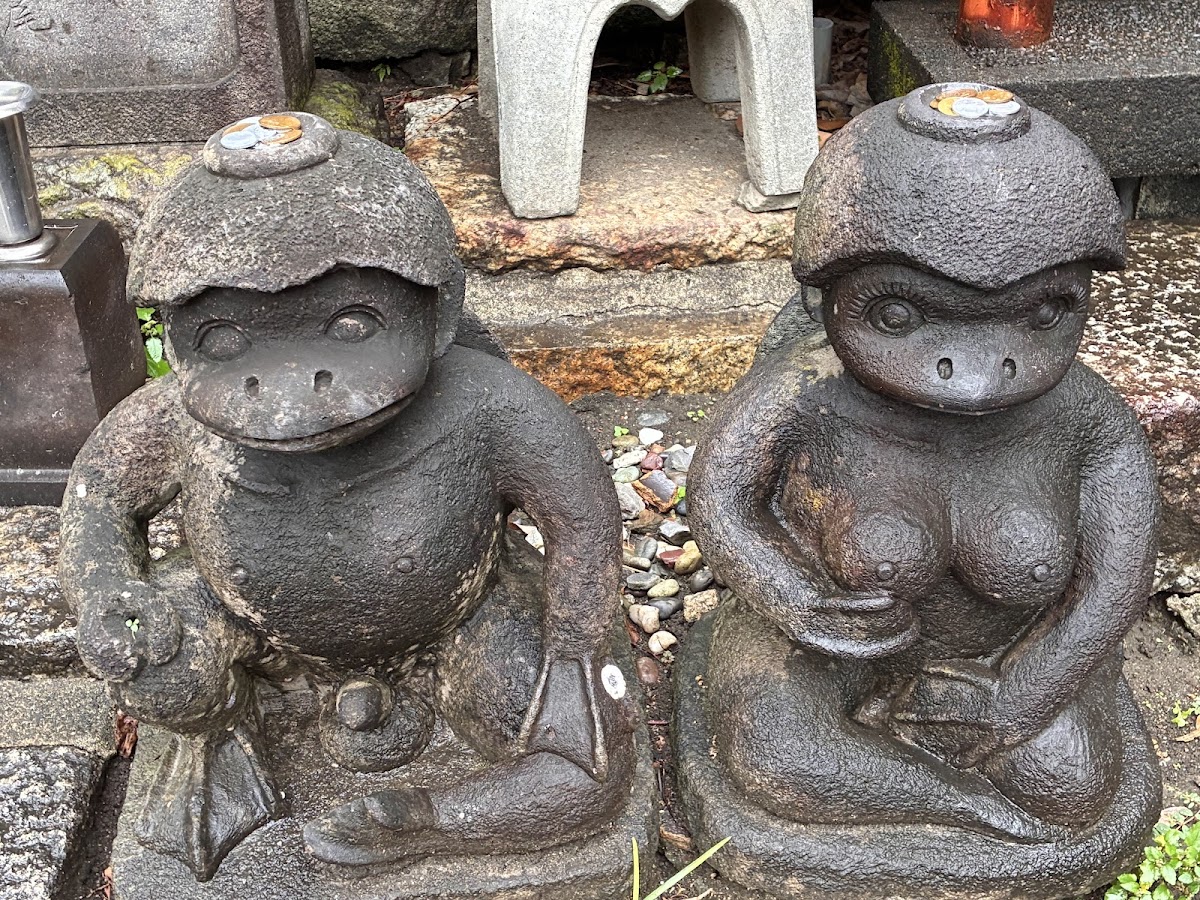
- Temple with Cats: The temple is known for its cats that welcome visitors.
Access
- Address: 4-30-1 Kamiuma, Setagaya-ku, Tokyo 154-0011
- Nearest Station: Approximately 10 minutes on foot from Sangenjaya Station on the Tokyu Den-en-toshi Line
- By Bus: Approximately 3 minutes on foot from the Kamiuma bus stop (Tokyu Bus).
Kanno Zenji Temple (Izumi City, Kagoshima Prefecture) – An ancient temple associated with the Shimazu family.
History and Founding
Kanno Zenji Temple, located in Shimoname, Noda-cho, Izumi City, Kagoshima Prefecture, is also known as Chinkokuzan Kanno-ji and is one of the oldest Zen temples in Japan.
It was founded in Kenkyu 5 (1194) by Shimazu Tadahisa, the first head of the Shimazu family. It flourished as the Shimazu family’s ancestral temple and played an important role in the history of the Satsuma Domain.
Connection to Atsuhime
Records show that Atsuhime (Tenshoin), who became the adopted daughter of Shimazu Nariakira, the lord of the Satsuma Domain during the late Edo period, and later the principal wife of Tokugawa Iesada, the 13th Shogun of the Edo Shogunate, also visited Kanno Zenji Temple on her way to Edo.
Cultural Properties Held
Kanno Zenji Temple houses numerous valuable cultural properties:
- Eleven-faced Thousand-armed Kannon Bodhisattva Statue (Prefecturally Designated Important Cultural Property): A Buddhist statue exhibiting exquisite carving techniques.
- Other artifacts, including works of art and ancient documents related to the Shimazu family, are also preserved.
Access
- Address: Shimoname, Noda-cho, Izumi City, Kagoshima Prefecture
- Nearest Station: Approximately 15 minutes on foot from Noda-go Station on the Hisatsu Orange Railway
- By Car: Approximately 20 minutes from Izumi IC on the Minami-Kyushu West Bypass Expressway
Kanno-ji Temple (Toshima Ward) – History of Religious Sect Reform in the Edo Period
History and Founding
Kanno-ji Temple, located on Nezumiyama in Mejiro, Toshima Ward, Tokyo, was a Nichiren Buddhist temple that existed during the Edo period. Its mountain name was Choyozan.
History of Religious Inspection
Kanno-ji Temple has an interesting history that symbolizes the religious policies of the Edo period:
- Originally existed as a Nichiren Buddhist temple.
- Due to the Edo Shogunate’s religious inspection, it was converted to the Tendai sect.
- In 1833 (Tenpo 4), Nichikei of Chisen-in Temple in Nakayama Hokkeji Temple and his daughter, Senkoin, launched a movement to re-convert to the Nichiren sect.
This restoration movement is noteworthy in Japanese religious history as an important case study concerning religious control and freedom of religion for the people during the Edo period.
Current Situation
Kanno-ji Temple in Toshima Ward no longer exists, but its history holds an important place in local history and the history of the Nichiren sect.
Kanno-ji Temple (Edogawa Ward) – The Temple with the Oldest Temple Bell in the Ward
History and Founding
Kanno-ji Temple, located in Ichinoe 7-chome, Edogawa Ward, Tokyo, is a Nichiren Buddhist temple. Its mountain name is Ekuzan, and it is also known as Renkoin.
- Founding: Genkyu 2 (1205)
- Conversion: Converted from Shingon Buddhism to Nichiren Buddhism in Shoo 1 (1288)
- Founder: Nisshin, who succeeded the 3rd head priest of the head temple, Minobu-san Kuon-ji Temple
Cultural Property
The most important cultural property owned by Kanno-ji Temple in Edogawa Ward is the oldest existing temple bell in Edogawa Ward. This bell is designated as a ward-designated tangible cultural property and is a valuable historical document that tells the story of the region.
Access
- Address: Ichinoe 7-chome, Edogawa-ku, Tokyo
- Nearest Station: Approximately 8 minutes on foot from Ichinoe Station on the Toei Shinjuku Line
Other Kanno-ji Temples (Sakai City, Kobe City)
Kanno-ji Temple (Minami-ku, Sakai City, Osaka Prefecture)
Located at 380 Tomikura, Minami-ku, Sakai City, Osaka Prefecture, Kanno-ji Temple is a Nichiren Buddhist temple, commonly known as Niwadani Myoken.
- Mountain Name: Myokenzan
- Principal Image: Myoken Bodhisattva
- Former Head Temple: Sakai Myokoku-ji Temple
- Affiliation: Sakai Hoen
As a center of Myoken worship, it attracts the faith of local people and is particularly known for prayers for good fortune and protection against misfortune.
Kanno-ji Temple (Hyogo Ward, Kobe City, Hyogo Prefecture)
Kanno-ji Temple, located at 5-2-1 Nakamichi-dori, Hyogo Ward, Kobe City, Hyogo Prefecture, is a temple of the Nichiren sect (Honmon-ryu).
As a Nichiren sect temple in Kobe City, it serves as a center of local faith, conducting various memorial services and ancestral rites.
- Nearest Station: Within walking distance of Daikai Station on the Kobe Municipal Subway Kaigan Line
Origin of the Name of Kanno-ji Temple and its Buddhist Meaning
Meaning of “Kanno”
The word “Kanno” is a very important concept in Buddhism:
- Kan: The act of sentient beings (people) praying to Buddhas and Bodhisattvas
- O: The act of Buddhas and Bodhisattvas extending a helping hand in response to those prayers
In other words, “Kanno” means the mutual resonance between the prayers of sentient beings and the compassion of Buddha.
The Wishes Embodied in the Name “Kanno-ji”
The name “Kanno-ji” is thought to embody the following wishes:
- A place where people’s prayers reach the Buddha
- A place where the Buddha’s compassion pours down upon people
- A place where faith and salvation are realized
It is believed that the name “Kanno-ji” has been adopted for temples throughout Japan for these reasons.
Comparison of the Sects and Characteristics of Each Kanno-ji Temple
A comparison of major Kanno-ji temples across Japan reveals the following characteristics:
Classification by Sect
- Jodo-shu: Kanno-ji Temple in Setagaya Ward
- Zen-shu: Kanno-zen-ji Temple in Izumi City, Kagoshima Prefecture
- Nichiren-shu: Kanno-ji Temples in Toshima Ward (historically), Edogawa Ward, and Sakai City
- Hokke-shu: Kanno-ji Temple in Kobe City
Comparison of Founding Dates
The oldest Kanno-ji temple is Kanno-zen-ji Temple in Izumi City, Kagoshima Prefecture, founded in Kenkyu 5 (1194). This is followed by Kanno-ji Temple in Edogawa Ward, founded in Genkyu 2 (1205).
Kanno-ji Temple in Setagaya Ward was founded in the early Edo period, making it relatively new.
Characteristics of Cultural Properties
- Izumi City, Kagoshima Prefecture: Eleven-faced Thousand-armed Kannon Bodhisattva statue (Prefecturally designated important cultural property)
- Edogawa Ward: The oldest temple bell in the ward (Ward-designated tangible cultural property)
- Setagaya Ward: Historical connection with the Tokugawa family
Points to Note and Manners When Visiting Kanno-ji Temples
Basic Manners for Visiting Temples
When visiting each Kanno-ji temple, please observe the following basic manners:
- Dress Code: Modest, understated clothing is preferable.
- Photography: Photography is often permitted on the temple grounds, but please check in advance regarding photography inside the main hall or of Buddha statues.
- Quietness: Temples are places of training and prayer. Please refrain from speaking loudly.
- Etiquette for Worship: Etiquette may vary depending on the sect.
Worship Etiquette by Sect
- Jodo Sect: Join your hands in prayer and chant “Namu Amida Butsu”
- Zen Sect: Quietly join your hands in prayer and pray with a calm mind.
- Nichiren Sect/Hokke Sect: Join your hands in prayer and chant “Namu Myoho Renge Kyo”
Visiting Hours and Admission Fees
Many Kanno-ji temples offer free admission, but there may be a fee for viewing special cultural artifacts. Visiting hours also vary by temple, so it is recommended to check in advance.
Tourist Attractions Around Kanno-ji Temple
Around Kanno-ji Temple, Setagaya Ward
- Sangenjaya: A popular area with many stylish cafes and restaurants
- Setagaya Park: A lush green urban park
- Carrot Tower: Enjoy panoramic views of Tokyo from its observation lobby
Around Kanno-zenji Temple, Izumi City, Kagoshima Prefecture
- Izumi Fumoto Samurai Residences: A historical district with samurai residences of the Satsuma Domain remaining
- Izumi Crane Wintering Ground: A wintering ground for cranes designated as a special natural monument
- Izumi City Crane Museum Crane Park Izumi: A facility where you can learn about cranes
Around Kanno-ji Temple, Edogawa Ward
- Ichinoe Sakaigawa Waterfront Park: A waterfront park where you can enjoy flowers of all seasons
- Edogawa Ward Natural Zoo: A free zoo
Memorial Services and Buddhist Rites at Kanno-ji Temple
Services at Kanno-ji Temple, Setagaya Ward
Kanno-ji Temple in Setagaya Ward offers a variety of memorial services tailored to modern lifestyles:
- Memorial Service for Stillborn Children: Respectful memorial service and emotional support
- Perpetual Memorial Service: Perpetual memorial graves for those without successors
- Pet Memorial Service: Memorial service for pets who were members of the family
- Various Buddhist Services: Annual memorial services, monthly memorial services, etc.
Reservations and Inquiries
If you wish to hold a memorial service or other memorial service, it is important to contact the temple in advance to discuss the date and content. Many temples accept inquiries by phone or email.
Summary: The Diversity and Historical Value of Kanno-ji Temple
There are several temples named “Kanno-ji” throughout Japan, each with its own unique history and culture.
- Kanno-ji Temple in Setagaya Ward is a Jodo sect temple with ties to the Edo shogunate, having been founded by Seikun-ni, a lady-in-waiting to Tokugawa Hidetada.
- Kanno Zen-ji Temple in Izumi City, Kagoshima Prefecture is one of Japan’s oldest Zen temples, founded in 1194 by the first head of the Shimazu family.
- Kanno-ji Temple in Edogawa Ward is a Nichiren sect temple with a history dating back to 1205, and houses the oldest temple bell in the ward.
- Kanno-ji Temple in Toshima Ward is a temple that tells the story of the Edo period’s religious control through religious census.
These Kanno-ji temples are deeply intertwined with the history and culture of their respective regions and continue to play an important role as places of faith for people.
As the word “Kanno” (感応) suggests, these temples will continue to be important presences in their communities, as places where people’s prayers and the compassion of Buddha resonate with each other.
When visiting each Kanno-ji temple, understanding its historical background and the characteristics of its sect will allow for a deeper experience. Quietly put your hands together in prayer, calm your mind, and feel the unique atmosphere of each temple.