Yubetsu Shrine | A Complete Guide to the Historic Village Shrine in Monbetsu District, Hokkaido: Information on Goshuin (Shrine Seals), Access, and Annual Festivals
About Yubetsu Shrine
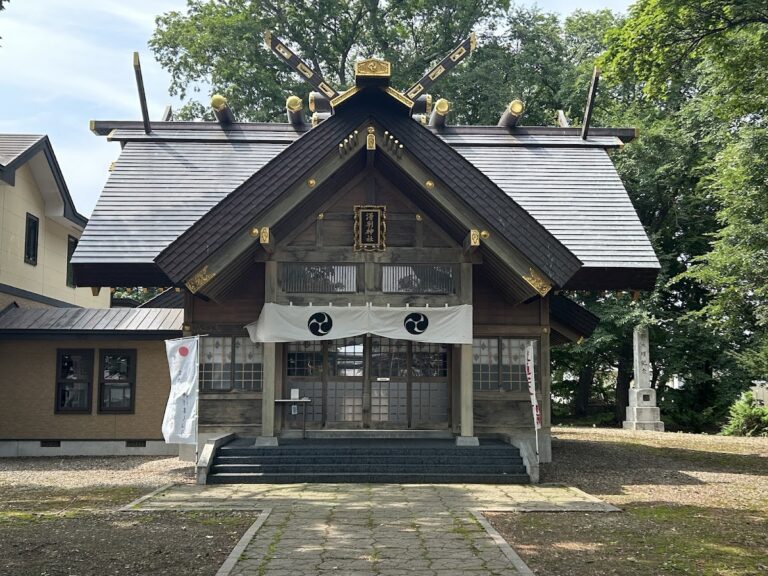
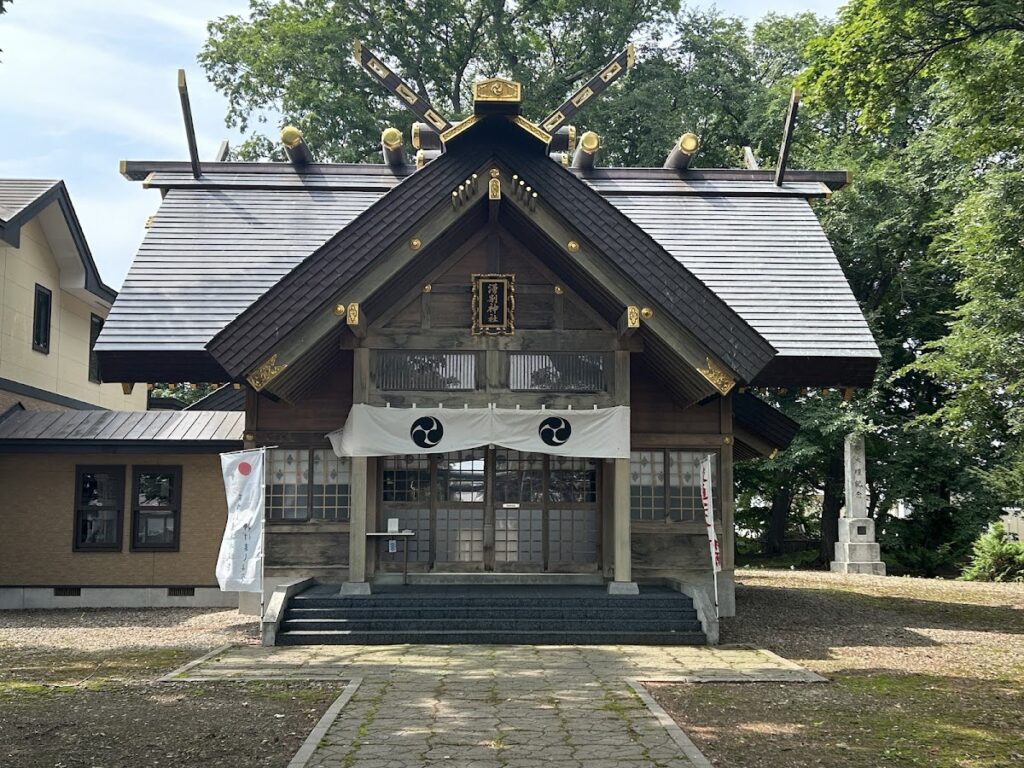
Yubetsu Shrine is a shrine located at 51 Midorimachi, Yubetsu-cho, Monbetsu-gun, Hokkaido (some sources say 53-1). Its former shrine rank was Village Shrine. Located in the heart of Yubetsu-cho, facing the Sea of Okhotsk, it is known as a historic shrine that attracts the faith of local residents.
Founded during the Meiji era’s pioneering period, Yubetsu Shrine has grown alongside the development of Yubetsu-cho and continues to play an important role as a spiritual pillar of the community. The shrine grounds are enveloped in a quiet and peaceful atmosphere, providing a space that offers peace of mind to visitors.
History and Origins of Yubetsu Shrine
Circumstances of Founding
The history of Yubetsu Shrine dates back to Meiji 27 (1894). Originally founded on the banks of the Uluwakka River, it was established as a spiritual center for the pioneers of the Yubetsu region.
In September 1896 (Meiji 29), a small shrine was erected at its current location, and the deities Okuninushi-no-Mikoto and Kotoshironushi-no-Mikoto were relocated. This relocation coincided with the progress of Yubetsu’s development and the formation of a central settlement.
Construction and Development of the Shrine
In 1903 (Meiji 36), a formal shrine building and worship hall were constructed. This established Yubetsu Shrine as a central shrine in the region.
During the pioneering period of Hokkaido, shrines were not merely religious institutions; they played a crucial role as centers of local communities and as a source of spiritual support for pioneers. Yubetsu Shrine, too, provided a spiritual anchor for people living in a harsh natural environment.
Ranked as a Village Shrine
Yubetsu Shrine was ranked as a village shrine, establishing its status as a public shrine in the region. A village shrine, in the Meiji era’s shrine ranking system, signifies a central shrine within a village. This ranking demonstrates the official recognition of the role Yubetsu Shrine has played in the local community.
Deity and Benefits
Okuninushi-no-Mikoto
Okuninushi-no-Mikoto, the principal deity of Yubetsu Shrine, is an important god in Japanese mythology, also known as the principal deity of Izumo Taisha Shrine. Known as the god of nation-building, he is believed to offer the following benefits:
- Matchmaking and Fulfillment of Good Relationships: Worshipped as a god who connects people.
- Abundant Harvests and Business Prosperity: Protects the development of agriculture and commerce.
- Family Safety: Watches over the peace and prosperity of families.
- Medical Care and Healing: Has been revered as a god of medicine since ancient times.
During the pioneering period of Hokkaido, Okuninushi-no-Mikoto attracted the faith of pioneers who wished for stability and prosperity in their new lives.
Kotoshironushi-no-Mikoto
Kotoshironushi-no-Mikoto is a son of Okuninushi-no-Mikoto and is a god affectionately known as Ebisu. His main blessings include the following:
- Maritime Safety and Fishing Prosperity: A particularly important object of worship in Yubetsu Town, which faces the Sea of Okhotsk.
- Business Prosperity: Widely worshipped as the god of commerce.
- God of Oracles: Known as the god who conveys divine will.
Yubetsu Town is a region where fishing is thriving, and devotion to Kotoshironushi-no-Mikoto is strong, especially among those involved in the fishing industry.
Annual Festival and Other Events
Annual Festival
The annual festival of Yubetsu Shrine is held on September 15th. The annual festival is the most important ceremony at the shrine and is the most grandly held event of the year. Local residents gather to offer thanks to the gods and pray for the prosperity and safety of the region.
The annual festival involves solemn Shinto rituals and is an important opportunity to pass on the region’s traditional culture to the next generation.
Other Annual Events
In addition to the annual festival, various Shinto rituals are held at Yubetsu Shrine throughout the year.
- Hatsumode: Many worshippers visit to welcome the New Year.
- Setsubun Festival: A festival to ward off evil and invite good fortune.
- Natsukoshi no Oharae: A Shinto ritual to purify and cleanse away the impurities accumulated over the past six months.
- Shichi-Go-San: A celebration of children’s growth.
- Toshikoshi no Oharae: A Shinto ritual to purify and cleanse away the impurities accumulated over the past year.
These events are deeply rooted in the lives of local residents and are important opportunities to feel the changing seasons.
About Goshuin (Shrine Seals)
Issuance of Goshuin
Yubetsu Shrine offers Goshuin. Goshuin are popular among many worshippers as proof of their visit and as a tangible record of their connection with the shrine.
If you wish to receive a Goshuin, please speak to the shrine office after your visit. However, depending on the size of the shrine and the time of year, the chief priest may not be present. Therefore, if you definitely want a Goshuin (shrine stamp), it is recommended that you check in advance through the Hokkaido Shrine Association or the Yubetsu Town Hall.
Etiquette when receiving a Goshuin
Please keep the following etiquette in mind when receiving a Goshuin.
- Complete your prayers first: The goshuin (temple/shrine stamp) is proof of your visit, so always pray first.
- Prepare your goshuincho (stamp book): Prepare a dedicated goshuincho.
- Request respectfully: Treat the priest or Shinto priest with respect.
- Prepare the offering: Generally, 300 to 500 yen is a guideline.
- Wait quietly while they write: Refrain from talking and wait respectfully.
Access Information
Location
Address: 51 (or 53-1) Midorimachi, Yubetsu-cho, Monbetsu-gun, Hokkaido
Yubetsu Shrine is located in the central area of Yubetsu-cho, making it relatively easy to access.
Access by Car
From Sapporo
- Approximately 250km from Sapporo, about 4 hours by car
- Take the Hokkaido Expressway and Asahikawa-Monbetsu Expressway towards Engaru
- Proceed along National Route 238 (Okhotsk National Highway) towards Monbetsu to the center of Yubetsu Town
From Asahikawa
- Approximately 140km from Asahikawa, about 2 hours 30 minutes by car
- Take the Asahikawa-Monbetsu Expressway towards Engaru
- Proceed to Yubetsu Town via National Routes 242 and 238
From Monbetsu
- Approximately 25km from Monbetsu City, about 30 minutes by car
- Head south on National Route 238 to the center of Yubetsu Town
Access by Public Transportation
Bus
- Use local buses operated by Kitami Bus, Monbetsu Bus, etc.
- Get off at the “Yubetsu” or “Yubetsu Fisheries Cooperative” bus stop and walk for about 5-6 minutes.
- From Sapporo or Asahikawa, you will need to transfer between intercity buses and local buses.
Nearest Major Station
- The nearest train station is JR Sekihoku Main Line “Engaru Station” (approximately 30km).
- From Engaru Station, access is by bus or taxi.
Parking
There is parking space within the shrine grounds or nearby. During events such as festivals, congestion is expected, so it is recommended to visit with plenty of time to spare.
About Yubetsu Town
Overview of Yubetsu Town
Yubetsu Town is a town located in Monbetsu District, under the jurisdiction of the Okhotsk General Subprefectural Bureau of Hokkaido. Facing the Sea of Okhotsk, it is a naturally rich area including part of Lake Saroma.
The population is approximately 8,000 (as of 2024), and the main industries are agriculture and fishing. Yubetsu is particularly known for its onion and scallop production, and “Yubetsu onions” are highly regarded.
Tourist Attractions in Yubetsu Town
When visiting Yubetsu Shrine, we recommend also visiting the following tourist attractions:
Kamiyubetsu Tulip Park
- One of Japan’s largest tulip parks, boasting approximately 200 varieties of tulips.
- Best viewing time is mid-May to early June.
Lake Saroma
- The third largest lake in Japan.
- A thriving scallop farming area where you can enjoy fresh seafood.
Ryugudai Observatory
- A scenic spot offering panoramic views of Lake Saroma and the Sea of Okhotsk.
Gokayama Campground
- A campground surrounded by nature.
- Popular with outdoor enthusiasts.
Other Shrines in Yubetsu Town
In addition to Yubetsu Shrine, there are several other shrines located in Yubetsu Town.
Kamiyubetsu Shrine
This shrine is located in the Kamiyubetsu area, approximately 9 km from Yubetsu Shrine. It is also a shrine that attracts the faith of the local community.
Other Shrines and Shrines
Within Yubetsu Town, there are numerous small shrines and shrines built during the pioneering period, totaling over 20 shrine-related facilities. These are valuable cultural heritage sites that tell the story of the pioneering history.
Manners and Etiquette for Visiting Shrines
Basic Etiquette for Visiting Shrines
When visiting a shrine, please observe the following etiquette.
Before Passing Through the Torii Gate
- Bow before the torii gate.
- Walk along the path, avoiding the center (the center is considered the path of the gods).
How to Purify Yourself at the Water Basin
- Hold the ladle in your right hand and purify your left hand.
- Switch the ladle to your left hand and purify your right hand.
- Switch the ladle back to your right hand, receive water in your left hand, and rinse your mouth.
- Purify your left hand once more.
- Hold the ladle upright, purify the handle, and return it to its original place.
Worship at the Main Hall
- Gently place your offering in the offering box.
- If there is a bell, ring it.
- Worship using the two bows, two claps, and one bow method.
- Bow deeply twice.
- Clap your hands twice.
- Pray with all your heart.
- Finally, bow deeply once.
Dress Code for Visiting Shrines
While there are no specific dress code requirements, please dress appropriately for a sacred place. Avoid overly revealing or dirty clothing.
Characteristics of Shrines in Hokkaido
Shrines of the Pioneer Era
Many shrines in Hokkaido, like Yubetsu Shrine, were founded during the Meiji era’s pioneering period. Many were established by pioneers who migrated from Honshu, receiving a divided spirit from their hometown shrines.
Adaptation to Climate
To cope with Hokkaido’s harsh winter climate, the structure and layout of shrine buildings show ingenuity. Designs were implemented to protect the buildings from snow and cold.
Center of the Local Community
In pioneering Hokkaido, shrines functioned not only as religious facilities but also as public spaces where local residents gathered. This tradition continues today, with shrines serving as the center of local festivals and events.
Nearby Restaurants and Souvenirs
Local Cuisine
When visiting Yubetsu Town, be sure to enjoy dishes made with local ingredients.
Scallop Dishes
- Scallops from Lake Saroma are exquisite.
- Enjoy them prepared in various ways, such as sashimi, butter-grilled, and fried.
Yubetsu Onions
- A Yubetsu specialty known for its strong sweetness, delicious even raw.
- Many restaurants offer dishes using these onions.
Souvenirs
- Scallop Products: Dried scallops, smoked scallops, etc.
- Onion Products: Onion soup, onion dressing, etc.
- Dairy Products: Products made with fresh, locally produced milk.
Photography Guidelines
Photography is generally permitted within the shrine grounds, but please note the following:
- Refrain from taking photos in areas where photography is prohibited, such as inside the main hall.
- Refrain from taking photos during Shinto rituals, or obtain permission beforehand.
- Be considerate of other worshippers.
- Permission is required in advance for commercial use.
Contact Information
For detailed information about Yubetsu Shrine and to apply for prayers and Shinto rituals, please contact the following. Hokkaido Shrine Association
- An organization that oversees shrines in Hokkaido.
- Also provides information about Yubetsu Shrine.
Yubetsu Town Hall
- Address: 318 Kamiyubetsu Tonden, Yubetsu-cho, Monbetsu-gun, Hokkaido
- Provides general information about tourism and shrines.
Summary
Yubetsu Shrine is a representative shrine of Yubetsu Town, with a history of over 120 years dating back to the Meiji era’s pioneering period. It enshrines Okuninushi-no-Mikoto and Kotoshironushi-no-Mikoto, and is believed to bring blessings for matchmaking, business prosperity, and maritime safety.
Located in the heart of Yubetsu Town, a town rich in nature facing the Sea of Okhotsk, it is a beloved spiritual center for local residents. The annual festival is held on September 15th, and various Shinto rituals are performed throughout the year.
When visiting Yubetsu Town, we highly recommend visiting Yubetsu Shrine and offering a quiet prayer while reflecting on the history of Hokkaido’s pioneering. Combine your visit with nearby tourist spots and local cuisine for a fulfilling trip. Surrounded by the beautiful nature of each season, Yubetsu Shrine is a special place that offers peace and vitality to its visitors.