Complete Guide to Usa Shrine | A Thorough Explanation of History, Worship Methods, Benefits, and Access
Located in Usa City, Oita Prefecture, Usa Shrine is the head shrine of the more than 40,000 Hachiman shrines nationwide, and has attracted fervent devotion from ancient times to the present day. Receiving the second highest level of reverence from the Imperial Family after Ise Grand Shrine, and known as a “Chokusaisha” (imperial shrine), this shrine is not merely a tourist destination, but a sacred place where Japanese history and culture breathe life into.
This article provides a detailed explanation of Usa Shrine’s historical background, its unique worship method (“two bows, four claps, one bow”), highlights within the grounds, benefits, access methods, and surrounding tourist spots—all useful information for those planning a visit.
What is Usa Shrine? | The Head Shrine of All Hachiman Shrines
Usa Shrine is a shrine located in Minami-Usa, Usa City, Oita Prefecture, and is the head shrine of all Hachiman shrines nationwide, with Hachiman-Okami (Emperor Ojin) as its main deity. Founded in 725 (Shinki 2), it boasts a history of nearly 1300 years.
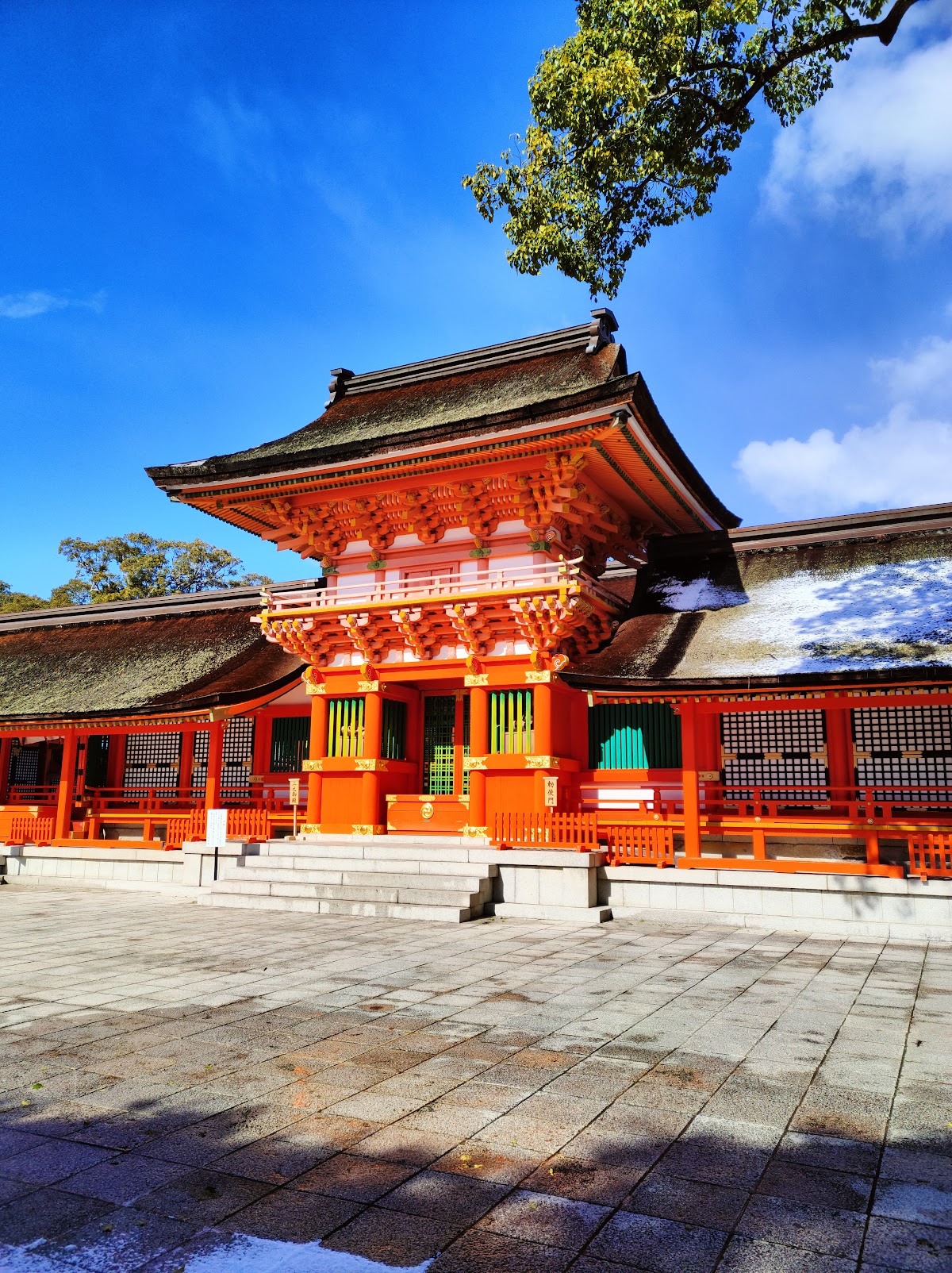
The shrine grounds are vast, with numerous shrine buildings, including the Upper and Lower Shrines, scattered across approximately 180,000 tsubo (about 600,000 square meters). The harmonious landscape of vermilion-painted shrine buildings and lush greenery deeply impresses visitors.
What is Hachiman-jin?
Hachiman-jin is a deity unique to Japan, considered the divine spirit of Emperor Ojin. While revered as a god of war and archery by samurai families, he is also worshipped as a god of agriculture and industrial development, characterized by a wide range of followers.
At Usa Shrine, in addition to Hachiman-jin (Emperor Ojin), Hime-no-Okami and Empress Jingu are also enshrined, and these three deities are collectively known as the “Three Gods of Usa.”
History of Usa Shrine | A Center of Faith Since Ancient Times
Founding and Development
The origins of Usa Shrine are said to date back to 571 (the 32nd year of Emperor Kinmei’s reign), when Hachiman Daishin first manifested himself in the land of Usa. Later, in 725 (the 2nd year of the Jinki era), the shrine buildings were constructed at the present location, and it was officially founded as Usa Shrine.
During the Nara period, there is a legend that Hachiman Daishin assisted in the construction of the Great Buddha of Todai-ji Temple, which led to even deeper reverence from the imperial court. In 749, Hachiman Daishin received the divine title of “Hachiman Daibosatsu,” becoming a symbolic figure of the syncretism of Shinto and Buddhism.
Deep Connections with the Imperial Family
Usa Shrine has had deep ties with the Imperial Family since ancient times and is one of the “Imperial Shrines” to which the Emperor’s envoys are dispatched. Particularly famous is the “Usa Hachiman Shrine Oracle Incident” of 769. This refers to an incident during the reign of Empress Shōtoku, when Yuge no Dōkyō attempted to seize the imperial throne. Wake no Kiyomaro was dispatched to Usa Shrine to verify the oracle, and this is known as a significant event in Japanese history.
Developments from the Medieval Period Onward
From the Kamakura period onward, with the establishment of the samurai government, the worship of Hachiman as a god of war spread throughout the country. Because the Minamoto clan revered Hachiman as their tutelary deity, Hachiman shrines were established in various locations, including Tsurugaoka Hachimangu Shrine in Kamakura.
During the Edo period, under the protection of successive feudal lords, it flourished as a center of worship, attracting many visitors. In the Meiji era, it was designated a “Kanpei Taisha” (Grand Imperial Shrine) under the modern shrine ranking system, and after the war, it remained a Beppyo Jinja (Special Shrine) to this day.
Worship Etiquette at Usa Shrine | The Unique “Two Bows, Four Claps, One Bow”
The most distinctive feature of worship at Usa Shrine is its unique worship etiquette: “Two bows, four claps, one bow.” While most shrines follow the “two bows, two claps, one bow” ritual, Usa Shrine performs four claps.
The Etiquette of Two Bows, Four Claps, One Bow
- Two Bows: Bow deeply twice.
- Four Claps: Clap your hands four times at chest height.
- One Bow: Bow deeply once at the end.
This ritual is unique to Izumo Taisha and Usa Shrine and is considered a sign of more respectful devotion.
Order of Worship | From Lower Shrine to Upper Shrine
Usa Shrine also has unique rules regarding the order of worship. The formal method of worship is as follows:
- Visit the Lower Shrine (Gegu)
- Visit the Upper Shrine (Jogu)
- Visit the Lower Shrine again
This order is called “Lower Shrine, Upper Shrine, Lower Shrine,” and is known locally as “Omiya-mairi” (a formal shrine visit). The Lower and Upper Shrines are located far apart, and the round trip takes time, but those wishing to perform a formal worship are advised to follow this order.
Highlights of the Shrine Grounds | Upper Shrine, Lower Shrine, and Historical Buildings
Upper Shrine (Jogu)
This is the central shrine of Usa Jingu, and its main hall is designated a National Treasure. It features a unique architectural style called “Hachiman-zukuri,” with three shrine buildings lined up: the First Shrine, the Second Shrine, and the Third Shrine.
- Ichino-Goten: Dedicated to Hachiman-Ōkami (Emperor Ōjin)
- Nino-Goten: Dedicated to Hime-Ōkami
- Sanno-Goten: Dedicated to Empress Jingū
The vermilion-lacquered shrine buildings are majestic and beautiful, and especially during the seasons of fresh greenery and autumn leaves, you can enjoy a spectacular view in harmony with the surrounding nature.
Gegū (Lower Shrine)
Located a short distance from the Kami-gu (Upper Shrine), it enshrines the same three deities as the Kami-gu. It has a quieter and more peaceful atmosphere than the Kami-gu, allowing for a leisurely visit. The architectural style is also the same Hachiman-zukuri as the Kami-gu, and it is designated as an Important Cultural Property.
Kurehashi (Kure Bridge)
A vermilion-lacquered arched bridge located on the approach to the Kami-gu, it is a sacred bridge that only imperial envoys were permitted to cross. Although it is currently inaccessible, its elegant form is one of the symbols of Usa Jingu.
Treasure Hall
Exhibits valuable cultural artifacts that tell the history of Usa Jingu. You can see the national treasure, the Peacock-patterned bell (Kujaku-monkei), numerous ancient documents, and sacred treasures. It’s a must-see spot for anyone interested in history.
Oo Shrine and Wakamiya Shrine
While there are many subsidiary shrines within the grounds, Oo Shrine is particularly important, enshrining the local deity of Usa Jingu. Wakamiya Shrine, on the other hand, enshrines Emperor Nintoku and is worshipped as a god of safe childbirth and child-rearing.
Benefits of Usa Jingu | Diverse Divine Virtues
Usa Jingu is known for its diverse blessings.
Main Benefits
- Victory and Success: Due to Hachiman’s nature as a god of war, many people visit to pray for success in competitions and passing exams.
- National Peace and Protection from Evil: Revered as a guardian deity of the nation since ancient times.
- Matchmaking and Family Safety: Hime-no-Okami is considered a guardian deity of women, and is believed to bring blessings for matchmaking and family harmony.
- Safe Childbirth and Child-rearing: Because Empress Jingu safely gave birth to Emperor Ojin here, many pregnant women visit to pray for safe childbirth.
- Traffic Safety: Car blessings are also performed here today.
- Business Prosperity: Also worshipped as a god of industrial development.
Amulets and Gifts
Usa Shrine offers a wide variety of amulets. Particularly popular are the victory amulet, matchmaking amulet, and safe childbirth amulet. Goshuin (shrine stamps) are also popular and can be obtained at both the Upper and Lower Shrines.
Access | How to Get to Usa Shrine
Access by Train
The nearest station is Usa Station on the JR Nippo Main Line.
- From Hakata Station: Approximately 1 hour 40 minutes by limited express train
- From Oita Station: Approximately 40 minutes by limited express train, approximately 1 hour by local train
From Usa Station, it’s about a 10-minute bus or taxi ride.
Access by Bus
From Usa Station, take a bus bound for “Yokkaichi” or “Usa Shrine” and get off at the “Usa Hachiman” bus stop. The journey takes approximately 10 minutes, and the fare is about 200 yen one way.
Since the number of buses is limited, it is recommended to check the timetable in advance.
Access by Car
- From Usa IC: Approximately 5 minutes from Usa IC on the Higashi-Kyushu Expressway
- From Fukuoka: Approximately 1 hour 30 minutes
- From Oita: Approximately 50 minutes
There is a free parking lot on the shrine grounds (capacity of approximately 400 cars). However, it gets crowded during the first three days of the New Year and during major festivals, so we recommend using public transportation.
By Taxi
If you take a taxi from Usa Station, the journey takes approximately 10 minutes and the fare is around 1,500 yen.
Best Time to Visit and Events
Beauty in Every Season
Usa Shrine can be visited throughout the year, but each season has its own unique charm.
- Spring (March-May): Beautiful cherry blossoms and fresh greenery, perfect for visiting the shrine in pleasant weather.
- Summer (June-August): Lush greenery, offering a refreshing atmosphere within the sacred grounds.
- Autumn (September-November): Stunning autumn foliage, especially at its peak in mid-November.
- Winter (December-February): A tranquil atmosphere for solemn worship.
Main Festivals and Events
Hatsumode (January 1st-3rd)
One of Kyushu’s leading Hatsumode spots, attracting approximately 400,000 visitors annually. While extremely crowded, it’s ideal for New Year’s prayers.
Spring Imperial Festival (March 18th)
An important festival attended by an imperial envoy from His Majesty the Emperor, demonstrating the high status of Usa Shrine.
Summer Purification Festival (July 31st – August 1st)
A Shinto ritual to purify oneself of summer’s impurities, including the ritual of passing through a ring of reeds.
Mid-Autumn Festival (Third week of October)
A festival to give thanks for the autumn harvest, featuring performances of Kagura (sacred dance) and Noh (traditional Japanese theater).
Grand Festival (October)
One of the most important festivals of the year, attracting many worshippers.
Tourist Spots Around Usa Shrine
Tokoji Temple
A temple with deep ties to Usa Shrine, it once flourished as a shrine temple. Highlights include the Five Hundred Arhats and its beautiful garden.
Usa Fudoki Hill
A historical park with numerous Kofun period (ancient burial mound) ruins, where you can learn about the ancient history of the Usa region. Helpful for understanding the historical background of Usa Shrine.
Stone Bridges of Innai-cho
In Innai-cho, Usa City, boasts 75 stone bridges built between the Edo and Meiji periods, earning it the nickname “Village of Stone Bridges.”
Grape Orchards of Ajimu
Ajimu-cho in Usa City is famous for its grapes, and grape picking can be enjoyed from summer to autumn.
Usa City Peace Museum
This museum tells the history of the Usa Naval Air Base during World War II, allowing visitors to learn about the importance of peace.
Points to Note and Manners When Visiting
Clothing
While there are no specific dress code requirements, please be mindful of the sacred nature of the place and avoid revealing clothing. Comfortable walking shoes are recommended due to the many stairs and slopes.
Visiting Hours
- Opening Hours: April-September 5:30-21:00, October-March 6:00-21:00
- Prayer Reception: 9:00-16:00 (Reception until 15:30)
Visiting early in the morning is recommended as there are fewer people and you can pray in a quiet atmosphere.
Photography
Photography is generally permitted on the shrine grounds, but photography inside the main hall and during ceremonies is prohibited. Please be considerate of other visitors.
Time Required
Due to the vast grounds, a leisurely visit including both the Upper and Lower Shrines will take approximately 2-3 hours. It is recommended to visit with ample time.
Usa Shrine’s Goshuin (Shrine Seal)
At Usa Shrine, you can receive a Goshuin at both the Upper and Lower Shrines. The offering fee is 300 yen each.
Usa Shrine offers its own original goshuincho (stamp book), with designs related to Hachiman (the god of war) being particularly popular. The offering fee is approximately 1,500 yen.
Goshuin stamps are available from 9:00 AM to 4:00 PM. However, they may not be available during festivals or events, so it’s best to check in advance.
Prayers and Supplications Available at Usa Shrine
Various prayers and supplications are available at Usa Shrine.
Main Types of Prayers
- Family Safety
- Protection from Evil
- Traffic Safety
- Business Prosperity
- Success in Exams
- Safe Childbirth
- First Shrine Visit for a Newborn
- Shichi-Go-San (7-5-3 Festival)
- Recovery from Illness
- Fulfillment of Wishes
How to Receive Prayers
If you wish to receive prayers, apply at the prayer reception desk in the upper shrine. Reception hours are 9:00 AM to 4:00 PM (reception closes at 3:30 PM). The offering fee varies depending on the type of prayer, but starts from 5,000 yen.
Reservations are not required, but it is recommended to contact the shrine in advance for groups or special prayers.
Accommodation near Usa Shrine and surrounding lodgings
Usa Shrine has an accommodation facility called the Sanshuden, where you can spend the night within the sacred grounds. A major attraction is the opportunity to visit the shrine early in the morning or stroll through the quiet grounds in the evening.
Hotels and inns in the surrounding area
- Business hotels in Usa City: Several are located around Usa Station, offering reasonably priced accommodations.
- Beppu Onsen: Approximately 40 minutes away by car, allowing you to enjoy the hot springs while sightseeing in Usa.
- Accommodation in Nakatsu City: Approximately 30 minutes away by car, allowing you to combine a visit with sightseeing at Nakatsu Castle and other attractions.
Dining and gourmet information near Usa Shrine
Restaurants and tea houses on and around the shrine grounds
There are restaurants and tea houses along the approach to Usa Shrine and in the surrounding area.
- Tea Houses on the Approach to the Shrine: You can enjoy Oita’s local cuisine, such as dango soup and local chicken dishes.
- Handmade Soba Noodles: There are also delicious soba noodle restaurants in the area.
- Usa Karaage (Fried Chicken): Usa City is known as the “holy land of karaage,” and there are many karaage specialty shops.
Souvenirs
- Usa Candy: A traditional local confection.
- Hachiman’s Lucky Charms: Sweets and crafts featuring doves.
- Local Sake: Oita’s sake is highly regarded and makes a great souvenir.
Summary | Points to Remember When Visiting Usa Shrine
Usa Shrine, with its 1300-year history, is the head shrine of all Hachiman shrines nationwide, a sacred place where Japanese history and culture are condensed.
Here’s a summary of points to remember when visiting the shrine.
- Proper Worship Etiquette: Remember the “two bows, four claps, one bow” ritual.
- Order of Worship: Officially, the order is “Lower Shrine → Upper Shrine → Lower Shrine.”
- Time Required: Allow 2-3 hours for a leisurely visit.
- Access: Approximately 10 minutes by bus or taxi from JR Usa Station.
- Recommended Time of Year: The fresh greenery of spring and the autumn foliage are particularly beautiful.
- Nearby Attractions: Numerous historical sites such as Tokoji Temple and the stone bridge group.
Visiting Usa Shrine, the origin of Hachiman worship, will be a valuable experience that touches upon Japanese history and spiritual culture. Please take your time to slowly savor this sacred space.
We hope your visit to Usa Shrine will be a memorable experience.