Kanda Shrine (Honkatata, Otsu City, Shiga Prefecture) Complete Guide | History, Deities, Important Cultural Property Main Hall, and Visiting Information
Kanda Shrine, located in Honkatata, Otsu City, Shiga Prefecture, is an ancient shrine situated in a historic area on the western shore of Lake Biwa. Said to have been founded in the early Heian period, this shrine, boasting a main hall designated as a National Important Cultural Property, has been cherished by people as a center of local faith for over a thousand years. This article comprehensively introduces information you should know before visiting Kanda Shrine, including its history, deities, architectural value, access methods, and nearby tourist spots.
What is Kanda Shrine? | A Thousand-Year-Old Shrine Standing on the Shores of Lake Biwa
Kanda Shrine is a shrine located at 1-9-27 Honkatata, Otsu City, Shiga Prefecture, and is a place of worship deeply rooted in the Katata area on the western shore of Lake Biwa. Located approximately 1.5 km west of JR Kosei Line Katata Station, near Mangetsuji Ukimido Temple, Kanda Shrine is situated in a historically prosperous area that served as a key hub for fishing and water transport on Lake Biwa. Kanda Shrine is deeply intertwined with the history of this region. Even today, it remains a popular shrine, attracting many visitors throughout the year for New Year’s prayers, Shichi-Go-San (a traditional rite of passage for children), exorcism, and traffic safety prayers.
The Role of Kanda Shrine in Katata
There are several Kanda Shrines in the Katata and Mano areas of Otsu City. These include the Kanda Shrine in Honkatata 1-chome (Katata Nishinokiri Kanda Shrine), the Kanda Shrine in Mano Fumon (Kami no Kanda Shrine), the Kanda Shrine in Mano (Shimo no Kanda Shrine), and the Izu Kanda Shrine, each playing a significant role in the local faith. The Kanda Shrine in Honkatata, featured in this article, is conveniently located near Ukimido Temple and easily accessible as part of a tourist route.
History of Kanda Shrine | From its Founding in 949 to the Present
Kanda Shrine is said to have been founded in 949, making it an ancient shrine with a history of over a thousand years. Its origins are deeply influenced by the connection between the Katata area and Shimogamo Shrine (Kamo Mioya Shrine) in Kyoto.
Connection to Shimogamo Shrine
During the Heian period, the Katata area was a “mikuriya” (offering kitchen) of Shimogamo Shrine in Kyoto. A mikuriya refers to a specific area that offered offerings to a shrine, and in Katata, fish caught in Lake Biwa were offered to Shimogamo Shrine. It is believed that this connection led to the enshrinement of a divided spirit from Shimogamo Shrine, marking the beginning of Kanda Shrine.
This historical background is a valuable example of the Heian period’s religious practices, which combined the blessings of Lake Biwa with the culture of the Kyoto Imperial Court.
Construction of the Main Hall in the Muromachi Period
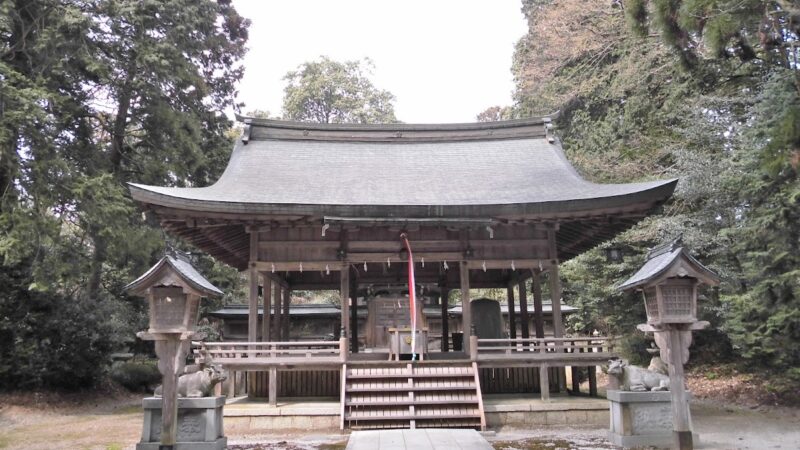
The current main hall is said to have been built in the early Muromachi period. This main hall was designated a National Important Cultural Property in 1913 (Taisho 2), and is a building of high architectural historical value. Its elegant form and detailed carvings convey the architectural techniques and aesthetic sensibilities of the time of its construction to the present day.
Development Since the Modern Era
From the separation of Shinto and Buddhism in the Meiji era, through the wartime Showa period, to the present day, Kanda Shrine has been preserved as the center of local faith. It is still maintained and managed by the local parishioners’ organization, and seasonal festivals are held.
Deities Enshrined at Kanda Shrine
Kanda Shrine enshrines several deities, each with its own deep religious significance.
Main Deity
Hikokunibuki-no-Mikoto
Hikokunibuki-no-Mikoto, the main deity enshrined here, is considered a god involved in the development and cultivation of this region. He holds the characteristics of a guardian deity of the area and is revered by local residents.
Susanoo-no-Mikoto
A heroic god in Japanese mythology, widely worshipped as a god of protection against misfortune and disaster. Known as the brave god who defeated the Yamata no Orochi (eight-headed serpent), he is revered as a god who grants the power to overcome difficulties.
Enshrined Deities
Toritsukasa-Daishi-Oshikatsu
This god is also enshrined at Kanda Shrine and is deeply connected to the history of the region.
Divine Emblem
The divine emblem of Kanda Shrine is the “Mitsudomoe” (three commas). The crest, featuring three tomoe symbols arranged in a circle, is said to represent a swirling vortex of water, making it a fitting emblem for a shrine facing Lake Biwa.
Architectural Value of the Kanda Shrine Main Hall (National Important Cultural Property)
The greatest highlight of Kanda Shrine is its main hall, a nationally designated Important Cultural Property. As a valuable structure that preserves the architectural style of the early Muromachi period, it is highly regarded in architectural history.
The Elegant Form of the Nagare-zukuri Style
The main hall is built in the Nagare-zukuri style. This style is characterized by its long, flowing roof, creating an elegant and beautiful silhouette. While it is one of the most common styles of shrine architecture, the Kanda Shrine main hall boasts a particularly well-proportioned and beautiful form.
Detailed Carvings and Decorations
The sides and details of the main hall are adorned with carvings and decorations characteristic of the early Muromachi period. Each component, such as the kibana (wooden brackets), kaerumata (frog-leg brackets), and kōryō (rainbow beams), embodies the pinnacle of the craftsmanship of the time.
The main hall, where the texture of aged wood harmonizes with exquisite carving techniques, evokes a quiet sense of awe in visitors.
Preservation and Restoration
Since being designated as an Important Cultural Property, appropriate preservation and repair work has been carried out. Thanks to regular maintenance, it retains its original appearance even after approximately 600 years since its construction.
Highlights of the Shrine Grounds | Points to Note During Your Visit
Besides the main hall, there are several other points of interest scattered throughout the grounds of Kanda Shrine.
Approach and Torii Gate
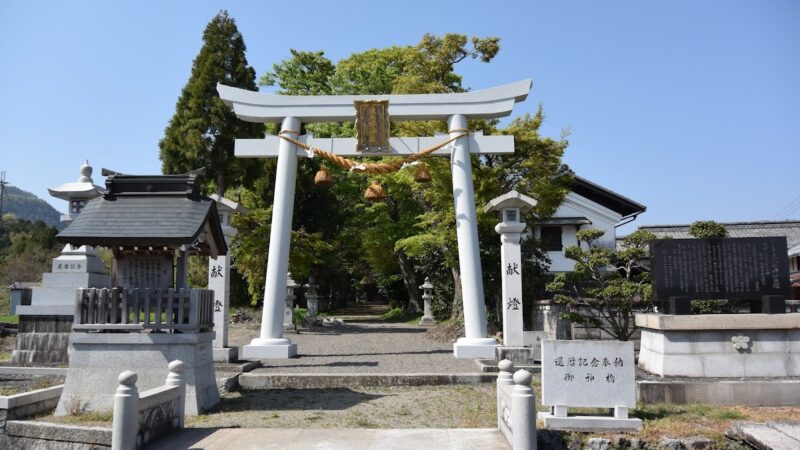
The approach to the shrine is beautifully maintained, allowing you to walk through a refreshing atmosphere. Passing through the torii gate and proceeding along the approach leads you to a sacred space away from the hustle and bustle of everyday life.
Worship Hall
Located in front of the main hall, the worship hall is where visitors offer their prayers. From here, you pay your respects to the main shrine and offer your gratitude and prayers to the enshrined deity.
Shrines within the Precincts
Besides the main shrine, there are several small shrines within the precincts, each dedicated to various gods. These are also important structures that tell the story of the region’s religious history.
Shrine Office
There is a shrine office where you can receive Goshuin (stamped seals) and amulets. You can also receive a Goshuin as a memento of your visit (however, it is recommended to check the hours of operation in advance).
Access Information | How to Get to Kanda Shrine
Detailed directions to Kanda Shrine are provided below.
Basic Information
Location: 1-9-27 Honkatata, Otsu City, Shiga Prefecture
Nearest Station: JR Kosei Line “Katata Station”
Access by Train
Using the JR Kosei Line
- Approximately 25 minutes from JR Kyoto Station on the Kosei Line, alight at Katata Station
- Approximately 19 minutes on foot from Katata Station (approx. 1.5 km)
- Approximately 5 minutes by taxi from Katata Station
When taking a taxi, it is best to tell the driver “Kanda Shrine near Ukimido” or “Kanda Shrine in Honkatata.”
Access by Car
Using the Kosei Road (National Route 161 Bypass)
- Approximately 5 minutes east from Mano IC
- Parking available (parking space for visitors)
The Kosei Road, which runs along the western shore of Lake Biwa, is convenient for access from the Kyoto area. Entering the address or phone number into your car navigation system is recommended.
Map and Landmarks
Kanda Shrine is within walking distance of Mangetsuji Ukimido Temple. You can visit it before or after visiting Ukimido Temple. It is also located near Miyaike Pond and next to Zenmyoji Temple, so these can be used as landmarks.
Etiquette for Worship | The Correct Way to Worship at Kanda Shrine
There are basic manners for visiting a shrine. When visiting Kanda Shrine, please observe the following etiquette.
How to Pass Through the Torii Gate
The torii gate is the entrance to the sacred area. Bow before passing through the torii gate. Since the center of the path is considered the path of the gods, it is considered best to walk along the sides.
Purification at the Water Basin
- Take the ladle in your right hand and purify your left hand.
- Switch the ladle to your left hand and purify your right hand.
- Take the ladle back in your right hand, receive water in your left hand, and rinse your mouth.
- Purify your left hand once more.
- Hold the ladle upright, let water flow down the handle, and return it to its original position.
Worship at the Main Hall
- Stand in front of the offering box and bow slightly.
- Gently place your offering in the box.
- If there is a bell, ring it.
- Perform two bows, two claps, and one bow (two deep bows, two claps, one deep bow).
- Take a step back, bow slightly, and then leave.
Prayers and Annual Events | Prayers and Festivals Available at Kanda Shrine
Kanda Shrine holds various prayers and festivals throughout the year.
Main Prayers
- Hatsumode: A New Year’s visit to the shrine. A popular and traditional spot for Hatsumode in the local area.
- Yakuyoke: A prayer for warding off evil for those in their unlucky years.
- Shichi-Go-San Prayers: A prayer for Shichi-Go-San, celebrating the growth of children.
- Traffic Safety Prayers: A prayer for car blessings and traffic safety.
- Family Safety: A prayer for the health and safety of the family.
- Business Prosperity: A prayer for the development of a business.
If you wish to request a prayer, it is recommended to inquire at the shrine office in advance.
Annual Events
Kanda Shrine holds festivals throughout the four seasons. During festivals such as the Grand Festival, local people gather and traditional Shinto rituals are performed. It is advisable to check the festival dates in advance.
Nearby Tourist Attractions | Places to Visit Alongside Kanda Shrine
Around Kanda Shrine, there are numerous tourist spots where you can experience the nature and history of Lake Biwa.
Mangetsuji Ukimido
Located within walking distance of Kanda Shrine, Ukimido is a Kannon hall built on a pier extending into Lake Biwa. It is said to have been built during the Heian period by Eshin Sozu Genshin and is a scenic spot known as “Katata no Rakugan,” one of the Eight Views of Omi. You can spend a peaceful time while gazing at the magnificent view of Lake Biwa.
Miyaike Pond
Miyaike Pond, located near Kanda Shrine, is a historic pond that has been used as an agricultural reservoir. You can enjoy a peaceful landscape where the calm water surface harmonizes with the surrounding nature.
Katata Townscape
Katata is a town that has prospered since ancient times through fishing and water transport on Lake Biwa. Strolling through the historic streets, you can feel the remnants of its past as a vital hub for lake transportation. Walking through the back alleys might lead to unexpected discoveries.
Lake Biwa Shore
The western shore of Lake Biwa offers beautiful lake views. You can stroll along the shoreline or, depending on the season, enjoy swimming in the lake.
The Charm of Kanda Shrine | Why It’s Worth Visiting
The charm of Kanda Shrine lies not only in its historical value.
A Quiet Space for Prayer
Kanda Shrine, not overly commercialized, is a precious space for quiet prayer. It offers an atmosphere where you can escape the hustle and bustle of everyday life and calm your mind during your visit.
The Main Hall, a National Important Cultural Property
The main hall, which preserves the architectural style of the early Muromachi period, is a must-see for anyone interested in architecture. Its elegant nagare-zukuri style and detailed carvings possess a timeless beauty.
Connections to Local History
Kanda Shrine has layers of history intertwined with its origins, including its connection to Shimogamo Shrine, its ties to Lake Biwa’s fishing industry, and the local history of Katata. Understanding these histories deepens your understanding of the western shore region of Lake Biwa.
As an Accent to Lake Biwa Sightseeing
Combining a visit to Kanda Shrine with sightseeing at Ukimido Temple or along the Lake Biwa shoreline will enhance your trip to the western shore. You can experience history, nature, and faith all in one place.
Precautions and Manners When Visiting
When visiting Kanda Shrine, please note the following:
Attire
Shrines are sacred places. Avoid overly casual or revealing clothing, and aim for clean and presentable attire.
Photography
Photography is generally permitted within the shrine grounds, but consideration is needed when taking photos inside the main hall or during festivals. If unsure, please check with the shrine office.
Respect and Quiet
Please refrain from speaking loudly or making noise within the shrine grounds. Consideration for other visitors is also important.
Pets Allowed
We recommend checking in advance regarding bringing pets to the shrine.
Souvenirs
Please approach souvenirs such as amulets and Goshuin (shrine stamps) with the understanding that they are “received” rather than “bought.”
Seasonal Highlights | Kanda Shrine in Every Season
Kanda Shrine displays different expressions in each of the four seasons.
Spring (March-May)
Spring is a beautiful season of fresh greenery. The trees within the shrine grounds bud, and the air is refreshing. During cherry blossom season, you can enjoy cherry blossom viewing in the surrounding area.
Summer (June-August)
This is a pleasant season with cool breezes from Lake Biwa. You can spend a quiet time in the lush green grounds, forgetting the summer heat.
Autumn (September-November)
During the autumn foliage season, the trees in the shrine grounds and surrounding areas change color, offering a beautiful landscape. Visiting the shrine in the crisp autumn air is a particularly special experience.
Winter (December-February)
Kanda Shrine, enveloped in the tranquility of winter, possesses a particularly solemn atmosphere. It becomes bustling with many visitors during the New Year’s pilgrimage. If it snows, you can witness a fantastical landscape enveloped in white.
The Role of Kanda Shrine in the Community
Kanda Shrine is not merely a tourist spot; it plays a central role in the local community.
The Bonds Between the Parishioners and the Community
Kanda Shrine, protected by the local parishioners’ organization, is also a place that deepens community bonds. Intergenerational exchanges are fostered through festivals and cleaning activities.
The Transmission of Traditional Culture
Through Shinto rituals and festivals, ancient traditional culture is passed down to the next generation. This is an important element in shaping the community’s identity.
A Place of Spiritual Support
Kanda Shrine serves as a spiritual haven for local residents, a place where they visit and offer prayers at important turning points in their lives.
Summary | A Recommendation for Visiting Kanda Shrine
Located in Honkatata, Otsu City, Shiga Prefecture, Kanda Shrine is an ancient shrine with a history of over a thousand years, dating back to its founding in the early Heian period. The main hall, a nationally designated Important Cultural Property, preserves the architectural style of the early Muromachi period, and its elegant appearance captivates visitors.
Kanda Shrine is imbued with a multi-layered history and meaning, including its connection to Shimogamo Shrine, its deep relationship with the blessings of Lake Biwa, and its role as a center of local faith. Combining a visit with sightseeing at Ukimido and the Lake Biwa shoreline will allow you to experience a rich blend of nature, history, and faith on the western shore of Lake Biwa.
Easily accessible from JR Kosei Line Katata Station, and with ample parking, it’s conveniently located for both train and car visits. The time spent calming your mind in this tranquil space of prayer and reflecting on a thousand years of history will surely be a memorable experience.
When you visit Lake Biwa, be sure to stop by Kanda Shrine. The main hall, a designated Important Cultural Property, the peaceful grounds, and the rich history of the region will warmly welcome you.